Penetrating Keratoplasty (PKP): Corneal Transplant in Moscow

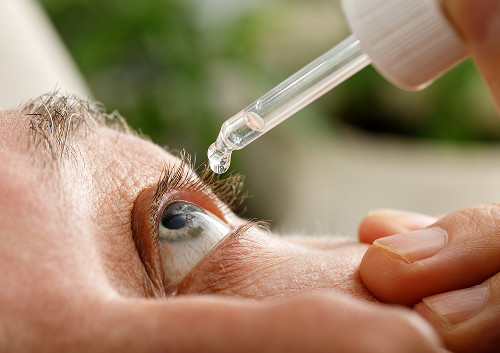
The cornea should be clear and smooth. Scarring, clouding, or significant thinning can blur vision, making glasses less effective.

At K+31, we perform diagnostics, evaluate the entire eye, and only then decide whether a corneal transplant is necessary.

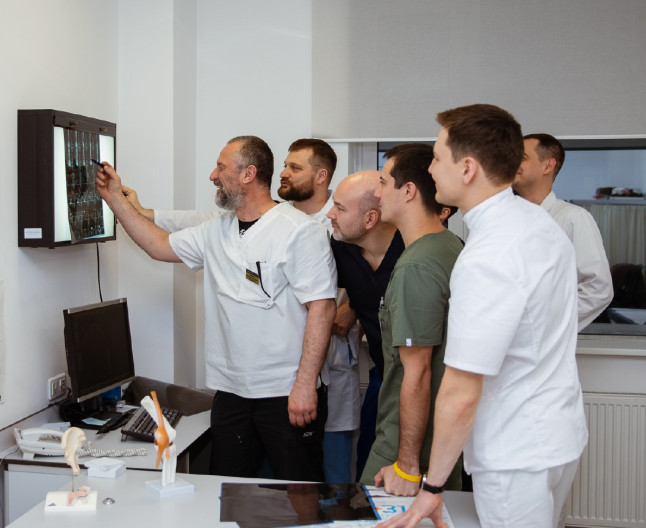
Best specialists
Best
specialists
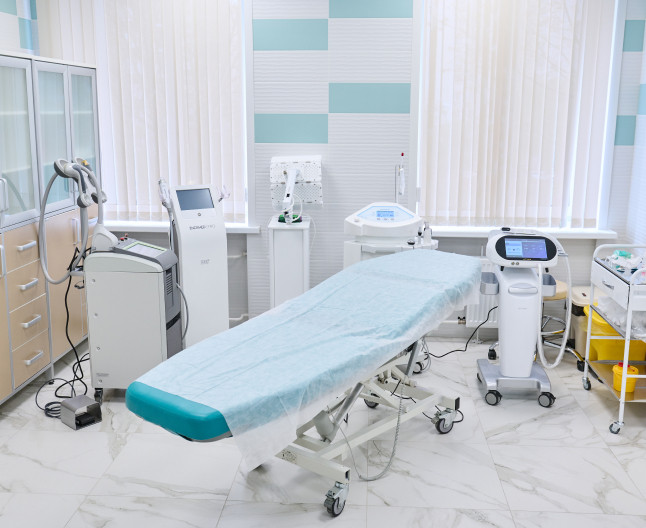
Expert equipment
Expert
equipment
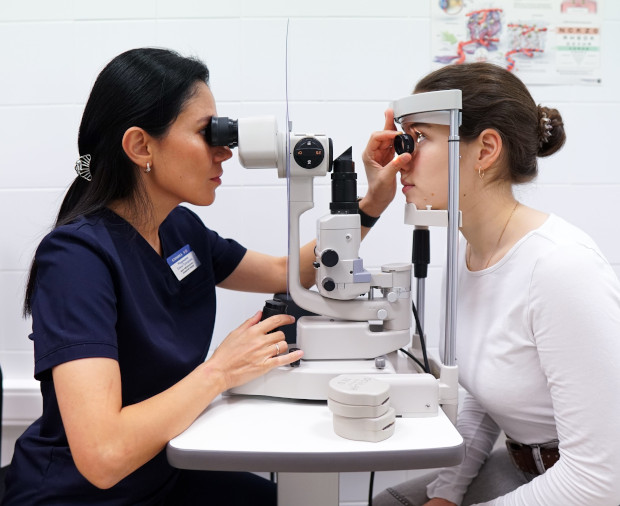
Advanced diagnostic treatment
Advanced diagnostic
treatment
Download the application “Personal Account K+31”
Everything about your health in one click!
Subscribe to social networks K+31
To keep up to date with current offers and receive useful advice about your health.

What is penetrating keratoplasty and when is it needed??

Penetrating keratoplasty is a microsurgical replacement of the damaged cornea with a full-thickness donor graft. This method is chosen for deep damage, when the cornea's own tissue no longer transmits light properly.

How does SKP differ from other corneal surgeries?

With layer-by-layer surgery, the surgeon replaces only the damaged layers. With SKP, the entire thickness of the corneal area is removed. Corneal surgery requires precise calculations and long-term monitoring.

Before choosing a method, it is important for the patient to understand the differences between treatment options.

Method When used Advantages Limitations
Penetrating keratoplasty Deep scars, dense opacities Complete tissue replacement Longer healing time, risk of immune reaction
Lamellar keratoplasty Individual layers are affected Healthy tissue is preserved. Not suitable for everyone.
Conservative treatment Initial changes Not surgical Does not remove deep defects.

The doctor makes the final decision after an in-person diagnosis.

When do we recommend a corneal transplant?

A corneal transplant is considered when scarring, deformation, or dense opacities prevent adequate vision with other methods. Common causes include:

  1. Trauma
  2. Burn
  3. Infection
  4. Inflammation
  5. Late-stage keratoconus

Indications for penetrating keratoplasty
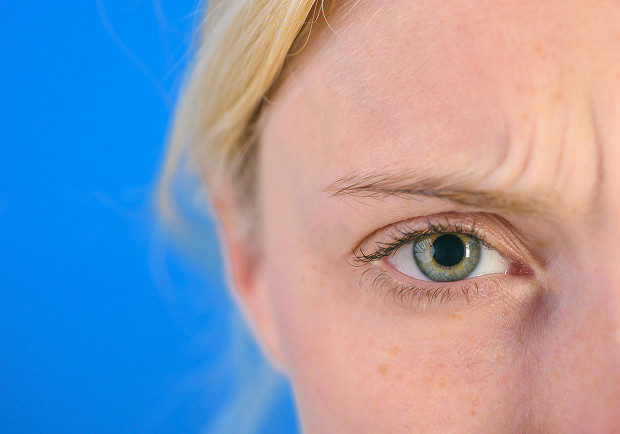
Indications are assessed in person. The doctor compares complaints, visual acuity, biomicroscopy, corneal topography, pachymetry, corneal OCT, and pressure. SCC is most often discussed in the following conditions:

  • Severe corneal thinning
  • Deep scars from trauma, burns, or inflammation
  • Persistent opacities in the optical zone
  • Dystrophic changes with loss of transparency
  • Failure of other treatments

Keratoconus and severe corneal thinning

Keratoconus changes the shape of the cornea: the tissue thins, bulges, and produces abnormal optics. If scarring or a risk of perforation exists, the doctor may recommend keratoplasty.
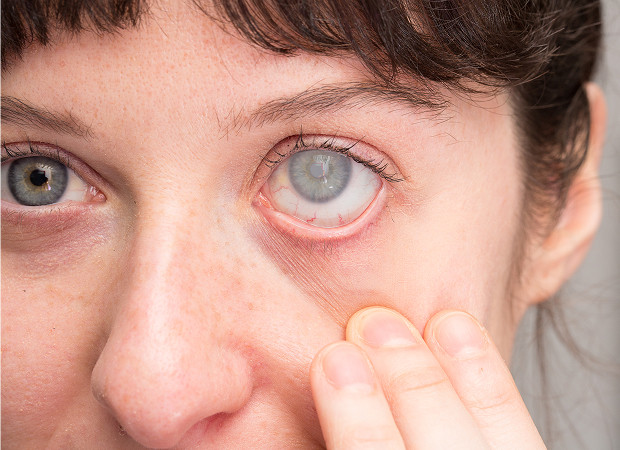
Scars, Opacities, and Trauma-Related Consequences

A corneal scar may remain after an ulcer, injury, burn, or severe keratitis. A deep central corneal scar interferes with light transmission and often requires surgical tissue replacement.

Corneal opacities are assessed by their density, depth, and location. In the case of central corneal opacity, a donor cornea helps restore the clear zone.

Inflammatory and Dystrophic Changes of the Cornea

Corneal inflammation is initially treated conservatively: an active process increases the risk of complications. Surgical intervention is discussed after stabilization if persistent corneal opacities remain. If full-thickness lesions are present, a full corneal transplant may be necessary.

How does the operation proceed?

Preparation begins before the surgery. We need to understand what kind of transplant is needed, whether there is inflammation, and whether visual potential is preserved.

"We start with diagnostics: it is important to assess the extent of corneal damage and the overall condition of the eye. This allows the doctor to choose a safe approach and explain the recovery process to the patient in advance," says an ophthalmic surgeon at K+31.

Preoperative Diagnostics and Preparation

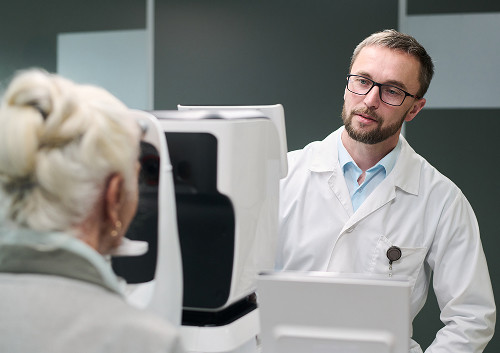
Corneal diagnostics includes biomicroscopy, corneal topography, pachymetry, corneal OCT, and an ocular surface assessment. An ultrasound, retinal examination, and tonometry are performed as indicated. If active inflammation is present, the surgery is postponed until it stabilizes.

Stages of Penetrating Keratoplasty

The surgeon removes the affected area of ​​the cornea of ​​a specified diameter. A donor cornea, prepared for transplant, is inserted in its place. The transplant is secured with fine sutures.

Microsurgery of the eye requires high precision. Even minor irregularities can affect refraction, healing, and vision after surgery.

Anesthesia, duration, and postoperative monitoring

Anesthesia is selected individually. The extent of the procedure, age, comorbidities, and anxiety level are taken into account. After surgery, the patient remains under observation and receives a prescription for eye drops and follow-up appointments.

How does the operation proceed?

General information

Post-surgery Recovery

Healing is gradual. The graft must take root, the sutures must maintain their shape, and the inflammatory reaction must remain under control. Vision recovery after SKP is assessed dynamically.

First Days after SKP: Regime and Restrictions

During the first few days, discomfort, tearing, light sensitivity, and a foreign body sensation are possible. Avoid rubbing the eye, lifting heavy objects, exposing it to water, dust, or cosmetics, and discontinue eye drops. Weight-bearing activities are resumed after the doctor's approval.

Sutures, Follow-up Examinations, and Healing Time

Corneal sutures may remain in place for a long time. They are removed based on the condition of the eye, the shape of the cornea, and the examination findings. Postoperative monitoring is necessary to monitor graft transparency, pressure, epithelial healing, and signs of inflammation.

When can vision improvement be expected?

Improvement usually develops gradually. Postoperative vision is affected by:

  1. Graft transparency
  2. Astigmatism
  3. Crystal lens
  4. Retina
  5. Optic nerve

Vision recovery may take months because the optic nerve does not stabilize immediately.
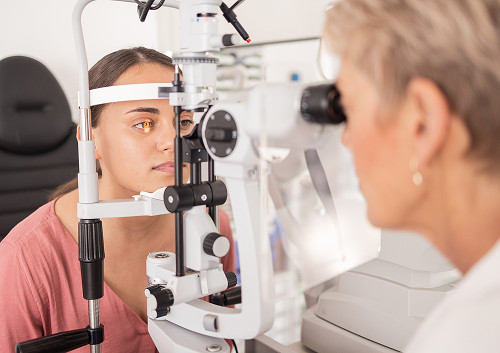
Post-surgery Recovery

What determines the outcome and prognosis?

The outcome depends on the initial diagnosis, the condition of the eye, the surgical technique, and adherence to recommendations.

The condition of the cornea and the eye as a whole

The prognosis is better when there is no active inflammation, prominent corneal vessels, high pressure, or severe retinal changes. Burns, vascular leukomas, and repeated surgeries pose a higher risk. Therefore, keratoconus without severe scarring usually has a different prognosis than post-inflammatory leukomas.

Following the doctor's recommendations

After surgery, drops, eye protection, restrictions on eye activity, and follow-up visits are important. If you experience pain, redness, photophobia, or a sudden deterioration in vision, you should consult your doctor before your scheduled appointment.

Regular Postoperative Monitoring

The postoperative regimen is lengthy because the graft remains living tissue. The doctor evaluates transparency, sutures, refraction, and pressure. If there is an increased risk, monitoring becomes more frequent.

What determines the outcome and prognosis?

Why patients choose K+31

A patient with severe corneal pathology needs surgery and a clear path forward. At K+31, we guide them from the initial examination to visual rehabilitation. Understanding every step in advance is especially important when penetrating keratoplasty in Moscow is required.

Experience of ophthalmic surgeons

The ophthalmic surgeon evaluates the indications, explains the risks, selects the technique, and manages the postoperative period.

Modern diagnostics and an individualized treatment plan

A comprehensive examination is performed before surgery. We use biomicroscopy, corneal topography, pachymetry, corneal OCT, and other tests.

Patient support until vision is restored

After discharge, the patient knows the follow-up dates, warning signs, instructions for using the drops, and restrictions. The ophthalmic surgeon and team monitor the progress to make timely adjustments to the treatment plan.

Why patients choose K+31

Potential Risks and How We Mitigate Them

Any transplant is associated with risks. We discuss them in advance and mitigate them through diagnostics, planning, sterile technique, inflammation control, and examinations.

Graft Rejection

Graft rejection may present with pain, redness, photophobia, blurred vision, or severe discomfort. If these symptoms occur, contact the clinic immediately.

Postoperative Astigmatism

Astigmatism after SKP is related to the shape of the graft, suture tension, and healing characteristics. Sometimes it improves after suture correction; sometimes it requires glasses, hard lenses, or additional treatment.

When to See a Doctor Immediately

You should not wait after surgery if your eye's condition has changed significantly. Contact your doctor immediately if you experience pain, redness, photophobia, discharge, sudden loss of vision, eye injury, or severe discomfort.

Potential Risks and How We Mitigate Them

Frequently asked questions about penetrating keratoplasty

What is this surgery and how is it different from lamellar keratoplasty?

Penetrating keratoplasty is a complete replacement of the damaged area of ​​the cornea with a donor graft. Lamellar techniques treat individual layers if healthy tissue can be preserved.

How long does recovery take after a corneal transplant?

After a corneal transplant, recovery is gradual and can take months. The time frame depends on the diagnosis, sutures, tissue response, and adherence to recommendations.

Can good vision be restored after PKP?

A good result is possible, but equal clarity cannot be promised to all patients. The outcome depends on the transparency of the graft, the retina, the optic nerve, the lens, and refraction after healing.

How can I reduce the risk of complications after surgery?

It is important to follow the eye drop regimen, avoid rubbing the eye, protect it from injury, dust, and water, and schedule regular eye examinations. If you experience pain, redness, photophobia, or decreased vision, consult a doctor before your scheduled appointment.

Make an appointment with an ophthalmic surgeon

Make an appointment with an ophthalmic surgeon

A consultation with an ophthalmologist at K+31 helps you determine whether keratoplasty is necessary or whether another treatment option is available. We conduct an examination and explain the results, prognosis, and limitations. If a corneal transplant is indicated, the doctor develops a plan for preparation, surgery, and follow-up.

You can schedule an appointment at a convenient time in Moscow. During your appointment, we will assess your eye condition and determine a safe treatment plan.

Our doctors
Karapetyan Arevik Samvelovna
Experience 12 years
Make an appointment
Karapetyan
Arevik Samvelovna
Ophthalmologist, Laser Surgeon
Batalina Larisa Vladimirovna
Experience 33 years
Make an appointment
Batalina
Larisa Vladimirovna
Deputy chief physician for ophthalmology, ophthalmic surgeon, leading specialist in laser vision correction
Amiryan Anush Gamletovna
Experience 28 years
Make an appointment
Amiryan
Anush Gamletovna
Ophthalmic oncologist surgeon
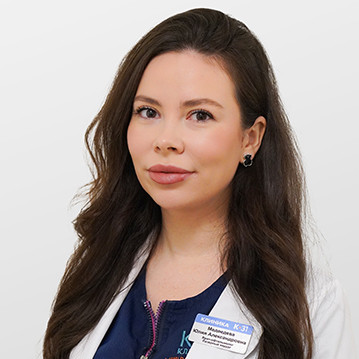
Medvedev Yulia Alexandrovna
Experience 11 years
Make an appointment
Medvedev
Yulia Alexandrovna
Ophthalmologist, Laser Surgeon
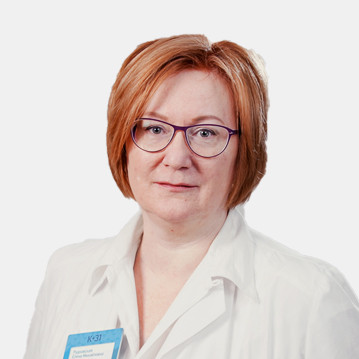
Rudkovskaya Elena Mikhailovna
Experience 38 years
Make an appointment
Rudkovskaya
Elena Mikhailovna
Ophthalmologist
Tegniryadnova Ekaterina Valerievna
Experience 20 years
Make an appointment
Tegniryadnova
Ekaterina Valerievna
Ophthalmologist, laser surgeon
Fadeeva Victoria Anatolievna
Experience 13 years
Make an appointment
Fadeeva
Victoria Anatolievna
Doctor ophthalmologist, laser surgeon
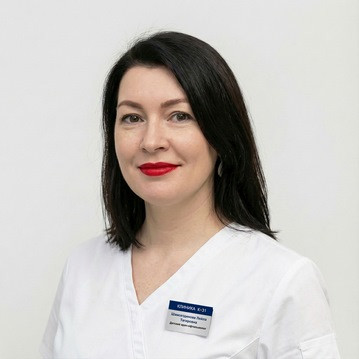
Shamsetdinova Leila Tagirovna
Experience 17 years
Make an appointment
Shamsetdinova
Leila Tagirovna
Pediatric ophthalmologist
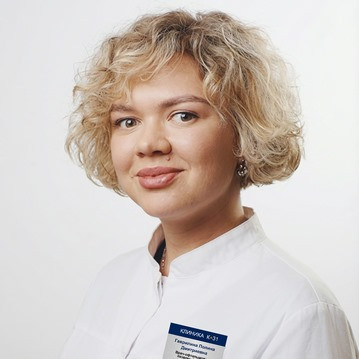
Gavrilina Polina Dmitrievna
Experience 8 years
Make an appointment
Gavrilina
Polina Dmitrievna
Ophthalmologist, laser surgeon
Kovaleva Olesya Alexandrovna
Experience 7 years
Make an appointment
Kovaleva
Olesya Alexandrovna
Ophthalmologist, laser surgeon
Sugonyaeva Olga Yurievna
Experience 26 years
Make an appointment
Sugonyaeva
Olga Yurievna
Ophthalmologist, laser surgeon
Khlunovskaya Anna Nikolaevna
Experience 8 years
Make an appointment
Khlunovskaya
Anna Nikolaevna
Ophthalmologist
Akhiyarova Azalia Azatovna
Experience 4 years
Make an appointment
Akhiyarova
Azalia Azatovna
Ophthalmologist
Putintseva Polina Andreevna
Experience 6 years
Make an appointment
Putintseva
Polina Andreevna
Ophthalmologist
Agafonova Oksana Sergeevna
Experience 21 year
Make an appointment
Agafonova
Oksana Sergeevna
Ophthalmologist, pediatric
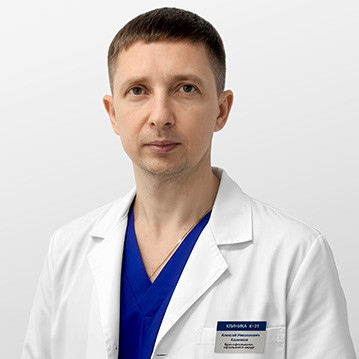
Kazennov Alexey Nikolaevich
Experience 19 years
Make an appointment
Kazennov
Alexey Nikolaevich
Ophthalmologist, ophthalmologist-surgeon
Petrova Maria Grigorievna
Experience 14 years
Make an appointment
Petrova
Maria Grigorievna
Ophthalmologist, ophthalmic surgeon
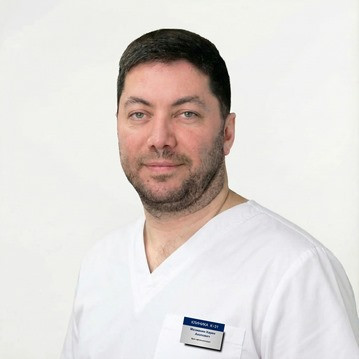
Mazmanyan Karen Akopovich
Experience 28 years
Make an appointment
Mazmanyan
Karen Akopovich
Ophthalmic surgeon
Suchkova Valeria Alekseevna
Experience 6 years
Make an appointment
Suchkova
Valeria Alekseevna
Ophthalmologist
Khubieva Salima Aslanbievna
Experience 7 years
Make an appointment
Khubieva
Salima Aslanbievna
Ophthalmologist, laser surgeon
Rytik Nina Petrovna
Experience 15 years
Make an appointment
Rytik
Nina Petrovna
Ophthalmologist
All specialists
2GIS Award
2GIS Award

This award is given to clinics with the highest ratings according to user ratings, a large number of requests from this site, and in the absence of critical violations.

«Good place» according to Yandex

This award is given to clinics with the highest ratings according to user ratings. It means that the place is known, loved, and definitely worth visiting.

Our doctors are laureates of the ProDoctors Award

The ProDoctors portal collected 500 thousand reviews, compiled a rating of doctors based on them and awarded the best. We are proud that our doctors are among those awarded.

Make an appointment at a convenient time on the nearest date

Price

Reception
Price
Initial Ophthalmologist Appointment
from 6 450 ₽
Corneal Collagen Crosslinking with Ultraviolet Irradiation
from 52 500 ₽
Femtosecond Laser-Assisted Intrastromal Segment Implantation
from 200 000 ₽

Other services

Laser vision correction Phacoemulsification of cataract with IOL implantation of any complexity Vitreoretinal surgeries of any complexity (vitrectomy) Laser photocoagulation of the retina during tears and degenerative changes in the retina Laser photocoagulation for diabetic retinopathy Intravitreal administration of Anti-VEGF drugs, hormonal implants Antiglaucomatous operations using various drains YAG laser dissection of the posterior capsule for secondary cataract Cataract treatment Treatment of glaucoma Retinal dystrophic changes Vitreous pathology Injury to the eye Post-traumatic and postoperative complications Myopia treatment Farsightedness Treatment of astigmatism Retinal disinsertion Non-contact laser procedure SMARTSURFACE Keratoplasty Femto SUPER LASIK Laser coagulation of the retina of the eye treatment on Ellex Integre Pro Scan Treatment of the retina with the Navilas laser system Femtolaser Cataract Removal Selection of children's night lenses Laser vision correction Clear Офтальмолог-онколог в Москве Treatment of keratoconus Laser coagulation of the retina Refractometry Retrobulbar injections Restoration of vision Lacrimal ducts Eye wash Synoptophore Forbis ESOM Pediatric ophthalmologist Ophthalmologist Glasses Biomicroscopy Night lenses Photo of an eye Eyelid suturing Selection of lenses Retinal laser Vision test Vitrectomy Vitrectomy Vitrectomy Eye pressure Ophthalmoscopy Fundus Gonioscopy Discision Orbitotomy Ophthalmodiagnostics OCT of the optic disc Keratoplasty Crystalline lens replacement Lacrimal duct Eye biometrics Angle of strabismus Lacrimal point IOL implantation Heterophoria Refraction Needling pillows Sclerectomy Micropulse laser Eyelid massage Intravitreal injections Iridoplasty Accommodation Bacterial culture Ophthalmology Cyclophotocoagulation Laser trabeculoplasty Laser stimulation Makdel Iridotomy Goniopuncture Corneal crosslinking Perimetry Pachymetry Angio-OCT Tubular test Convergence test Autofluorescence Eye mobility Skiascopy Injection in the eye Tonometry Schirmer's test Trabeculotomy Diaphanoscopy
Make an appointment

Appointment to the doctor

Fill out the form, our managers will contact you within 15 minutes

Reviews

Super doctor
29.06.2026
Aleksey K.
I would like to express my sincere gratitude to all the staff of the K+31 clinic. Special thanks to the doctors of the ophthalmology department, Ekaterina V. Tegniryadnova, who has been seeing me for a long time, and Maria Grigorievna Petrova, who operated on me for a lens replacement. Everything went great! I would also like to mention the work of Diana's ophthalmology manager. I received comprehensive and timely answers to all my questions. THANK you so much to all of you!
I am very pleased with the reception, smart doctor, thank you By +31.
26.06.2026
Irina T.
The Miracle Doctor
24.06.2026
Anush D.
I underwent preoperative preparation before laser correction at Azaliya Azatovna, I was satisfied! A very sensitive and understanding doctor. I drew schematically how the operation would take place, it was interesting and the fear went away. She also performed postoperative examinations. I wish you grateful patients and success in carrying out laser corrections. I will recommend it to my friends and family.
23.06.2026
Ekaterina Sh.
A very qualified doctor! Attentive and caring!
20.06.2026
Olga Ch.
Olesya Alexandrovna is an excellent specialist, listened attentively and carried out the necessary diagnostics, answered all questions in detail and kindly and gave recommendations. I plan to see Dr. Kovaleva in the future.
18.06.2026
Anton Sh.
Почему К+31?
К + 31 — full-cycle multidisciplinary medical centers, including the possibility of providing medical services of European quality level.
К + 31 — are leading doctors and diagnostics using high-tech equipment from world manufacturers (Karl Storz, Olympus, Siemens, Toshiba, Bausch&Lomb, Technolas, Zeiss, Topcon).
К + 31 — is ethical. The staff of K+31 clinics maintain open relationships with patients and partners. An individual approach to each patient is the basis of our service standards.
К + 31 — is modernity. On call 24/7: call center operators will answer your questions at any time and book you an appointment with doctors. Contact us by phone, through the feedback form on the website and Max.

Our clinics

Address K+31 Lobachevskogo 2

st. Lobachevskogo, 42/7

Contacts

+7 499 999-31-31

Opening hours

Mon-Fri: 08:00 – 21:00
Weekend: 09:00 – 19:00

Address K+31 on Lobachevskogo

st. Lobachevskogo, 42/4

Contacts

+7 499 999-31-31

Opening hours

Mon-Fri: 08:00 – 21:00
Weekend: 09:00 – 19:00

Address K+31 Petrovskie Vorota

1st Kolobovsky pereulok, 4

Contacts

+7 499 999-31-31

Opening hours

Mon-Fri: 08:00 – 21:00
Sat-Sun: 09:00 – 19:00

Address K+31 West

Orshanskaya, 16/2; Ak. Pavlova, 22

Contacts

+7 499 999-31-31

Opening hours

Mon-Fri: 08:00 – 21:00
Sat-Sun: 09:00 – 18:00
K+31 on Lobachevskogo
Didn't find the service you were looking for?

Экстренная помощь