
Forbis hardware treatment in Moscow
Forbis hardware treatment is used in ophthalmology as part of a comprehensive vision care program. The method is selected after a diagnosis, when the doctor needs to assess the condition of the visual system and determine which procedures will be beneficial for the patient.
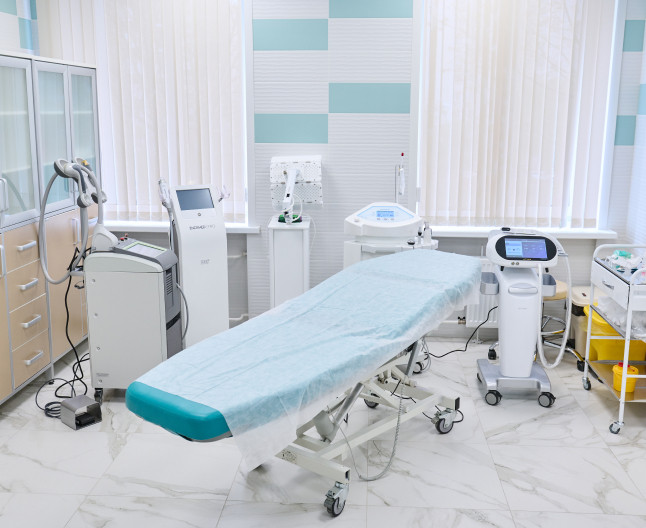
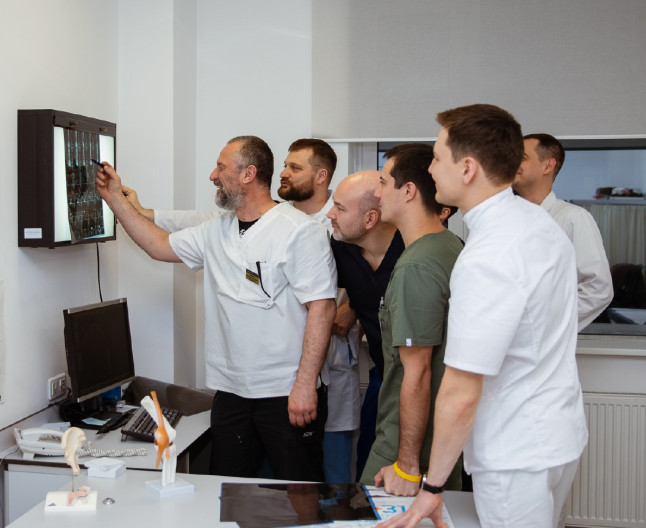
At our Moscow clinic, treatment is carried out under the supervision of specialists. Doctors focus on patient complaints, examination results, and progress, rather than a standardized treatment plan.

specialists

equipment

treatment



Who do we recommend Forbis hardware treatment for?
The doctor always relies on the diagnosis and the patient's current condition before prescribing procedures. We have identified the main medical conditions for which this method shows the greatest effectiveness. Below is a list of typical situations where the use of the complex is fully justified.
Indications for hardware treatment "Forbis":
- Amblyopia of varying degrees
- Strabismus during the period of active rehabilitation
- Impaired binocular vision
- Visual fatigue and chronic strain
- Decreased accommodation
This list covers the most common reasons for visiting our clinic. However, the final decision on the appropriateness of the sessions is made by the attending ophthalmologist during an in-person appointment.
For amblyopia
Lazy eye syndrome requires constant stimulation of the weak visual organ. Proper treatment for amblyopia includes optical correction, occlusion, and targeted physical therapy.
The device activates the inactive eye and transmits clear signals to the brain. A comprehensive course of hardware treatment helps gradually improve visual acuity to the desired levels.
For strabismus and impaired binocular vision
When the eye's axis deviates, the brain often ignores the image coming from the squinting organ to avoid double vision. Comprehensive strabismus treatment aims to restore the eyes' ability to work together.
Targeted binocular vision training develops the correct image fusion reflex. As a result, binocular vision gradually stabilizes, which is especially important after surgery.
For visual fatigue, asthenopia and decreased accommodation
Daily intense visual strain leads to muscle spasms and significant discomfort. This condition is often diagnosed as computer vision syndrome or asthenopia.
In these cases, the Forbis device helps relieve spasms, relax the muscles, and train the eye's focusing ability. Timely intervention prevents further deterioration of visual acuity.
How does the treatment proceed?
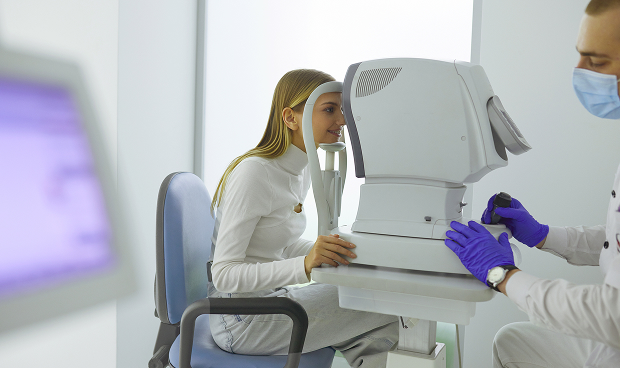
The entire process is based on a strict medical algorithm, eliminating any chance of accidents. We don't perform procedures for the sake of procedures, but always follow a specific plan. Each stage is given due attention to ensure safety.
Diagnostics before the course begins
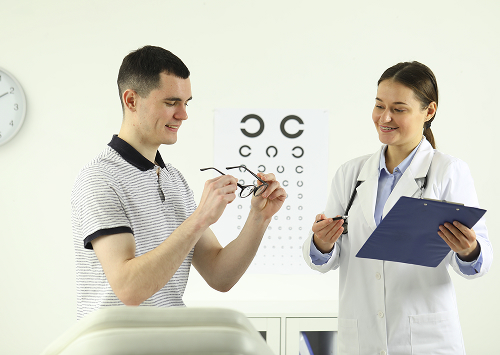
Any training begins only after a complete ophthalmological examination. The doctor evaluates visual acuity, refraction, squint angle, and fundus condition.
This data allows us to determine whether a customized program is needed and what parameters it should include. Training is strictly prohibited without up-to-date diagnostic results.
What happens in one session
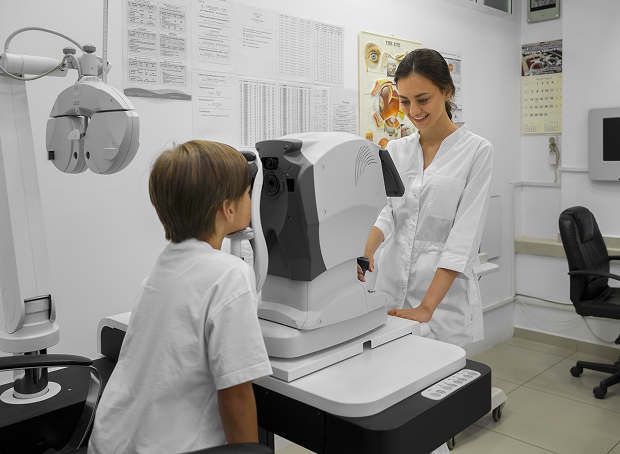
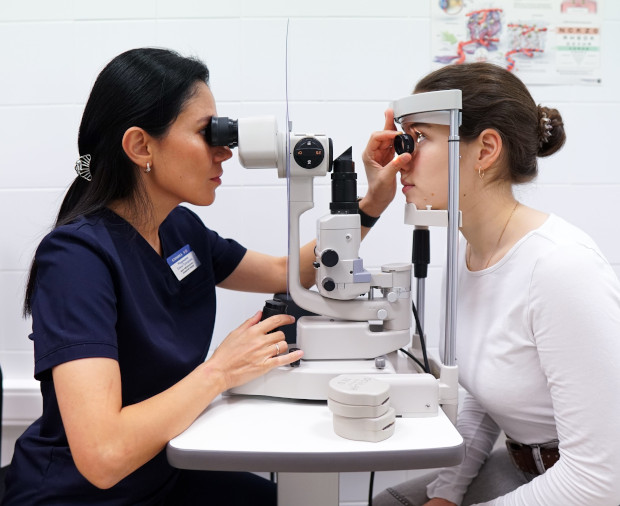
The patient sits in front of the device screen in a comfortable position. During the procedure, the Forbis device prompts the patient to perform specific visual tasks, similar to an educational game.
Each session is supervised by medical staff, who adjust the settings. A session lasts approximately 15-20 minutes, without causing nervous system fatigue.
How many treatments are usually required
A standard course of treatments includes 10 to 15 daily visits. The number of sessions depends on the patient's age, diagnosis, and visual system response to stimulation. During the procedure, the doctor evaluates the interim results and adjusts the individual course.
The optimal course of treatment is selected to achieve maximum results without overload.

What results can you expect
Functional training requires time and patience from the patient. There's no instant miracle after the first session, as neural connections need to rebuild. But consistent work always yields predictable and measurable results.
Visual Function Dynamics
As the sessions progress, ocular convergence normalizes. Patients note that visual fatigue subsides, and their ability to focus improves. This is how the gradual restoration of visual function manifests itself at the neural level. This is a reliable foundation for maintaining eye health.
When a repeat course is needed
Sometimes, the achieved results need to be consolidated after several months. Repeat Forbis hardware treatment is often prescribed for long-term amblyopia treatment.
The schedule for repeat cycles is determined by the treating physician based on monitoring data. Regularity helps maintain the achieved results at a stable level.
How we evaluate effectiveness
We don't rely solely on the patient's subjective feelings, such as "it's gotten a little better." Strict monitoring of progress includes checking visual acuity and image fusion before and after the cycle.
If the initial plan included conservative strabismus treatment, the physician measures the change in the deviation angle. Objective data confirms the real benefits of the training.
General information
Why patients choose us
Our clinic emphasizes a conscious approach to every medical intervention. We create an environment that makes therapy understandable and comfortable.
Individualized treatment program
We firmly believe that no two diagnoses are exactly alike. Therefore, a personalized program is developed strictly to the physiological needs of each individual. Age, comorbidities, and exercise tolerance are taken into account.
Physician monitoring at every stage
Constant physician monitoring is required throughout the procedure to detect any changes promptly. If progress is faster than expected, the workload is promptly adjusted. This eliminates the risk of visual strain.
Comfortable format for children and adults
Hardware treatment in ophthalmology is especially often used when treating pediatric ophthalmology. We have a unique approach to children, transforming the treatment process into an engaging game. For adult patients, we provide a calm environment and a convenient appointment schedule.
For clarity, we have compiled a table showing the differences in approaches:
| Parameter | Without hardware treatment | With Forbis hardware treatment |
|---|---|---|
| Doctor's supervision | Not always | Available at every stage |
| Individual adjustment | Limited | Customized to the patient |
| Assessment of dynamics | More difficult | Easier to track progress |
| Inclusion in a comprehensive | As indicated | Often used |
This medical approach allows us to achieve lasting improvements in most patients. As our leading specialist notes:
"In our practice, the Forbis device is especially useful as part of a comprehensive program: we tailor the load individually, monitor progress, and evaluate results not by sensations, but by objective vision indicators."
Frequently asked questions about Forbis hardware treatment
What is Forbis hardware treatment?
For what problems can we recommend Forbis?
How many sessions are usually needed?
Can Forbis be combined with other treatment methods?
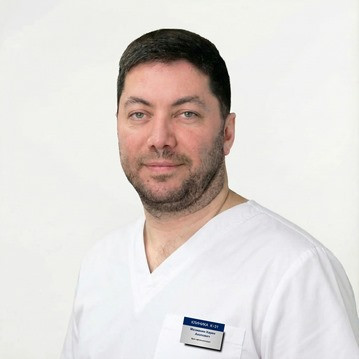
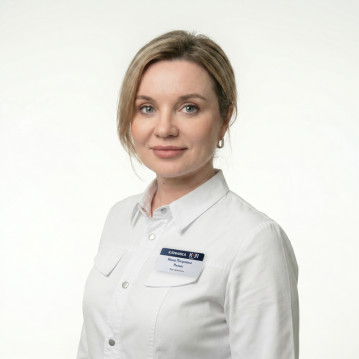
Our doctors















This award is given to clinics with the highest ratings according to user ratings, a large number of requests from this site, and in the absence of critical violations.

This award is given to clinics with the highest ratings according to user ratings. It means that the place is known, loved, and definitely worth visiting.

The ProDoctors portal collected 500 thousand reviews, compiled a rating of doctors based on them and awarded the best. We are proud that our doctors are among those awarded.
Make an appointment at a convenient time on the nearest date
Price
Other services

Appointment to the doctor
Reviews
















Our clinics

Application “Personal Account K+31”









What is Forbis and how does the method work?
This is a specialized hardware and software system designed to stimulate and train the eyes. It affects the visual system using specific light and color stimuli.
It is important to understand that hardware treatment in ophthalmology does not replace glasses or surgery. It acts as a powerful training device, helping to consolidate the results of the primary therapy.
How hardware treatment works
The system works by separating the visual fields for each eye. The patient's brain relearns how to merge two different images into a single, coherent picture. This stimulation stimulates lazy muscles and neural connections to work more actively.
This is why hardware vision therapy produces a lasting functional response with regular use.
What visual functions does Forbis train?
Accommodation—the eye's ability to see clearly at different distances—is primarily stimulated. The device also actively engages the reserves responsible for proper ocular alignment.
Gradual binocular vision training teaches the brain to perceive volume and depth. All of this contributes to a smooth process aimed at restoring visual functions without unnecessary stress.