
Ocular Accommodation: What It Is, Spasms, and Focusing
After several hours at the computer, text begins to blur, eyes become tired faster than usual, and shifting your gaze from the screen to a distant object becomes more difficult. Many people dismiss these symptoms as simple fatigue. In fact, such complaints may be related to the mechanism responsible for eye accommodation.
At the K31 Clinic, we regularly encounter similar conditions in schoolchildren, students, and adult patients. Therefore, if symptoms recur, it is important not only to rest your eyes, but also to undergo an examination and determine the cause of the problem.

specialists

equipment

treatment






What is accommodation and why is it needed?
Ocular accommodation is the ability of the visual system to quickly change the optical power of the eye to clearly perceive objects at different distances.
How the Eye Focuses at Near and Far Distances
The main function of the accommodative apparatus is to ensure precise focusing of vision, regardless of the distance to the object.
When a person looks into the distance, the eye is in a relatively relaxed state. When the gaze shifts to a nearby object, the optical system must quickly readjust. Only then will the image remain sharp.
When this mechanism is impaired, difficulty perceiving text, numbers, and fine details arises. This is why many patients notice blurred vision after straining.
The Role of the Crystalline Lens and the Ciliary Muscle
The crystalline lens and the ciliary muscle are involved in the process of accommodation.
The ciliary muscle alters the tension of the special ligaments that hold the lens in place. In response, the shape of the eye's optic lens changes. When viewing an object up close, the lens becomes more convex.
If the ciliary muscle remains tense for a long time, the mechanism may function less effectively.
Why Accommodation is Important for Study, Work, and Everyday Life
Today, a significant portion of information is perceived from computer, tablet, and smartphone screens. High visual strain accompanies study, office work, and even leisure.
When the accommodative apparatus is functioning normally, a person does not notice the process of switching between different distances. However, if accommodation is impaired, reading difficulties arise, productivity decreases, and visual comfort deteriorates.
Main causes and risk factors
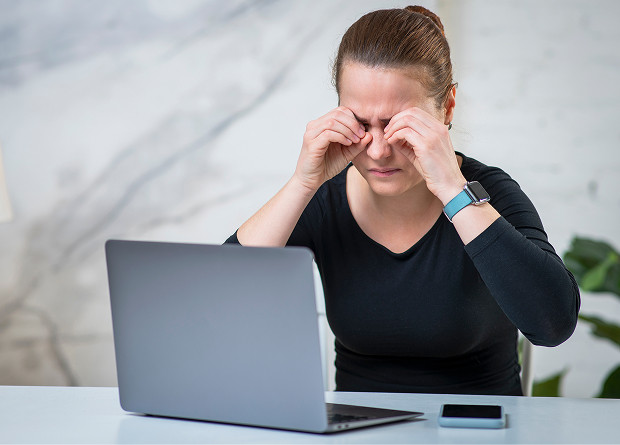
In some cases, changes are related to lifestyle, while in others, they are related to vision characteristics or age-related changes.
Prolonged use of a computer or smartphone
The most common risk factor remains prolonged visual strain at close range.
When a person stares at a screen for many hours without breaks, the eye constantly operates in the same mode. Overexertion gradually develops, eye fatigue increases, and then accommodation spasm may occur.
Inappropriate Vision Correction
If glasses or contact lenses are incorrectly chosen, the load on the accommodative apparatus increases.

As a result, symptoms of visual discomfort appear, asthenopia develops more quickly, and accommodation disorder may occur.
Therefore, any correction should be selected after a comprehensive vision diagnosis.
Nearsightedness, Farsightedness, and Other Associated Impairments
Additional risk factors include nearsightedness, farsightedness, refractive changes, and age-related characteristics of the visual system.
After 40–45 years of age, many people develop presbyopia. This condition is associated with a decrease in the eye's ability to focus at close range.
The functioning of the accommodative apparatus can also be affected by impaired binocular vision and other ophthalmological problems.
General information
When to see an ophthalmologist
Accommodation problems are not always accompanied by significant vision loss. Therefore, it is important to pay attention to even relatively mild symptoms.
Symptoms that should not be ignored
Reasons to consult an ophthalmologist may include:
- Text becomes blurry after reading
- Eyes quickly tire at the computer
- Having to squint to see clearly
- Headaches appear after visual strain
- Difficulty shifting your gaze from near to far
If such symptoms recur regularly, it is worth having an accommodation test.
Why home self-monitoring is not enough
It is impossible to independently determine the cause of the complaints. The same symptoms can occur with accommodation disorders, refractive errors, and other eye diseases.
When is an urgent in-person diagnosis required?
If vision deterioration occurs suddenly, or pain, double vision, flashes of light, or severe discomfort occurs, an in-person consultation with a specialist is necessary.

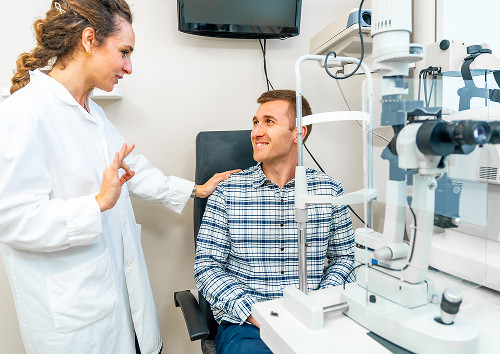



Accurate diagnosis without unnecessary prescriptions
We conduct examinations based on the indications and explain the results in simple language. Patients understand why symptoms have appeared and what steps are needed next.
Clear explanations and a personalized plan
After the examination, the ophthalmologist explains the findings in detail and provides personalized recommendations.
A caring approach for children and adults
At the K31 clinic, both adults and school-age children undergo examinations. We strive to make the diagnostic process comfortable and understandable for each patient.
Frequently Asked Questions
What is ocular accommodation in simple terms?
How can you tell if accommodation is impaired?
Can accommodation be restored?
When should you see an ophthalmologist?
Conclusion

Ocular accommodation plays a vital role in everyday life. Comfort during reading, studying, working, and using digital devices depends on its proper functioning. If accommodation problems arise, don't rely solely on rest or universal online remedies.
At the K31 Clinic, we perform comprehensive diagnostics, perform accommodation diagnostics, assess the causes of complaints, and provide personalized recommendations. If you are concerned about eye strain, decreased vision, or signs that may indicate accommodation spasm, schedule a consultation. A timely examination helps maintain visual comfort and prevent further progression of the disorder.
References
- https://cr.minzdrav.gov.ru/ — Clinical guidelines of the Russian Ministry of Health
- https://www.rmj.ru/ — Russian Medical Journal
- https://eyepress.ru/ — Ophthalmology portal
- https://www.mediasphera.ru/ — Scientific medical publications
- https://cyberleninka.ru/ — scientific articles on accommodation
Our doctors





















This award is given to clinics with the highest ratings according to user ratings, a large number of requests from this site, and in the absence of critical violations.

This award is given to clinics with the highest ratings according to user ratings. It means that the place is known, loved, and definitely worth visiting.

The ProDoctors portal collected 500 thousand reviews, compiled a rating of doctors based on them and awarded the best. We are proud that our doctors are among those awarded.
Make an appointment at a convenient time on the nearest date
Price
Other services

Appointment to the doctor
Reviews















Our clinics


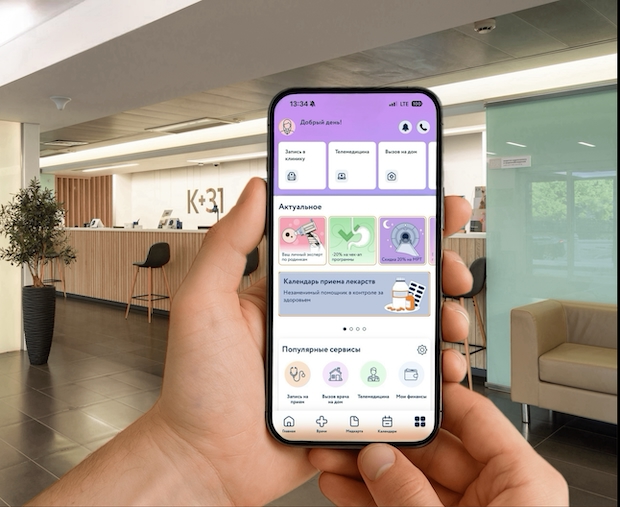
Application “Personal Account K+31”











Signs of accommodation disorder
Symptoms can develop gradually. Many patients become accustomed to them and seek help only months after the initial complaints.
Fatigue, Burning, and Eye Strain
One of the most common symptoms is eye fatigue. Patients describe a feeling of heaviness, burning, and strain after reading or working at a screen.
Blurred Vision, Near or Far
Blurred vision is another common symptom. Some patients have difficulty viewing text up close. Others complain of blurred distance vision after several hours of computer work.
Headaches, decreased concentration, and fatigue
Accommodation disorders often accompany headaches, decreased attention, and fatigue.
Some patients report difficulty concentrating on tasks after a long workday.
This is a common manifestation of computer vision syndrome, which develops with prolonged use of digital devices.