Refraction Determination

Decreased visual clarity isn't always due to fatigue or age. Sometimes the cause lies in how the eye refracts light and forms an image on the retina. Refraction reveals where focusing errors occur and why a person has difficulty seeing into the distance, reading, or working on a screen.

At K+31, we perform refraction determinations, review the results during an appointment, and select a correction only after an in-person evaluation.

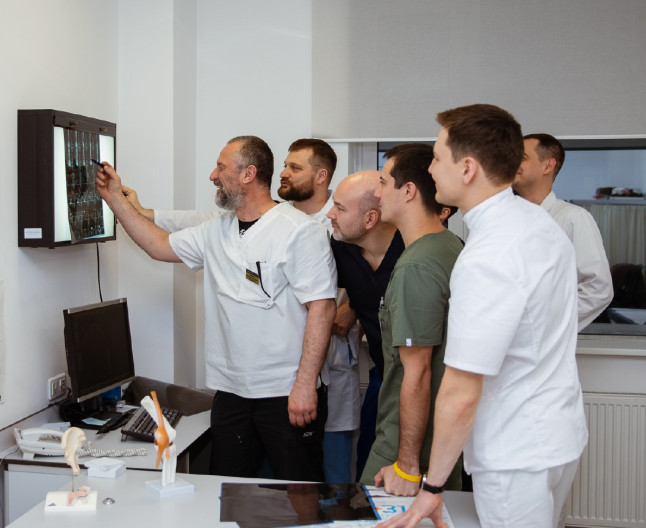
Best specialists
Best
specialists
Expert equipment
Expert
equipment
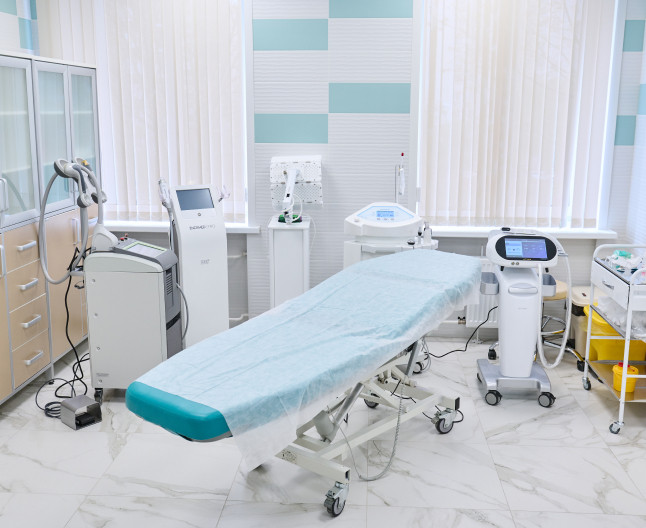
Advanced diagnostic treatment
Advanced diagnostic
treatment
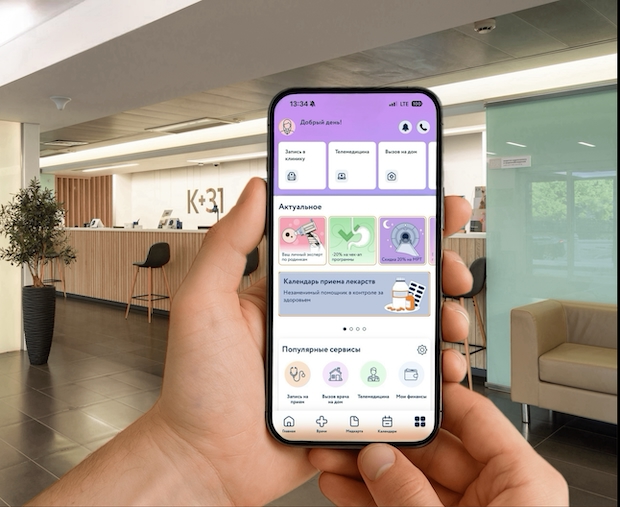
Download the application “Personal Account K+31”
Everything about your health in one click!
Subscribe to social networks K+31
To keep up to date with current offers and receive useful advice about your health.

What is eye refraction and why is it important to determine it?

Refraction of the eye shows how the cornea and crystalline lens refract light. When the focus falls on the retina, a person sees clearly. When the focus shifts, blurriness occurs at a distance or near.

Determining refraction of the eye helps understand why visual acuity has changed, whether there is focusing strain, and how accommodation works.

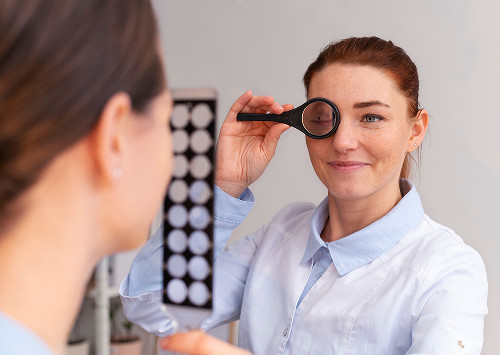
The doctor evaluates the result along with the patient's complaints, age, workload, and previous glasses or contact lenses. A refraction test is part of a normal ophthalmological examination, not a formal check before a prescription. Therefore, refraction is assessed based on the patient's condition.

What is eye refraction and why is it important to determine it?

General information

When we recommend an examination

You should schedule an appointment if you experience persistent blurring, eye fatigue, evening headaches, or difficulty reading or working on a computer. A refraction test is performed first, and then the doctor compares the findings with the physical examination.

An examination is most often necessary in the following situations:

  • Distant or near vision has worsened
  • Headaches, eye strain, or eye fatigue have developed
  • Difficulty reading, working on a computer, or driving has become more difficult
  • Glasses need to be adjusted or the current correction needs to be replaced
  • Blurring persists after visual strain

Similar complaints can have various causes. A prescription is determined after measurements and an in-person evaluation.

Complaints that should not be ignored

A scheduled appointment is appropriate for gradual changes. A sudden deterioration in vision, double vision, pain, eye injury, flashes, severe redness, or a "curtain" sensation require an immediate consultation.

These symptoms are not always associated solely with impaired focusing.

Preventive diagnostics and correction selection

It is beneficial to have regular eye exams, even without significant complaints. The doctor determines the frequency based on the patient's age, workload, chronic diseases, and any prescribed correction. The selection of lenses and glasses begins with measurements, but the doctor also clarifies how the patient sees in everyday life.

When we recommend an examination

How does a refraction test work at "K+31"?

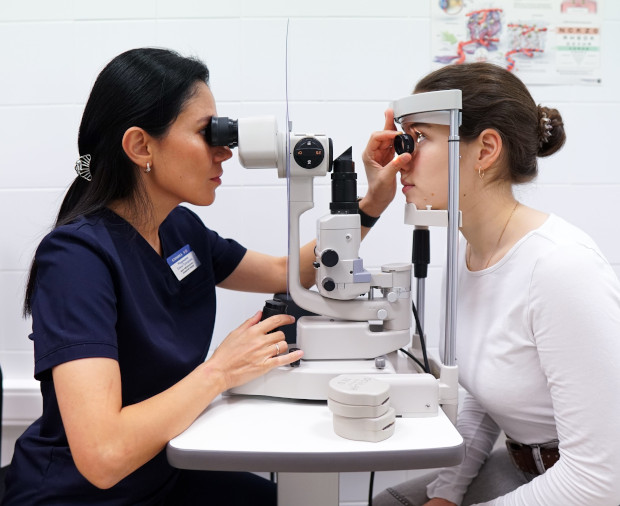
The appointment begins with your complaints and visual history. We ask about the onset of changes, including any surgeries, injuries, dryness, double vision, pain, and whether you previously wore glasses or contact lenses. The doctor then moves on to measurements. This gives the vision diagnosis a clinical meaning, rather than remaining a mere set of numbers.

Preparing for the Appointment

Complex preparation is usually not necessary. Bring your glasses, contacts, and previous prescriptions, if applicable. Contact lenses may need to be removed before the examination. If the doctor is planning to administer pupil dilation drops, they will warn you about temporary light sensitivity and blurred vision.

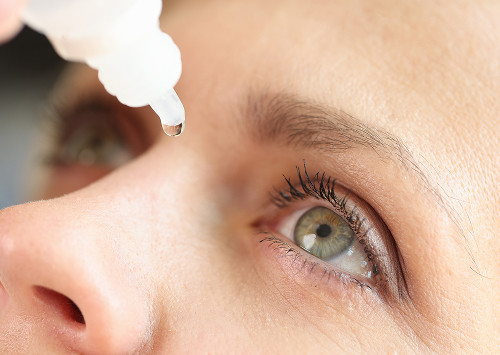
Sometimes cycloplegia—temporary relaxation of focusing with drops—is necessary. This is important in children and if hidden eye strain is suspected. While vision remains blurred after using the drops, driving is prohibited.

Examination methods: autorefractometry, skiascopy, subjective testing

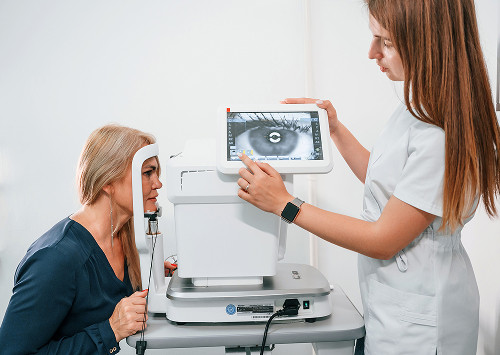
Methods are selected based on the purpose of the examination. Autorefractometry quickly provides preliminary parameters. Skiascopy helps objectively assess how the eye refracts light. Subjective testing determines the comfortable lens power.

Method What it shows Advantages When used
Autorefractometry Preliminary parameters Fast, objective At the initial appointment
Skiascopy Light refraction Clarifies data For complex cases
Subjective verification Comfortable lens power Takes into account sensations For a prescription

After objective measurements, the doctor verifies the results using charts and trial lenses. This way, the objective refraction becomes a practical recommendation, not a device printout.

What the patient receives after the diagnosis

After the examination, the doctor explains the results, identifies the detected defect, and provides recommendations. If necessary, a prescription is issued, a follow-up appointment, or a comprehensive ophthalmological examination is scheduled. The patient understands what to do next.

How does a refraction test work at "K+31"?

What vision impairments can this test detect?

A refractive error test reveals the refractive status of the eye. It allows the doctor to determine whether there is nearsightedness, farsightedness, astigmatic vision, or age-related loss of near focus. The degree of impairment, the difference between the eyes, and the tolerance of the correction are all important.

Nearsightedness

Myopia means that distant objects are less visible than close ones. A person can easily read information on a phone, but squint when looking at a sign or screen.

Properly selected vision correction helps restore clarity at the desired distance.

In children and adolescents, myopia requires monitoring. The doctor evaluates the current diopters and their progress. Rapid changes in parameters require more frequent monitoring.

Farsightedness

Hyperopia is often associated with strain when working near. Young people sometimes compensate for this for a long time by focusing. Fatigue and headaches then set in.

In children, latent hyperopia can affect visual development. Therefore, an in-person assessment is necessary.

Astigmatism and Presbyopia

Astigmatism occurs when light is refracted unequally in different meridians of the eye. The image may appear double, stretched, or blurry. Errors in power or cylinder axis significantly affect comfort, so astigmatism is measured carefully.

Presbyopia is associated with age-related decreases in near focus. People move text away, enlarge the font, and look for bright light. When combined with other disorders, the prescription may be more complex, so presbyopia requires proper diagnosis.

What vision impairments can this test detect?

Why patients choose "K+31"

Accurate measurements and the knowledge that the results have been verified by a doctor are important to patients. Refractometry is part of a comprehensive consultation, not a formal procedure before issuing a prescription. We explain why a specific correction is recommended.

Modern equipment and measurement accuracy

Modern equipment helps quickly obtain preliminary data. However, the device does not replace a doctor. Refractometry displays numerical parameters, and an ophthalmologist decides how to interpret them.

Ophthalmologists' experience

The doctor takes into account the patient's age, eye strain, eye condition, and previous prescription habits. This is important for complex prescriptions, differences in eye color, or glasses intolerance. If the data and the sensations differ, it's best to clarify the results.

Doctor's quote:

"In our practice, we always start with an objective refraction measurement and then confirm the results during the appointment. This procedure helps us obtain accurate data and select the most comfortable vision correction for the patient," says ophthalmologist at K+31.

Clear recommendations and convenient appointments

After the appointment, it's important for the patient to understand the next step. We explain whether glasses are needed permanently or only for eye strain, and when to update the prescription. If an ophthalmologist examination is required, the doctor will outline a plan.

Why patients choose "K+31"

Frequently Asked Questions

What does a refraction test reveal?

A refraction test shows how the eye refracts light. The results may indicate myopia, hyperopia, astigmatism, or presbyopia. Based on this data, the doctor decides whether correction is necessary.

Do I need to prepare for the test?

Not usually any special preparation is needed. Bring your current glasses, contacts, and prescription. After using dilating drops, near vision may temporarily become blurry.

How is a refraction test different from a visual acuity test?

When assessing visual acuity, the doctor sees how clearly a person can distinguish symbols on a chart. A refraction test helps understand the cause of the loss of clarity and select a correction. The doctor evaluates the measurements, complaints, and reaction to trial lenses.

How often should this test be performed?

The frequency depends on age, complaints, and eye strain. If the patient is stable, a routine checkup is sufficient; sometimes a repeat refraction test is necessary. If there is a sudden deterioration in vision, pain, double vision, or injury, the scheduled appointment should not be followed.

Why it's important not to delay diagnosis and not to choose glasses on your own
Why it's important not to delay diagnosis and not to choose glasses on your own

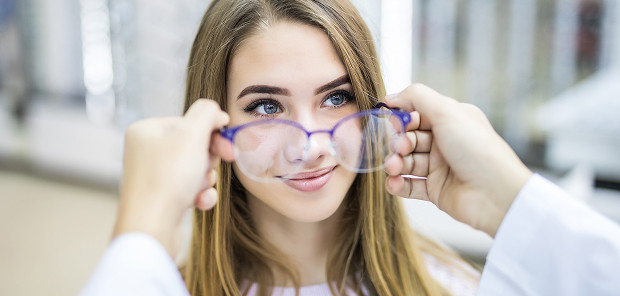
Off-the-shelf glasses or an old prescription may temporarily provide a sense of clarity. However, they don't reveal the cause of the changes, the differences between the eyes, or the extent of the problem. Self-selecting glasses often results in fatigue, headaches, or a quick rejection of the correction.

A refraction test with a doctor helps assess more than just the diopters. The specialist assesses how the eye tolerates the correction and whether there is a need for a more extensive examination. Therefore, buying glasses yourself is not a substitute for a medical diagnosis.

Sign up for a refraction test

Sign up for a refraction test

If your vision has become less clear, your eyes tire quickly, or your current glasses no longer provide comfort, it's best to have a refractometry test and an in-person evaluation with an ophthalmologist. We'll conduct an examination, explain the results, and provide further recommendations. Schedule an appointment at a time that's convenient for you.

References

  1. The Registry of Clinical Guidelines of the Ministry of Health of the Russian Federation — https://cr.minzdrav.gov.ru/
  2. The Bulletin of Ophthalmology — https://www.mediasphera.ru/journal/vestnik-oftalmologii
  3. The Russian Medical Journal, Ophthalmology Section — https://www.rmj.ru/articles/oftalmologiya/
  4. CyberLeninka, search for "eye refraction" — https://cyberleninka.ru/search?q=%D1%80%D0%B5%D1%84%D1%80%D0%B0%D0%BA%D1%86%D0%B8%D1%8F%20%D0%B3%D0%BB%D0%B0%D0%B7%D0%B0
  5. EyePress - https://eyepress.ru/

Our doctors
Batalina Larisa Vladimirovna
Experience 33 years
Make an appointment
Batalina
Larisa Vladimirovna
Deputy chief physician for ophthalmology, ophthalmic surgeon, leading specialist in laser vision correction
Amiryan Anush Gamletovna
Experience 28 years
Make an appointment
Amiryan
Anush Gamletovna
Ophthalmic oncologist surgeon
Medvedev Yulia Alexandrovna
Experience 11 years
Make an appointment
Medvedev
Yulia Alexandrovna
Ophthalmologist, Laser Surgeon
Rudkovskaya Elena Mikhailovna
Experience 38 years
Make an appointment
Rudkovskaya
Elena Mikhailovna
Ophthalmologist
Tegniryadnova Ekaterina Valerievna
Experience 20 years
Make an appointment
Tegniryadnova
Ekaterina Valerievna
Ophthalmologist, laser surgeon
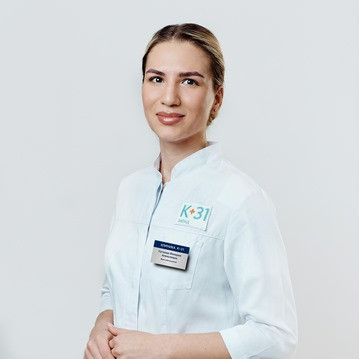
Fadeeva Victoria Anatolievna
Experience 13 years
Make an appointment
Fadeeva
Victoria Anatolievna
Doctor ophthalmologist, laser surgeon
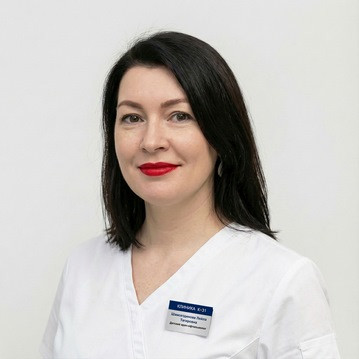
Shamsetdinova Leila Tagirovna
Experience 17 years
Make an appointment
Shamsetdinova
Leila Tagirovna
Pediatric ophthalmologist
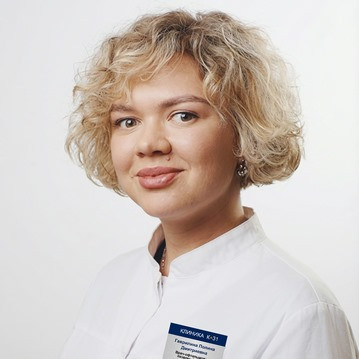
Gavrilina Polina Dmitrievna
Experience 8 years
Make an appointment
Gavrilina
Polina Dmitrievna
Ophthalmologist, laser surgeon
Kovaleva Olesya Alexandrovna
Experience 7 years
Make an appointment
Kovaleva
Olesya Alexandrovna
Ophthalmologist, laser surgeon
Sugonyaeva Olga Yurievna
Experience 26 years
Make an appointment
Sugonyaeva
Olga Yurievna
Ophthalmologist, laser surgeon
Khlunovskaya Anna Nikolaevna
Experience 8 years
Make an appointment
Khlunovskaya
Anna Nikolaevna
Ophthalmologist
Akhiyarova Azalia Azatovna
Experience 4 years
Make an appointment
Akhiyarova
Azalia Azatovna
Ophthalmologist
Putintseva Polina Andreevna
Experience 6 years
Make an appointment
Putintseva
Polina Andreevna
Ophthalmologist
Agafonova Oksana Sergeevna
Experience 21 year
Make an appointment
Agafonova
Oksana Sergeevna
Ophthalmologist, pediatric
Kazennov Alexey Nikolaevich
Experience 19 years
Make an appointment
Kazennov
Alexey Nikolaevich
Ophthalmologist, ophthalmologist-surgeon
Petrova Maria Grigorievna
Experience 14 years
Make an appointment
Petrova
Maria Grigorievna
Ophthalmologist, ophthalmic surgeon
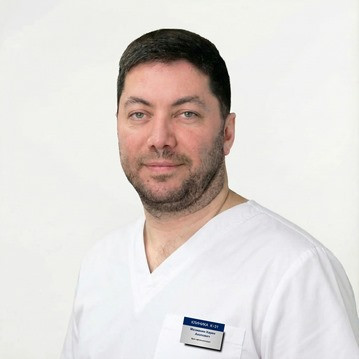
Mazmanyan Karen Akopovich
Experience 28 years
Make an appointment
Mazmanyan
Karen Akopovich
Ophthalmic surgeon
Suchkova Valeria Alekseevna
Experience 6 years
Make an appointment
Suchkova
Valeria Alekseevna
Ophthalmologist
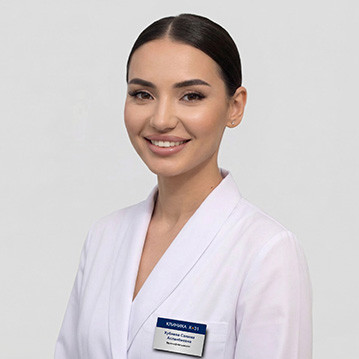
Khubieva Salima Aslanbievna
Experience 7 years
Make an appointment
Khubieva
Salima Aslanbievna
Ophthalmologist, laser surgeon
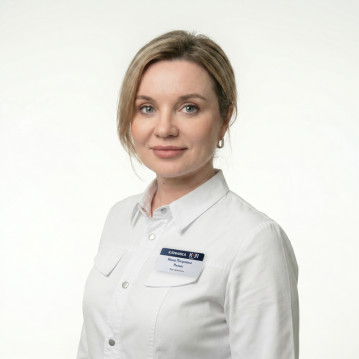
Rytik Nina Petrovna
Experience 15 years
Make an appointment
Rytik
Nina Petrovna
Ophthalmologist
All specialists
2GIS Award
2GIS Award

This award is given to clinics with the highest ratings according to user ratings, a large number of requests from this site, and in the absence of critical violations.

«Good place» according to Yandex

This award is given to clinics with the highest ratings according to user ratings. It means that the place is known, loved, and definitely worth visiting.

Our doctors are laureates of the ProDoctors Award

The ProDoctors portal collected 500 thousand reviews, compiled a rating of doctors based on them and awarded the best. We are proud that our doctors are among those awarded.

Make an appointment at a convenient time on the nearest date

Price

Reception
Price
Initial Ophthalmologist Appointment
from 6 450 ₽
Corneal Collagen Crosslinking with Ultraviolet Irradiation
from 52 500 ₽
Femtosecond Laser-Assisted Intrastromal Segment Implantation
from 200 000 ₽

Appointment to the doctor

Fill out the form, our managers will contact you within 15 minutes

Reviews

A great doctor, explained everything, checked everything. I highly recommend a high-level specialist.
13.06.2026
Matvey S.
Everything is fine, thanks again.
09.06.2026
Vladimir S.
A great doctor!!!
03.06.2026
Darya N.
We are patients of the clinic aged K+31, 89 and 85. The YUI clinic recommended cataract surgery. Of course, unrest and fears began. Everything started well and correctly with a call to Diana, the manager of the ophthalmology department. In a soft, calm voice, Diana explained everything clearly and provided real help and support when arranging medical services. Diana's attention and, one might say, her care have been very supportive. Diana made an appointment for YUI with a very good doctor Petrova Maria Grigoryevna. We are grateful to Diana for this attitude and her clear work!
01.06.2026
Yuriy B.
Tegniryadnova is an excellent doctor, we have done a lot of research, but the clinic is cold and uncomfortable
27.05.2026
Yu. Mir.
Excellent doctor Podshchekoldina E.N., Tegniryadnova E.V. the best ophthalmologist
It helped a lot with the eye! The dog implicitly touched the cornea, everything was done quickly and after a day the redness and swelling went away
21.05.2026
Anush D.
The best ophthalmology appointment of my life! He is very pleasant, polite and, importantly, a competent specialist. We conducted an inspection on various equipment, gave recommendations) I'm incredibly pleased, thank you!
19.05.2026
Elena T.
A wonderful, sensitive, very competent specialist, I was very pleased with the visit.
14.05.2026
Yuliya T.
Почему К+31?
К + 31 — full-cycle multidisciplinary medical centers, including the possibility of providing medical services of European quality level.
К + 31 — are leading doctors and diagnostics using high-tech equipment from world manufacturers (Karl Storz, Olympus, Siemens, Toshiba, Bausch&Lomb, Technolas, Zeiss, Topcon).
К + 31 — is ethical. The staff of K+31 clinics maintain open relationships with patients and partners. An individual approach to each patient is the basis of our service standards.
К + 31 — is modernity. On call 24/7: call center operators will answer your questions at any time and book you an appointment with doctors. Contact us by phone, through the feedback form on the website and Max.

Our clinics

Address K+31 Lobachevskogo 2

st. Lobachevskogo, 42/7

Contacts

+7 499 999-31-31

Opening hours

Mon-Fri: 08:00 – 21:00
Weekend: 09:00 – 19:00

Address K+31 on Lobachevskogo

st. Lobachevskogo, 42/4

Contacts

+7 499 999-31-31

Opening hours

Mon-Fri: 08:00 – 21:00
Weekend: 09:00 – 19:00

Address K+31 Petrovskie Vorota

1st Kolobovsky pereulok, 4

Contacts

+7 499 999-31-31

Opening hours

Mon-Fri: 08:00 – 21:00
Sat-Sun: 09:00 – 19:00

Address K+31 West

Orshanskaya, 16/2; Ak. Pavlova, 22

Contacts

+7 499 999-31-31

Opening hours

Mon-Fri: 08:00 – 21:00
Sat-Sun: 09:00 – 18:00
K+31 on Lobachevskogo
Didn't find the service you were looking for?

Экстренная помощь