
Crystalline Lens Extraction in Moscow: Removal of the Crystalline Lens and IOL Installation
When vision begins to deteriorate due to lens clouding, glasses and drops no longer always help maintain a normal quality of life. It becomes more difficult for a person to read, work on a computer, drive, and navigate in low light. In such situations, a doctor may recommend crystalline lens extraction in Moscow as one of the most effective treatment options.
At the K31 Clinic, we consider each case individually. The decision on surgical treatment is made only after an examination, an assessment of the eye's condition, and a discussion of possible correction options with the patient.

specialists

equipment

treatment






When is lens removal surgery necessary?
Cataracts and Lens Opacities
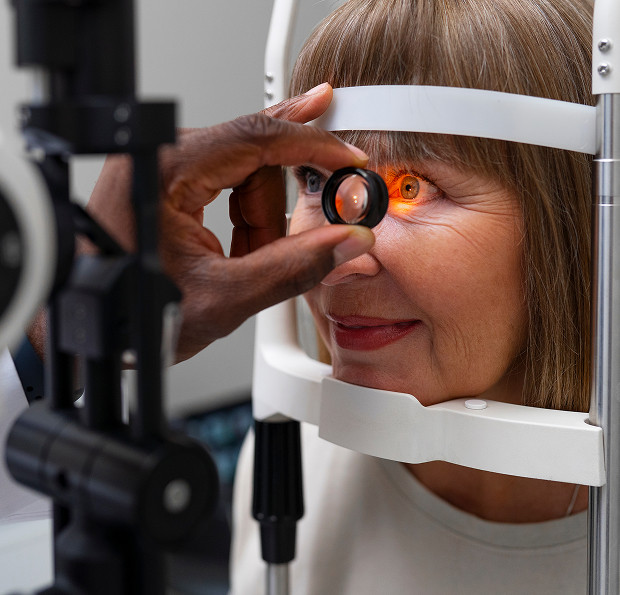
Lens removal surgery is most often performed on patients diagnosed with cataracts. As the disease progresses, vision becomes less clear, contrast decreases, and difficulty reading and working with fine details arises.
If the disease begins to interfere with daily life, the doctor may recommend surgical treatment.
Lens Injuries, Subluxation, and Dislocation
Cataracts are not the only cause for surgery. Sometimes surgery is necessary after an eye injury, subluxation, or complete displacement of the lens.
In such cases, lens removal helps eliminate the source of the problem and restore the eye's optical system.
When Observation Is No Longer Enough
In the early stages, the doctor may recommend regular examinations. However, if visual acuity continues to decline and the disease progresses, observation is no longer an effective tactic.
This is when surgery to remove the crystalline lens and replace the natural lens is considered.
What are the treatment options for lens opacity?
The tactics depend on the severity of the changes and the impact of the disease on the patient's quality of life.
When observation alone is sufficient
If cataracts are in their early stages and do not cause serious complaints, the doctor may recommend observation.
The patient undergoes regular examinations to assess changes in vision and the rate of disease progression.
When is IOL surgery necessary?
If vision loss becomes noticeable and clouding affects normal activities, the optimal treatment option is cataract surgery and IOL placement.
After the natural lens is removed, its function is taken over by an intraocular lens, which is individually selected.
Methods for Helping with Cataract Clouding
| Method | When Suitable | What It Provides | Limitations |
|---|---|---|---|
| Observation | Early Stages of the Disease | Monitoring the Condition | Does Not Stop the Development of Cataracts |
| Removal of the Cataract | Significant Decreased Vision | Opacification Elimination | Surgical Treatment Required |
| IOL Placement After Removal | Post-Surgery | Focus Restoration | Precise Parameter Selection Required |
General information
How we conduct diagnostics before surgery
Before recommending an intervention, it is necessary to obtain complete information about the state of the visual system.
Ophthalmologist examination and basic tests
Preparation begins with a detailed examination.
What is included in preparation for surgery:
- Ophthalmologist consultation
- Visual acuity test
- Intraocular pressure measurement
- Fundus examination
- Instrumental diagnostics
- Lens selection
This vision diagnostic helps determine the indications for surgery and evaluate the possible treatment outcome.
Instrumental diagnostics and selection of treatment tactics
We assess the condition of the cornea, retina, and other structures of the eye. Based on the data obtained, an intraocular lens is selected and the optimal treatment plan is determined.
"We always explain to the patient that lens extraction is not simply the removal of a clouded structure, but a comprehensive step toward restoring vision. Our goal is to choose a safe approach, conduct diagnostics, and support the patient at every stage."





Symptoms You Shouldn't Ignore
You should schedule an eye exam if you experience the following:
- Gradual vision loss
- Feeling of fog before your eyes
- Vision loss in the evening
- Double vision
- Glare from light sources
If you experience pain, a sudden decrease in vision, flashes of light, or severe discomfort, an urgent eye examination is necessary. Do not try to prescribe eye drops yourself or delay your appointment.
Frequently Asked Questions
What is cataract surgery and when is it needed?
How is cataract surgery performed?
How quickly can I recover from cataract surgery?
How safe is cataract surgery?
References
- Category of Clinical Guidelines of the Ministry of Health of the Russian Federation — https://cr.minzdrav.gov.ru/
- Ministry of Health of the Russian Federation — https://minzdrav.gov.ru/
- MNTK "Microsurgery of the Eye" — https://www.mntk.ru/
- Russian Medical Journal, Ophthalmology — https://www.rmj.ru/articles/oftalmologiya/
- Ophthalmology Bulletin — https://www.mediasphera.ru/journals/vestnik-oftalmologii
- Ophthalmology Portal — https://eyepress.ru/
- Federal Electronic Medical Library — https://www.femb.ru/
Our doctors





















This award is given to clinics with the highest ratings according to user ratings, a large number of requests from this site, and in the absence of critical violations.

This award is given to clinics with the highest ratings according to user ratings. It means that the place is known, loved, and definitely worth visiting.

The ProDoctors portal collected 500 thousand reviews, compiled a rating of doctors based on them and awarded the best. We are proud that our doctors are among those awarded.
Make an appointment at a convenient time on the nearest date
Price
Other services

Appointment to the doctor
Reviews







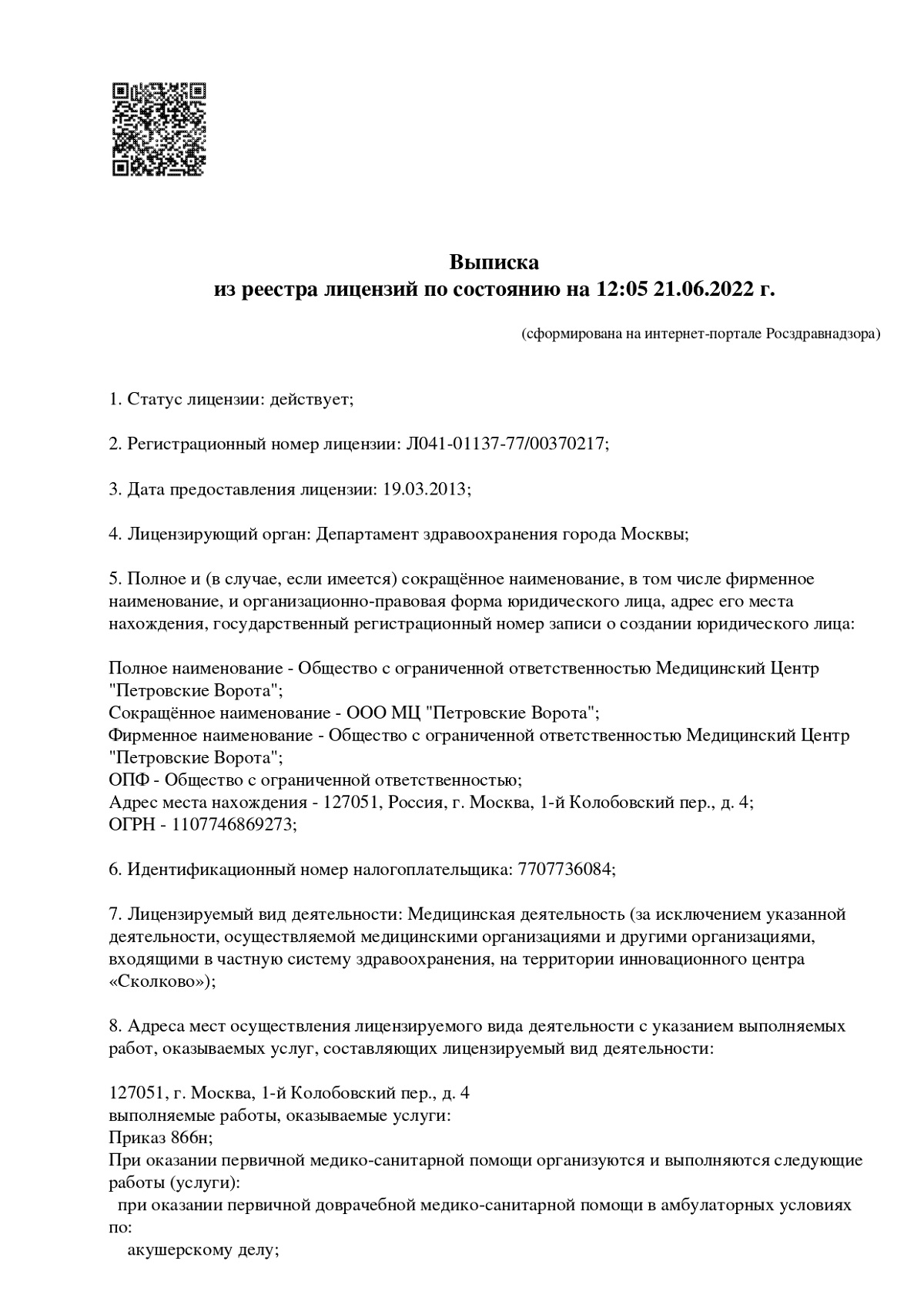
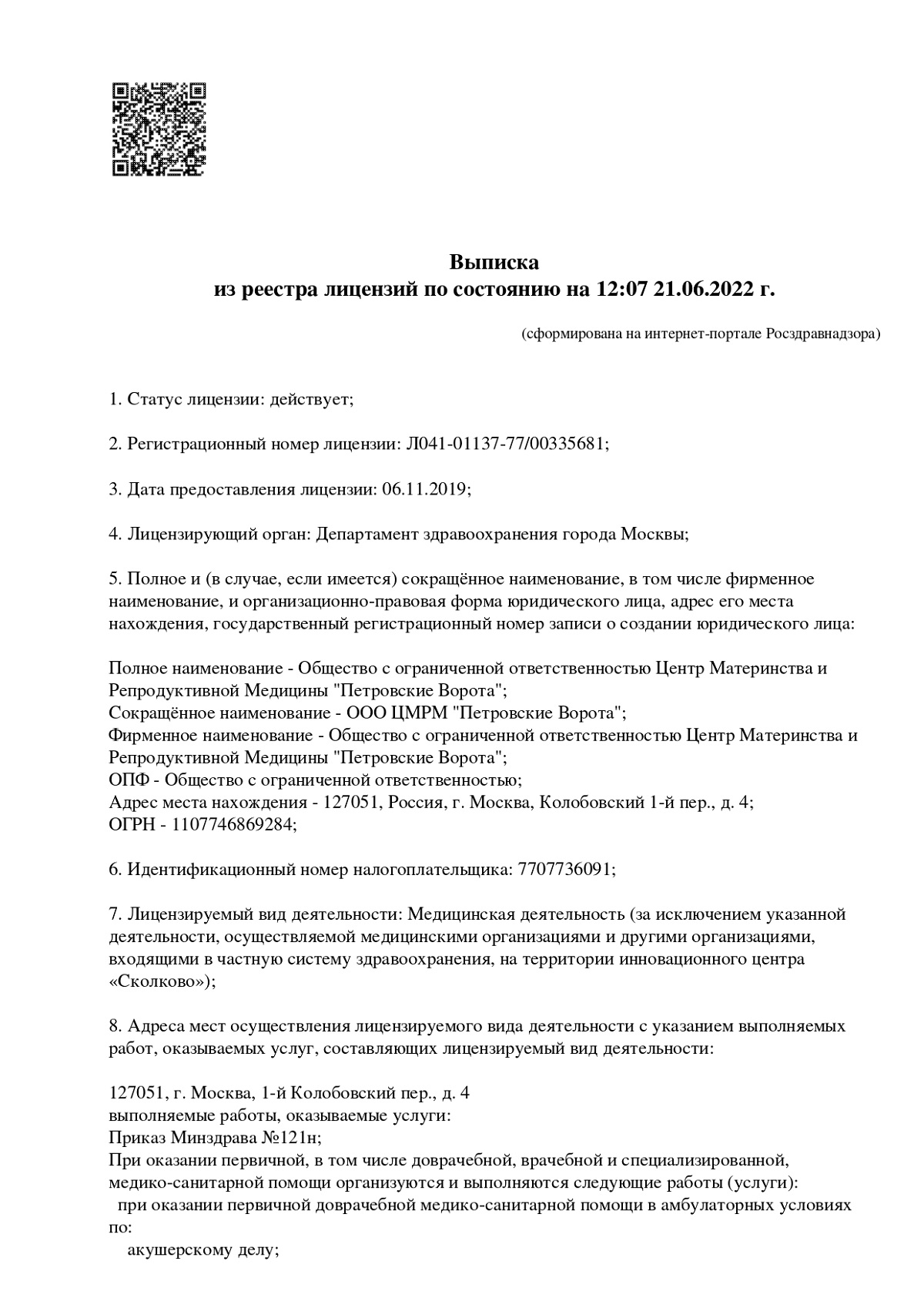



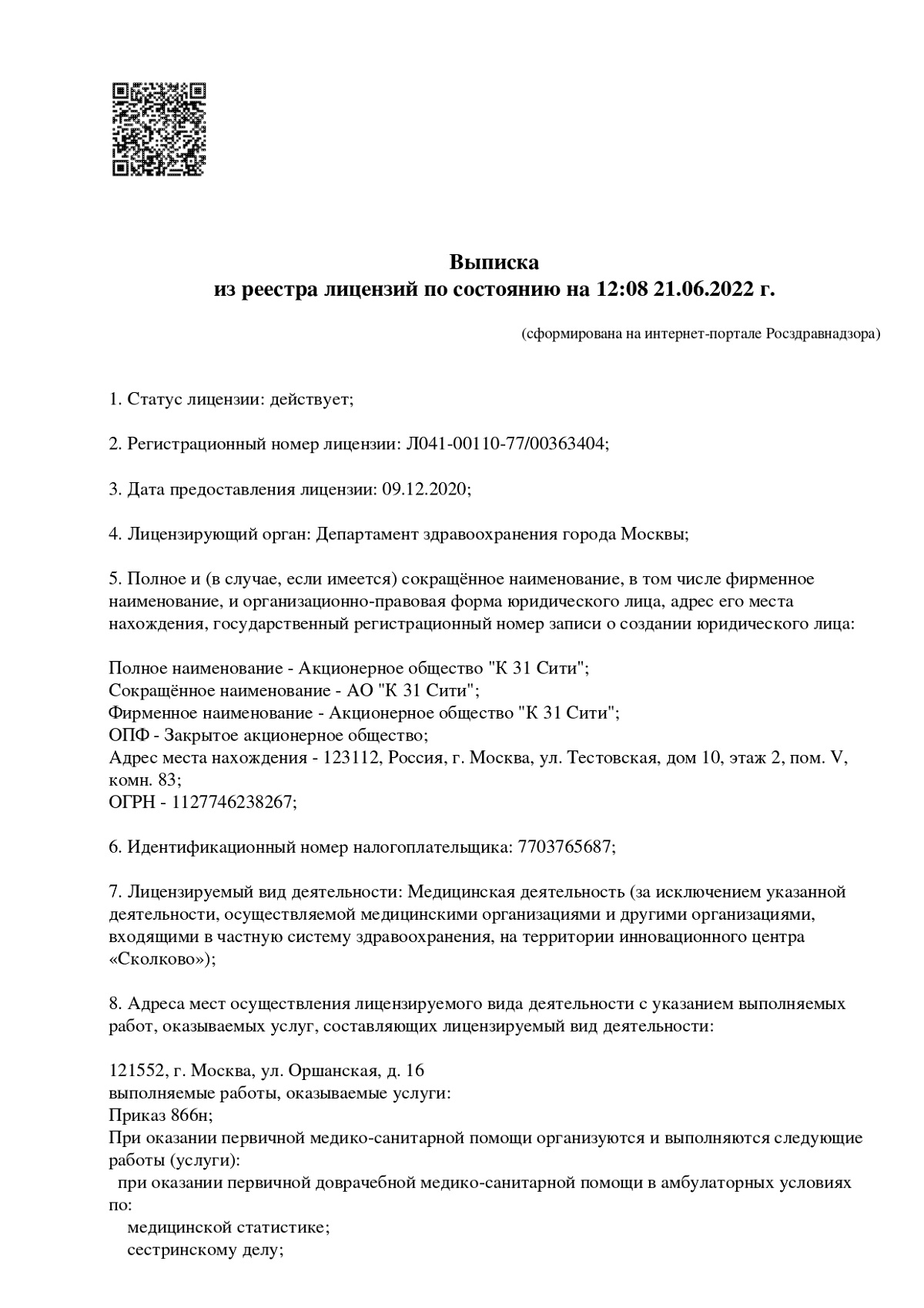
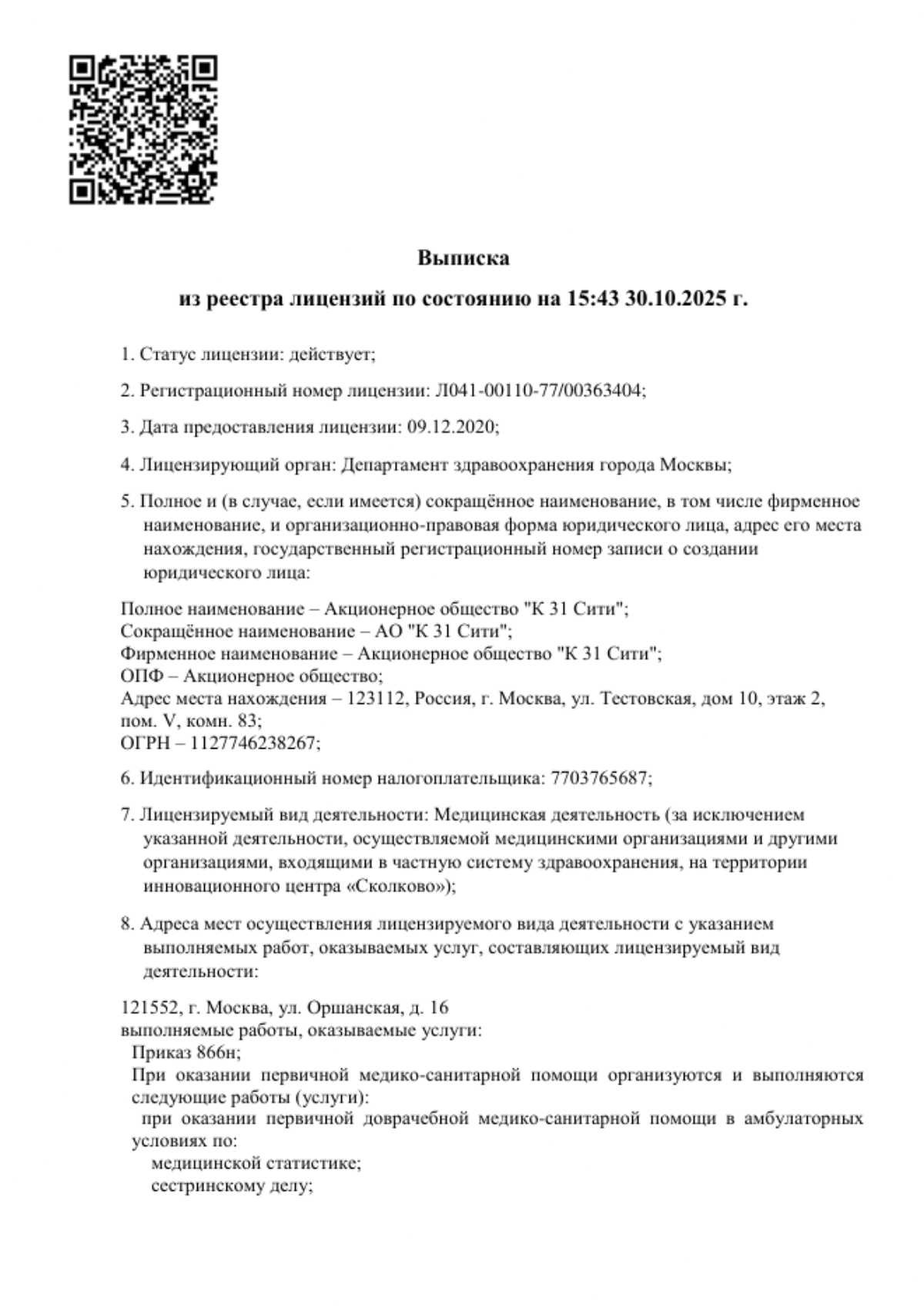




Our clinics


Application “Personal Account K+31”












What is lens extraction?
Lens extraction is a surgical procedure in which the natural lens is removed and replaced with an artificial one. This procedure eliminates cataracts and restores light transmission to the retina.
When is the procedure necessary?
Cataracts remain the most common reason for surgery. With this condition, the lens gradually loses its transparency, and vision deteriorates.
Trauma, lens displacement, and other conditions that cause the eye's natural optical system to stop functioning properly may also be indications for the procedure.
How does extraction differ from other treatment options?
With severe lens opacity, medications are unable to restore transparency. In such cases, removing the lens can eliminate the cause of vision loss.
Modern ophthalmology emphasizes accurate diagnosis and timely selection of surgical tactics, rather than attempting to stop the disease with drops or folk remedies.