
Ортокератология (ночные линзы): коррекция зрения без очков днем
Ортокератология дает возможность хорошо видеть днем без очков и привычной дневной коррекции. Человек надевает специальные ночные линзы на время сна. Утром снимает их. После весь день обходится без них. Метод чаще выбирают при близорукости. И особенно если важны спорт, учеба и активный ритм.

специалисты

оборудование

лечения






Кому подходит ортокератология

Метод рассматривают не для всех подряд, а по показаниям и после обследования. Чаще всего он помогает при близорукости слабой и средней степени. Подходит он или нет, врач решает по данным диагностики. Разберем, кому он особенно удобен.
Ортокератология при миопии и близорукости
Основное показание – миопия, при которой человек плохо видит вдаль. Ночная коррекция дает четкое зрение днем. И при этом помогает сдерживать прогрессирование близорукости. Степень, при которой метод эффективен, определяет врач по результатам обследования.
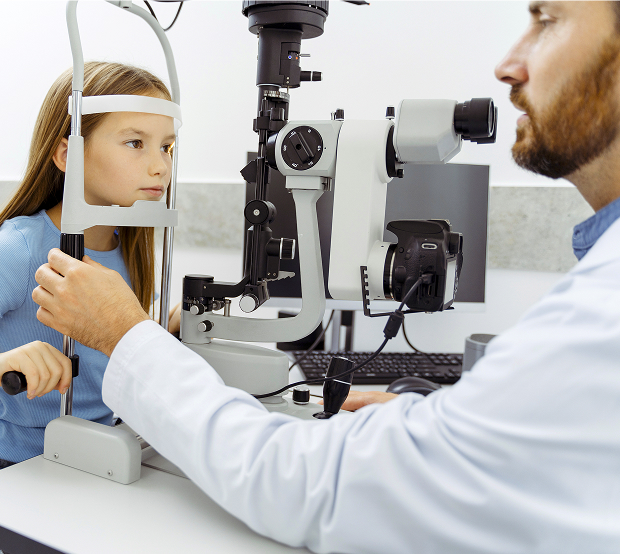
Ночные линзы для детей и подростков
У детей близорукость нередко растет год за годом, и это отдельная проблема. Контроль прогрессирования миопии – одна из причин, по которой метод выбирают именно в детском возрасте. Детская миопия под наблюдением врача часто стабилизируется, а ребенок днем живет без очков.
Важно понимать, что подход требует дисциплины. Ребенок и родители должны соблюдать правила ухода и приходить на контрольные осмотры в назначенные сроки. При таком условии метод работает предсказуемо и безопасно.
Когда метод особенно удобен взрослым
Взрослые выбирают ортокератологические линзы, когда очки и дневная коррекция мешают работе или хобби. Это актуально для спортсменов, людей в запыленных условиях и тех, кто много времени проводит за рулем. Днем зрение четкое, а вечером ночную коррекцию снова надевают перед сном.
Метод ценят и те, кто работает за экраном и к вечеру чувствует сухость глаз от обычной дневной коррекции. Здесь нагрузка с дневного времени снимается. Это делает день комфортнее без отказа от четкого зрения.
Как проходит подбор в нашем центре
Подбор ночных линз мы проводим поэтапно, чтобы учесть особенности глаз каждого пациента. Сначала перечислим этапы, а затем разберем их подробнее:
- Первичная консультация
- Диагностика зрения и роговицы
- Расчет и подбор параметров
- Обучение уходу и ношению
- Контроль результата и адаптации
Такой маршрут помогает подобрать коррекцию точно и предсказуемо. Ниже – что входит в каждый шаг.

- Комплексная диагностика зрения и роговицы На приеме мы проверяем остроту зрения и подробно изучаем роговицу. Для этого используют кератотопографию – карту поверхности роговицы, а также оценивают состояние слезной пленки. Эти данные показывают, подходит ли метод и каким будет результат.
- Индивидуальный расчет параметров По результатам обследования врач делает индивидуальный подбор и рассчитывает параметры под конкретный глаз. Стандартных решений здесь нет: форма роговицы у всех разная. От точности расчета зависит и четкость зрения, и комфорт ношения.
- Обучение уходу и правилам ношения Перед выдачей мы показываем, как надевать, снимать и хранить линзы. Объясняем режим ношения и правила гигиены, без которых растет риск осложнений. Пациент уходит с пониманием, что делать каждый вечер и утро.
- Контроль адаптации и наблюдение после подбора Первые ночи – это период адаптации, когда глаз привыкает к новой коррекции. Мы назначаем контрольные осмотры, чтобы проверить результат и состояние роговицы. При необходимости параметры корректируют для лучшего эффекта.
Преимущества ортокератологии
У метода есть несколько практических плюсов, которые ценят и взрослые, и родители детей. Они касаются и зрения, и удобства в быту. Разберем главные по отдельности.
Зрение днем без очков и линз
Главное преимущество – четкое зрение в течение дня без дополнительных аксессуаров. Не нужно носить очки и поправлять дневную коррекцию. Это удобно на работе, в поездках и при любой активности.
Контроль прогрессирования миопии
У детей и подростков метод помогает замедлить рост близорукости. Это важно, потому что высокая миопия повышает риск проблем с сетчаткой в будущем. Поэтому ночную коррекцию рассматривают и как удобство, и как способ снизить риски.
Комфорт для спорта, учебы и активной жизни
Без очков и дневной коррекции проще заниматься спортом, плавать и проводить время на улице. Ничего не запотевает, не выпадает и не пересыхает к вечеру. Для активных людей и школьников это заметное облегчение.
Сравнение с другими способами коррекции зрения
| Критерий | Ортокератология | Очки | Мягкие контактные линзы | Лазерная коррекция |
|---|---|---|---|---|
| Видимость днем | Без аксессуаров | В очках | В дневной коррекции | Без аксессуаров |
| Нужен ли дневной аксессуар | Нет | Да | Да | Нет |
| Обратимость метода | Да | Да | Да | Нет |
| Удобство для спорта | Высокое | Среднее | Высокое | Высокое |
| Требования к уходу | Ежедневный уход | Минимальные | Ежедневный уход | Нет после заживления |
| Возрастные ограничения | Подходит детям | Любой возраст | Чаще с подросткового | Обычно с 18 лет |
Ортокератология и очки
Очки просты и безопасны, но днем они всегда на лице и ограничивают боковой обзор. Ночная коррекция освобождает день полностью. При этом очки остаются запасным вариантом, если метод по каким-то причинам не подходит.
Ортокератология и мягкие контактные линзы
Мягкие контактные линзы удобны, но их носят весь день, и к вечеру глаза часто устают и сохнут. Ночной метод снимает эту нагрузку с дневного времени. Выбор между ними зависит от образа жизни и состояния глаз.
Ортокератология и лазерная коррекция
Лазерная коррекция дает стойкий результат, но это необратимое вмешательство и подходит обычно с 18 лет. Ночной метод обратим: если прекратить ношение, роговица вернется к исходной форме. Для детей и подростков это важное отличие.
Мы всегда начинаем с полной диагностики роговицы и зрения: только так можно безопасно и точно подобрать ночные линзы. Для пациента это означает предсказуемый результат, комфорт днем и понятный план наблюдения. – врач-офтальмолог
Общая информация
Безопасность, противопоказания и уход
Метод считается безопасным, когда коррекция подобрана врачом, а пациент соблюдает правила. При этом есть состояния, при которых ношение откладывают или отменяют. Разберем, что считать нормой, а когда нужна помощь.
Какие ощущения допустимы в период адаптации
В первые ночи возможно легкое чувство инородного тела, которое проходит за несколько дней. Утром зрение обычно уже четкое, но иногда стабилизируется не сразу. Это часть привыкания, и врач предупреждает о таких ощущениях заранее.
Если же дискомфорт усиливается день ото дня, это уже повод показаться специалисту. В норме привыкание идет на спад и со временем проходит. Поэтому за своими ощущениями в первую неделю стоит наблюдать внимательно.
Когда нужна консультация врача
Если появились боль, выраженное покраснение, светобоязнь или резкое ухудшение зрения, коррекцию нужно снять и обратиться к врачу. Это касается и ситуаций, когда дискомфорт не проходит за обычный срок адаптации. Лучше показаться офтальмологу, чем ждать.
Как сохранить здоровье роговицы
Главное – ежедневная гигиена линз и чистые руки при надевании. Их хранят в свежем растворе и меняют по графику, который дал врач. Важна и стабильная слезная пленка, поэтому при сильной сухости глаз метод подбирают осторожно.

Частые вопросы об ортокератологии
Как долго носить ночные линзы?
Можно ли использовать метод детям?
Нужен ли особый уход?
Можно ли днем обходиться без очков после ночных линз?
Когда заметен результат?
Как начать подбор ортокератологии
Начать проще, чем кажется: достаточно прийти на консультацию и диагностику. Дальше расскажем, что будет на первом приеме и как к нему подготовиться.
Что будет на первом приеме
Врач проверит зрение, изучит роговицу и оценит, подходит ли вам метод. Вы получите ответ, можно ли начинать временную коррекцию зрения ночными линзами. Если все подходит, обсудим параметры и дальнейшие шаги.
Как подготовиться к консультации
Если вы носите мягкую дневную коррекцию, врач подскажет, за сколько дней до приема ее снять. Возьмите с собой прежние рецепты на очки, если они есть. Это поможет точнее оценить ситуацию и подобрать безоперационную коррекцию зрения под ваши задачи.

Минздрав РФ — клинические рекомендации и официальные материалы по офтальмологии
CyberLeninka — поиск по теме ортокератологии
CyberLeninka — поиск по теме контроля прогрессирования миопии
CyberLeninka — поиск по теме контактной коррекции и осложнений
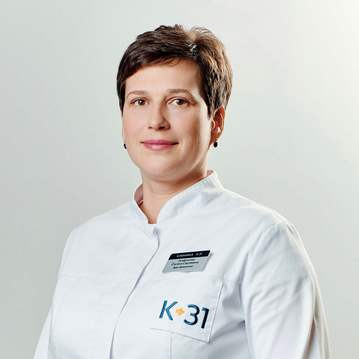
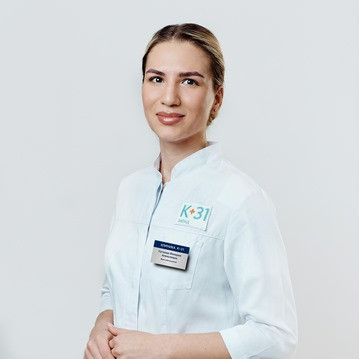
Наши врачи


















Такая награда выдаётся клиникам с самым высоким рейтингом по оценкам пользователей, большим количеством обращений с данной площадки, при отсутствии критичных нарушений.

Такая награда выдается клиникам с самым высоким рейтингом по оценкам пользователей. Она означает, что место знают, любят и сюда точно нужно зайти.

Портал ПроДокторов собрал 500 тысяч отзывов, составил по ним рейтинг врачей и наградил лучших. Гордимся, что среди награжденных есть наши врачи.
Запишитесь на прием в удобное время на ближайшую дату
Стоимость
Другие услуги

Запись к врачу
Отзывы





















Наши клиники


Приложение «Личный кабинет К+31»












Что такое ортокератология и как работают ночные линзы
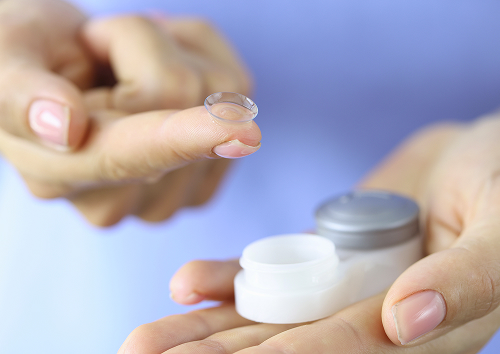
Это метод временной коррекции зрения с помощью жестких газопроницаемых линз, которые надевают только на ночь. Во сне они мягко и обратимо меняют форму роговицы – прозрачной передней оболочки глаза. Утром коррекцию снимают. Измененный профиль роговицы сохраняется в течение дня. Вечером процедуру повторяют. Так эффект поддерживается изо дня в день.
Принцип временного изменения формы роговицы
Во время сна линза перераспределяет верхний слой клеток роговицы и слегка уплощает ее центр. Из-за этого лучи света снова фокусируются на сетчатке, и зрение вдаль становится четким. Эффект держится примерно сутки, после чего роговица постепенно возвращается к исходной форме.
Именно поэтому метод называют обратимым. Ничего не удаляется и не разрезается. Если прекратить ночную коррекцию, роговица за несколько дней принимает прежний вид. Для родителей детей это часто решающий аргумент при выборе.
Чем ортокератология отличается от обычных контактных линз
Обычные контактные линзы человек носит днем, и они исправляют зрение только пока надеты. Здесь все наоборот: ОК-линзы работают ночью, а днем глаз свободен. Это удобно тем, кому мешает дневная коррекция на работе или в спорте, и кто не хочет зависеть от очков.
Есть и разница в материале: для ночного ношения используют жесткие газопроницаемые изделия, которые пропускают кислород к роговице. Поэтому глаз дышит даже во сне. Подбор и расчет таких изделий сложнее, чем у обычной дневной коррекции, и требует опыта врача.