
OCT of the Optic Nerve Head in Moscow
OCT of the optic nerve head is a modern diagnostic method that helps visualize the structure of the exit zone, assess the condition of nerve fibers, and detect changes that are not always visible during a routine examination. At our Moscow clinic, we perform the examination using modern equipment, and the results are evaluated by a doctor. Therefore, patients receive not only images and numbers but also a clear explanation of what they mean in their specific situation.

specialists

equipment

treatment






When is OCT of the optic disc prescribed?
Indications for the test
The doctor may refer the patient for OCT of the optic disc if, during the examination, changes in the nerve exit zone are suspected or if monitoring of an existing condition is required.
When a doctor may refer for examination:
- Suspected glaucoma or increased intraocular pressure
- Vision deterioration without an obvious cause
- Complaints of blurred vision, decreased clarity, or loss of image areas
- Suspected disc edema
- Signs of atrophy
- Post-treatment follow-up
- Hereditary predisposition to ophthalmological diseases
This examination of the optic nerve head is often required for more than just complaints. Sometimes the patient feels normal, but the ophthalmologist notices changes during the examination or is aware of risk factors, so they recommend further diagnostic testing.
Symptoms that require immediate diagnosis
Schedule an examination if you experience a narrowing of your visual field, blurred vision, difficulty finding your way in the dark, intermittent blurring, eye pain, a feeling of pressure, or frequent changes in glasses without consistent improvement.
Seek immediate medical attention if you experience a sudden decrease in vision, flashes of light, a cloudy vision, severe pain, severe redness, or a sudden deterioration in your overall condition.
How the study is conducted in our clinic

Preparing for OCT
The patient does not need to follow a diet, take any medications, or change their daily routine. If you wear contact lenses, remove them before the procedure to obtain a better image.
Sometimes, dilating drops are required for a complete examination, but this is not a requirement; the doctor will decide.
How the Procedure is Performed
All you need to do is fix your chin and forehead on the stand and look at the light mark. Try not to move or blink. During this time, the device performs the scan. There is no contact with the eye, so the procedure is painless and does not require anesthesia.
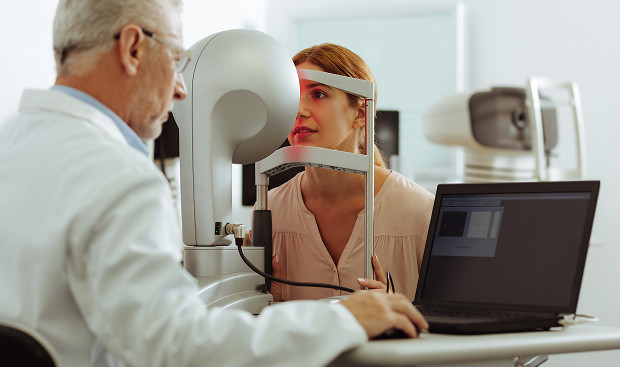
OCT of the optic disc is a quick procedure, but the quality of the result depends on proper gaze fixation, the transparency of the optical media, and the accuracy of the scan. If the image is insufficiently informative, a repeat scan is required to obtain data suitable for interpretation.
How the doctor interprets the results
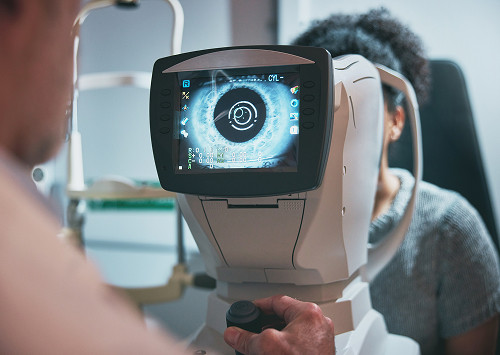
After the examination, the doctor evaluates the images, numerical values, and color maps.
When interpreting the results, we consider the patient's age, eye structure, refraction, scan quality, examination data, and previous studies, if any.
General information
What does an OCT scan of the optic nerve head reveal?
Optic disc status
In the optic nerve head, retinal fibers gather and form the origin of the nerve that transmits visual information to the brain. Therefore, changes in this area can be an important diagnostic sign for various ophthalmological and neuro-ophthalmological conditions.
OCT of the optic nerve head helps assess the shape, size, and relationship of the retinal cup to the neuroretinal zonule, as well as other parameters that the doctor compares with the fundus examination. This information is especially important if glaucoma is suspected.
Retinal nerve fiber layer thickness
During this examination, the thickness of the retinal nerve fiber layer is assessed. These fibers are an extension of the cells that participate in signal transmission. In a number of diseases, they can become thinner, and the doctor's task is to detect such changes promptly.
The retina and optic nerve are functionally and anatomically connected, so when evaluating an image, it is important to look at the entire clinical picture, not just one section. If progression is suspected, we compare new data with previous results and evaluate the dynamics, not just a single value.
Signs of Glaucoma, Edema, and Atrophy
In glaucoma, attention is focused on the thinning of nerve fibers, changes in disc parameters, and the correspondence of these data to functional impairment. With disc edema, the picture is different: the increase in tissue volume, disc contours, and possible connection with other symptoms are assessed.
Atrophy also requires careful evaluation, as it can be caused by various reasons. In such cases, OCT helps to characterize structural changes, but further management may include additional methods and consultations with related specialists.
"In our practice, OCT of the optic nerve head is particularly valuable because it allows us to detect structural changes at an early stage. We recommend this examination not only for complaints but also for dynamic monitoring, when it's important not to miss even small changes."



Frequently Asked Questions
What can be seen during the procedure?
Do I need to prepare for the test?
Is OCT painful?
How often should I have an OCT of the optic nerve head?

Our doctors





















This award is given to clinics with the highest ratings according to user ratings, a large number of requests from this site, and in the absence of critical violations.

This award is given to clinics with the highest ratings according to user ratings. It means that the place is known, loved, and definitely worth visiting.

The ProDoctors portal collected 500 thousand reviews, compiled a rating of doctors based on them and awarded the best. We are proud that our doctors are among those awarded.
Make an appointment at a convenient time on the nearest date
Price
Other services

Appointment to the doctor
Reviews




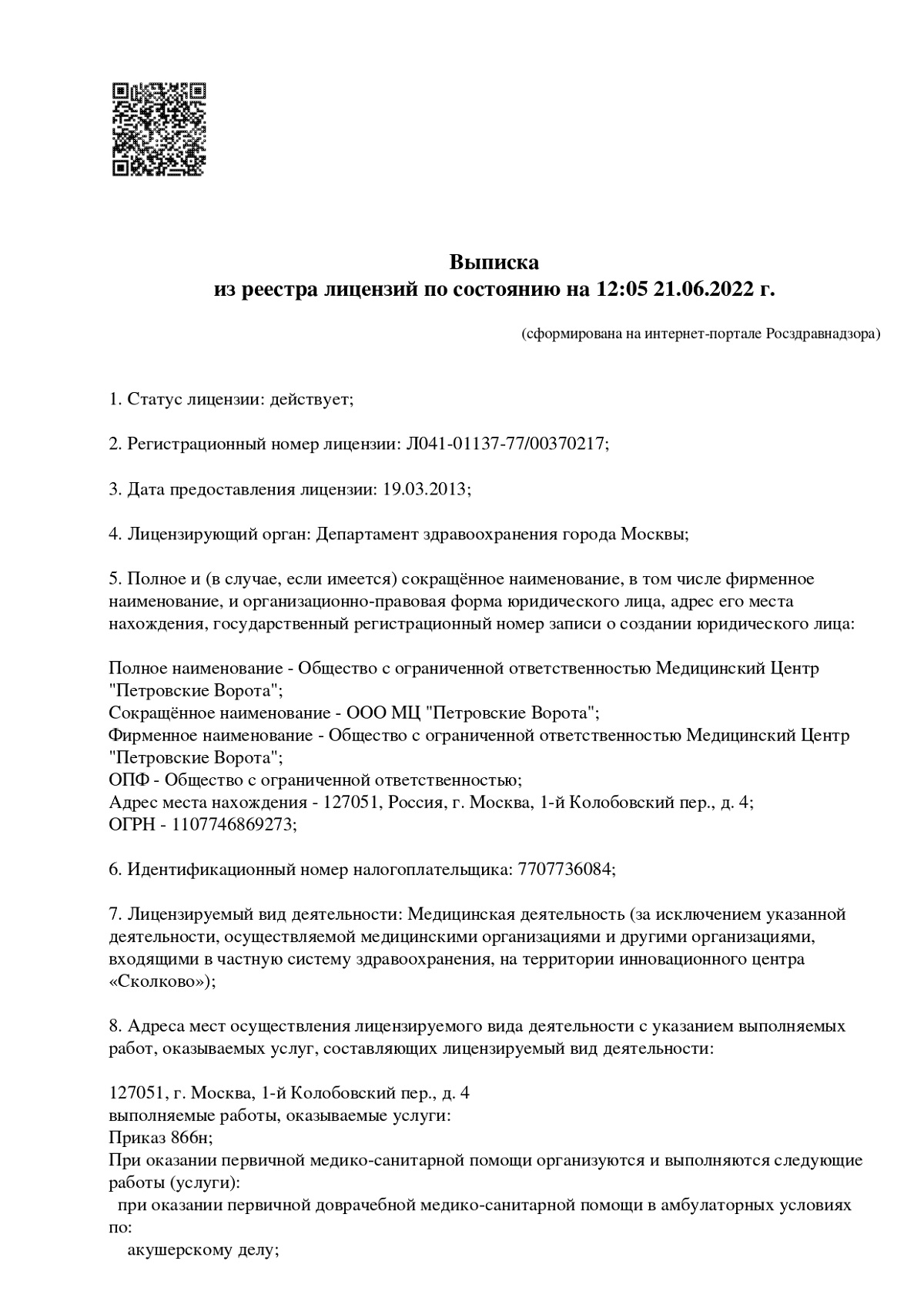
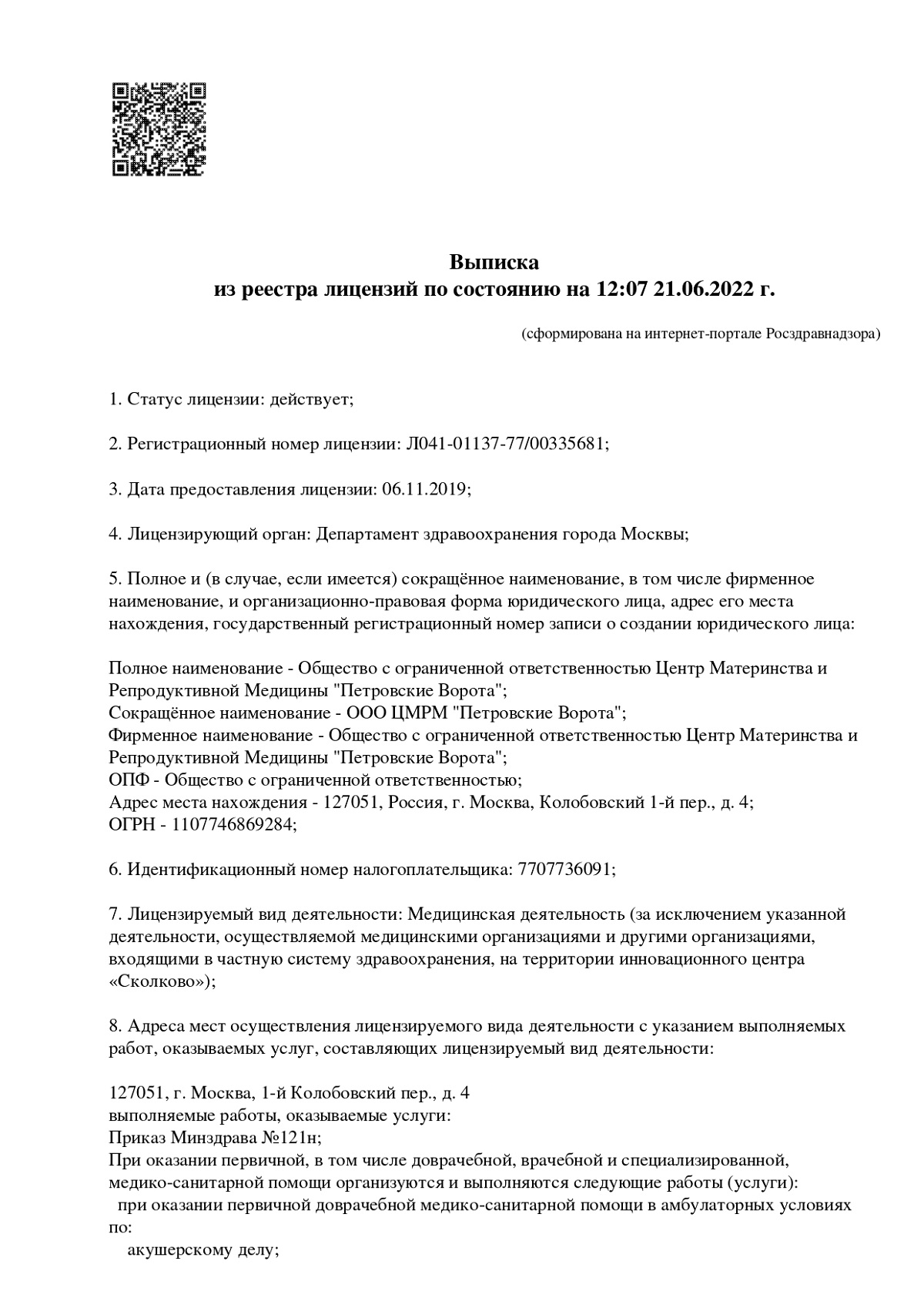
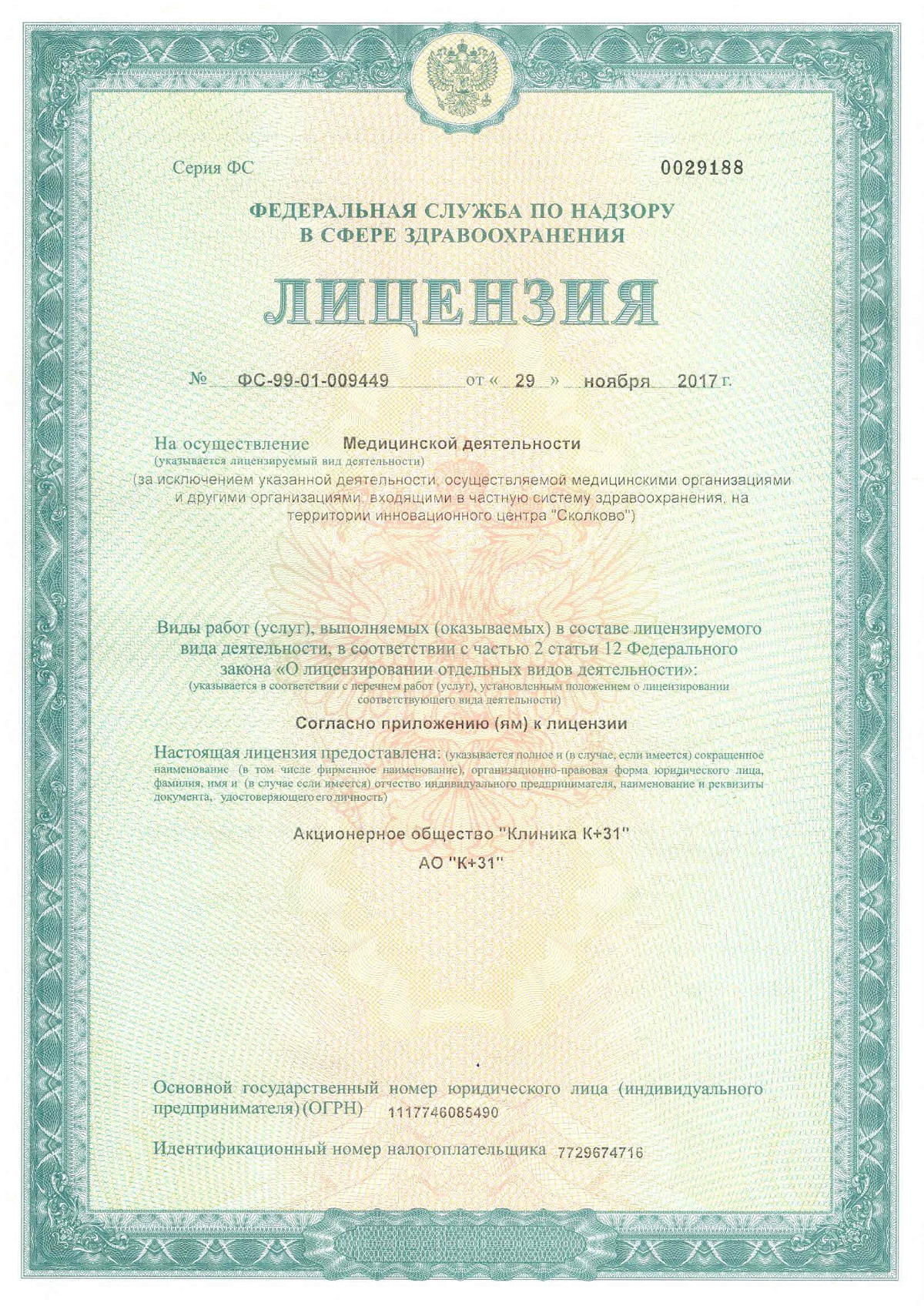
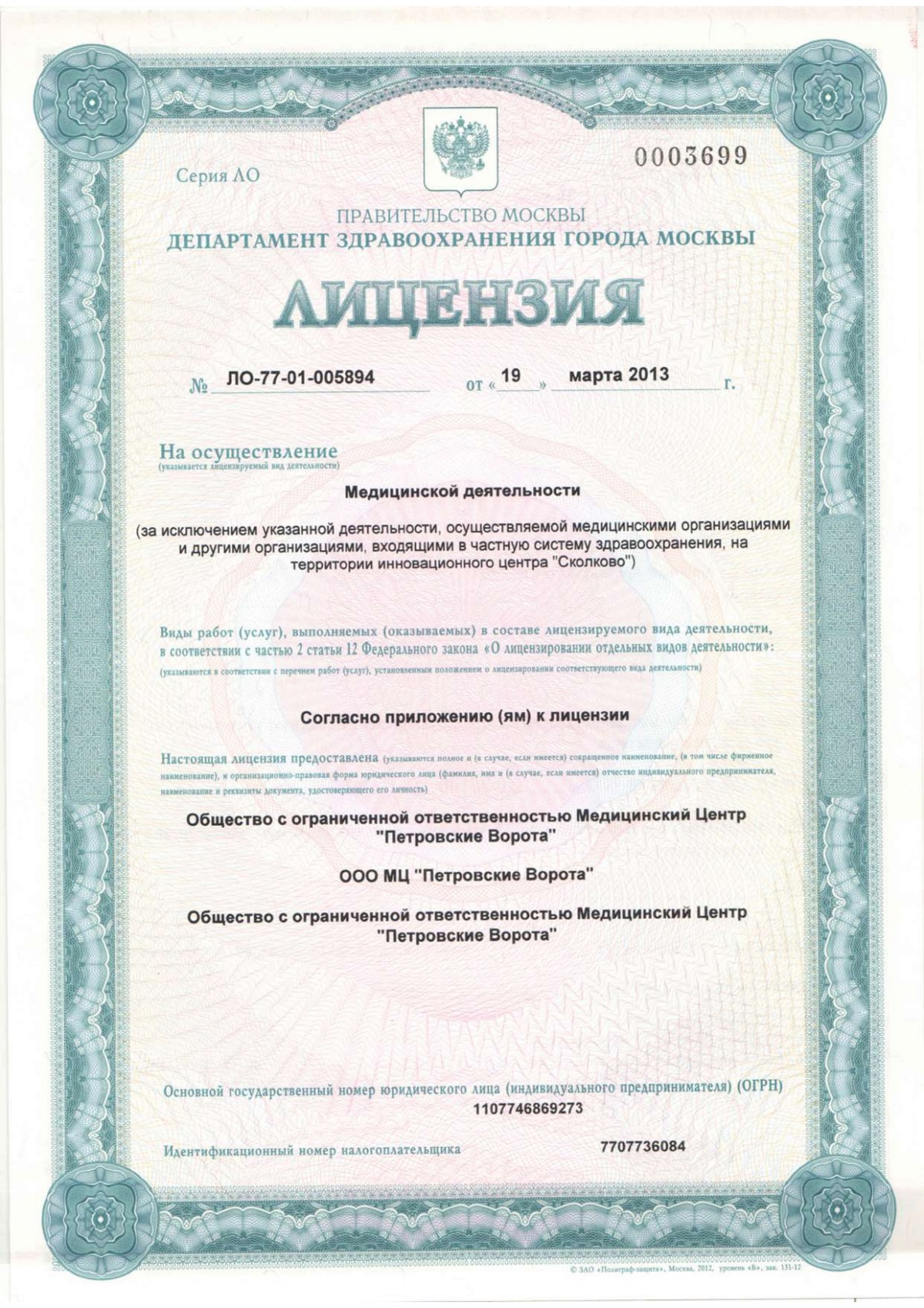
Our clinics


Application “Personal Account K+31”












What is an optical examination of the optic nerve head?
Optical examination of the optic nerve head is performed using OCT. The full name of the method is optical coherence tomography. The device scans the eye tissue using a light beam and creates a layered image of the area being examined. The procedure requires no contact with the eye surface, is painless, and takes just a few minutes.
During the examination, the doctor obtains information about the appearance of the optic disc, the extent to which the nerve fiber layer is preserved, and whether there are any signs of thinning, swelling, or other structural changes. This approach is especially important for conditions where initial symptoms may not cause significant symptoms for a long time but can already impact the vision prognosis.