Nearsightedness (Myopia): Symptoms, Diagnosis, and Vision Correction
When distance vision becomes blurry, people often attribute it to fatigue or prolonged screen time. However, this complaint may be due to myopia—a focusing disorder that requires confirmation with measurements.
At our clinic, we examine the eye's optical system, assess risks, and explain which vision correction is right for you based on your diagnostic results.

specialists

equipment

treatment






What is myopia and why does it develop?
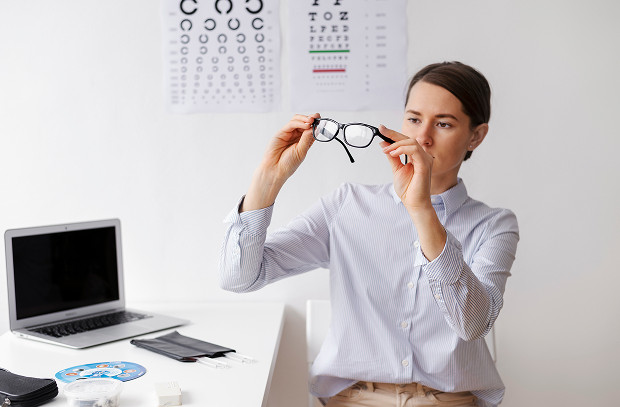
Myopia is a vision disorder in which a person sees things at a distance worse than at close range. Objects at a distance become blurry, forcing the eye to squint or move closer.
A doctor makes a diagnosis only after an examination. Similar complaints may occur:
- Overstrain
- Dry eyes
- Hidden focusing problems
How images are formed in myopia
Normally, light rays are focused precisely on the retina, and a person sees objects clearly. With myopia, the focus shifts forward, in front of the retina. This causes distant images to become blurred.

To assess the disorder, the doctor tests visual acuity, determines refraction, and observes how the eye responds to a trial correction. Final readings are usually expressed in minus diopters.
Main causes of myopia: heredity, visual strain, lifestyle
Heredity influences the development of the disorder, especially if the parents have a significant minus. In children and adolescents, prolonged visual strain at close range, few breaks, insufficient outdoor time, and rapid eye growth are significant. In adults, complaints can be aggravated by intensive screen time and errors in previous optics.
Sometimes a minus refraction resembles true myopic refraction, but is associated with overstraining of the focusing muscle. The doctor rules out accommodation spasm, especially in schoolchildren and students. Choosing ready-made glasses on your own can give a false impression of the solution to the problem.
How to recognize myopia: main symptoms
Signs in Adults
In adults, symptoms of myopia often manifest in everyday situations.
- Signs are harder to read while driving
- In twilight, it's harder to distinguish faces and license plates
- During a meeting or while working on a presentation, a person notices that distant text has become less clear.
If your previous glasses aren't helping you as much, your eyes tire quickly, or you experience headaches after exertion, you should have your eyes checked and consult a doctor for a prescription.
Signs in Children and Adolescents
Children's myopia often manifests itself through behavior. The child sits closer to the television, leans low over a notebook, asks to be moved closer to the board, and tires more quickly when reading. Parents may mistake this for inattention, although the cause may be optical.
When to see an ophthalmologist
A scheduled visit is necessary when a person's distance vision has worsened, they change glasses more frequently, or notice eye fatigue after eye strain. A child may need an examination if they complain of poor visibility of information on a board, screen, or textbooks. You should see an ophthalmologist immediately:
- In case of a sudden deterioration in vision
- Flashes
- Pain
- Image distortion or a "curtain" in front of the eye
At the K+31 clinic, an ophthalmologist calmly reviews complaints, takes measurements, and explains what to do next.
General information
Myopia Diagnosis: What the Appointment Includes
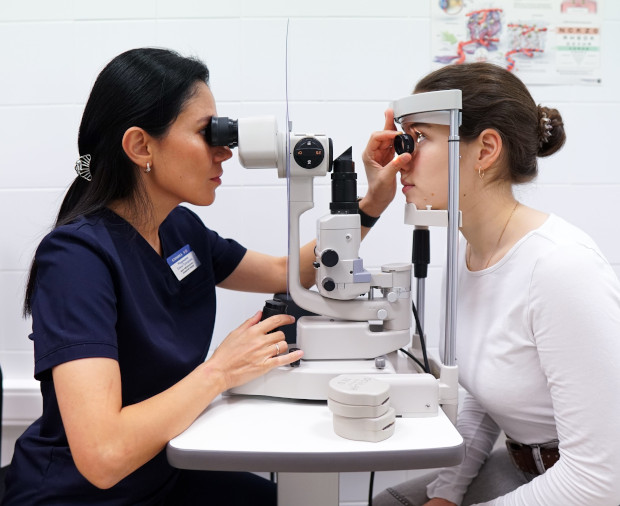
Myopia diagnosis begins with a conversation between the doctor and the patient. The doctor asks about the patient's age, profession, academic workload, previous prescriptions, and family history. The doctor also determines when the condition worsened. The doctor then takes measurements and compares these data with the patient's complaints.
Visual Acuity and Refraction Test
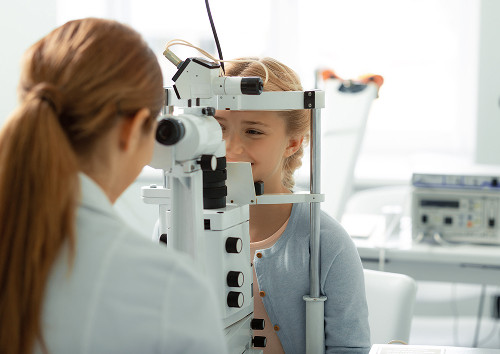
The appointment includes a distance vision test and, if necessary, a near vision test. The doctor evaluates objective indicators using equipment and then tests the patient's tolerance to trial lenses. This procedure helps select a prescription that is accurate and comfortable.
Fundus Examination and Retinal Assessment
In cases of myopia, it is important for the doctor to evaluate the fundus. The retina requires special attention if there is a significant negative effect, rapid changes in readings, or complaints of flashing lights.
A fundus examination helps identify peripheral areas, vessels, the optic disc, and other signs to watch for.
Choosing an Individual Correction Tactic
After the examination, the doctor explains the degree of myopia and discusses the patient's visual needs. For one, computer work is important, while for another, it may be sports, driving, studying, or long shifts. Therefore, the correction procedure is selected based on the examination findings, age, and lifestyle.


Frequently Asked Questions About Myopia
Is it possible to improve vision with nearsightedness?
What is better: glasses or contact lenses?
Is myopia hereditary?
How can I tell if myopia is progressing?
Requests for a follow-up visit include deteriorating distance vision, frequent prescription changes, fatigue, headaches, or complaints about the school blackboard. Progressive myopia is confirmed by repeated measurements.
If necessary, the doctor will adjust the vision correction and schedule a follow-up appointment.
Myopia requires a consistent approach. First, the doctor clarifies the patient's complaints, then:
- Visual acuity checks
- Refraction checks
- Ocular structure condition
- Correction tolerance
This data helps determine the cause of the vision deterioration and the most appropriate treatment option. After the appointment, the patient understands how to correct their vision now and how to monitor it over time.
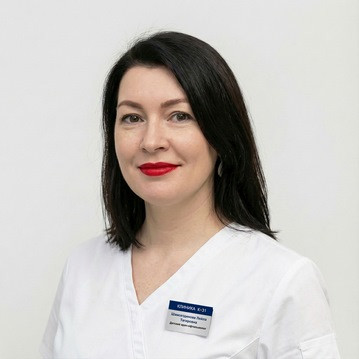
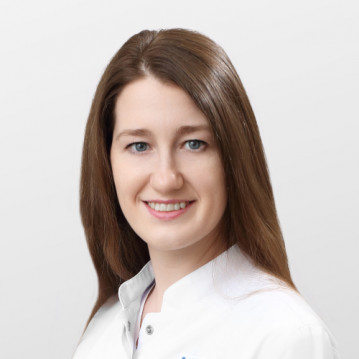
Our doctors



















This award is given to clinics with the highest ratings according to user ratings, a large number of requests from this site, and in the absence of critical violations.

This award is given to clinics with the highest ratings according to user ratings. It means that the place is known, loved, and definitely worth visiting.

The ProDoctors portal collected 500 thousand reviews, compiled a rating of doctors based on them and awarded the best. We are proud that our doctors are among those awarded.
Make an appointment at a convenient time on the nearest date
Price
Other services

Appointment to the doctor
Reviews












Our clinics


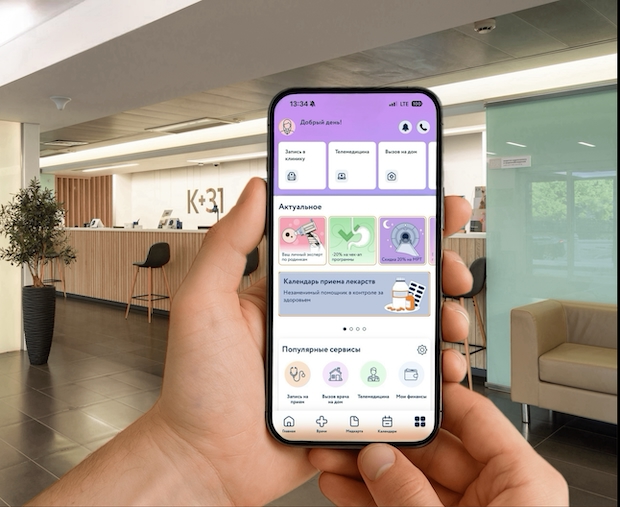
Application “Personal Account K+31”