
Blepharospasm (spasm of the eyelids): causes, symptoms, diagnosis and treatment
Many people are faced with a situation where the eyelid begins to twitch or blinks frequently. In most cases, such episodes go away on their own and are not associated with serious disorders. However, blepharospasm belongs to a different group of conditions. This is a persistent impairment that can interfere with reading, working, driving, and performing normal daily activities.
Our medical team views blepharospasm as a condition that requires careful assessment of the causes and selection of individual treatment tactics. Modern methods can effectively control symptoms and improve the quality of life of patients.

specialists

equipment

treatment






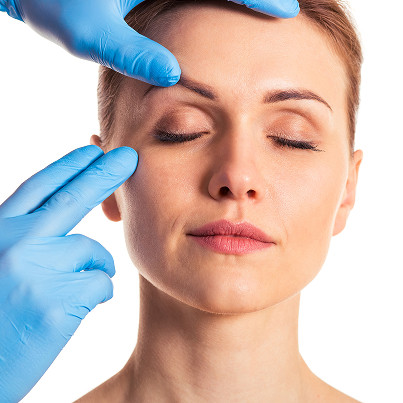
Why does blepharospasm occur?

The exact mechanisms of the disease are still being studied. However, specialists have a good understanding of the main factors that may contribute to the development of symptoms. In some patients, spasms are associated with a disruption in the regulation of muscle contractions, when the nervous system sends excessive signals to the eyelid muscles. The severity of symptoms can be influenced by visual strain, surface irritation, stress, bright light, and the general state of the nervous system.
Neurological Causes
The main causes of blepharospasm are related to dysfunction of the nervous system structures responsible for controlling facial and eyelid muscle movements. This is why the disease is classified as a dystonia-related condition.
Some patients experience essential blepharospasm, which develops spontaneously. In other cases, spasms may accompany certain neurological conditions.

Therefore, a neurologist is usually the first specialist a patient consults. A comprehensive neurological examination and exclusion of other causes of blinking disorder are important.
Ophthalmological and Precipitating Factors
Although the disease has a neurological basis, ophthalmological problems may play a role. These include dry eyes, chronic irritation of the surface, inflammation, and increased visual strain.
Some patients note that eyelid spasms are aggravated by bright light, emotional stress, or prolonged computer work. Lacrimation and photophobia may also be present.
That is why both a neurologist and an ophthalmologist are involved in the diagnosis.
How does eyelid spasm manifest itself?
Main Symptoms
The most characteristic manifestation of the disease is involuntary blinking, which gradually becomes more frequent and pronounced.
With this disease, a person may also experience:
- Involuntary blinking
- Frequent closing of the eyes
- Spastic closure of the eyelids
- A feeling of tension in the eye area
- Photophobia
- Increased lacrimation
- A feeling of fatigue
Some patients initially experience a simple twitching of the eyelid, which becomes more noticeable over time. Then, a persistent spasm of the eyelids develops, which no longer resolves on its own.
These manifestations are the first symptoms of blepharospasm.
When to see a doctor
You should schedule an examination if eyelid twitching persists for a long time and the frequency of contractions increases.
Particular attention is required if spasms begin to interfere with reading, work, or driving. Also, severe facial asymmetry, sudden drooping of the eyelid, severe pain, or a sudden deterioration in vision are reasons for urgent medical attention.
General information
How is blepharospasm diagnosed?
A description of symptoms is not enough to make a diagnosis. The doctor evaluates the patient's complaints, the nature of the spasms, and the results of the examination.
Neurological examination
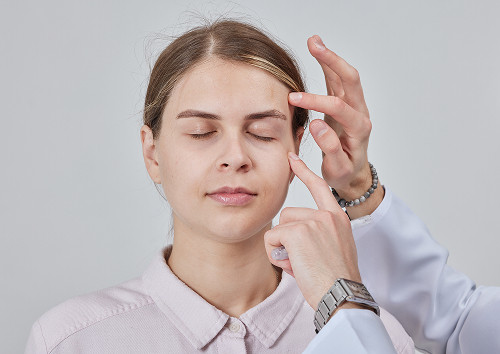
During the consultation, the specialist clarifies the patient's medical history, assesses the severity of symptoms, and conducts a neurological examination.
Our goal is not only to confirm the diagnosis but also to identify factors that could trigger the development of the disease. Therefore, diagnosing blepharospasm requires a comprehensive approach.
Ophthalmological examination and additional tests
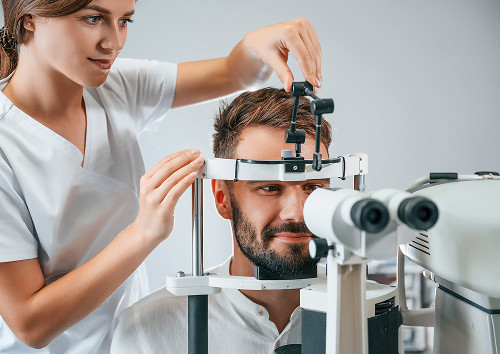
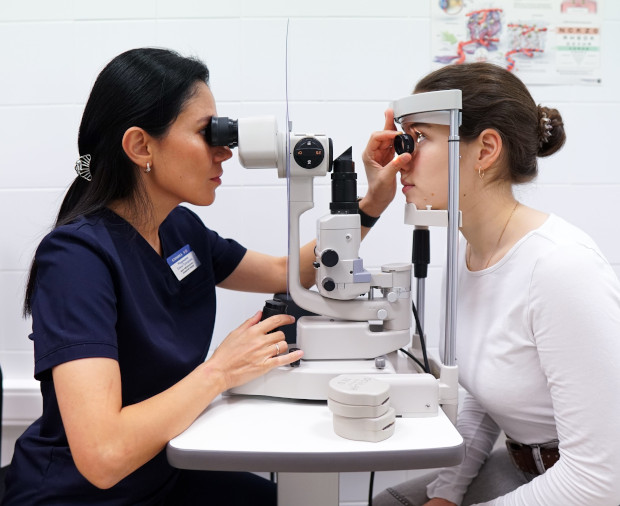
The patient is also examined by an ophthalmologist. The doctor evaluates the condition of the ocular surface, rules out dry eye, inflammation, and other factors that may aggravate symptoms.
If necessary, additional tests are prescribed to clarify the diagnosis and conduct a comprehensive differential diagnosis.

Frequently Asked Questions
What is blepharospasm and how does it differ from a normal eyelid twitch?
Which doctor should I see for blepharospasm?
How is blepharospasm treated today?
Is it possible to get rid of blepharospasm permanently?
Conclusion

Blepharospasm is a neurological disorder that can seriously impact a person's daily functioning. Frequent eyelid closure, impaired blinking, light sensitivity, and other symptoms should not be dismissed as normal fatigue or the effects of computer work.
If you are experiencing eyelid spasms, persistent involuntary blinking, or other symptoms of blepharospasm, do not delay seeking medical attention. A timely consultation with a specialist, a comprehensive diagnosis of blepharospasm, and appropriate therapy can help manage the condition and maintain a normal quality of life.
Our team offers a comprehensive approach, including consultation, examination, advanced treatment, and ongoing patient care. If you require a specialist consultation, we can help you understand the cause of your symptoms and choose the optimal treatment plan.
References
- Clinical Guidelines of the Ministry of Health of the Russian Federation — https://cr.minzdrav.gov.ru/
- Russian Medical Journal — https://www.rmj.ru/search/?q=блефароспазм
- CyberLeninka — https://cyberleninka.ru/search?q=блефароспазм
- MSD Manuals in Russian — https://www.msdmanuals.com/ru/
- EyePress / ophthalmological materials — https://eyepress.ru/search/?q=блефароспазм
Our doctors
















This award is given to clinics with the highest ratings according to user ratings, a large number of requests from this site, and in the absence of critical violations.

This award is given to clinics with the highest ratings according to user ratings. It means that the place is known, loved, and definitely worth visiting.

The ProDoctors portal collected 500 thousand reviews, compiled a rating of doctors based on them and awarded the best. We are proud that our doctors are among those awarded.
Make an appointment at a convenient time on the nearest date
Price
Other services

Appointment to the doctor
Reviews












Our clinics


Application “Personal Account K+31”












How is blepharospasm different from tics, dry eyes, and other conditions?
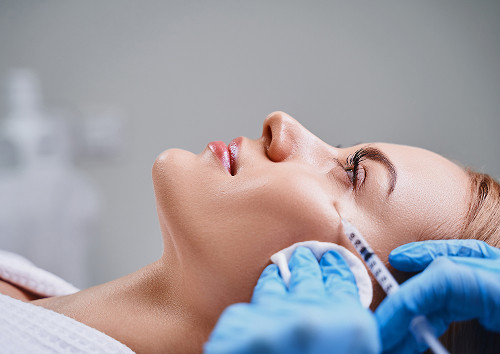
Many symptoms can be similar. This is why a proper differential diagnosis is essential. It's important for the doctor to determine whether the disorder is related to a neurological spasm, surface irritation, a nervous tic, or another condition. This determines the treatment strategy: in some cases, botulinum therapy is needed, while in others, eliminating dryness, adjusting the load, or conducting additional examinations may be necessary.
Comparison Table
It's important to understand that diagnosing blepharospasm always involves ruling out other conditions with similar symptoms.