
Keratoconus Treatment
Keratoconus is a progressive corneal disease in which the cornea gradually thins and becomes cone-shaped. This leads to the development of irregular astigmatism and a gradual decrease in visual acuity. Patients' glasses and contact lenses become unsuitable.

specialists

equipment

treatment




Diagnostics
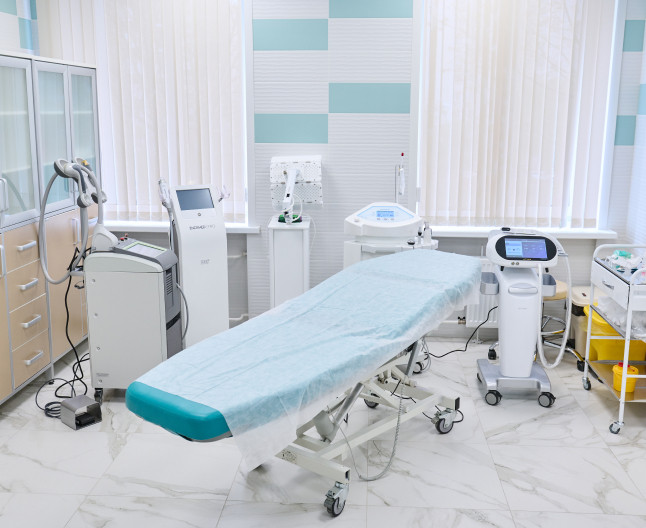
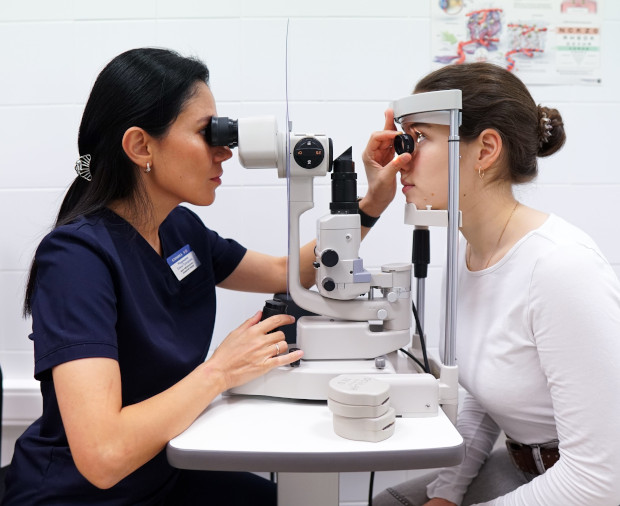
Modern, high-tech equipment from leading global manufacturers is used to diagnose and treat keratoconus.
For early detection of the disease, the Sirius (Schwind) optical corneal analyzer is used. It allows for a detailed assessment of the shape, curvature, and thickness of the cornea and detects signs of keratoconus even in the earliest stages.

Treatment methods include:
-
Crosslinking
During the procedure, the cornea is treated with a special riboflavin (vitamin B2) solution and irradiated with ultraviolet light. This strengthens the cornea's collagen fibers, increasing its strength and stabilizing its shape.
-
Implantation of intrastromal corneal segments
A thin tunnel is created in the middle layer of the cornea (stroma) using a high-precision femtosecond laser. One or two corneal segments made of biocompatible material are then implanted into the tunnel.
The segments provide additional support for the cornea and help reshape it. As a result, the central part of the cornea becomes more even, irregular astigmatism and myopia are reduced, and vision is improved.
-
Combined methods
In some cases, combination treatment, using the above methods sequentially, is used to achieve the best results. The choice of treatment sequence depends on the stage of keratoconus, the thickness and shape of the cornea, and the individual characteristics of the patient's eye.
Keratoconus treatment is performed on an outpatient basis and does not require hospitalization. A complete examination is performed before the procedure, after which the doctor determines the optimal treatment strategy.
-
Optical rehabilitation
After a course of treatment and stabilization of progressive keratoconus, optical correction is necessary. In addition to fitting glasses and contact lenses, the clinic implants additional phakic intraocular lenses, which correct visual acuity in patients with complex astigmatism and large differences in optical characteristics between the eyes. The lenses are individually selected and ordered for each patient. Implantation takes just a few minutes and allows the keratoconus patient to fully recover from surgery without the need for glasses.

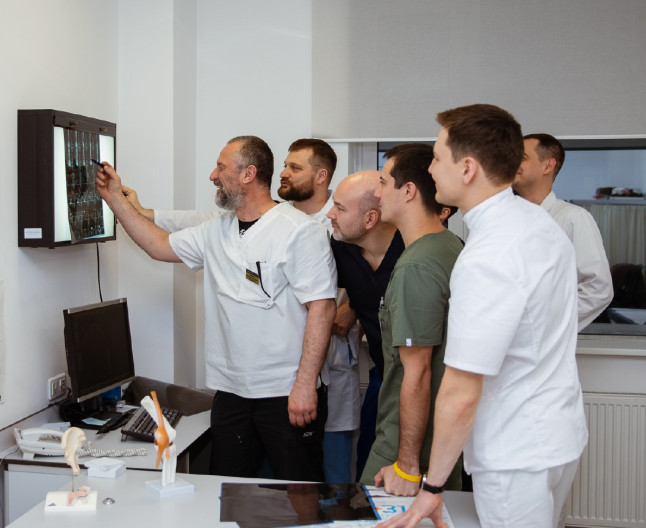
Keratoconus treatment is conducted under the supervision of Larisa Vladimirovna Batalina, Deputy Chief Physician for Ophthalmology, leading ophthalmic surgeon, PhD, and Associate Professor at the N.I. Pirogov Russian National Research Medical University. She has been practicing corneal surgery since 1998, bringing over 27 years of continuous experience in this field.

All procedures are performed under local anesthesia. The patient experiences no pain and can return home the same day. After the procedure, the doctor provides detailed recovery and follow-up recommendations.
Surgical procedures are performed using the Zeiss Femto LDV femtosecond laser system, which allows for the formation of intraocular tunnels with micron precision and ensures a high level of safety and predictability.
The Ophthalmology and Microsurgery Department at K+31 Clinic provides comprehensive diagnostics and treatment for patients with various stages of keratoconus. We use modern methods that help stop the progression of the disease, improve the shape of the cornea, and enhance vision.



This award is given to clinics with the highest ratings according to user ratings, a large number of requests from this site, and in the absence of critical violations.

This award is given to clinics with the highest ratings according to user ratings. It means that the place is known, loved, and definitely worth visiting.

The ProDoctors portal collected 500 thousand reviews, compiled a rating of doctors based on them and awarded the best. We are proud that our doctors are among those awarded.
Make an appointment at a convenient time on the nearest date
Price
Other services

Appointment to the doctor
Reviews

Our clinics


Application “Personal Account K+31”












About the disease
According to recent scientific research, the disease occurs due to a combination of genetic predisposition and external factors; the exact cause remains unknown.
Main risk factors:
The disease usually begins in adolescence or young adulthood (15–35 years) and affects both eyes, although one may be more severely affected. Without treatment, vision deteriorates over time.
The main symptoms of keratoconus are:
The K+31 Ophthalmology and Microsurgery Department uses modern diagnostic and treatment methods for keratoconus, which are individually tailored to each patient.