
Eye strain (asthenopia): symptoms, causes, and treatment
Eye strain occurs when the visual system is under increased strain for a long period of time. This most often occurs when working at a computer, using a smartphone, reading, or performing tasks that require constant visual concentration. This condition can be accompanied by dryness, burning, fatigue, temporary blurred vision, and headache.

specialists

equipment

treatment






Symptoms of Eye Strain: What to Look Out For

Dryness, burning, gritty sensation
Patients describe dry eyes, a burning sensation in the eyes, a foreign body sensation, and a gritty sensation under the eyelids.
While working at a screen, the blinking rate decreases. The tear film is less regenerated, the surface begins to dry out, and discomfort develops. Some people also experience eye redness, which intensifies in the evening.
Blurred vision, double vision, difficulty focusing
The patient notices that after several hours of work, vision blurs, and it becomes difficult to shift their gaze between objects at different distances.
Sometimes, short-term double vision occurs, especially after prolonged reading or working with fine details. Many describe the situation as a loss of image clarity when looking into the distance.

Such symptoms may accompany accommodation spasm, hidden refractive errors, or improperly selected correction.
Headaches, heaviness, photophobia
With prolonged overload, headaches occur in the forehead, temples, or bridge of the nose. Some patients complain of a feeling of pressure, heaviness in the eyelids, and increased sensitivity to bright light.
"In our practice, we often see that 'tired eyes' are not simply a reaction to the screen. Dry eyes, accommodation spasm, or improperly selected correction are often behind such complaints. Therefore, we begin with an accurate diagnosis and provide a clear plan that truly reduces vision strain," says an ophthalmologist.
Why does eye strain occur?
Long-term use of computers and smartphones
The main reason for visits today remains computer work. During the day, people stare at a screen for many hours at a close distance, blink less frequently, and barely change their focusing distance.
This results in computer vision syndrome, which combines signs of fatigue and surface damage.
The most common habits that increase eye strain are:
- Long-term use without breaks
- Infrequent blinking
- Screen too bright or too dim
- Incorrect distance from the monitor
- Lack of vision correction when needed
Incorrect Vision Correction and Hidden Defects
A person may go years without noticing slight nearsightedness, farsightedness, or astigmatism. The eyes compensate for this by constantly straining the accommodative apparatus.
Dry air, lack of sleep, stress, and poor lighting
Lack of sleep, constant stress, air conditioning, prolonged exposure to low-humidity environments, and poor lighting can all exacerbate the symptoms of asthenopia.
Pre-existing dry eye is an additional risk factor. When the tear film becomes unstable, dry eyes, discomfort, and decreased comfort develop more quickly.
General information
The dangers of ignoring symptoms
Decreased productivity and quality of life
Regular eye strain impacts productivity. A person begins to read more slowly, tires more quickly, concentrates less effectively, and makes more mistakes when processing information.
Increased dryness and visual strain
After several hours in front of a screen, severe dryness develops, the burning sensation in the eyes intensifies, and discomfort appears when reading, using a smartphone, and working with documents.
Some patients develop persistent tear film dysfunction. A person begins to regularly use eye drops on their own, but the relief is temporary.
When "fatigue" may mask another problem
Asthenopia can mask various conditions. These include refractive errors, surface diseases, severe accommodation spasm, dry eye syndrome, and other ophthalmological problems.
Particular attention is required in situations where pain, severe blurred vision, persistent double vision, or a noticeable deterioration in vision are added to the usual discomfort.


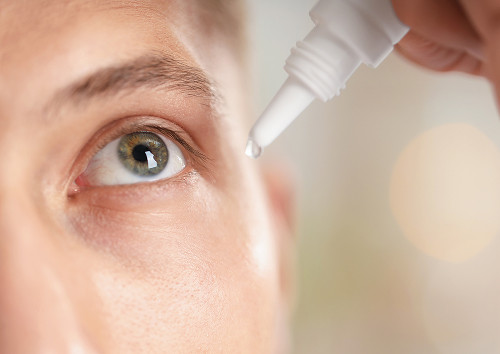

Table: When an examination is needed
| Symptom / Situation | Possible Cause | What we recommend |
|---|---|---|
| Dryness, burning sensation in the evening | Decreased blinking, dry eyes | Breaks, screen hygiene, examination |
| Blurry vision in the distance | Accommodation spasm, refraction | Diagnosis and correction selection |
| Pain, flashes, "curtain" | Emergency condition | See a doctor immediately |

Sudden vision loss, pain, flashes, "curtain" sensations
Some symptoms require immediate medical attention. These include sudden vision loss, severe pain, flashes of light, and a sensation of seeing a shadow or curtain.
Symptoms that do not improve with rest
If rest does not provide relief, or if eye redness, discomfort, headache, vision problems, or a recurring gritty sensation persists, seek medical attention.
Frequently Asked Questions
What's the difference between eyestrain and asthenopia?
Why do eyes get tired from computers?
Can the problem be resolved at home?
When is it necessary to see a doctor?
Why patients choose us

A Comprehensive Approach: From Symptom to Cause
We consider the patient's complaints holistically. This approach allows us to avoid endlessly struggling with symptoms and focus on the source of the problem.
Clear recommendations without unnecessary prescriptions
After the examination, the patient receives specific recommendations tailored to their lifestyle, work, and usual exercise routine.
We explain diagnostic results in simple terms and answer any questions that arise after the appointment.
Modern Diagnostics and Result Monitoring
If necessary, we assess the patient's condition and adjust recommendations. This approach helps achieve sustainable results and reduce the risk of recurrence of complaints.
References
- Clinical Guidelines Portal of the Ministry of Health of the Russian Federation — https://cr.minzdrav.gov.ru/
- Ministry of Health of the Russian Federation — https://minzdrav.gov.ru/
- Russian Medical Journal — https://www.rmj.ru/
- Mediasphera — https://www.mediasphera.ru/
- CyberLeninka - https://cyberleninka.ru/
- eLIBRARY - https://www.elibrary.ru/
Our doctors





















This award is given to clinics with the highest ratings according to user ratings, a large number of requests from this site, and in the absence of critical violations.

This award is given to clinics with the highest ratings according to user ratings. It means that the place is known, loved, and definitely worth visiting.

The ProDoctors portal collected 500 thousand reviews, compiled a rating of doctors based on them and awarded the best. We are proud that our doctors are among those awarded.
Make an appointment at a convenient time on the nearest date
Price
Other services

Appointment to the doctor
Reviews


















Our clinics


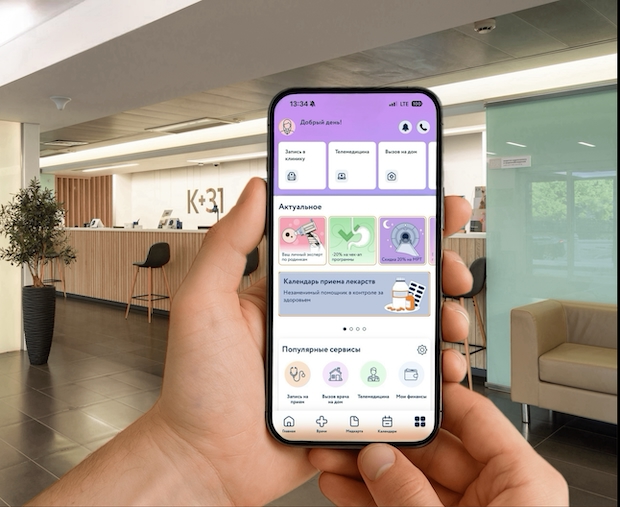
Application “Personal Account K+31”












What is eye strain and why is it called asthenopia?
A person reads text on a screen, shifts their gaze between documents and a monitor, works with a smartphone, drives a car, or spends many hours studying. In these situations, the muscles responsible for accommodation and precise focusing experience increased strain.
In ophthalmology, this condition is called asthenopia. It refers to a complex of complaints that occur during or after prolonged work.
Today, the term computer vision syndrome is increasingly used, which encompasses symptoms of fatigue, tear film dysfunction, and discomfort associated with prolonged use of digital devices.
How is eye strain different from regular fatigue?
Short-term eye fatigue after a busy day may resolve on its own with adequate rest and sleep. However, if symptoms occur regularly or interfere with work, it may be asthenopia.