
Glaucoma: Symptoms, Diagnosis, and Treatment
Glaucoma is a disease that can develop over a long period of time, almost unnoticed. Many patients seek medical attention only after persistent changes have occurred, when some visual function has been lost. This is why early detection is considered one of the most important goals of modern ophthalmology.
The main danger of this disease is that the damage to the optic nerve cannot be fully restored. The earlier changes are detected, the greater the chance of maintaining quality of life and good vision for as long as possible. At K31 Clinic, we pay special attention to comprehensive examinations, treatment selection, and regular monitoring of patients with suspected glaucoma.

specialists

equipment

treatment






What is glaucoma and why is it dangerous?
How does the disease affect the optic nerve?
This is damage to the optic nerve. Most often, this process is associated with an imbalance between the production and outflow of aqueous humor. This can result in increased intraocular pressure, which places additional strain on the ocular structures.
Gradually, the nerve fibers begin to die. At first, a person may not notice the changes, but over time, limited lateral vision develops and vision deteriorates. If left untreated, the disease can lead to irreversible loss of vision.
During the examination, the doctor evaluates more than just the pressure readings. The condition of the optic disc, the presence of characteristic changes, and the extent of damage to the ocular tissues are also important. One of the signs of the disease is excavation of the optic disc, which is detected during a detailed examination.
Why Glaucoma Often Doesn't Cause Significant Symptoms for a Long Time
Most patients are surprised when they learn the diagnosis after a routine examination. This is because the disease develops gradually. In the early stages, central vision is usually preserved, while changes affect peripheral areas.
A person continues to read, work, and perform normal activities, so they don't notice the problem. The body partially compensates for the decline in function, allowing the disease to go undetected for a long time.
This is why regular vision screening is especially important after age 40, as well as in those with risk factors.
Glaucoma Symptoms: When to See an Ophthalmologist
Early Signs That Are Easy to Miss
Glaucoma symptoms are subtle at first. But there are still warning signs.
The following may be reasons for an examination:
- Deterioration of peripheral vision
- Rainbow halos around light sources
- A feeling of pressure in the eyes
- Blurred vision
- Frequent headaches in the eye area
Even one of these signs is a reason to consult a specialist.
Acute symptoms and warning signs
A person may experience severe eye pain, markedly decreased vision, nausea, headache, and redness of the eye.
Such symptoms require urgent medical attention.
When an urgent examination is needed
You should immediately consult a doctor if you experience sharp eye pain, sudden deterioration of vision, or the appearance of rainbow halos circles, severe redness, or symptoms resembling an acute attack.
In such situations, the patient should be examined by an ophthalmologist as soon as possible.
General information
Glaucoma Diagnosis
Intraocular Pressure Measurement
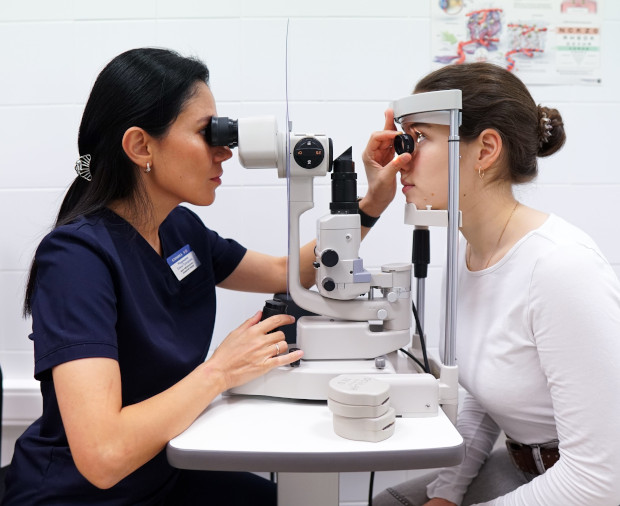
Modern glaucoma diagnosis always begins with a comprehensive examination. One of the key steps is measuring intraocular pressure.
This is done using tonometry. The test helps identify indicators that may indicate the risk of optic nerve damage.
However, elevated intraocular pressure alone does not confirm the diagnosis. Some patients develop the disease even with normal pressure readings.
Perimetry and Visual Field Testing
The next important step in the examination is perimetry. This method allows for visual field assessment and identification of areas where retinal sensitivity is already reduced.
These examination results help determine the extent of functional impairment and assess the disease's progression.
"In our practice, we rely on comprehensive diagnostics: tonometry, perimetry, OCT, and optic nerve examination help us detect changes early and choose the right treatment strategy without wasting time," says an ophthalmologist.
Fundus examination and optic nerve assessment
During the examination, the ophthalmologist evaluates the fundus and analyzes changes occurring in the ocular tissues.
Particular attention is paid to the structure of the optic nerve head. This is where the first objective signs of the disease often appear, even before the patient complains.
OCT and additional examination methods
OCT is widely used to assess the condition of nerve fibers. This method allows for a detailed image of the retinal and optic nerve structures, as well as the detection of changes before the onset of significant complaints.
OCT results help determine the extent of tissue damage and monitor disease progression during observation.
Additionally, the doctor may prescribe corneal thickness tests, an assessment of ocular hydrodynamics, and other methods necessary to clarify the diagnosis.
Gonioscopy and Determining the Type of Glaucoma
Gonioscopy is another important stage of the examination. This examination helps assess the structure of the anterior chamber angle and understand the mechanism of aqueous humor outflow obstruction.
Gonioscopy allows for the differentiation of different forms of the disease and the selection of the optimal treatment strategy.
It is important to understand that a complete glaucoma diagnosis is based on a combination of data. No single indicator can be used as the sole criterion for making a diagnosis.




If there is a hereditary predisposition
Heredity is considered a significant risk factor. If the disease was diagnosed in a parent or sibling, the likelihood of developing it increases.
If you are concerned about elevated intraocular pressure
Elevated intraocular pressure does not always indicate a problem, but it does require monitoring and further diagnosis.
In such situations, it is especially important to regularly visit a doctor and monitor your eye health.
If there are already complaints of deteriorating vision
Particular attention should be paid to the development of peripheral vision limitations and impaired spatial orientation.
Early detection of the disease allows you to preserve your vision longer and reduce the risk of serious complications.
Frequently Asked Questions
What is glaucoma in simple terms?
How can I tell if I might have glaucoma?
What tests are needed for diagnosis?
Can vision be preserved?
References
- Russian Ministry of Health — Registry of Clinical Guidelines — https://cr.minzdrav.gov.ru/
- Russian Ministry of Health — https://minzdrav.gov.ru/
- Russian Medical Journal, Ophthalmology Section — https://www.rmj.ru/articles/oftalmologiya/
- Russian Ophthalmology Portal EyePress — https://eyepress.ru/
- MediaSphera — Ophthalmology Bulletin — https://www.mediasphera.ru/journal/vestnik-oftalmologii
- MediaSphera — Ophthalmological News — https://www.mediasphera.ru/journal/oftalmologicheskie-vedomosti
Our doctors





















This award is given to clinics with the highest ratings according to user ratings, a large number of requests from this site, and in the absence of critical violations.

This award is given to clinics with the highest ratings according to user ratings. It means that the place is known, loved, and definitely worth visiting.

The ProDoctors portal collected 500 thousand reviews, compiled a rating of doctors based on them and awarded the best. We are proud that our doctors are among those awarded.
Make an appointment at a convenient time on the nearest date
Price
Other services

Appointment to the doctor
Reviews


















Our clinics


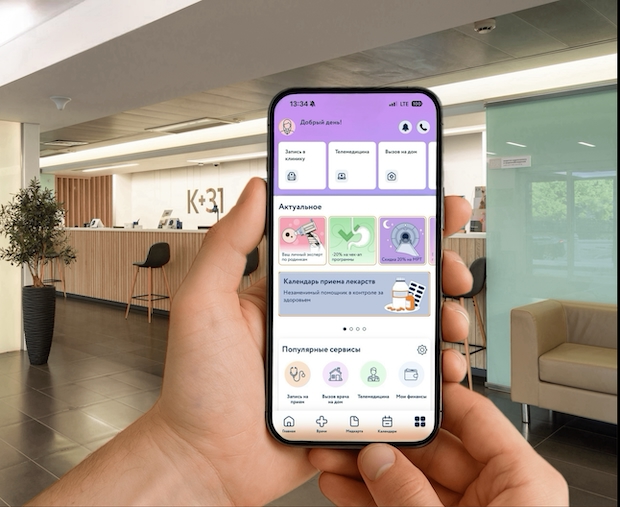
Application “Personal Account K+31”












Types of glaucoma
Primary Open-Angle Glaucoma
Open-angle glaucoma is the most common. It is characterized by a gradual obstruction of the outflow of intraocular fluid while the anterior chamber angle remains open.
This type of disease develops slowly. Symptoms are absent for a long time, so only a timely examination helps detect the problem. Open-angle glaucoma is most often detected during routine eye examinations.
Angle-Closure Glaucoma
With angle-closure glaucoma, fluid access to the eye's drainage system is impaired due to the anatomical structure of the anterior chamber.
This form can be chronic, but in some cases, an acute attack develops. Severe pain, a sharp deterioration in vision, and redness of the eye then occur.
If closed-angle glaucoma is diagnosed, the patient requires particularly careful monitoring.
Secondary glaucoma
The secondary form develops as a consequence of other eye diseases, injuries, inflammatory processes, or the prolonged use of certain medications.
Treatment tactics in this case depend not only on the pressure level but also on the underlying cause that led to the development of the disease.