
Anisometropia (Different Refraction of the Eyes): Diagnosis and Correction
When one eye sees significantly better than the other, a person doesn't always immediately notice the problem. The brain compensates for the difference for a while, so vision may appear normal. However, over time, discomfort, difficulty concentrating, headaches, and other complaints develop.
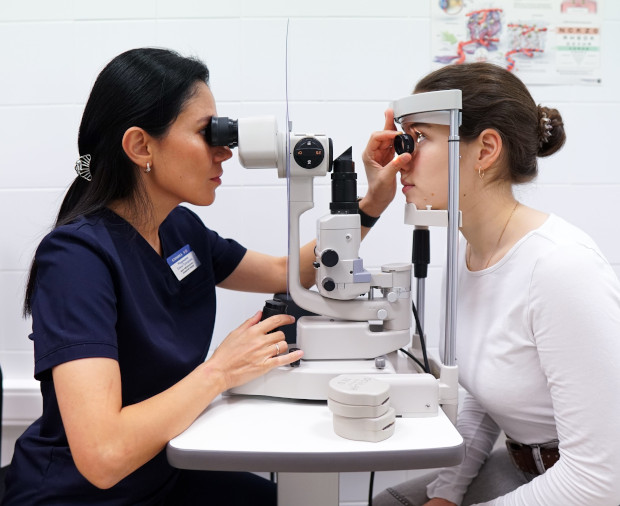
Vision diagnostics help determine the cause of visual impairment, assess eye condition, and select the appropriate correction. At the K31 Clinic, we perform examinations on adults and children, and further treatment is determined based on the results of the examination and testing.

specialists

equipment

treatment



Why does anisometropia develop?
Congenital Causes
In some patients, anisometropia is diagnosed in childhood. Heredity plays a major role.
Congenital causes include:
- Differences in the length of the eyeballs
- Characteristics of corneal development
- Congenital astigmatism
- Hereditary myopia
- Hereditary hyperopia
In some cases, parents do not notice the problem for a long time because the child cannot accurately assess the quality of their vision.
Acquired Causes
Sometimes anisometropia develops later. The cause may be:
- Progressive myopia
- Age-related changes in the lens
- Consequences of trauma
- Certain inflammatory eye diseases
- Surgical interventions
In such situations, the difference between the eyes may increase gradually or appear quite quickly.
How does anisometropia manifest itself in adults and children?
Symptoms in Adults
The most common anisometropia symptoms in adults are:
- Blurred vision
- Decreased spatial perception
- Difficulty working at close range
- Double vision
- Headaches
- Visual fatigue after reading or working on a computer
Anisometropia in adults is often discovered incidentally during a routine eye exam.
Symptoms in Children
Anisometropia in children is particularly problematic because the child cannot always communicate their feelings.
Parents should be alert to the following:
- Squinting
- Tilting the head when looking at objects
- Decreased interest in reading
- Complaints of eye fatigue
- Learning difficulties
If the disorder develops early, one eye becomes less involved in the visual process than the other.
When to see an ophthalmologist
The first signs that indicate you should see an ophthalmologist:
- One eye sees noticeably worse than the other
- It has become more difficult to read or work on the computer
- Unexplained headaches have developed
- Double vision occurs
- The child squints, tilts their head, or holds objects close to their face
If vision deteriorates suddenly, or pain or injury to the eye occurs, an urgent consultation with a specialist is necessary.
General information
What are the dangers of uncorrected anisometropia?
Amblyopia
Amblyopia is considered one of the most serious complications. This condition develops when the brain gradually begins to ignore the image from the eye with poorer vision.
According to ophthalmological practice, amblyopia is considered one of the main causes of persistent vision loss in children if not treated promptly.
Strabismus
Strabismus can be another complication. Due to the disruption of the eyes' proper function, the formation of correct binocular vision is impaired.
The risk is especially high if anisometropia in children remains unmonitored and uncorrected for a long time.
Visual fatigue and decreased quality of life
Even in the absence of serious complications, patients experience constant discomfort. Visual fatigue sets in, making computer work more difficult.
"In our practice, anisometropia goes unnoticed for a long time in many patients because one eye partially compensates for the strain. Therefore, we begin with an accurate diagnosis and tailor the correction individually. This approach helps improve vision and reduce the risk of complications," says an ophthalmologist at K31 Clinic.
It is not always possible to completely prevent the development of refractive errors, but regular monitoring helps to detect changes early and reduce the risk of complications.
What can you do at home
To maintain eye health, it is recommended to:
- Maintain a visual regimen when working at a computer
- Take regular breaks while reading
- Ensure adequate lighting in your workspace
- Spend more time outdoors
- Follow your doctor's recommendations for using correction
- Undergo preventive examinations
It is important to remember that self-treatment of anisometropia is impossible.
How to monitor your child's vision
Early vision diagnosis allows for the timely detection of anisometropia in children, preventing the development of complications, and maintaining full binocular vision Vision.
Children who have already been diagnosed with amblyopia, strabismus, or other visual impairments require special attention.
Frequently Asked Questions
Can anisometropia be corrected with glasses?
Is anisometropia dangerous in a child?
When is surgery necessary for anisometropia?
Conclusion and call for diagnostics

If you have symptoms of anisometropia, don't delay seeing a specialist. Timely correction of anisometropia helps maintain vision, reduce the risk of complications, and find a comfortable correction option for everyday life.
At the K31 Clinic, we offer comprehensive examinations for adults and children. Our specialists perform diagnostics, assess the condition of the visual system, treat anisometropia according to modern standards, and support the patient after the correction is selected.
Schedule a consultation and examination if you notice decreased vision, a difference between your eyes, or other alarming symptoms. The earlier the disorder is detected, the greater the chance of maintaining full vision for years to come.
References
- Clinical Guidelines of the Ministry of Health of the Russian Federation — https://cr.minzdrav.gov.ru/
- Russian Medical Journal (RMJ) — Ophthalmology — https://www.rmj.ru/
- Russian Ophthalmology Portal EyePress — https://eyepress.ru/
- Ophthalmology Bulletin / Mediasphera — https://www.mediasphera.ru/journal/vestnik-oftalmologii
- CyberLeninka (scientific publications) — https://cyberleninka.ru/
Our doctors



This award is given to clinics with the highest ratings according to user ratings, a large number of requests from this site, and in the absence of critical violations.

This award is given to clinics with the highest ratings according to user ratings. It means that the place is known, loved, and definitely worth visiting.

The ProDoctors portal collected 500 thousand reviews, compiled a rating of doctors based on them and awarded the best. We are proud that our doctors are among those awarded.
Make an appointment at a convenient time on the nearest date
Price
Other services

Appointment to the doctor
Reviews
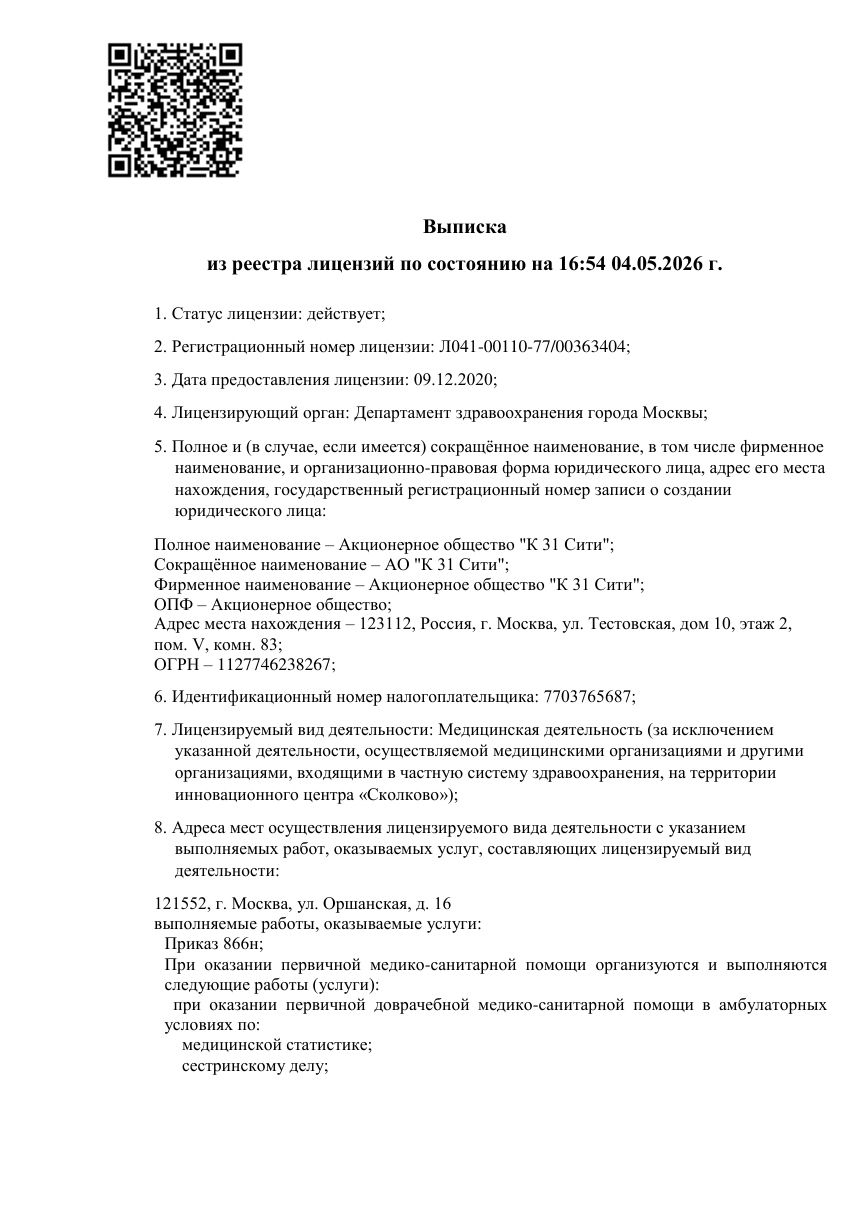
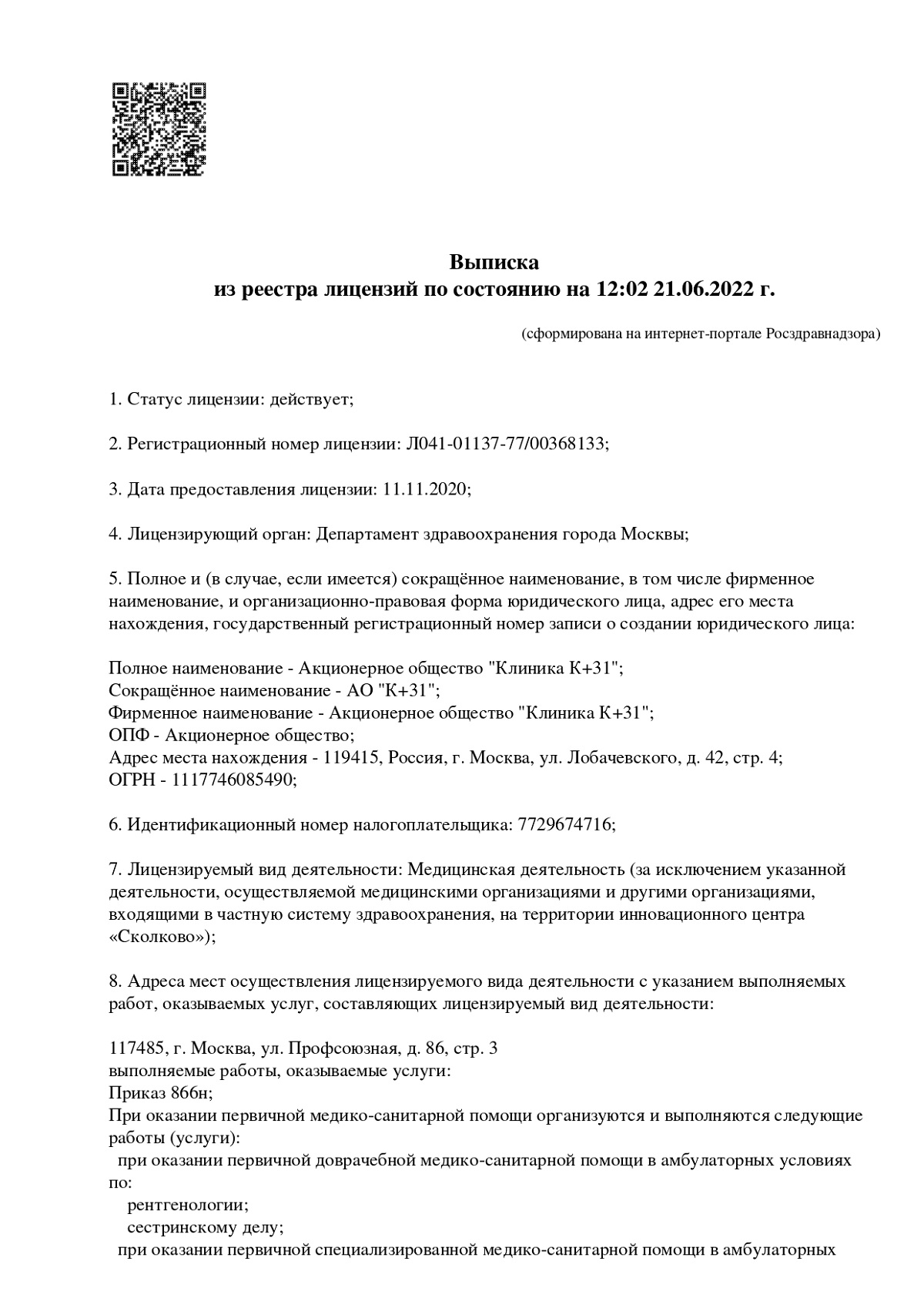
Our clinics


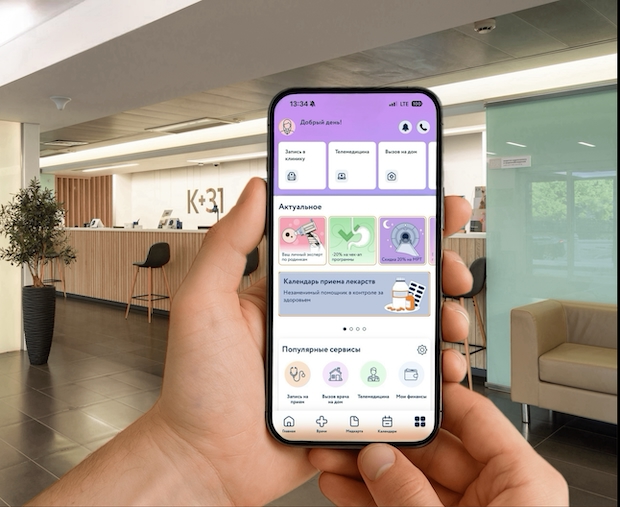
Application “Personal Account K+31”










What is anisometropia in simple terms?
Anisometropia is a condition in which the visual abilities of one eye differ from those of the other. In other words, a person has different refractive powers in each eye, resulting in different images being formed.
If one eye has normal vision and the other is nearsighted or farsighted, the brain has difficulty combining the two images into a single image. The greater the difference in diopters, the higher the risk of visual discomfort and impaired binocular vision.
Many patients ask: what is anisometropia and how dangerous is this condition? The difference between the eyes may be small, but if left unchecked, it can lead to serious complications.
The disorder is based on different refractive powers. One eye may have myopia, while the other has normal vision. Sometimes the degree of farsightedness or the severity of astigmatism differs.