24-Hour Tonometry
Intraocular pressure doesn't always remain constant. It may be normal during an appointment and increase at other times. Therefore, a single measurement doesn't always explain complaints or help assess the risk of glaucoma.
At K+31, we perform 24-hour tonometry to monitor pressure changes throughout the day. This makes glaucoma diagnosis more accurate and safer for the patient.

specialists

equipment

treatment



What is 24-hour eye tonometry?
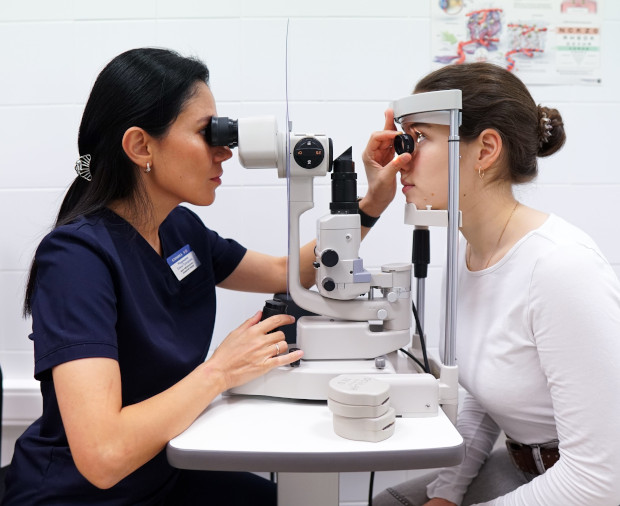
Daily tonometry is a series of intraocular pressure measurements taken at different times of the day. The doctor can see a profile of changes over the course of a day. This test is prescribed when standard tonometry is inconclusive.
How does this method differ from a single intraocular pressure measurement?
A single intraocular pressure measurement shows IOP only at the time of examination. If glaucoma is suspected, dynamic intraocular pressure is more important: pressure can vary in the morning, afternoon, and evening. A 24-hour IOP profile helps identify hidden pressure peaks. This makes glaucoma diagnosis more accurate.
Before the examination, we explain which method is needed to patients.
| Method | What it shows | Pros | Limitations |
|---|---|---|---|
| Single IOP measurement | Pressure at a specific moment | Fast, convenient | May not show peaks |
| 24-hour tonometry | IOP fluctuations throughout the day | Provides a more complete picture | Repeat measurements are required. |
| Comprehensive diagnostics | IOP, optic nerve, visual fields | Increases the accuracy of the results. | Takes more time. |
Sometimes one measurement is enough. If the picture is unstable, the doctor needs a dynamic assessment.
What problems does the examination help solve?
Ocular tonometry helps assess risk, verify treatment, and understand the cause of unstable readings. The patient receives a report explaining the results.
"We prescribe 24-hour tonometry when it's important to monitor intraocular pressure dynamics over the course of a day. This makes it easier to spot peaks and choose the right monitoring strategy," explains an ophthalmologist at K+31.
When do we recommend 24-hour tonometry?

The doctor makes the decision after an ophthalmological examination. They consider the patient's complaints, age, heredity, corneal thickness, and fundus.
Most often, the test is needed when a single measurement is insufficient:
- If glaucoma is suspected
- If intraocular pressure fluctuates throughout the day
- When monitoring prescribed treatment
- If there is a hereditary predisposition
- If there are complaints, and a single measurement does not explain the situation
After the measurements, the doctor compares the numbers with the physical examination.
Suspected glaucoma
Glaucoma can develop over a long period of time without pain or a sharp decrease in vision. In this case, the optic nerve suffers from elevated or unstable IOP. Therefore, early diagnosis is especially important.
Daily Fluctuations in Intraocular Pressure
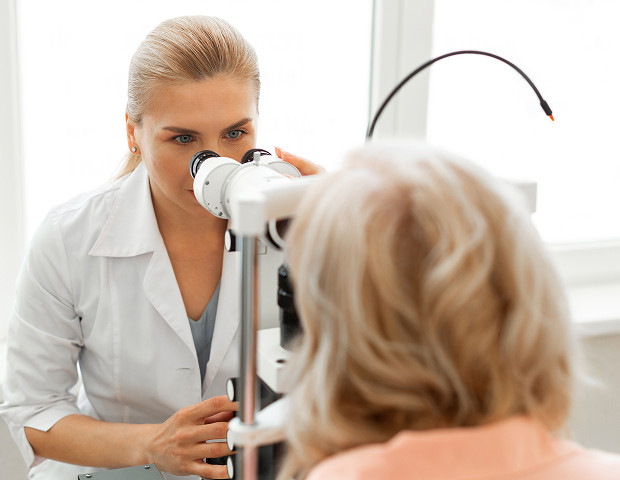
Fluctuations in intraocular pressure are not always visible during a single examination. The reading may be higher in the morning and decrease during the day. The doctor evaluates the peak, the difference between readings, and the relationship with complaints.
Monitoring Treatment Effectiveness
If the patient is already using drops, a 24-hour IOP profile helps determine whether the effect is lasting throughout the day. Sometimes pressure rises again in the evening. Therapy adjustments are made by a doctor; medications should not be changed independently.
Hereditary Predisposition and Risk Factors
If close relatives have had glaucoma, the risk is higher. Age, myopia, vascular disease, and trauma are also factors.
General information
How the examination is performed
We explain the route to the patient in advance. The doctor schedules several measurements. This creates a daily pressure profile, allowing for more accurate intraocular pressure assessment.
Preparation for 24-Hour Tonometry
Complex preparation before 24-hour tonometry is usually not required. The examination does not require any restrictions on diet, fluid intake, or normal activity. However, before beginning measurements, the doctor will need to know whether the patient has had:
- Eye surgery
- Injuries
- Corneal inflammation
- Allergy to diagnostic drops or anesthetics
This information is not merely formal: it helps ensure the procedure is performed carefully and without unnecessary risks.
It is advisable to bring your medical records, if available, to the appointment. Previous reports, intraocular pressure measurements, OCT data, perimetry, and a list of the eye drops the patient is currently using are acceptable.
It is especially important to list glaucoma medications and the time they are administered. This will allow the doctor to correlate changes in pressure with the treatment and more accurately understand how well it is working throughout the day.
Measurement stages throughout the day
The procedure depends on the purpose of the examination. The doctor schedules measurements at different times of the day to obtain a 24-hour IOP profile. Measurements can be performed using contact or non-contact methods.
Contact tonometry is performed after the eye has been prepared. Non-contact tonometry does not require touching the surface of the eye. The method is selected based on the cornea.
What the patient feels during the procedure
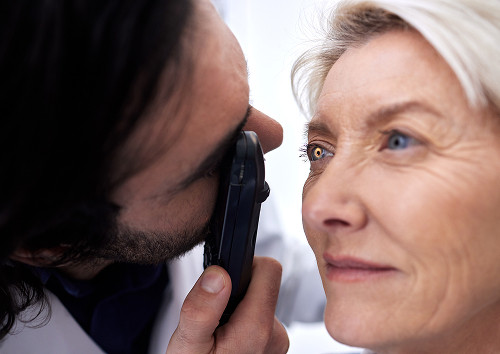
The procedure is usually calm. With non-contact measurements, a short puff of air is felt. Mild discomfort is possible with the contact method.
If tearing, irritation, or photophobia occurs after the examination, your ophthalmologist should be notified.


Frequently Asked Questions
Is 24-hour tonometry painful?
Do I need to make any special preparations for the examination?
What should I do if my one-time pressure readings are normal, but my complaints persist?
When will the results be ready?

Our doctors


















This award is given to clinics with the highest ratings according to user ratings, a large number of requests from this site, and in the absence of critical violations.

This award is given to clinics with the highest ratings according to user ratings. It means that the place is known, loved, and definitely worth visiting.

The ProDoctors portal collected 500 thousand reviews, compiled a rating of doctors based on them and awarded the best. We are proud that our doctors are among those awarded.
Make an appointment at a convenient time on the nearest date
Price
Other services

Appointment to the doctor
Reviews








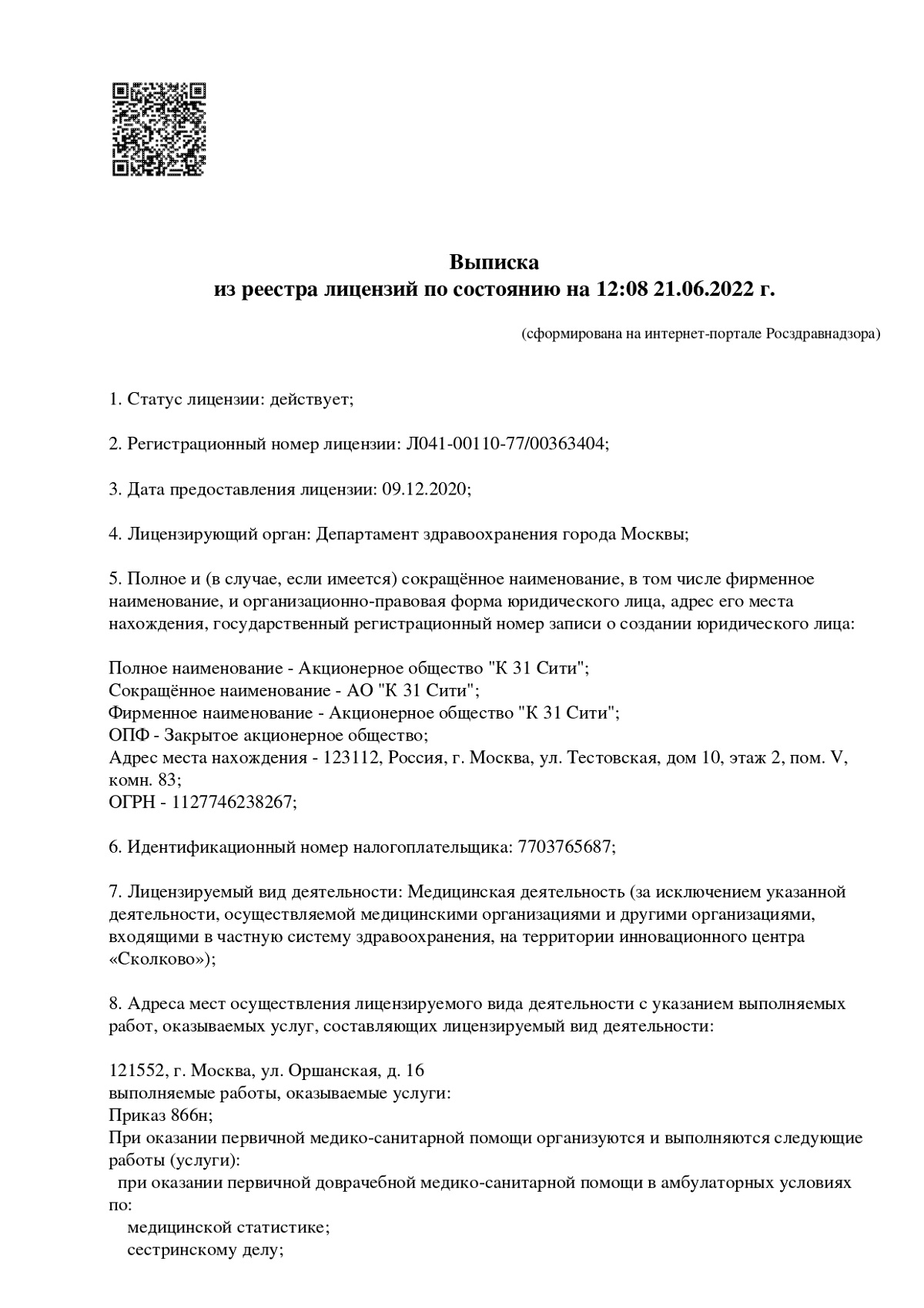
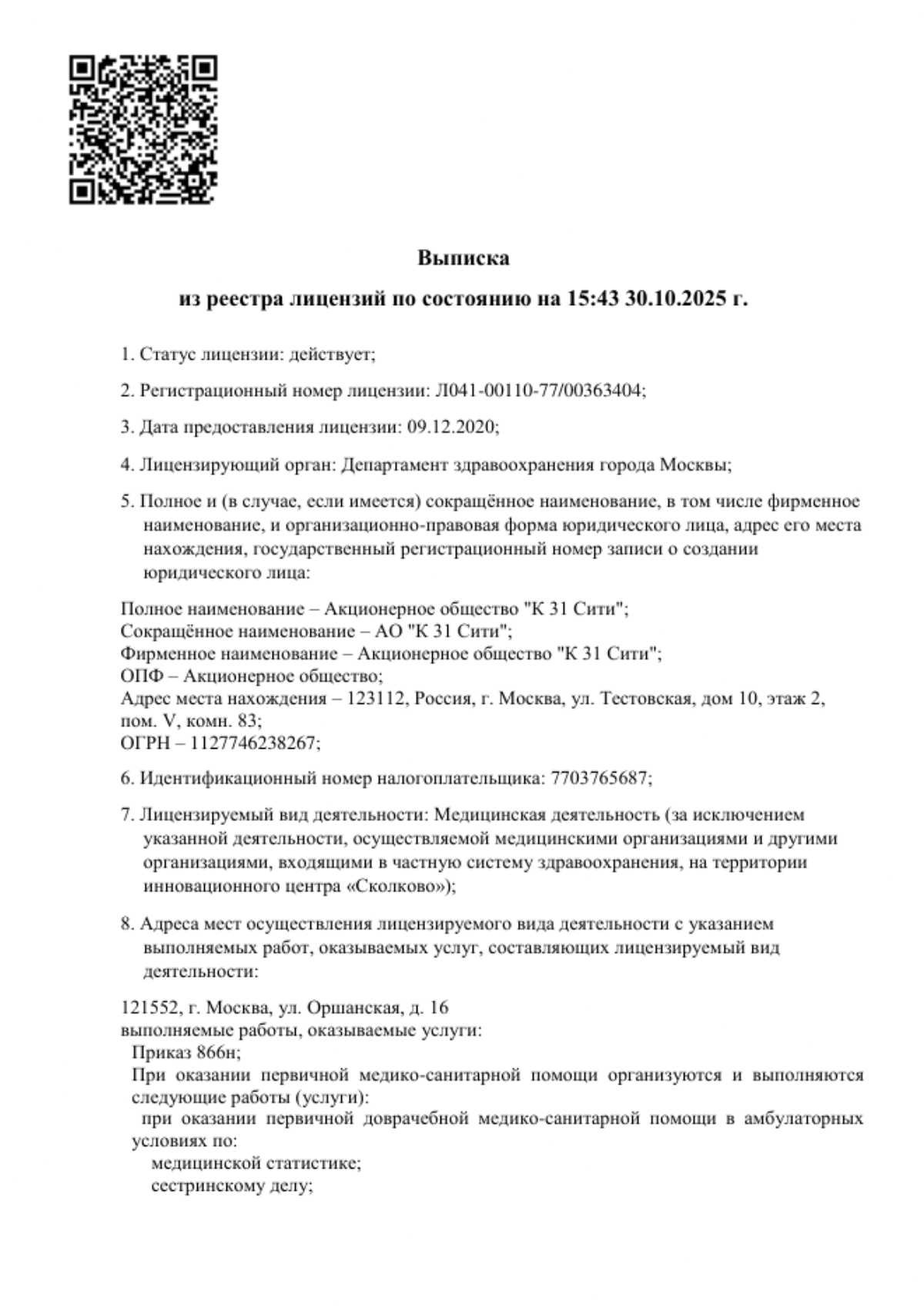




Our clinics


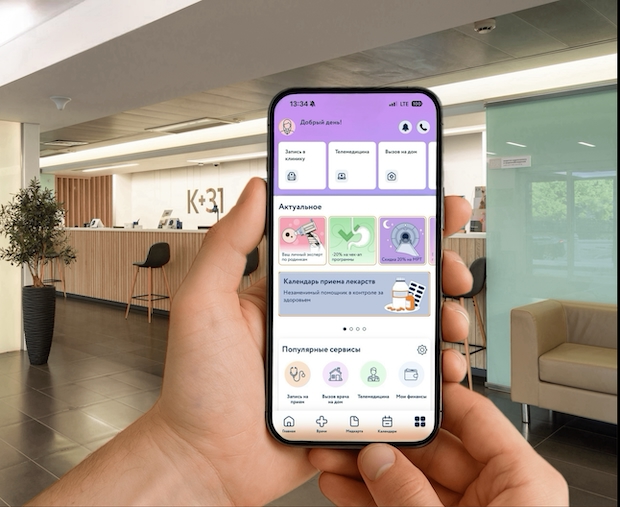
Application “Personal Account K+31”