Stye (hordeolum): How to Recognize It, How to Treat It, and When to See an Ophthalmologist

The eyelid is swollen, red, and painful to the touch. This is how a stye usually begins. It's so familiar that many people give up and say it will go away on its own. Sometimes it does. But not always and not for everyone.

Doctors call this condition a hordeolum. It's an acute purulent inflammation at the root of an eyelash or the sebaceous gland of the eyelid. Externally, it appears as a hard, painful nodule, and due to its simple appearance, it can easily be confused with other eye conditions.

Below is a detailed analysis: how a stye differs from similar problems and what helps. We'll also look at what's causing the damage and when it's time to switch from home care to a doctor's visit.

At "K+31," the examination begins with this very question: is it really a hordeolum?

Best specialists
Best
specialists
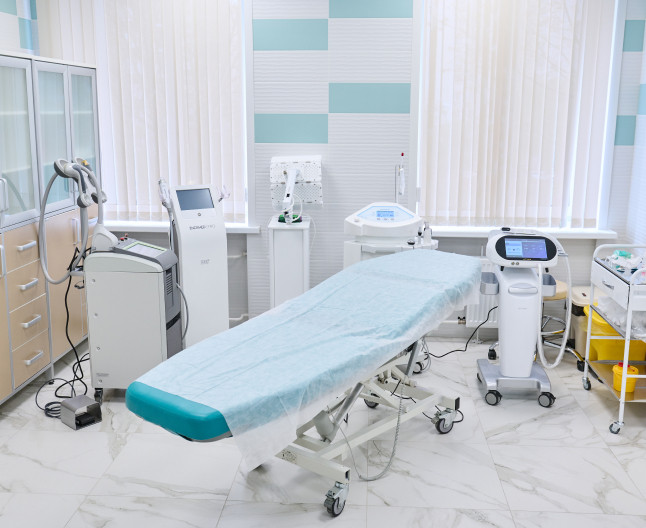
Expert equipment
Expert
equipment
Advanced diagnostic treatment
Advanced diagnostic
treatment
Download the application “Personal Account K+31”
Everything about your health in one click!
Subscribe to social networks K+31
To keep up to date with current offers and receive useful advice about your health.

What is barley and why does it appear?
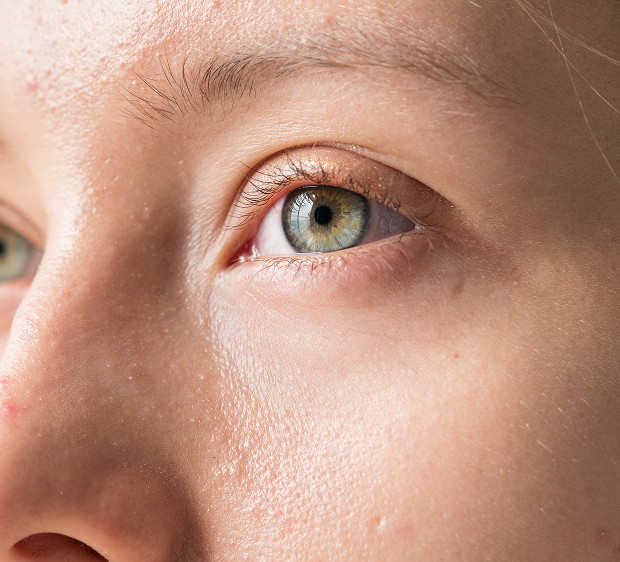
The eyelid margin is more complex than it seems. It contains the eyelashes, their hair follicles, and small sebaceous and meibomian glands, which provide the fatty base of the tear film. When a duct of one of these glands becomes blocked and bacteria enter, local inflammation and suppuration develops.

The most common culprit is staphylococcus, a microbe that lives peacefully on the skin and usually causes no harm. The problem begins when it penetrates deeper. Tissues:

  • Swelling
  • Pain
  • Redness

Eyelid inflammation progresses literally within hours, and this speed distinguishes an acute process from slow, sluggish changes.

External and internal styes

The external form is familiar to most. The pustule forms at the very edge of the eyelashes. It is visible and easy to feel. The internal type is hidden deeper, in the thickness of the eyelid, where the meibomian gland becomes inflamed. It is more painful. It also takes longer to mature and opens from the mucosal side.

The difference is not cosmetic. The course and treatment strategy depend on the location of the lesion. Internal stye on the eyelid often requires specialist supervision. In the worst case, it leaves behind a dense nodule.

Main Causes of Inflammation

The trigger is a blocked duct and microbial flora. Further factors that weaken the immune system come into play:

  • Hypothermia
  • Lack of sleep
  • Stress
  • Exacerbation of chronic diseases

In adolescents and young adults, hormonal fluctuations and active sebaceous glands are added.
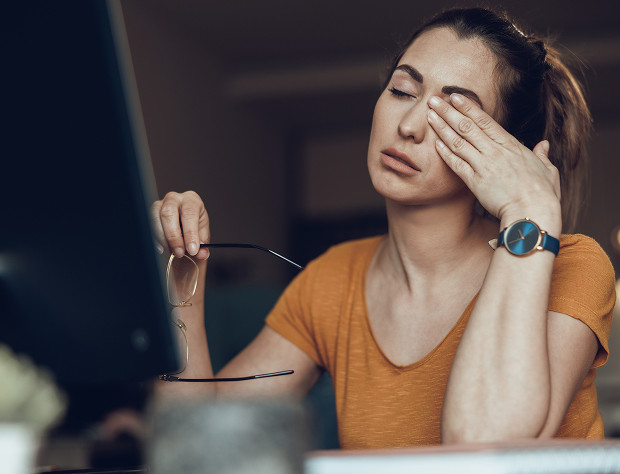
Risk factors: blepharitis, contact lenses, cosmetics, decreased immunity

Some people experience the problem once in a lifetime. Others experience it again and again. The difference is usually explained by underlying conditions that promote inflammation at the eyelid margin:

  • Chronic blepharitis – a sluggish inflammation of the eyelid margins that disrupts gland function.
  • Contact lenses if worn and stored carelessly.
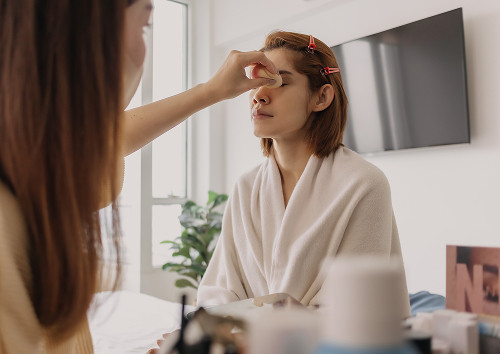
  • Makeup, especially if expired or left on overnight.
  • Decreased immunity due to illness, diabetes, or sleep deprivation.
  • Rubbing eyes with your hands.

When episodes recur, the cause is sought among these factors, not the pustule itself. Removing the trigger reduces the likelihood of a new flare-up.

How to recognize barley in the early stages

Early symptoms of a stye manifest themselves before pus is visible. Initially, there's a localized discomfort, as if a speck of dust has lodged itself in the eyelid. Itching then develops. Localized redness of the eyelid and mild pain when blinking may also occur.

First signs: itching, redness, pain, swelling

During the first day, the area near the edge of the eyelid becomes sensitive, then swells slightly. The eyelid swelling is still moderate, and the skin over it is warm. Tearing and a gritty sensation often occur at this time. It's the early stages that are most easily attributed to eye fatigue or an allergy.

When a purulent head appears

After a day or two, a yellow spot appears at the top of the swelling—a ripe abscess. Usually, after it bursts on its own, the pain subsides and the swelling goes down. Do not forcefully squeeze the abscess, and this is one of the most important rules, which we will return to later.

How to distinguish a stye from a chalazion, conjunctivitis, and blepharitis

There are several similar conditions, but they are treated differently. A chalazion is a dense, painless nodule caused by a blocked meibomian gland; it grows slowly and is almost completely opaque. Conjunctivitis affects the mucous membrane, causing redness throughout the entire eye and discharge, but without a separate nodule. Blepharitis is a permanent condition affecting the eyelid margins, with flaking and crusting near the eyelashes.

To make the differences clearer, we'll summarize them in a table.

Symptom Stye Chalazion Conjunctivitis
Pain usually severe usually absent burning sensation possible
Location eyelid margin eyelid thickness mucous membrane of the eye
Redness Localized Moderate Diffuse
Discharge Pus possible Rare Frequent
What to do Examination if worsening Observation and doctor Consultation

The table helps you navigate, but The final conclusion is made by a specialist. External similarities are deceptive, and it is the cause that determines the tactics.

Diagnosis by an ophthalmologist

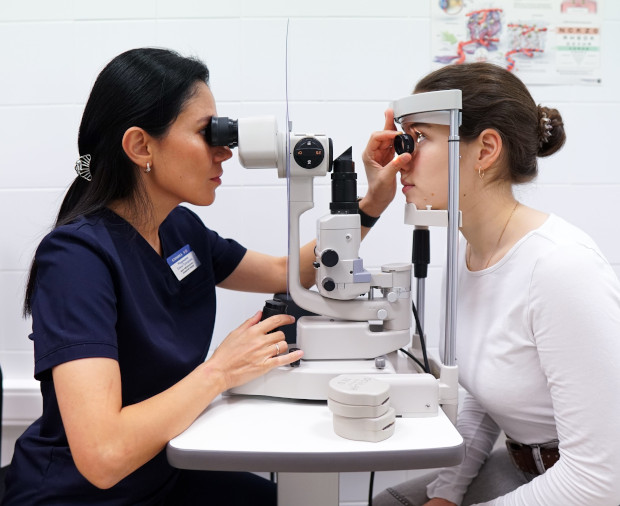
A doctor can figure out what's going on during a routine examination. No special preparation is required, and the procedure itself takes just a few minutes.

What does a doctor examine during an examination?

An ophthalmologist evaluates the eyelid margin, the condition of the eyelashes and glands, and the location and maturity of the lesion. A slit lamp examination reveals details invisible to the naked eye.

When are additional examinations needed?

A one-time episode of a lesion usually doesn't require testing. Persistent recurrences are a different matter. In such cases, it makes sense to check blood sugar levels, skin condition, and the function of the eyelid glands. Sometimes a dermatologist or endocrinologist is involved.

Why is it important to rule out other eyelid diseases?

A harmless pimple can sometimes conceal more serious conditions. If the lump doesn't resolve within weeks, changes shape, or persistently returns in the same place, the doctor must rule out other diagnoses. This caution is justified: the cost of a mistake here is higher than the inconvenience of an extra visit.

Diagnosis by an ophthalmologist

General information

Style Treatment: What Helps and What Doesn't

Proper treatment of a stye relies on a simple rule: promote maturation and drainage, but avoid damaging the tissue. In most cases, the external form resolves within a week.

What can you do at home before your doctor's appointment

Before the examination, only gentle care is appropriate. Dry heat and cleanliness are all that is allowed at this stage. Also acceptable are:

  • A warm compress with dry heat for a few minutes (unless directed by your doctor)
  • Gentle eyelid hygiene without applying pressure to the lesion
  • Abstain from contact lenses and cosmetics until recovery
  • Clean hands whenever in contact with your face

This care relieves some of the discomfort. It does not interfere with the natural resolution of the stye. If there's no relief, we move on to the next step—a consultation with a doctor.

Medication treatment as prescribed by a specialist

For persistent inflammation, a doctor may prescribe antibacterial drops or ointment. The decision on how to treat a stye with medications is made by a specialist based on the type, location of the lesion, and tolerance of the medications. There is no one-size-fits-all treatment; the selection is individualized.

When may incision be necessary?

A large, long-lasting abscess sometimes needs to be incised in a clinic. This is performed by a doctor, using sterile techniques, under local anesthesia. The procedure is short and significantly speeds recovery in areas where the body can't cope on its own.

What not to do: squeezing, aggressive antiseptics, self-medication

There are actions that turn a simple sore into a serious problem. These are worth remembering separately.

  • Squeezing or puncturing an abscess is a direct path to spreading infection.
  • Applying alcohol, iodine, garlic, or other "folk" chemicals to the eyelid.
  • Warming the eye at random, without understanding the nature of the inflammation.
  • Continue wearing contacts and makeup.

All of these points have one thing in common: trying to force the process will lead to complications. Calm care is more reliable than aggressive intervention.

Style Treatment: What Helps and What Doesn't

What is the danger of inflammation and when is urgent care needed?

The prognosis is usually favorable. However, the eyelid is closely connected to surrounding tissues and the orbit, so an advanced process rarely spreads beyond its boundaries.

Complications and recurrent episodes

Common symptoms include development of a chalazion, spread of infection to adjacent glands, and repeated exacerbations. Each new episode in the same location is a signal to look for an underlying cause rather than treating only the peak of the problem.

Worrying symptoms that require immediate medical attention

Certain signs require a prompt visit rather than observation. Below are the ones you shouldn't ignore.

  • Rapidly growing swelling involving the entire eyelid
  • Severe pain and redness spreading to the cheek or eye socket
  • Vision loss, double vision
  • Fever
  • Abscess that doesn't burst for more than a week

Any of these conditions is a reason to seek medical attention that same day. Delay is more dangerous than being overly cautious.

When inflammation can affect surrounding tissues

A rare but serious development is the spread of infection to the orbital tissue. This can affect overall health, the eye bulges, and movement is painful. This is an emergency and should be treated in a hospital, not at home.

What is the danger of inflammation and when is urgent care needed?

Why is it important to see a specialist and how we can help?

Home care is good for mild cases. When the condition is prolonged or recurring, an examination saves both time and stress.

Advantages of "K+31"

We quickly conduct an initial examination and immediately answer the main question—is it a hordeolum or another eyelid condition. If necessary, an ophthalmologist appointment is scheduled without unnecessary waiting. The treatment plan is explained in clear language.

How the appointment works and what the patient receives?

During the appointment, the doctor examines the eyelid under magnification, determines the shape and stage, and selects a gentle treatment plan. The patient leaves with clear recommendations: what to do at home, what to avoid, and when to return for a checkup.

Why professional treatment is safer than home remedies

A specialist sees what is hidden from the patient: the depth of the lesion, the condition of the glands, and early signs of complications. Therefore, the chosen strategy is targeted, not random.

"From experience, the main mistake patients make is trying to squeeze out a stye or wait out the inflammation. We first confirm the diagnosis, because similar symptoms can mask different conditions, and treatment depends on this," says the ophthalmologist.

Why is it important to see a specialist and how we can help?

Prevention: How to Reduce the Risk of Recurrence

Preventing a flare-up is easier than treating it. The foundation is eyelid rim care and healthy habits.

Eyelid Hygiene and Daily Habits

Regular eyelid rim cleansing, clean hands, fresh makeup, and prompt removal are basic measures.

Lenses, Makeup, Sleep, and General Health

Proper lens care, adequate sleep, and managing chronic illnesses support local defenses. A strong immune system is no guarantee, but it can significantly contribute to preventing recurrence.

What to Do in Case of Frequent Relapses

If pustules recur repeatedly, the focus shifts from treatment to finding the cause. Examining the eyelid margins, checking sugar levels, and assessing gland function help break the vicious cycle. Sometimes improving eyelid hygiene is enough, but sometimes the help of related specialists is needed.

Prevention: How to Reduce the Risk of Recurrence

Frequently Asked Questions

Short answers do not replace an examination, but they remove some of the typical doubts.

Can a stye be treated at home?

For mild cases, yes, with gentle care: dry heat, cleanliness, and avoiding contact lenses and cosmetics. If the pain intensifies, swelling increases, or the problem recurs, an examination is necessary.

How long does a stye usually last?

External stye usually subsides within a few days and resolves within a week. The time frame depends on the condition and the care provided. If there's no improvement, don't wait; see a doctor.

Can I apply heat or compresses to the stye?

Dry heat is appropriate, but avoid overheating and unless directed by a doctor. Hot compresses and traditional warming techniques can increase inflammation.

When is a stye dangerous and should you see a doctor?

If you have severe pain, significant swelling, blurred vision, fever, or frequent recurrences, a rapid worsening of symptoms is a sign to see a doctor immediately. If eyelid inflammation persists or returns, schedule an examination with our ophthalmologist. The doctor will clarify the diagnosis, distinguish hordeolum from similar conditions, and select a safe treatment based on the cause of the disease.

Our doctors

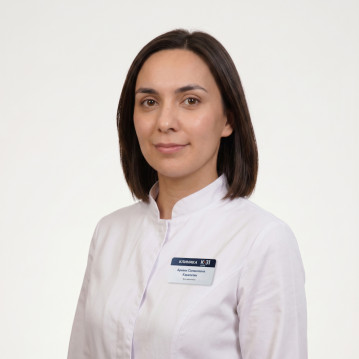
Karapetyan Arevik Samvelovna
Experience 12 years
Make an appointment
Karapetyan
Arevik Samvelovna
Ophthalmologist, Laser Surgeon
Batalina Larisa Vladimirovna
Experience 33 years
Make an appointment
Batalina
Larisa Vladimirovna
Deputy chief physician for ophthalmology, ophthalmic surgeon, leading specialist in laser vision correction
Amiryan Anush Gamletovna
Experience 28 years
Make an appointment
Amiryan
Anush Gamletovna
Ophthalmic oncologist surgeon
Medvedev Yulia Alexandrovna
Experience 11 years
Make an appointment
Medvedev
Yulia Alexandrovna
Ophthalmologist, Laser Surgeon
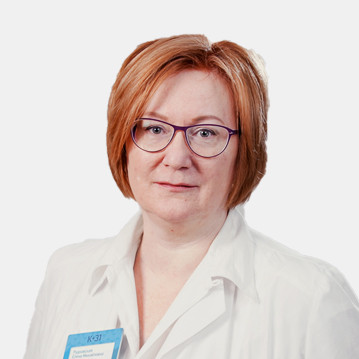
Rudkovskaya Elena Mikhailovna
Experience 38 years
Make an appointment
Rudkovskaya
Elena Mikhailovna
Ophthalmologist
Tegniryadnova Ekaterina Valerievna
Experience 20 years
Make an appointment
Tegniryadnova
Ekaterina Valerievna
Ophthalmologist, laser surgeon
Fadeeva Victoria Anatolievna
Experience 13 years
Make an appointment
Fadeeva
Victoria Anatolievna
Doctor ophthalmologist, laser surgeon
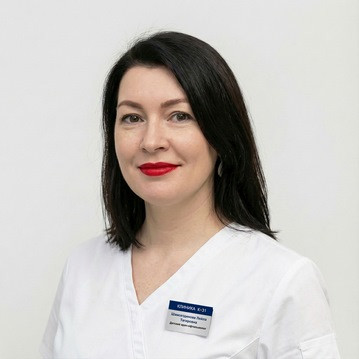
Shamsetdinova Leila Tagirovna
Experience 17 years
Make an appointment
Shamsetdinova
Leila Tagirovna
Pediatric ophthalmologist
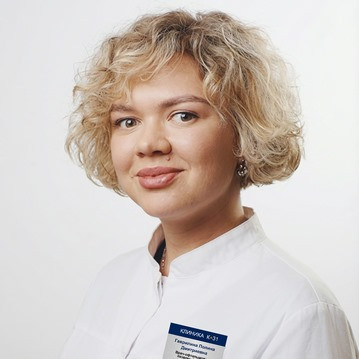
Gavrilina Polina Dmitrievna
Experience 8 years
Make an appointment
Gavrilina
Polina Dmitrievna
Ophthalmologist, laser surgeon
Sugonyaeva Olga Yurievna
Experience 26 years
Make an appointment
Sugonyaeva
Olga Yurievna
Ophthalmologist, laser surgeon
Khlunovskaya Anna Nikolaevna
Experience 8 years
Make an appointment
Khlunovskaya
Anna Nikolaevna
Ophthalmologist
Akhiyarova Azalia Azatovna
Experience 4 years
Make an appointment
Akhiyarova
Azalia Azatovna
Ophthalmologist
Putintseva Polina Andreevna
Experience 6 years
Make an appointment
Putintseva
Polina Andreevna
Ophthalmologist
Agafonova Oksana Sergeevna
Experience 21 year
Make an appointment
Agafonova
Oksana Sergeevna
Ophthalmologist, pediatric
Kazennov Alexey Nikolaevich
Experience 19 years
Make an appointment
Kazennov
Alexey Nikolaevich
Ophthalmologist, ophthalmologist-surgeon
Petrova Maria Grigorievna
Experience 14 years
Make an appointment
Petrova
Maria Grigorievna
Ophthalmologist, ophthalmic surgeon
Mazmanyan Karen Akopovich
Experience 28 years
Make an appointment
Mazmanyan
Karen Akopovich
Ophthalmic surgeon
Suchkova Valeria Alekseevna
Experience 6 years
Make an appointment
Suchkova
Valeria Alekseevna
Ophthalmologist
Khubieva Salima Aslanbievna
Experience 7 years
Make an appointment
Khubieva
Salima Aslanbievna
Ophthalmologist, laser surgeon
Rytik Nina Petrovna
Experience 15 years
Make an appointment
Rytik
Nina Petrovna
Ophthalmologist
All specialists
2GIS Award
2GIS Award

This award is given to clinics with the highest ratings according to user ratings, a large number of requests from this site, and in the absence of critical violations.

«Good place» according to Yandex

This award is given to clinics with the highest ratings according to user ratings. It means that the place is known, loved, and definitely worth visiting.

Our doctors are laureates of the ProDoctors Award

The ProDoctors portal collected 500 thousand reviews, compiled a rating of doctors based on them and awarded the best. We are proud that our doctors are among those awarded.

Make an appointment at a convenient time on the nearest date

Price

Reception
Price
Initial Ophthalmologist Appointment
from 6 450 ₽
Repeat Ophthalmologist Appointment
from 5 700 ₽

Other services

Laser vision correction Phacoemulsification of cataract with IOL implantation of any complexity Vitreoretinal surgeries of any complexity (vitrectomy) Laser photocoagulation of the retina during tears and degenerative changes in the retina Laser photocoagulation for diabetic retinopathy Intravitreal administration of Anti-VEGF drugs, hormonal implants Antiglaucomatous operations using various drains YAG laser dissection of the posterior capsule for secondary cataract Cataract treatment Treatment of glaucoma Retinal dystrophic changes Vitreous pathology Injury to the eye Post-traumatic and postoperative complications Myopia treatment Farsightedness Treatment of astigmatism Retinal disinsertion Non-contact laser procedure SMARTSURFACE Keratoplasty Femto SUPER LASIK Laser coagulation of the retina of the eye treatment on Ellex Integre Pro Scan Treatment of the retina with the Navilas laser system Femtolaser Cataract Removal Selection of children's night lenses Laser vision correction Clear Офтальмолог-онколог в Москве Treatment of keratoconus Laser coagulation of the retina Refractometry Retrobulbar injections Restoration of vision Lacrimal ducts Eye wash Synoptophore Forbis ESOM Pediatric ophthalmologist Ophthalmologist Glasses Biomicroscopy Night lenses Photo of an eye Eyelid suturing Selection of lenses Retinal laser Vision test Vitrectomy Vitrectomy Vitrectomy Eye pressure Ophthalmoscopy Fundus Gonioscopy Discision Orbitotomy Ophthalmodiagnostics OCT of the optic disc Keratoplasty Crystalline lens replacement Lacrimal duct Eye biometrics Angle of strabismus Lacrimal point IOL implantation Heterophoria Refraction Needling pillows Sclerectomy Micropulse laser Eyelid massage Intravitreal injections Iridoplasty Accommodation Bacterial culture Ophthalmology Cyclophotocoagulation Laser trabeculoplasty Laser stimulation Makdel Iridotomy Goniopuncture Corneal crosslinking Perimetry Pachymetry Angio-OCT Tubular test Color vision Convergence test Autofluorescence Eye mobility Corneal diagnostics Corneal transplant Skiascopy Strabismus Injection in the eye Tonometry Schirmer's test Trabeculotomy Diaphanoscopy Foreign body Foreign body Eyelid neoplasms Retinal tear Pterygium Chalazion Pneumatic retinopexy Glaucoma Ultrasound of the eye Eye biometrics Improving vision Cataract removal An attack of glaucoma Night lenses Eyelid ptosis Vision correction Angiography of the eye Retinoblastoma Laser coagulation PRK Orbital exenteration Evisceration of the eye Exophthalmometry PresbyLasik Removal of the lens Retinal thrombosis Nystagmus Lacrimal duct Eye removal Optic nerve Eyelash removal Neoplasms of the eyelids Myopia PRP therapy Autorefractometry Anti-VEGF Iris melanoma Glaucoma treatment Megalocornea Macular degeneration AMVO-01 Visotronik Amblyopia Accommodation Ametropia Cataract Lagophthalmos Anisometropia Asthenopia The optic nerve Dry eye syndrome Strabismus Aphakia Retinal coagulation Eyesore Blepharitis Eyelid spasm Blepharochalasis Blepharophimosis Myopia Vitrectomy Presbyopia Glaucoma Cataract Glaucoma Conjunctivitis Secondary cataract Dislocation of the lens Eversion of the eyelid Keratoconus Keratoglobus Keratitis Night blindness Ocular herpes Farsightedness Retinopathy Hypoplasia Eye strain Visual syndrome Coloboma Keratopathy Glaucoma Optic glioma Keratoconjunctivitis Cataract Dacryocystitis Color blindness Retinal dystrophy Flies Retinopathy Iritis Corneal ulcer Endophthalmitis Exophthalmos Iridocyclitis Glaucoma Retinal dystrophy Chorioretinitis Choroiditis Chalazion Phlegmon Uveitis Corneal dystrophy Retinitis Trachoma Strabismus Accommodation spasm Retinoblastoma Retinopathy Refraction (Visual Impairments) Strabismus Blind spot Dry eye Scleritis
Make an appointment

Appointment to the doctor

Fill out the form, our managers will contact you within 15 minutes

Reviews

I was lucky to get an appointment with ophthalmologist E. M. Rudkovskaya, a pleasant and responsive person, an excellent specialist who explains in detail all the subtleties of examinations and treatment. Thank you so much, Elena Mikhailovna!
28.07.2026
Nadezhda A.
The reception was held at the highest level. I liked everything. The doctor is simply the best ophthalmologist in Moscow. The communication was pleasant, I listened to everything, conducted research and made recommendations. I'll come back more than once.
28.07.2026
Andrey P.

About doctor:

Rytik Nina Petrovna

Very pleasant Dr. Shamsetdinova L.T.
25.07.2026
Viktoriya D.
Everything is fine. She conducted a number of studies, listened attentively, was very pleasant in communication, explained everything clearly. I am satisfied.
21.07.2026
Svetlana S,
A great professional doctor, responsive, thoughtful, positive, attentive to the patient.
18.07.2026
Aleksandr K.
I signed up for a check-up and accidentally got to Azalea Azatovna and I am very happy that I got to her! He is a very sensitive and attentive doctor, the operation to restore vision was excellent and easy, for which thank you very much! After the operation, I realize that I shouldn't have waited and feared so much, with such a professional in his field, nothing is scary!thank you very much!!!
16.07.2026
Irina S,
The reception was professional and unobtrusive. Additional examinations and diagnostics were carried out using modern equipment. During the consultation and examination, Polina Dmitrievna explained everything in detail and intelligibly, gave me clear recommendations, and answered all questions in detail. Polina Dmitrievna is a polite, attentive and simply amazing doctor. The clinic as a whole enjoys the atmosphere, responsiveness of the staff and the professionalism of the specialists.
11.07.2026
Nikolay K.
Rudkovskaya E.M. is an excellent doctor, if you need an ophthalmologist, I go to her. A very competent specialist. Explains everything by diagnosis. Comprehensively evaluates the condition, checking all the parameters.
11.07.2026
Vera S.
Wonderful doctor!
10.07.2026
Natalya P.
An excellent specialist. I am very pleased with the reception. Thanks to the doctor
08.07.2026
Svetlana U.
Почему К+31?
К + 31 — full-cycle multidisciplinary medical centers, including the possibility of providing medical services of European quality level.
К + 31 — are leading doctors and diagnostics using high-tech equipment from world manufacturers (Karl Storz, Olympus, Siemens, Toshiba, Bausch&Lomb, Technolas, Zeiss, Topcon).
К + 31 — is ethical. The staff of K+31 clinics maintain open relationships with patients and partners. An individual approach to each patient is the basis of our service standards.
К + 31 — is modernity. On call 24/7: call center operators will answer your questions at any time and book you an appointment with doctors. Contact us by phone, through the feedback form on the website and Max.

Our clinics

Address K+31 Lobachevskogo 2

st. Lobachevskogo, 42/7

Contacts

+7 499 999-31-31

Opening hours

Mon-Fri: 08:00 – 21:00
Weekend: 09:00 – 19:00

Address K+31 on Lobachevskogo

st. Lobachevskogo, 42/4

Contacts

+7 499 999-31-31

Opening hours

Mon-Fri: 08:00 – 21:00
Weekend: 09:00 – 19:00

Address K+31 Petrovskie Vorota

1st Kolobovsky pereulok, 4

Contacts

+7 499 999-31-31

Opening hours

Mon-Fri: 08:00 – 21:00
Sat-Sun: 09:00 – 19:00

Address K+31 West

Orshanskaya, 16/2; Ak. Pavlova, 22

Contacts

+7 499 999-31-31

Opening hours

Mon-Fri: 08:00 – 21:00
Sat-Sun: 09:00 – 18:00
K+31 on Lobachevskogo
Didn't find the service you were looking for?

Экстренная помощь