
Iritis of the eye (inflammation of the iris): symptoms, causes and treatment
Iritis of the eye rarely manifests suddenly. Initially, the eye becomes slightly red, a dull ache appears, and there is an unpleasant sensitivity to light. These symptoms can easily be mistaken for fatigue or a speck of dust under the eyelid. However, sometimes this is the onset of iris inflammation, which, if left untreated, can impair vision, so it's important to understand the cause early.

specialists

equipment

treatment






Causes and risk factors
Inflammation of the iris has various causes, and treatment depends on them. Sometimes an infectious agent is to blame, sometimes an immune system malfunction or injury. Some cases remain undiagnosed even after a full examination.
Infectious causes
Infection is a common cause of the disease. Inflammation is caused by herpes viruses, tuberculosis, syphilis, and toxoplasmosis, and sometimes by bacteria after a penetrating wound. In such cases, treatment is aimed not only at the eye but also at the infection itself. Therefore, it is important for the doctor to understand what exactly triggered the inflammation.
Autoimmune and systemic diseases
Often, the disease is associated with a general condition. It is found in ankylosing spondylitis, reactive arthritis, sarcoidosis, and inflammatory bowel disease. In these conditions, the immune system attacks the body's own tissues, including the lining of the eye. In these cases, the ophthalmologist works with a rheumatologist or general practitioner to manage the patient.
Trauma, surgery, and other provoking factors
Inflammation of the iris can also occur after direct trauma, such as a blow, burn, or foreign body. It sometimes occurs after eye surgery as a tissue response to the procedure. Hypothermia and severe stress, coupled with weakened immunity, can trigger an exacerbation.
In some patients, the disease recurs, and such relapses require special attention.
Symptoms of iritis: how to recognize the disease

The symptoms of iritis are noticeable. However, they are easily confused with more common conditions. The symptoms develop over hours or days and usually affect one eye. The sooner a person notices this combination of symptoms, the lower the risk of complications.
Pain, redness, and photophobia
A typical complaint is a dull ache in the eye that intensifies with bright light. Eye redness with iritis is distinctive: the blood vessels around the iris, closer to the border of the cornea, are dilated. Photophobia can be severe, making it difficult to look even in normal light. These three symptoms together are reason to consult a doctor.

Vision decreased, tearing, and pupil changes
Pain is often accompanied by tearing and a blurred vision. Vision loss develops due to clouding of the intraocular fluid and tissue swelling. A characteristic symptom is a narrowed pupil and a sluggish response to light. Sometimes the pupil becomes uneven if the iris has already begun to fuse with the lens.
When symptoms require urgent examination
It's alarming when pain and photophobia increase, and vision noticeably deteriorates over a short period of time. A warning sign is a change in pupil shape and a burning sensation that doesn't subside with rest.
In this situation, you can't wait and randomly administer medications. The sooner the patient sees a doctor, the better the chance of preserving vision.
How do we diagnose iritis
Diagnosis of iritis is based on an examination and several precise tests. Our goal:
- Confirm inflammation of the iris
- Assess its depth
- Find the cause
The treatment plan directly depends on this.
Ophthalmologist examination and biomicroscopy
The appointment begins with a conversation. The doctor asks when the complaints began, whether there have been similar episodes, and whether there are any chronic illnesses. A biomicroscopy is then performed. This is an examination of internal structures under high magnification. Even at this stage, it is clear whether the blood vessels around the iris are dilated and whether the pupil has changed.
Slit lamp and inflammation assessment
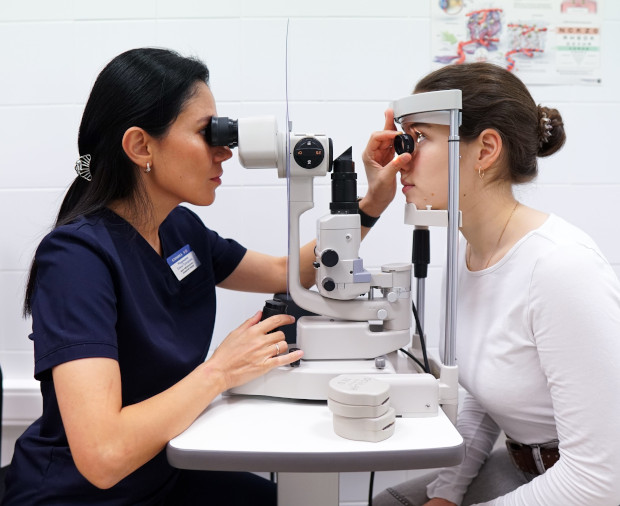
The ophthalmologist's primary tool is the slit lamp. A narrow beam of light allows the anterior chamber to be examined, revealing floating cells and protein within, which confirm active inflammation. The doctor assesses the extent of damage to the iris and whether there are any adhesions. These details are used to determine the severity of the disease.
Measuring intraocular pressure
In this case, intraocular pressure (IOP) is always checked. Inflammation alters the outflow of fluid, causing pressure to either increase or decrease. Monitoring this indicator helps detect the threat of secondary glaucoma early. Measuring is painless and takes a couple of minutes.
Additional examinations to find the cause
When inflammation recurs or is severe, we look for a systemic cause. For this, blood tests are ordered, and if necessary:
- A consultation with a rheumatologist
- X-ray
- Other tests
This search explains why the disease arose in the first place. Without it, treatment will relieve symptoms but will not address the root of the problem.
Iritis treatment: how we help patients
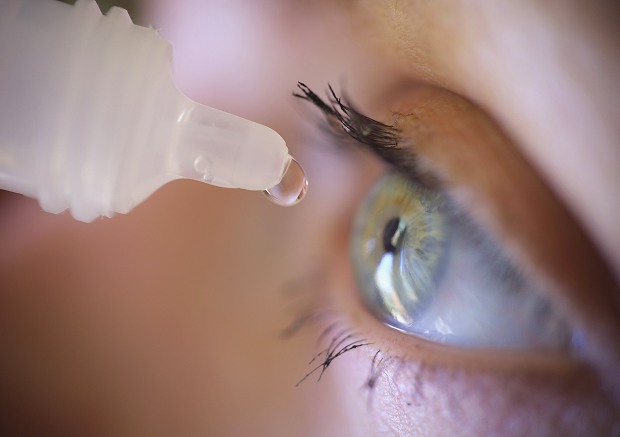
Treatment for iritis is determined by a doctor after an examination and depends on the cause and severity of the inflammation. The goal is to quickly relieve the active process, eliminate pain, and prevent complications. Experimenting with eye drops on your own is dangerous.
Drug therapy
Eye drops are the mainstay. Corticosteroids reduce inflammation, and mydriatics:
- Dilate the pupil
- Relieve spasm
- Prevent the iris from fusing with the lens
If the cause is infectious or systemic, medications that target the underlying cause are added. The dosage and duration of treatment are determined by an ophthalmologist.

Inflammation control and complication prevention
Treatment doesn't end with the initial improvement. We monitor the inflammation as it subsides. We monitor eye pressure dynamically. If there's a risk of adhesions or increased pressure, the regimen is promptly adjusted. This monitoring reduces the risk of complications and recurrences.
Why it's important not to choose eye drops yourself
Over-the-counter "redness" drops for iritis don't help, and sometimes even cause harm. Uncontrolled hormonal medications increase pressure and obscure the true picture. Antibacterial eye drops are useless unless the cause is bacteria. Therefore, we leave the selection of treatment to the doctor, who can assess the true condition of the eye.
In my practice, iritis often begins with simple eye redness, but without an examination, it can easily be confused with other inflammations. Therefore, we immediately assess the condition of the iris and intraocular pressure and select treatment based on the underlying cause of the condition, not just the symptoms. - ophthalmologist
Iritis and other eye diseases: how to distinguish between the two
How is iritis different from conjunctivitis?
Conjunctivitis is an inflammation of the mucous membrane, causing the entire eye to become red and produce copious amounts of mucus or pus. The pain is moderate, but a burning sensation and a gritty sensation are more common.
With iritis, pain and photophobia are more severe, and redness concentrates around the iris. With conjunctivitis, the pupil remains normal.
How is iritis different from keratitis?
Keratitis is an inflammation of the cornea, the transparent front layer of the eye. This condition also includes:
- Pain
- Photophobia
- Tearing
However, the person feels a foreign body, and the cornea becomes cloudy.
Iritis affects deeper structures. It is distinguished by the pupil's reaction. The exact distinction between the two conditions is made by a doctor.
Why self-diagnosis is dangerous
Diagnosing yourself based on online descriptions won't work: the symptoms overlap, and the treatments for these conditions are different. Eye drops that help with conjunctivitis can be harmful for iritis. Lost time can lead to complications and persistent vision loss. Therefore, if redness and pain persist, it's best to see an ophthalmologist.
The table below helps you quickly compare three similar conditions based on their main symptoms.
| Disease | Pain | Photophobia | Discharge | Characteristics |
|---|---|---|---|---|
| Iritis | Dull, worsens in light | Severe | Scanty, tearful | Constricted pupil, redness around the iris |
| Conjunctivitis | Mild, burning sensation | Mild or absent | Copious, mucus or pus | The entire eye is red, the pupil is unchanged |
| Keratitis | Sharp, feeling of a speck of dust | Severe | Lacrimation | Corneal clouding |
General information
Why patients choose us
Speed and accuracy are crucial for acute eye inflammation. We've structured our appointments so that patients receive both diagnosis and treatment in one place and quickly.
Quick diagnosis at the appointment
Examination, slit lamp, and pressure measurement are completed in a single visit. This shortens the time from initial complaints to treatment. For acute pain, we strive to see patients as quickly as possible.
Treatment based on clinical guidelines
We base our treatment plan on current clinical guidelines in ophthalmology. We select medications based on the cause and severity of the inflammation, not just one symptom. This approach reduces the risk of errors and recurrences.
Individualized plan and outcome monitoring
We create a personalized plan for each patient and explain it in simple terms. We schedule follow-up examinations to monitor how the eye is responding to therapy. If the cause of iritis is systemic, we help organize follow-up with a specialist doctor.


FAQ
We've compiled short answers to the questions patients most frequently ask during appointments.
Can iritis be treated at home?
How long does treatment for iritis last?
What are the dangers of iritis if left untreated?
Is iritis contagious?
Iritis itself is not spread from person to person. The underlying infection, such as herpes, can be contagious. Therefore, diagnosis is essential before treatment.
If your eye is red, painful, and sensitive to light, don't try to relieve the redness yourself—this can lead to complications with iritis. At K+31, an ophthalmologist will examine your eye with a slit lamp, check your intraocular pressure, determine the cause of the inflammation, and prescribe treatment. Make an appointment at the first sign of symptoms, especially if your symptoms worsen or recur.
Official portal of clinical guidelines of the Ministry of Health of the Russian Federation — https://cr.minzdrav.gov.ru/
Ministry of Health of the Russian Federation — https://minzdrav.gov.ru/
eLIBRARY — scientific Russian-language publication database — https://elibrary.ru/
Specialized Russian-language ophthalmology portal — https://eyepress.ru/
Our doctors





















This award is given to clinics with the highest ratings according to user ratings, a large number of requests from this site, and in the absence of critical violations.

This award is given to clinics with the highest ratings according to user ratings. It means that the place is known, loved, and definitely worth visiting.

The ProDoctors portal collected 500 thousand reviews, compiled a rating of doctors based on them and awarded the best. We are proud that our doctors are among those awarded.
Make an appointment at a convenient time on the nearest date
Price
Other services

Appointment to the doctor
Reviews




















Our clinics


Application “Personal Account K+31”












What is iritis and why is it important to treat it?
The iris is the colored part of the eye with a hole in the center called the pupil. It acts like a diaphragm, regulating how much light enters. When this membrane becomes inflamed, doctors call it iritis.
This condition is classified as anterior uveitis because the anterior portion of the choroid is affected. If the inflammation spreads from the iris to the adjacent ciliary body, iridocyclitis, a closely related form of anterior uveitis, develops.
What Happens with Iris Inflammation
When the iris is inflamed, or anterior uveitis, the blood vessels inside the eye dilate, allowing blood cells and protein to leak into the anterior chamber. This causes pain and a blurry sensation in the eye. The iris swells, the pupil constricts, and its response to light becomes poor. If the process persists, the tissues begin to stick together.
How is iritis dangerous for vision?
The main danger is complications that develop almost unnoticed. The inflamed iris can fuse with the lens, causing the pupil to lose its normal shape. The outflow of intraocular fluid is impaired, increasing intraocular pressure, which directly leads to secondary glaucoma. Therefore, it is important to treat iritis under the supervision of a doctor, without waiting until vision begins to deteriorate.