Nystagmus (eye tremors): causes, symptoms, diagnosis and treatment

Nystagmus is involuntary rhythmic eye movements that make it difficult to maintain focus. Many perceive it simply as eye shaking, but this symptom often stems from another issue. Therefore, it's important to recognize it and find the cause. We'll explain why it occurs, why it's dangerous, and how we help patients.

Best specialists
Best
specialists
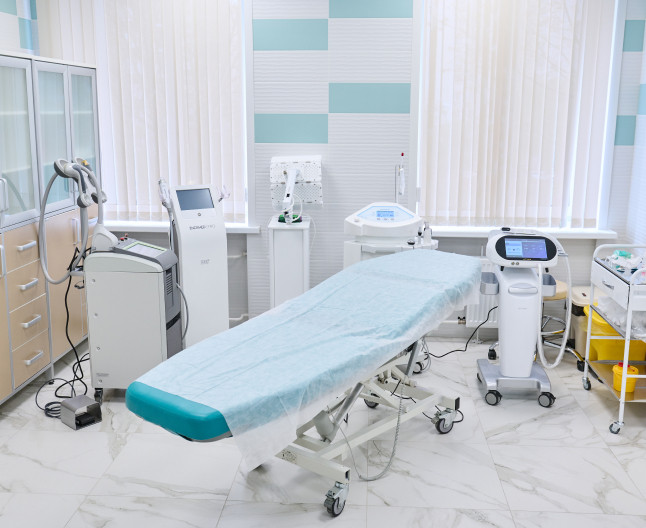
Expert equipment
Expert
equipment
Advanced diagnostic treatment
Advanced diagnostic
treatment
Download the application “Personal Account K+31”
Everything about your health in one click!
Subscribe to social networks K+31
To keep up to date with current offers and receive useful advice about your health.

What is nystagmus in simple terms?

Normally, the eyes move in concert and fixate on an object. In this condition, the eyes make rapid, repetitive movements that the person does not control. The movements can be subtle and almost imperceptible, or, conversely, pronounced.

This is usually a sign of a problem in one of the systems that control gaze. Eye movements are controlled by the eye muscles themselves, the vestibular system, and the nervous system. A malfunction at any level can cause oscillations, so the cause must be investigated comprehensively. The source cannot be determined by the type of movement alone.

What is nystagmus in simple terms?

Why nystagmus occurs: main causes
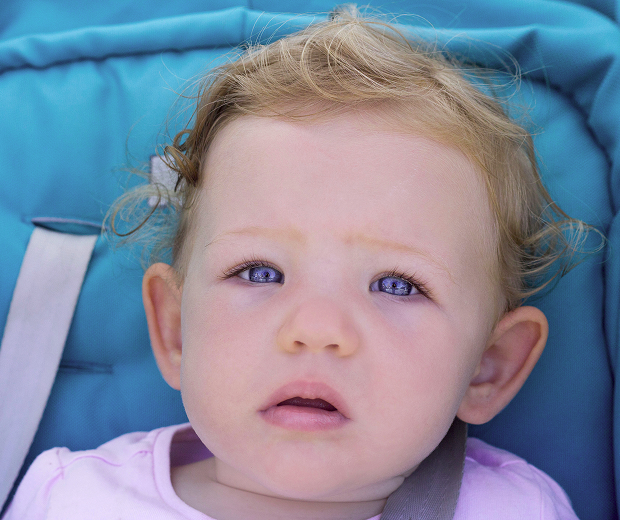
Why nystagmus occurs: main causes

The causes of nystagmus are divided into several groups, and treatment depends on them. Sometimes tremors are present from birth, while others appear later. Let's look at the main causes one by one.

Congenital nystagmus

Congenital nystagmus appears in the first months of a child's life. It is associated with the developmental characteristics of the visual system or hereditary factors. It is often noticed when the baby has difficulty fixating.

With this form, tremors often persist throughout life, but the brain partially adapts to them. Nevertheless, the child needs vision assessment and observation. This helps support visual development.

Acquired nystagmus

Acquired nystagmus occurs later, due to illness or injury. It can be caused by damage to the eyes, ears, or nervous system. When tremors appear suddenly in an adult, it is always a reason for examination.

Nystagmus in vestibular disorders

Nystagmus in vestibular disorders

A separate group is vestibular nystagmus, associated with the balance organ in the inner ear. It is often accompanied by dizziness and a feeling that the surroundings are "swimming." Such fluctuations are usually associated with balance problems.

Nystagmus in neurological diseases

Sometimes eye tremors indicate nervous system disorders. They are caused by lesions in the cerebellum, brainstem, and conduction pathways. In these cases, in addition to an ophthalmologist, a neurologist is essential.

Tremors that appear suddenly and are accompanied by other neurological complaints are especially alarming. In such cases, an examination is performed immediately. The goal is to rule out serious nervous system pathology.

How does eye tremor manifest itself?

Manifestations depend on the direction and nature of the vibrations. They affect both vision and well-being. Let's look at the main types and associated symptoms.

Horizontal, vertical, and rotary nystagmus

There are several types based on the direction of movement. Horizontal is the most common, with the eyes oscillating from left to right. Vertical and rotary are less common and often require more careful diagnosis.

Type of nystagmusHow it manifestsWhat it may be associated with
CongenitalPresent from an early ageDevelopmental features, heredity
AcquiredOccurs laterEyes, vestibular system, nervous system
HorizontalLeft to right movementsA common variant
Vertical or rotatoryUp-and-down or rotational movementsMay require more careful diagnosis

Continuous and periodic nystagmus

The tremors can be constant or occur intermittently. Constant tremors are almost always noticeable, while intermittent tremors occur under certain conditions, such as when looking to the side. The nature of the tremors helps the doctor narrow down the cause.

What symptoms often accompany nystagmus

.

Besides the movements themselves, other complaints may bother the person. Common ones include:

  1. Decreased visual acuity
  2. A feeling that objects are shaking
  3. Emergent eye fatigue

Dizziness and unsteadiness may accompany these symptoms.

Children with the congenital form sometimes turn or tilt their heads to find a better position for vision. For adults, the vibrations interfere with reading and concentration. It's important to discuss these details with your doctor during your appointment.

General information

What is the danger of nystagmus and when should you see a doctor?

Eye tremors in themselves aren't always dangerous, but they do affect vision and quality of life. They can also sometimes be a sign of a serious illness. Therefore, they shouldn't be treated as a mere quirk.

Vision loss and eye fatigue

Constant tremors interfere with clear vision, and visual acuity suffers. Eyes tire more quickly, especially when reading or working at a screen. In children, this can impede visual development.

Dizziness, loss of coordination, double vision

When tremors are associated with the vestibular system or nervous system, other complaints are added. These include dizziness, loss of coordination, and sometimes double vision. These symptoms significantly impact everyday life.

Urgent symptoms requiring immediate medical attention

Some symptoms require immediate medical attention. They may indicate an acute nervous system disorder. Seek immediate medical attention if you experience any of the following:

  • Sudden tremors
  • Severe dizziness
  • Double vision
  • Vision has worsened
  • Weakness, numbness, speech impairment, or impaired coordination have developed

In such cases, it is important not to wait or attempt to cope on your own. Timely assistance helps rule out dangerous causes.
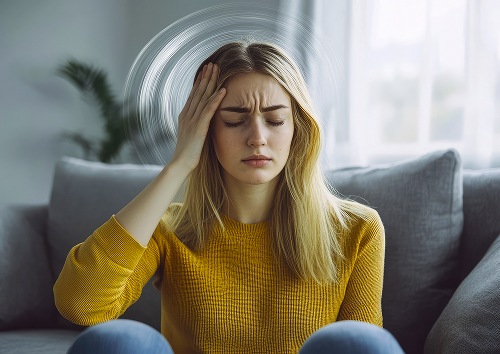
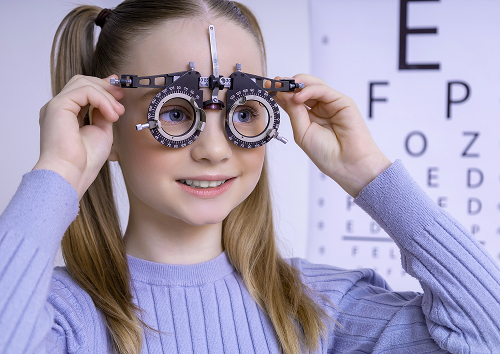
What is the danger of nystagmus and when should you see a doctor?

Nystagmus diagnosis: how we find the cause

Nystagmus diagnosis is based on finding the cause, as the tremor itself is only a visible symptom. We examine both the eyes and possible neurological causes. Let's look at what the examination consists of.

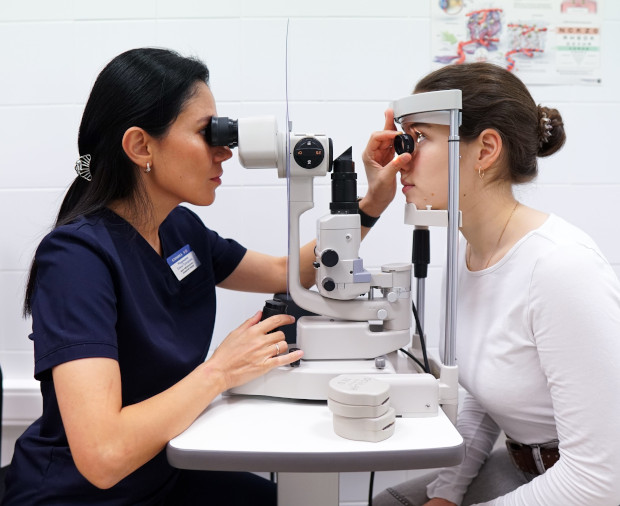
Ophthalmologist examination

First, the ophthalmologist checks visual acuity and evaluates the nature of the tremors:

  • Direction
  • Amplitude
  • Conditions under which they increase

The doctor examines the fundus and oculomotor functions. This information helps determine whether the tremor is related to the eyes.

Consultation with a neurologist and related specialists

If a neurological cause is suspected, a neurologist is involved. Complaints of dizziness require an assessment of the vestibular system and inner ear function. A team approach ensures that important causes are not missed.

Instrumental examinations and additional tests

If indicated, videonystagmography is prescribed, which records and measures eye movements. If necessary, an MRI is performed to rule out brain damage. The doctor determines the scope of the examination individually.

Nystagmus diagnosis: how we find the cause

Treatment of nystagmus: what works in practice

Treatment of nystagmus depends on the cause, so there is no single treatment plan. In some cases, symptoms can be significantly reduced, while in others, the condition can be stabilized and vision improved. Let's look at the main approaches.

Treatment of the underlying disease

If the tremor is caused by an ear or nervous system disorder, treatment begins with that. Once the underlying cause is controlled, the tremors often subside. Therefore, finding the source is so important.

Drug and optical correction

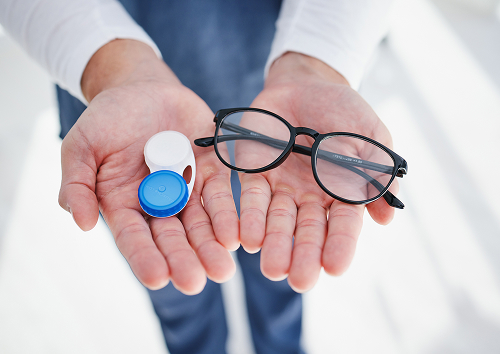
In some cases, medications that reduce the amplitude of tremors are helpful. Additionally, glasses or contact lenses are prescribed to improve vision. Optical correction is especially important for concomitant refractive errors.

Hardware methods and rehabilitation

For some forms, hardware techniques and visual rehabilitation are used. They help train gaze fixation and improve visual comfort. A program is tailored to the individual patient.

When surgical approaches may be required

In some cases, surgery on the oculomotor muscles is considered. Its goal is to reduce forced head rotation and improve eye position. The decision is made on an individual basis, after a complete examination.

In our practice, nystagmus almost always requires a search for the cause, not just an assessment of the eye movement itself. We begin with a comprehensive diagnosis to determine whether the problem is related to the eyes, vestibular system, or nervous system, and to choose a safe treatment strategy. – Ophthalmologist

Treatment of nystagmus: what works in practice

How does our center provide care?

When treating eye tremors, it's important to conduct a comprehensive examination and not limit ourselves to one area. We offer a step-by-step approach to care. Below is what this means.

A comprehensive approach to diagnosis

We evaluate both the eyes and possible neurological and vestibular causes. If necessary, we involve related specialists. This helps us find the source of the problem and go beyond a simple description of the symptom.

Individualized treatment plan

We tailor the care plan to the cause and the patient's specific needs. Some patients require optical correction, while others require treatment of the underlying condition and observation. We avoid standard prescriptions.

Why patients choose us

We explain the diagnosis in simple terms and support the patient from the first visit to the follow-up. We use modern methods for assessing eye movements. This approach helps you act calmly and consistently.

How does our center provide care?

FAQ

Short answers to the questions most often asked during an appointment

What is nystagmus in simple terms?

It's involuntary, repetitive eye movements that make it difficult to maintain focus. It's usually a symptom of another problem. Therefore, it's important to find the cause, as the tremor itself is only a visible symptom.

Can nystagmus develop in adulthood?

Yes, nystagmus in adults can occur after injuries, inflammation, neurological disorders, inner ear problems, or as a result of certain eye diseases. A person notices their gaze becoming unstable, difficulty focusing, and sometimes dizziness or double vision. A doctor evaluates the oscillatory movements of the eyes, tests their vision, and prescribes tests to determine the cause.

Is it possible to cure nystagmus?

The treatment depends on the cause. In some cases, symptoms can be significantly reduced, while in others, the condition can be stabilized and vision and well-being improved. A doctor will provide a precise prognosis after an examination.

Which doctor should I see for nystagmus?

An ophthalmologist is usually the first choice. If dizziness, loss of coordination, weakness, or double vision are present, a consultation with a neurologist may be necessary. These specialists often work together.

What tests are needed for nystagmus?

Most commonly, an eye examination, vision testing, and oculomotor function assessment are prescribed. Videonystagmography, MRI, and other tests may be added as needed. The specific tests depend on the suspected cause.
Conclusion: Why it is important not to delay examination

Conclusion: Why it is important not to delay examination

Eye tremors are a symptom that deserves attention, especially if they appear suddenly or are accompanied by dizziness and double vision. They can be a harmless symptom or a medical condition requiring treatment.

We conduct a comprehensive diagnosis, identify the cause, and develop a personalized treatment plan. If you notice involuntary eye movements in yourself or your child, schedule a consultation before the condition worsens. The sooner the cause is identified, the more reassuring and accurate the subsequent treatment will be.

Our doctors

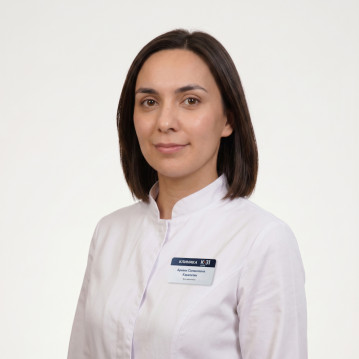
Karapetyan Arevik Samvelovna
Experience 12 years
Make an appointment
Karapetyan
Arevik Samvelovna
Ophthalmologist, Laser Surgeon
Batalina Larisa Vladimirovna
Experience 33 years
Make an appointment
Batalina
Larisa Vladimirovna
Deputy chief physician for ophthalmology, ophthalmic surgeon, leading specialist in laser vision correction
Amiryan Anush Gamletovna
Experience 28 years
Make an appointment
Amiryan
Anush Gamletovna
Ophthalmic oncologist surgeon
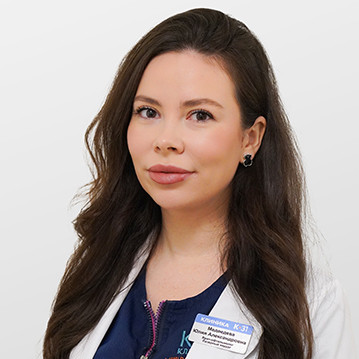
Medvedev Yulia Alexandrovna
Experience 11 years
Make an appointment
Medvedev
Yulia Alexandrovna
Ophthalmologist, Laser Surgeon
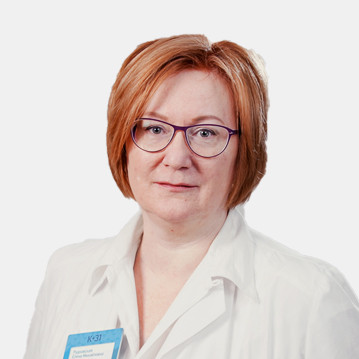
Rudkovskaya Elena Mikhailovna
Experience 38 years
Make an appointment
Rudkovskaya
Elena Mikhailovna
Ophthalmologist
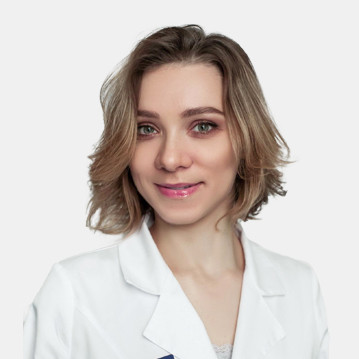
Tegniryadnova Ekaterina Valerievna
Experience 20 years
Make an appointment
Tegniryadnova
Ekaterina Valerievna
Ophthalmologist, laser surgeon
Fadeeva Victoria Anatolievna
Experience 13 years
Make an appointment
Fadeeva
Victoria Anatolievna
Doctor ophthalmologist, laser surgeon
Shamsetdinova Leila Tagirovna
Experience 17 years
Make an appointment
Shamsetdinova
Leila Tagirovna
Pediatric ophthalmologist
Gavrilina Polina Dmitrievna
Experience 8 years
Make an appointment
Gavrilina
Polina Dmitrievna
Ophthalmologist, laser surgeon
Sugonyaeva Olga Yurievna
Experience 26 years
Make an appointment
Sugonyaeva
Olga Yurievna
Ophthalmologist, laser surgeon
Khlunovskaya Anna Nikolaevna
Experience 8 years
Make an appointment
Khlunovskaya
Anna Nikolaevna
Ophthalmologist
Akhiyarova Azalia Azatovna
Experience 4 years
Make an appointment
Akhiyarova
Azalia Azatovna
Ophthalmologist
Putintseva Polina Andreevna
Experience 6 years
Make an appointment
Putintseva
Polina Andreevna
Ophthalmologist
Agafonova Oksana Sergeevna
Experience 21 year
Make an appointment
Agafonova
Oksana Sergeevna
Ophthalmologist, pediatric
Kazennov Alexey Nikolaevich
Experience 19 years
Make an appointment
Kazennov
Alexey Nikolaevich
Ophthalmologist, ophthalmologist-surgeon
Petrova Maria Grigorievna
Experience 14 years
Make an appointment
Petrova
Maria Grigorievna
Ophthalmologist, ophthalmic surgeon
Mazmanyan Karen Akopovich
Experience 28 years
Make an appointment
Mazmanyan
Karen Akopovich
Ophthalmic surgeon
Suchkova Valeria Alekseevna
Experience 6 years
Make an appointment
Suchkova
Valeria Alekseevna
Ophthalmologist
Khubieva Salima Aslanbievna
Experience 7 years
Make an appointment
Khubieva
Salima Aslanbievna
Ophthalmologist, laser surgeon
Rytik Nina Petrovna
Experience 15 years
Make an appointment
Rytik
Nina Petrovna
Ophthalmologist
All specialists
2GIS Award
2GIS Award

This award is given to clinics with the highest ratings according to user ratings, a large number of requests from this site, and in the absence of critical violations.

«Good place» according to Yandex

This award is given to clinics with the highest ratings according to user ratings. It means that the place is known, loved, and definitely worth visiting.

Our doctors are laureates of the ProDoctors Award

The ProDoctors portal collected 500 thousand reviews, compiled a rating of doctors based on them and awarded the best. We are proud that our doctors are among those awarded.

Make an appointment at a convenient time on the nearest date

Price

Reception
Price
Initial Ophthalmologist Appointment
from 6 450 ₽
Corneal Collagen Crosslinking with Ultraviolet Irradiation
from 52 500 ₽
Femtosecond Laser-Assisted Intrastromal Segment Implantation
from 200 000 ₽

Other services

Laser vision correction Phacoemulsification of cataract with IOL implantation of any complexity Vitreoretinal surgeries of any complexity (vitrectomy) Laser photocoagulation of the retina during tears and degenerative changes in the retina Laser photocoagulation for diabetic retinopathy Intravitreal administration of Anti-VEGF drugs, hormonal implants Antiglaucomatous operations using various drains YAG laser dissection of the posterior capsule for secondary cataract Cataract treatment Treatment of glaucoma Retinal dystrophic changes Vitreous pathology Injury to the eye Post-traumatic and postoperative complications Myopia treatment Farsightedness Treatment of astigmatism Retinal disinsertion Non-contact laser procedure SMARTSURFACE Keratoplasty Femto SUPER LASIK Laser coagulation of the retina of the eye treatment on Ellex Integre Pro Scan Treatment of the retina with the Navilas laser system Femtolaser Cataract Removal Selection of children's night lenses Laser vision correction Clear Офтальмолог-онколог в Москве Treatment of keratoconus Laser coagulation of the retina Refractometry Retrobulbar injections Restoration of vision Lacrimal ducts Eye wash Synoptophore Forbis ESOM Pediatric ophthalmologist Ophthalmologist Glasses Biomicroscopy Night lenses Photo of an eye Eyelid suturing Selection of lenses Retinal laser Vision test Vitrectomy Vitrectomy Vitrectomy Eye pressure Ophthalmoscopy Fundus Gonioscopy Discision Orbitotomy Ophthalmodiagnostics OCT of the optic disc Keratoplasty Crystalline lens replacement Lacrimal duct Eye biometrics Angle of strabismus Lacrimal point IOL implantation Heterophoria Refraction Needling pillows Sclerectomy Micropulse laser Eyelid massage Intravitreal injections Iridoplasty Accommodation Bacterial culture Ophthalmology Cyclophotocoagulation Laser trabeculoplasty Laser stimulation Makdel Iridotomy Goniopuncture Corneal crosslinking Perimetry Pachymetry Angio-OCT Tubular test Color vision Convergence test Autofluorescence Eye mobility Corneal diagnostics Corneal transplant Skiascopy Strabismus Injection in the eye Tonometry Schirmer's test Trabeculotomy Diaphanoscopy Foreign body Foreign body Eyelid neoplasms Retinal tear Pterygium Chalazion Pneumatic retinopexy Glaucoma Ultrasound of the eye Eye biometrics Improving vision Cataract removal An attack of glaucoma Night lenses Eyelid ptosis Vision correction Angiography of the eye Retinoblastoma Laser coagulation PRK Orbital exenteration Evisceration of the eye Exophthalmometry PresbyLasik Removal of the lens Retinal thrombosis Lacrimal duct Eye removal Optic nerve Eyelash removal Neoplasms of the eyelids Myopia Autorefractometry Anti-VEGF Iris melanoma Glaucoma treatment AMVO-01
Make an appointment

Appointment to the doctor

Fill out the form, our managers will contact you within 15 minutes

Reviews

The reception was professional and unobtrusive. Additional examinations and diagnostics were carried out using modern equipment. During the consultation and examination, Polina Dmitrievna explained everything in detail and intelligibly, gave me clear recommendations, and answered all questions in detail. Polina Dmitrievna is a polite, attentive and simply amazing doctor. The clinic as a whole enjoys the atmosphere, responsiveness of the staff and the professionalism of the specialists.
11.07.2026
Nikolay K.
Rudkovskaya E.M. is an excellent doctor, if you need an ophthalmologist, I go to her. A very competent specialist. Explains everything by diagnosis. Comprehensively evaluates the condition, checking all the parameters.
11.07.2026
Vera S.
Wonderful doctor!
10.07.2026
Natalya P.
An excellent specialist. I am very pleased with the reception. Thanks to the doctor
08.07.2026
Svetlana U.
I would like to express my sincere gratitude to all the staff of the K+31 clinic. Special thanks to the doctors of the ophthalmology department, Ekaterina V. Tegniryadnova, who has been seeing me for a long time, and Maria Grigorievna Petrova, who operated on me for a lens replacement. Everything went great! I would also like to mention the work of Diana's ophthalmology manager. I received comprehensive and timely answers to all my questions. THANK you so much to all of you!
I am very pleased with the reception, smart doctor, thank you By +31.
26.06.2026
Irina T.
The Miracle Doctor
24.06.2026
Anush D.
Почему К+31?
К + 31 — full-cycle multidisciplinary medical centers, including the possibility of providing medical services of European quality level.
К + 31 — are leading doctors and diagnostics using high-tech equipment from world manufacturers (Karl Storz, Olympus, Siemens, Toshiba, Bausch&Lomb, Technolas, Zeiss, Topcon).
К + 31 — is ethical. The staff of K+31 clinics maintain open relationships with patients and partners. An individual approach to each patient is the basis of our service standards.
К + 31 — is modernity. On call 24/7: call center operators will answer your questions at any time and book you an appointment with doctors. Contact us by phone, through the feedback form on the website and Max.

Our clinics

Address K+31 Lobachevskogo 2

st. Lobachevskogo, 42/7

Contacts

+7 499 999-31-31

Opening hours

Mon-Fri: 08:00 – 21:00
Weekend: 09:00 – 19:00

Address K+31 on Lobachevskogo

st. Lobachevskogo, 42/4

Contacts

+7 499 999-31-31

Opening hours

Mon-Fri: 08:00 – 21:00
Weekend: 09:00 – 19:00

Address K+31 Petrovskie Vorota

1st Kolobovsky pereulok, 4

Contacts

+7 499 999-31-31

Opening hours

Mon-Fri: 08:00 – 21:00
Sat-Sun: 09:00 – 19:00

Address K+31 West

Orshanskaya, 16/2; Ak. Pavlova, 22

Contacts

+7 499 999-31-31

Opening hours

Mon-Fri: 08:00 – 21:00
Sat-Sun: 09:00 – 18:00
K+31 on Lobachevskogo
Didn't find the service you were looking for?

Экстренная помощь