
Enucleation of the eyeball in Moscow
Enucleation of the eyeball in Moscow is a major ophthalmic surgery procedure. This procedure is performed only in cases where saving the eye is impossible or further preservation of the organ poses a risk to the patient's health. At the K31 Clinic, we always begin with a detailed examination and consider all possible treatment options before recommending surgery.
For many patients, the decision to undergo surgery is associated with anxiety and a multitude of questions. Therefore, our goal is not only to perform treatment but also to thoroughly explain the reasons for the surgery, the recovery stages, and the possibility of subsequent prosthetics.

specialists

equipment

treatment






What is enucleation and when is it needed?
Enucleation is a surgical procedure performed only for strict medical indications. Before making a decision, we always evaluate the possibility of preserving the eye and discuss all available treatment options with the patient.
Enucleation of the eye: what does the procedure mean?
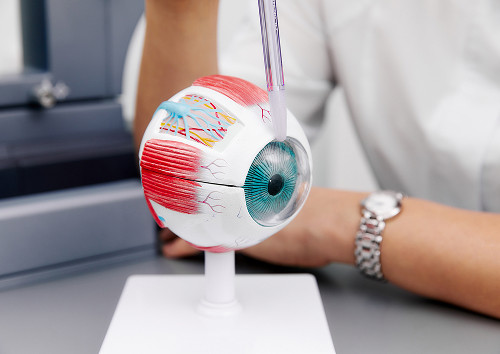
Enucleation of the eye is the surgical removal of the entire eyeball from its socket. Unlike surgeries that preserve individual structures of the eye, this procedure involves the complete removal of the organ.
It's important to understand that vision cannot be restored after this type of surgery. Therefore, the decision to proceed is made only after a thorough diagnosis.
When we recommend eye removal
Strict indications for enucleation are the basis for recommending surgery. We consider this treatment option only when other methods can no longer ensure patient safety or preserve ocular function.
In what situations can we try to save the eye?
Modern ophthalmic surgery offers a wide range of treatment options. If there is a possibility of saving the eye and avoiding surgery, we always discuss this with the patient.
In some cases, other surgical treatments, including evisceration, are considered instead of complete removal. The choice depends on the diagnosis, tissue condition, and potential risks.
Indications for enucleation of the eyeball

Indications for enucleation may vary, but they are all associated with severe eye damage.
The main causes are:
- Severe eye injury with destruction of the eyeball
- Malignant tumor of the eye
- Blind, painful eye
- High risk of complications if the organ cannot be preserved
Severe injury
Severe eye injury can lead to complete destruction of internal structures and irreversible vision loss. If restoration is impossible, the doctor may recommend removal of the eye as the safest treatment option.

Malignant neoplasms
In ophthalmic oncology, one of the reasons for surgery is an eye tumor. In such situations, protecting the patient's life and health becomes the primary goal.
Modern ophthalmic oncology requires an individualized approach and the participation of specialists from various fields.
Blind, painful eye and chronic pain syndrome
Sometimes the eye completely loses visual function, but remains a source of constant pain. In such cases, removing the eye can eliminate severe discomfort and improve quality of life.
Inflammatory processes and other complex cases
Severe inflammation, the consequences of infections, and certain rare diseases that make it impossible to save the eyeball can lead to surgery.
General information
How is eyeball enucleation performed?
Main stages of the surgery
Enucleation of the eyeball is performed in the operating room. During the procedure, the surgeon separates the eyeball from surrounding structures and carefully removes it from the orbit.
This type of eye removal requires high precision and experience from the surgical team.
What is installed after eye removal?
After eye removal, an orbital implant is usually placed. It helps preserve tissue volume and creates a foundation for subsequent prosthetics.
Later, an ocular prosthesis is selected based on this implant.
How long does the procedure last and what should the patient expect?
The duration of the surgery depends on the clinical situation. After the procedure, the patient remains under medical supervision and receives detailed care instructions.
Modern eyeball enucleation involves not only the surgery but also subsequent patient care.



Frequently Asked Questions
What is eyeball enucleation?
When is eye removal necessary?
How is enucleation different from evisceration?
When can an ocular prosthesis be installed?

Our doctors





















This award is given to clinics with the highest ratings according to user ratings, a large number of requests from this site, and in the absence of critical violations.

This award is given to clinics with the highest ratings according to user ratings. It means that the place is known, loved, and definitely worth visiting.

The ProDoctors portal collected 500 thousand reviews, compiled a rating of doctors based on them and awarded the best. We are proud that our doctors are among those awarded.
Make an appointment at a convenient time on the nearest date
Price
Other services

Appointment to the doctor
Reviews




















Our clinics


Application “Personal Account K+31”












How we prepare a patient for surgery
Ophthalmic Surgery Consultation
Preparation begins with a detailed discussion with the specialist. The ophthalmic surgeon assesses the patient's condition, reviews examination results, and answers questions about treatment.
We always discuss the surgical goals, possible risks, recovery stages, and subsequent prosthetics.
Preoperative Diagnostics
A comprehensive diagnostic is performed before surgery. We assess the condition of the orbit, surrounding tissues, and the patient's overall health.
Accurate diagnostics help choose a safe treatment strategy and plan further rehabilitation in advance.
Selection of Anesthesia and Treatment Plan
Choosing an anesthesia method is an important part of preparation. Modern anesthesia allows for the most comfortable procedure for the patient.
After the examination, a personalized treatment plan and postoperative follow-up are developed.
"We always begin with an accurate diagnosis and assess whether the eye can be saved. If removal is truly necessary, our goal is to perform the surgery as delicately as possible, ensure a smooth recovery, and plan for future prosthetics in advance," says ophthalmic surgeon at K31 Clinic.