
Первичная открытоугольная глаукома (ПОУГ): диагностика и лечение
Скрытое и постепенное ухудшение зрительных функций остается одной из главных проблем современной офтальмологии. Пациенты годами не замечают внутренних изменений, списывая легкую усталость глаз на обычное переутомление. Без своевременного медицинского вмешательства этот процесс неизбежно приводит к серьезным последствиям, поэтому так важно понимать механизмы развития и специфику данного заболевания.

специалисты

оборудование

лечения







Чем опасна открытоугольная глаукома и почему важно не ждать симптомов
Открытоугольная глаукома развивается годами и на начальных этапах никак себя не проявляет. Пациент не испытывает боли, рези или явного дискомфорта, которые могли бы заставить его обратиться за медицинской помощью.
Почему болезнь долго не вызывает жалоб
Бессимптомное течение объясняется особенностями строения нашего зрительного анализатора. При этой форме заболевания угол передней камеры глаза, где находятся дренажные системы, остается открытым, но сама фильтрационная сеть постепенно теряет свою пропускную способность. Жидкость задерживается медленно, поэтому внутриглазное давление поднимается плавно. Глаз успевает адаптироваться к таким изменениям, и у человека не возникает тех резких болевых ощущений.

Симптомы и признаки, на которые стоит обратить внимание
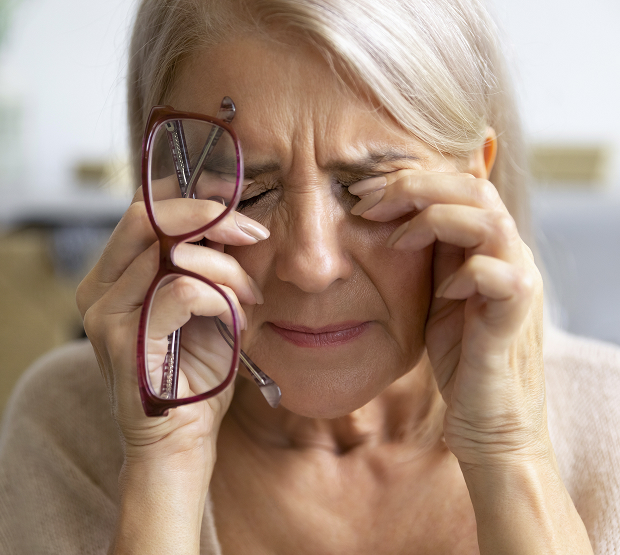
Иногда пациенты отмечают периодическое появление легкого тумана перед глазами, который быстро проходит. Также может возникать ощущение тяжести в надбровных дугах или слабая тупая боль в области висков.
Снижение периферического зрения
Человек сначала теряет способность четко видеть то, что находится по бокам от него.
Постепенно зона видимости сужается со стороны носа, а затем этот процесс распространяется на остальные участки.
Когда появляются заметные изменения
Заметные для самого человека изменения наступают тогда, когда атрофия затронула уже более половины волокон, из которых состоит зрительный нерв. К этому моменту болезнь обычно переходит в третью стадию. Пациент начинает внезапно натыкаться на предметы интерьера, не замечает боковые объекты при ходьбе или испытывает серьезные трудности при ориентации в пространстве.
Причины и факторы риска
Точные причины, по которым запускается первичная открытоугольная глаукома, до сих пор остаются предметом активных научных дискуссий в мировом офтальмологическом сообществе.
Главным фактором является нарушение баланса между продукцией и оттоком водянистой влаги внутри глаза.
Кому особенно важно пройти проверку у офтальмолога
Диагностика глаукомы рекомендована пациентам:
- Старше 40–45 лет, так как риски развития патологии увеличиваются пропорционально возрасту
- Имеющим близких родственников с аналогичным диагнозом
- С сопутствующими системными заболеваниями, такими как сахарный диабет, артериальная гипертензия или гипотония, шейный остеохондроз и атеросклероз
- С высокой степенью близорукости или дальнозоркости
- Вынужденным длительно принимать гормональные препараты
Как мы диагностируем открытоугольную глаукому
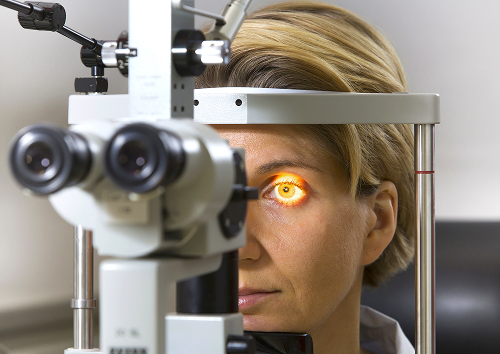
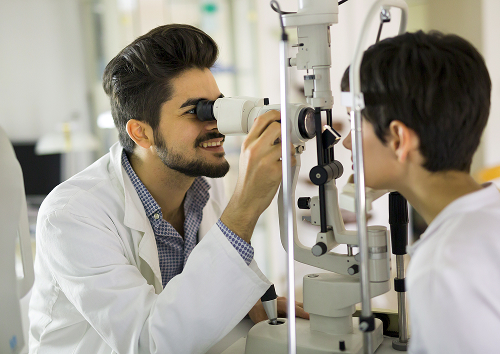
Мы никогда не выставляем диагноз на основе какого-то одного теста. Чтобы составить полную картину, наши специалисты используют высокотехнологичное оборудование экспертного класса.
Измерение внутриглазного давления
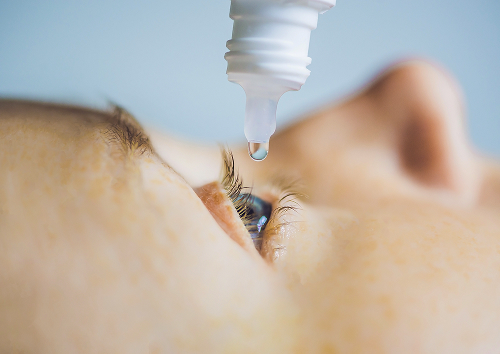
Офтальмотонометрия – это процедура, в ходе которой врач определяет уровень давления внутри глазного яблока. Мы применяем как бесконтактные методы, когда измерение происходит за счет направленной струи воздуха, так и классические контактные методики по Маклакову или Гольдману.
Периметрия и проверка поля зрения
Следующим важнейшим этапом является компьютерная периметрия. Это исследование позволяет определить границы видимости и выявить скрытые очаговые дефекты, которые называются скотомами.
На основе полученных данных прибор строит подробную карту, по которой офтальмолог может судить о степени сохранности зрительных функций.
Осмотр зрительного нерва, ОКТ и гониоскопия
Для оценки состояния внутренних структур глаза проводится комплексная аппаратная диагностика:
- ОКТ. Этот метод позволяет провести бесконтактное сканирование и получить послойное изображение органа с точностью до нескольких микрон
- Гониоскопия. Исследование проводится с помощью специальной линзы, которую врач аккуратно прикладывает к глазу пациента после предварительной капельной анестезии
- Осмотр глазного дна (офтальмоскопия). Врач детально изучает состояние сетчатки и оценивает диск зрительного нерва, обращая внимание на его цвет, четкость границ и степень экскавации — углубления, которое увеличивается по мере гибели нервных клеток
Общая информация
Что входит в первичную консультацию
Первый визит в наш медицинский центр — это фундамент, на котором строится все дальнейшее взаимодействие и подбор лечения.
Сбор жалоб и оценка факторов риска
Специалист выясняет, есть ли у вас жалобы на периодическое затуманивание, головные боли или дискомфорт в глазах. Также детально изучается анамнез жизни пациента, включая информацию о хронических заболеваниях, принимаемых медикаментах и случаях слепоты или глаукомы у кровных родственников.
Подбор необходимых исследований
На основании беседы офтальмолог составляет индивидуальный план обследования. Если у пациента обнаруживаются факторы риска, его сразу направляют на расширенный диагностический блок.
Пояснение результатов и план дальнейших действий
Если выявляется глаукома, специалист наглядно показывает на снимках ОКТ зоны повреждения и объясняет, какие шаги необходимо предпринять прямо сейчас. Пациент получает на руки официальное заключение и четкий пошаговый алгоритм действий.

Сравнение форм заболевания
| Признак | Открытоугольная глаукома | Закрытоугольная глаукома |
|---|---|---|
| Симптомы | Долгое отсутствие, сужение поля зрения | Острая боль, радужные круги, тошнота |
| Темп развития | Медленный, незаметный | Возможно внезапное обострение |
| Наличие боли | Обычно отсутствует | Резкая боль в глазу, головная боль |
| Тактика диагностики | Плановая, комплексная | Срочная, с гониоскопией |
| Срочность обращения | Планово, но без промедления | Неотложная |
Часто задаваемые вопросы
Что такое первичная открытоугольная глаукома?
Как понять, что у меня открытоугольная глаукома?
Можно ли остановить прогрессирование глаукомы?
Какие обследования нужны при подозрении на глаукому?
Заключение / призыв к действию

«При глаукоме мы ориентируемся не только на жалобы пациента. Важно оценить внутриглазное давление, поле зрения и состояние зрительного нерва. Именно комплексная диагностика позволяет заметить проблему вовремя и скорректировать лечение», — отмечает наш врач-офтальмолог.
Не откладывайте заботу о своем здоровье на будущее и не ждите, пока болезнь проявит себя первыми необратимыми симптомами. Единственный способ защитить себя и сохранить зрение — это регулярный профилактический осмотр.
Позвоните в наш медицинский центр прямо сейчас или заполните форму обратной связи на сайте клиники К+31, чтобы записаться на комплексное обследование в удобное для вас время.
Рубрикатор клинических рекомендаций Минздрава РФ — https://cr.minzdrav.gov.ru/
НМИЦ МНТК «Микрохирургия глаза» им. акад. С. Н. Фёдорова — https://www.mntk.ru/
НМИЦ глазных болезней им. Гельмгольца — https://www.helmholtzeyeinstitute.ru/
eLIBRARY.RU — https://elibrary.ru/
CyberLeninka — https://cyberleninka.ru/
Наши врачи




















Такая награда выдаётся клиникам с самым высоким рейтингом по оценкам пользователей, большим количеством обращений с данной площадки, при отсутствии критичных нарушений.

Такая награда выдается клиникам с самым высоким рейтингом по оценкам пользователей. Она означает, что место знают, любят и сюда точно нужно зайти.

Портал ПроДокторов собрал 500 тысяч отзывов, составил по ним рейтинг врачей и наградил лучших. Гордимся, что среди награжденных есть наши врачи.
Запишитесь на прием в удобное время на ближайшую дату
Стоимость
Другие услуги

Запись к врачу
Отзывы












Наши клиники


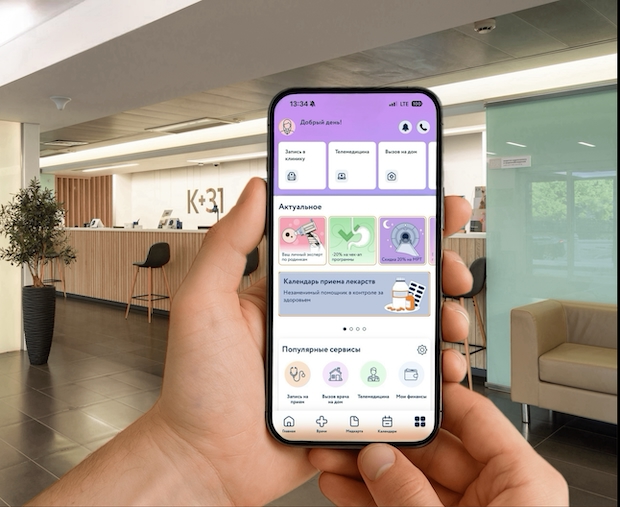
Приложение «Личный кабинет К+31»











Что такое первичная открытоугольная глаукома
Первичная открытоугольная глаукома, которую в медицинской практике часто обозначают как ПОУГ, представляет собой хроническое прогрессирующее заболевание органа зрения. При этой патологии происходит постепенное и необратимое поражение специфических структур, за счет которых человек может видеть окружающий мир. В основе развития данного процесса лежит ухудшение оттока внутриглазной жидкости по естественным дренажным каналам глаза. Жидкость начинает накапливаться, в результате чего повышается или становится нестабильным внутриглазное давление.
Повышенное давление внутри глазного яблока начинает оказывать постоянное механическое воздействие на задний отрезокт глаза, где расположен диск зрительного нерва. Длительное сдавливание и сопутствующее нарушение кровообращения приводят к атрофии нервных волокон.