
Blepharorrhea in Moscow: Stitching together the eyelids to protect the cornea
This procedure is performed when the eye requires mechanical protection, and eye drops, ointments, and dressings are no longer sufficient. We view eyelid stitching as a therapeutic surgical procedure. Its purpose is to reduce the opening of the palpebral fissure, reduce surface drying, and allow tissue time to heal.
At K+31 Medical Centers, blepharorrhea is determined after an in-person examination. We evaluate the eyelids, cornea, tear film, ocular sensitivity, and the underlying cause of the problem. Schedule a consultation in Moscow to have a doctor assess the risk to your cornea and propose a treatment plan.

specialists

equipment

treatment






What is blepharorrhea and when do we recommend it?
Blepharorrhea is a surgical suturing of the eyelids, in which the upper and lower eyelids are partially or almost completely secured together. This fixation reduces the ocular surface's exposure to air and reduces dryness. In ophthalmology, this method is used when the eye does not close normally or the cornea remains open for too long.
The decision depends on the risk: the doctor looks for dry eye, epithelial damage, inflammation, pain, decreased vision, or a risk of ulceration.
Temporary, partial and permanent blepharorrhea
Temporary blepharorrhea is performed when there is a chance the eye's condition will improve after treatment, injury, or nerve restoration. The doctor immobilizes the eyelids for a limited period to protect the cornea during its most vulnerable period. In ophthalmic surgery, this approach often helps maintain a safe postoperative recovery and allow the tissue time to heal. After improvement, the sutures can be removed. If incomplete eyelid closure persists for a long time and continues to damage the ocular surface, the doctor will consider a more long-term approach.
Procedure options differ in their purpose and extent of closure:
| Procedure type | When used | Purpose | Characteristics |
|---|---|---|---|
| Temporary | Needs to protect the eye during treatment | Preserve the cornea | Reversible, removed after improvement |
| Partial | Risk of drying out and damaging the eye | Reduces exposure to the exposed surface | Preserves partial vision and access for examination |
| Complete | Needs maximum protection | Close the eye to a greater extent | Requires observation and subsequent evaluation |
How the procedure helps preserve the cornea and vision
The cornea requires constant moisture and normal eyelid closure. When the eye remains open for long periods, the tear film dries out faster, and the superficial layer regenerates more slowly. Drying can lead to keratitis, erosion, or deeper tissue damage. Therefore, the main goal of the procedure is to protect the cornea and reduce the risk of complications during treatment.
Indications for blepharorrhea

The doctor determines the indications after diagnosis. We check how the eyelids close, whether there is epithelial damage, whether conservative treatment helps, and how quickly the condition might worsen. Blepharorrhea is indicated when the risk to the ocular surface is greater than the discomfort from limited vision.
When might we recommend the procedure:
- The eye does not close completely
- Severe dryness and risk of corneal damage
- Eye injury or burn
- Weakness of the orbicularis oculi muscle
- The need to temporarily protect the eye after treatment
This list does not replace an examination, as one complaint may have different causes.

Lagophthalmos and incomplete eyelid closure
Lagophthalmos means that the eyelids do not completely close the eye. With lagophthalmos, the risk of dry eye is higher at night. Sometimes the gap is small, but the cornea already dries out at night. In the morning, a burning sensation, redness, and a gritty sensation appear, which may later be followed by photophobia. In mild cases, drops, gels, protective dressings, and monitoring are helpful. In high-risk cases, we discuss suturing the eyelids with the patient.
Injuries, burns, and postoperative conditions
Eye trauma can disrupt the position of the eyelids, tissue sensitivity, or normal hydration. If the eye injury affects the edge of the eyelid, the risk of dry eye is higher. After a burn, the surface of the eye often heals slowly, and dry eye exacerbates the damage. In such situations, the procedure does not replace drops, ointments, and observation, but helps create the conditions for healing.
After some procedures, the cornea can also be vulnerable. Eyelid surgery can temporarily alter the position of the eyelid margin, so if there is a risk, the doctor will discuss protective fixation in advance.

Facial nerve paralysis and other causes
Facial nerve paralysis often results in weakness of the orbicularis oculi muscle. The eyelid does not close completely, tears are poorly distributed, and the cornea remains exposed. During the first few weeks, we can use hydration, protective measures, and observation. If the threat persists, temporary blepharorrhea can help close the eye while the nerve recovers.
Other causes include scarring, inflammation, tumors, neurosurgery, eye burns, decreased corneal sensitivity, and severe dry eye. Sometimes reconstructive surgery can solve the problem, but the ocular surface must be stabilized beforehand.
General information
Post-surgical recovery
Post-surgical recovery depends on the cause, the condition of the cornea, and the extent of fixation. We explain to the patient in advance how to care for the eye, how to use medications, and why the sutures should not be touched. The main goal in the first few days is to maintain fixation and avoid infection.
What to do and what not to do in the first few days
During the first few days, it is important to follow the doctor's instructions and return for follow-up appointments at the appointed time. You can wash your face carefully as directed by the doctor, use the prescribed drops and ointments, and protect your eye from dust and accidental contact. Avoid rubbing your eyelids, removing crusts, changing your medication regimen, or covering your eye with random bandages without permission.
Healing time and follow-up examinations
The patient usually notices the first changes as a decrease in irritation of the ocular surface. Swelling and tightness gradually subside. Follow-up examinations are necessary to assess the sutures, the condition of the cornea, and the adequacy of the protection. If the fixation is temporary, the doctor will advise in advance when removal can be considered.
When to see a doctor urgently
You should contact your doctor if you experience severe pain, sudden redness, discharge, photophobia, noticeable deterioration in vision, suture disintegration, trauma to the surgical site, or a sensation that the eye remains open.
Blepharorrhea is a medical procedure. It is determined by a doctor after an examination, so self-medication and attempts to fix the eyelids yourself can be harmful.


FAQ about blepharorrhea
How does blepharorrhaphy differ from tarsorrhaphy?
Is this a temporary or permanent procedure?
Is blepharorrhea painful?
How quickly is recovery?
Blepharorrhea in Moscow is available at K+31 by appointment. If you experience pain, redness, photophobia, a feeling of dryness, the effects of an injury, or difficulty closing your eye, don't delay your appointment. Schedule a consultation with an ophthalmologist in Moscow: we will assess your cornea, explain the risks, and develop a safe treatment plan.
Clinical Guidelines of the Ministry of Health of the Russian Federation — https://cr.minzdrav.gov.ru/
Portal of Clinical Guidelines of the Ministry of Health of the Russian Federation — search by ophthalmology topics — https://cr.minzdrav.gov.ru/
Bulletin of Ophthalmology — https://www.mediasphera.ru/journals/vestnik-oftalmologii
Russian Medical Journal — Ophthalmology section — https://www.rmj.ru/articles/oftalmologiya/
EyePress — ophthalmology portal — https://www.eyepress.ru/
eLIBRARY.RU — scientific library — https://elibrary.ru/
CyberLeninka — scientific articles in Russian — https://cyberleninka.ru/
Our doctors





















This award is given to clinics with the highest ratings according to user ratings, a large number of requests from this site, and in the absence of critical violations.

This award is given to clinics with the highest ratings according to user ratings. It means that the place is known, loved, and definitely worth visiting.

The ProDoctors portal collected 500 thousand reviews, compiled a rating of doctors based on them and awarded the best. We are proud that our doctors are among those awarded.
Make an appointment at a convenient time on the nearest date
Price
Other services

Appointment to the doctor
Reviews




















Our clinics


Application “Personal Account K+31”












How is blepharorrhea performed at K+31?
In the clinic, treatment begins with diagnosis. We must understand why the eye is open, what tissues are damaged, how urgently corneal protection is needed, and whether temporary methods can be used.
Initial consultation and diagnosis
A consultation with an ophthalmologist is necessary to assess the risk to the ocular surface. The ophthalmologist consultation includes an examination of the eyelids, cornea, and conjunctiva, an assessment of closure, tear film, and complaints. If necessary, the doctor uses ocular surface staining to detect epithelial defects. We also review previous surgeries, injuries, burns, neurological diseases, medications, and the timing of symptom onset.
Following the consultation, the ophthalmic surgeon explains the intended purpose of the procedure. Sometimes the plan is brief: protect the cornea for a few weeks and then remove the fixation.
Procedure steps
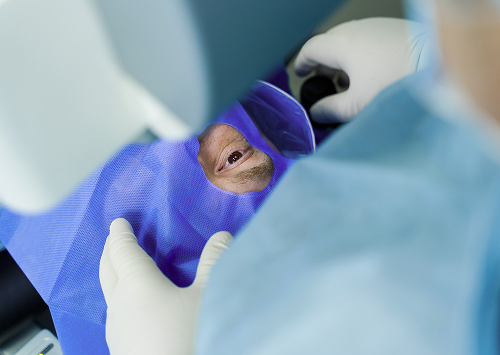
First, the doctor marks the fixation site and checks the extent of closure. Then, anesthesia is administered. After preparing the surgical field, the surgeon aligns the eyelid margins and places sutures in the selected area. With a partial procedure, a small incision is usually maintained for examination and administration of medications.
After completion, the patient receives recommendations regarding eye drops, treatment, restrictions, and a follow-up visit.
Anesthesia and duration of the procedure
Local anesthesia is most often used. The patient should not experience significant pain, but may feel touch or pressure. Eyelid surgery requires careful preparation. The duration depends on the extent, tissue condition, and the technique chosen.
After the procedure, moderate discomfort, swelling, and a feeling of tension are possible. Severe pain, increasing redness, or blurred vision require contacting the clinic.