
Keratitis (corneal inflammation): symptoms, causes, and treatment
Keratitis is an inflammation of the cornea, the transparent front layer of the eye. It's more serious than a simple irritation: it can quickly impair vision and lead to complications. Its causes vary, so treating it without a doctor's advice is dangerous. We'll explain how to recognize keratitis, why it occurs, and when you need to see an ophthalmologist.

specialists

equipment

treatment






Symptoms of keratitis
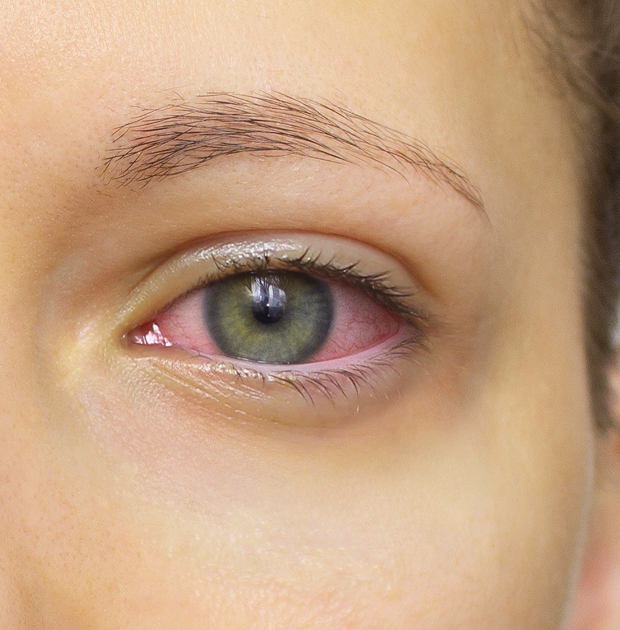
The symptoms of keratitis are noticeable, but they can easily be confused with simpler inflammation. The disease rarely resolves on its own and tends to progress. Let's look at the main signs.
Pain, redness, and tearing
Typical complaints include eye pain, redness, and profuse tearing. The eye reacts to any irritation, making blinking unpleasant. These symptoms often appear together and rapidly worsen. The eye becomes redder than usual due to irritation. Sometimes, it's difficult to even open the eyelids.
Photophobia and foreign body sensation
Photophobia is characteristic: it's difficult to look at light, causing a desire to close the eyes. A foreign body sensation, as if something is in the eye, is often present. These complaints are aggravated by bright light and outdoors. The person may want to cover the eye with their hand. This is a typical reaction to corneal inflammation.
Corneal Clouding and Vision Deterioration
As the inflammation progresses, the cornea becomes cloudy. This causes blurred vision, with objects appearing foggy. This sign indicates that the process has affected the deeper layers.
At this stage, treatment requires special attention. Therefore, it's no longer possible to postpone a visit.
Causes and types of keratitis
Corneal inflammation has many causes, and treatment depends on them. The most common are infectious, traumatic, and immune-related. Let's look at the main ones.
Infectious keratitis: bacterial, viral, fungal
The most common group is infections. Bacterial keratitis develops quickly and produces purulent discharge. Viral keratitis is often associated with herpes. Fungal keratitis is less common but severe.
Traumatic and contact keratitis
The disease develops after an injury, burn, or the ingestion of a foreign body. Another cause is improper contact lens wear. If not properly cared for, lenses can damage the cornea and cause infection.
Allergic, autoimmune and neurotrophic keratitis
Sometimes, inflammation is associated with allergies or autoimmune processes. A separate form is neurotrophic keratitis, which causes corneal sensitivity to be impaired. In such cases, it is important to treat both the eye and the underlying cause. Without this, the disease will recur. Therefore, the doctor will assess the patient's overall condition.
General information
How does an ophthalmologist diagnose the problem?
Keratitis diagnosis begins with an examination and a conversation. Our goal is to confirm the inflammation, assess its depth, and find the cause. The treatment plan depends on this.
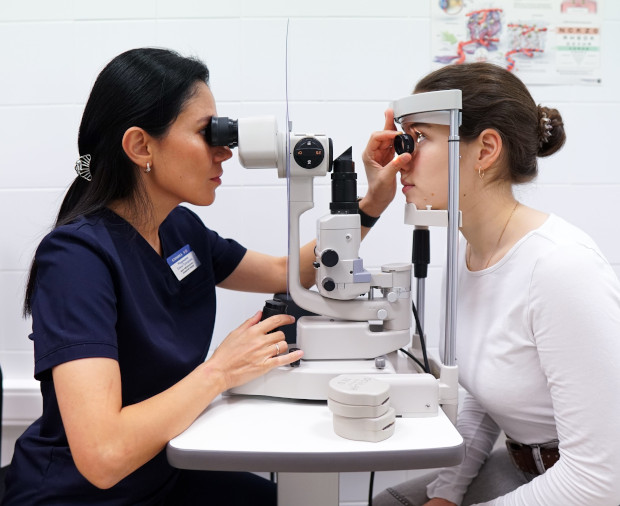
Slit lamp examination
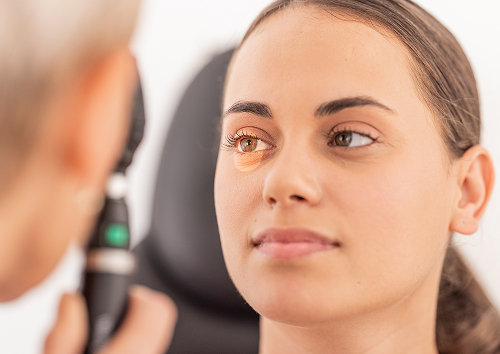
The main method is a slit lamp examination under magnification. The doctor:
- Examines the cornea
- Looks for defects
- Evaluates the depth of the lesion
At this stage, much becomes clear.
Biomicroscopy and additional tests
Biomicroscopy allows for a detailed examination of the surface and layers of the cornea. To detect epithelial defects, a special stain is used. If an infection is suspected, a sample is taken for testing to identify the pathogen. This helps select a medication specifically for the cause. This is especially important in severe cases.
How to distinguish corneal inflammation from conjunctivitis
With conjunctivitis, the mucous membrane is inflamed, and vision is usually unaffected. Conjunctivitis is characterized by more intense pain and photophobia, and changes in the cornea are visible. These differences help the doctor differentiate between the two conditions, but it's difficult for the patient to do so. Therefore, self-diagnosis over the internet is not recommended. Similar symptoms require different treatments.
| Symptom | Keratitis | Conjunctivitis |
|---|---|---|
| Pain | Often severe | Usually milder |
| Photophobia | Often present | Rarely severe |
| Vision loss | Possible | Usually not |
| Foreign body sensation | Often | May be |
| Risk of complications | Higher | Lower |


Some signs indicate that a visit to the eye doctor is urgent. See your ophthalmologist as soon as possible if you experience the following symptoms:
- Severe eye pain
- Photophobia
- Vision impairment
- Purulent or excessive lacrimation
- A feeling of "something being caught" in the eye
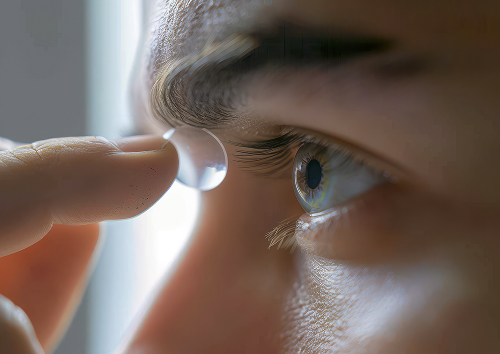
If you wear contact lenses and suddenly experience pain, stinging, or photophobia, remove them and consult your doctor. The sooner treatment is started, the better the chance of avoiding complications.
FAQ
Short answers to the questions most frequently asked during appointments.
Is keratitis contagious?
Can keratitis be treated at home?
How long does keratitis treatment last?
Why is keratitis dangerous?
Clinical Guidelines of the Ministry of Health of the Russian Federation — https://cr.minzdrav.gov.ru/
Russian Medical Journal, Ophthalmology Section — https://www.rmj.ru/articles/oftalmologiya/
Ophthalmology Journal — https://www.ophthalmologyjournal.ru/
CyberLeninka, search by topic: keratitis — https://cyberleninka.ru/
Vidal, encyclopedia of ophthalmology - https://www.vidal.ru/encyclopedia/ophthalmology/keratit
eLIBRARY - https://elibrary.ru/
Our doctors





















This award is given to clinics with the highest ratings according to user ratings, a large number of requests from this site, and in the absence of critical violations.

This award is given to clinics with the highest ratings according to user ratings. It means that the place is known, loved, and definitely worth visiting.

The ProDoctors portal collected 500 thousand reviews, compiled a rating of doctors based on them and awarded the best. We are proud that our doctors are among those awarded.
Make an appointment at a convenient time on the nearest date
Price
Other services

Appointment to the doctor
Reviews




















Our clinics


Application “Personal Account K+31”












What is keratitis and why is it dangerous?
The cornea is responsible for the passage and focusing of light, so clarity of vision depends on its transparency. When diseased:
This causes vision impairment, and the eye becomes painful. The deeper the inflammation, the more severely it affects clarity. Therefore, it is important to take symptoms seriously.
The main danger is complications. Without treatment, the inflammation deepens, an ulcer may form, and after healing, cloudiness remains.
Persistent corneal clouding reduces vision for a long time, so it's important to act immediately. A deep defect can leave a scar. This scar prevents light from reaching the retina and impairs vision.