
Asthenopia (Visual Fatigue): Symptoms, Causes, and Eye Care
When eyes quickly tire from reading, looking at a screen, or working with documents, the problem may be related to more than just strain. Sometimes, visual impairment, dry eyes, focusing strain, or inappropriate correction are behind the discomfort. At K31 Clinic, we identify the cause of the complaint, conduct an examination, and tailor treatment based on the patient's lifestyle.

specialists

equipment

treatment






Causes of asthenopia

Long-term computer work and gadgets
One of the main stresses today is computer work. When a person stares at a screen for a long time, they blink less often, focus more intensely, and maintain their gaze at close range for longer periods.
This can lead to the development of computer vision syndrome. Patients notice dryness, redness, decreased image clarity, heaviness, and the need to pause more frequently.
Visual impairment and accommodation spasm
Common factors include uncorrected myopia, hyperopia, astigmatism, and poorly fitting glasses.
Accommodation spasm is associated with overstraining the focusing mechanism. It becomes more difficult for the eyes to quickly switch between near and far distances.

Dry Eyes and Other Associated Conditions
Dry eyes increase discomfort during visual work. If the tear film is unstable, the surface is less protected, and irritation occurs more quickly.
Patients may complain of burning, gritty, itchy eyes, redness, and tearing. Sometimes, a person thinks they are simply tired, but during an examination, a doctor sees signs of dryness.
Incorrect Lighting, Posture, and Visual Strain
Too bright or dim lighting, glare on the monitor, small fonts, a low-positioned screen, and a lack of breaks increase strain.
Under these conditions, visual strain increases, even if vision remains generally good.
Symptoms of asthenopia
Main Signs of Visual Fatigue
Main Symptoms of Asthenopia:
- Heaviness in the Eyes
- Desire to Close the Eyes
- Decreased Concentration
- Discomfort When Reading
- Feeling of Tension
- Emergency Fatigue
Some patients experience complaints in the late afternoon, while others experience them in the morning, especially if their workload begins with working on a computer or documents.
When blurry vision, pain, and headache occur
With increased strain, blurred vision, fogginess, headache, and a feeling of pressure in the forehead and bridge of the nose may occur. The patient also experiences pain and burning in the eyes.
What symptoms require a visit to an ophthalmologist?
Reasons to make an appointment with an ophthalmologist:
- Symptoms do not improve with rest
- Blurred vision appears
- A burning, stinging, or dry sensation appears
- Headache after visual strain
- Double vision or a sensation of a veil appears
If vision deteriorates suddenly, pain, flashes of light, a dark spot, or a sensation of a curtain appears, urgent eye care is needed.
| Symptom | Asthenopia | Dryness | Accommodation spasm |
|---|---|---|---|
| Primary trigger | Visual strain | Tear film disturbance | Focusing strain |
| Typical complaints | Fatigue, burning, blurring | Grit, dryness, Pain | Difficulty focusing, fatigue quickly |
| What helps | Load adjustments | Dryness treatment | Selecting a correction and regimen |

Accommodative asthenopia
The accommodative form is related to the focusing mechanism. It can occur with prolonged close-up workload, incorrect correction, or refractive errors.
Muscular asthenopia
The muscular form is associated with overexertion of the oculomotor muscles. Complaints intensify when reading, working with small details, and prolonged use of gadgets.
Symptomatic asthenopia
The symptomatic form develops against the background of another condition. In this case, the causes of asthenopia may be related to inflammation, dry eye, visual impairment, or general overwork.
Nervous overload and eyestrain
Stress, lack of sleep, and heavy study or workloads can increase eyestrain. In these situations, the eyes become more sensitive to screens, bright light, and prolonged close-up work.
General information
When to see a doctor
If symptoms don't improve with rest
If asthenopia symptoms persist after sleep, weekends, or reduced activity, a consultation is necessary. A doctor will determine whether the complaints are related to work schedule, visual impairment, or the condition of the ocular surface.
If vision deteriorates or double vision occurs
If vision becomes blurry, double vision occurs, pain occurs, or vision suddenly deteriorates, you should see a doctor. Such symptoms may be related to more than just fatigue.
If discomfort interferes with work, study, and driving
When eye fatigue interferes with reading, working on a computer screen, studying, or driving, it's best not to delay the problem. The sooner the cause is identified, the easier it is to find help.




Frequently Asked Questions
What is asthenopia in simple terms?
Can asthenopia go away on its own?
Why is fatigue dangerous?
How does a doctor diagnose and treat asthenopia?
Sign up for a consultation

What you'll get at your initial appointment
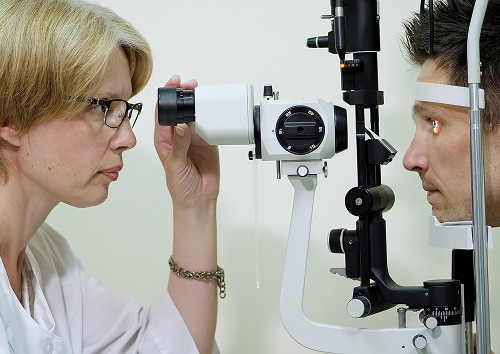
During your initial appointment, the doctor will perform an ophthalmological examination, clarify your complaints, check your vision, and assess factors that may be causing discomfort.
Following the examination, the patient will receive clear recommendations for correction, exercise regimen, dry eye treatment, and follow-up care.
When you shouldn't delay your appointment
Don't wait if symptoms persist after rest, interfere with work or school, or are accompanied by blurred vision, double vision, pain, flashes of light, a dark spot, or a sensation of a curtain.
At K31 Clinic, we conduct a comprehensive assessment, identify the cause of your complaints, and find a personalized solution. Schedule a consultation if your eyes tire quickly and regular rest no longer helps.
References
- Register of Clinical Guidelines of the Ministry of Health of the Russian Federation
- Ministry of Health of the Russian Federation
- Russian Medical Journal, Ophthalmology Section
- Bulletin of Ophthalmology
- CyberLeninka: Search for "astenopia"
- CyberLeninka: Search for "комутерный виный syndrome"
- GEOTAR-Media
Our doctors





















This award is given to clinics with the highest ratings according to user ratings, a large number of requests from this site, and in the absence of critical violations.

This award is given to clinics with the highest ratings according to user ratings. It means that the place is known, loved, and definitely worth visiting.

The ProDoctors portal collected 500 thousand reviews, compiled a rating of doctors based on them and awarded the best. We are proud that our doctors are among those awarded.
Make an appointment at a convenient time on the nearest date
Price
Other services

Appointment to the doctor
Reviews




















Our clinics


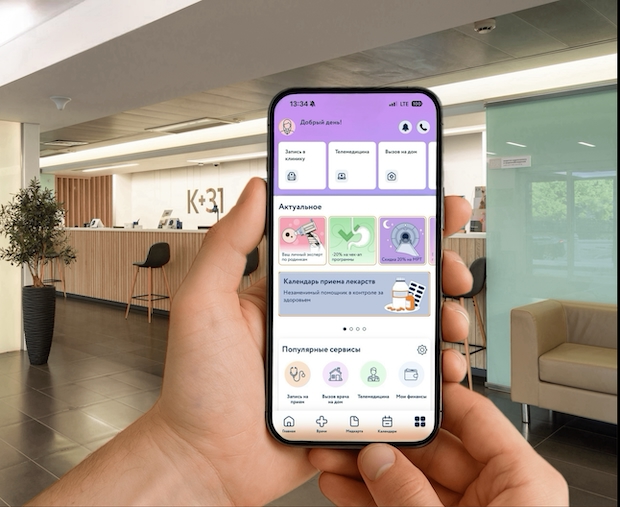
Application “Personal Account K+31”












Signs of accommodation disorder
Asthenopia is a condition in which the eyes quickly tire during visual work. A person may notice heaviness, blurring, discomfort when reading, difficulty concentrating, and the urge to take frequent breaks.
Visual fatigue occurs when the system is overloaded. This overload can include prolonged screen time, reading small text, poor lighting, incorrect vision correction, or impaired accommodation.
How is asthenopia different from regular eye fatigue?
Regular eye fatigue resolves with rest, sleep, or reduced workload. With asthenopia, complaints recur, may reappear shortly after starting work, and interfere with normal activities.
Why it's important not to ignore this condition?
Visual fatigue can be the first sign of a problem that can't be resolved with breaks alone. It may be caused by myopia, hyperopia, astigmatism, accommodation problems, or ill-fitting glasses.
"In my experience, asthenopia is rarely an independent problem. More often, it is caused by improper correction, dry eyes, or strain from working in front of a screen. Therefore, we always start by identifying the cause and tailoring a solution individually," says ophthalmologist at K31 Clinic.