
Ophthalmotonometry in Moscow: Accurate Intraocular Pressure Measurement
Ophthalmotonometry is a diagnostic procedure that helps us assess intraocular pressure and promptly detect deviations that are important for preserving vision.
Measuring intraocular pressure is necessary for glaucoma prevention and when monitoring at-risk patients.
At K31 in Moscow, patients receive not just information, but a clear explanation of the results and an answer to the question of when to return for a follow-up vision check.

specialists

equipment

treatment






When to check intraocular pressure
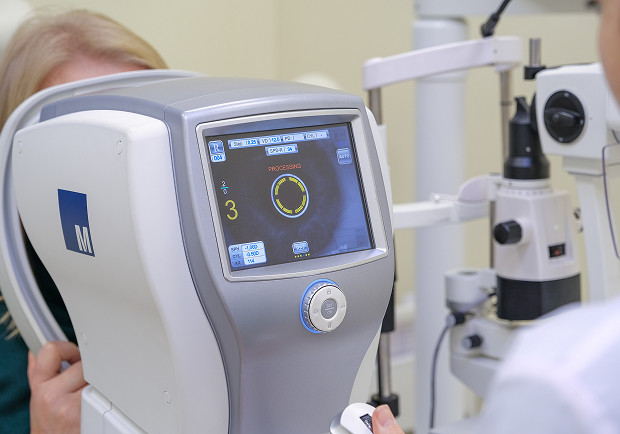
Routine Preventive Examination
Routine eye tonometry is necessary for people over 40, even if there are no complaints. With age, the risk of ophthalmological diseases increases, and early detection of changes helps to choose timely monitoring or treatment.
We recommend the procedure as part of a preventive examination, especially if there is a family history of glaucoma, myopia, diabetes, hypertension, or vascular disorders.
Glaucoma Monitoring
The doctor monitors the patient's progress: how the indicators have changed, whether there have been any fluctuations, how the patient is tolerating the therapy, and whether vision control is being maintained.
In glaucoma, we often supplement tonometry with assessment of the optic nerve, visual field, and other vision diagnostic methods.
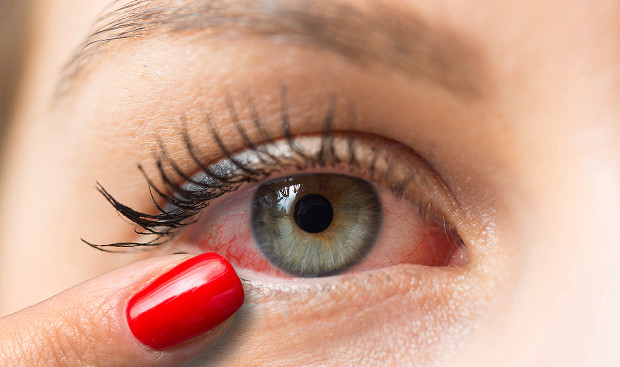
Complaints and risk factors
Who should be examined?
- Patients with a family history of glaucoma
- If you experience fog or blurred vision
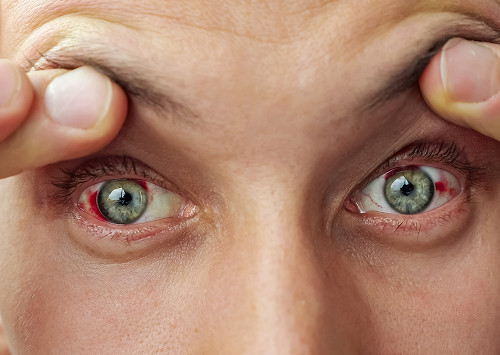
- If you experience pain, heaviness, or redness in your eyes
- After age 40, for preventive monitoring
- If you have diabetes, myopia, or hypertension
If symptoms appear suddenly, or if there is severe pain, severe redness, nausea, sudden deterioration in vision, or an eye injury, you should seek immediate medical attention. to the doctor, rather than waiting for a scheduled appointment.
What methods of ophthalmotonometry exist?
Non-contact tonometry
Non-contact tonometry is performed without touching the surface of the eye. The device directs a short stream of air onto the cornea and calculates the reading based on its response.
This option is convenient for screening, preventive visits, and situations where it is important to quickly obtain preliminary data. If the doctor detects abnormalities or a high risk of glaucoma, they may prescribe a repeat measurement or another method.
Contact Tonometry
Contact tonometry involves gentle contact of the measuring element with the surface of the eye. Local anesthetic drops are usually used before the procedure, so there shouldn't be any significant pain.
We consider the condition of the cornea, the presence of inflammation, previous surgeries, and the patient's complaints to ensure a safe procedure.
Maklakov Method
The Maklakov method is a classic inspection method that has been used in ophthalmological practice for many years. It is a contact method and requires eye preparation, sterility, and proper evaluation of the resulting impression.
The main differences between the methods can be conveniently compared in the table:
| Method | Eye contact | Comfort | When used |
|---|---|---|---|
| Non-contact tonometry | No | High | For rapid screening and initial assessment |
| Contact tonometry | Yes | Average | When a more precise assessment is needed based on readings |
| Maklakov Method | Yes | Average | Classical Method of Monitoring Intraocular Pressure |
General information
How is ophthalmotonometry performed at K31?
Preparing for the procedure
If you wear contact lenses, remove them. It is also important to inform the doctor about any inflammation, recent surgery, injury, allergies to eye drops, or current treatment.
If you are already using glaucoma drops, you cannot stop using them without prior approval.
How is the measurement performed?
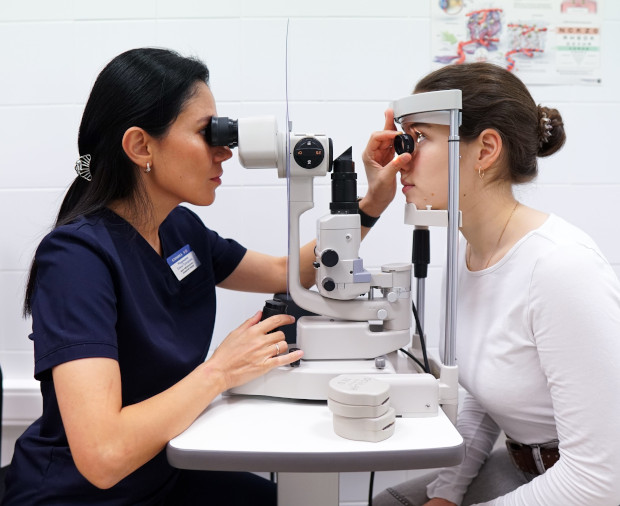
During the appointment, the patient sits in front of the device or undergoes the procedure in the doctor's chair. With the contactless method, you need to look at the mark and remain still for several seconds.
Ocular tonometry takes several minutes. It's important for us to obtain accurate results, explain the data, and, if necessary, repeat the measurement if the values require clarification.
How long does the appointment last and when will the results be available?
The ophthalmologist explains whether the values are within the expected range, whether there is a reason for additional testing, and how often monitoring is needed.
"We often see that elevated intraocular pressure doesn't cause obvious symptoms for a long time. That's why at [Brand], we recommend not waiting for complaints: ophthalmotonometry takes just a few minutes, and the results help us identify the risk of glaucoma early and provide the patient with clear recommendations."

Frequently Asked Questions
What is ophthalmotonometry?
Is measuring intraocular pressure painful?
How often should ophthalmotonometry be performed?
Can you wear contact lenses for tonometry?
Our doctors













This award is given to clinics with the highest ratings according to user ratings, a large number of requests from this site, and in the absence of critical violations.

This award is given to clinics with the highest ratings according to user ratings. It means that the place is known, loved, and definitely worth visiting.

The ProDoctors portal collected 500 thousand reviews, compiled a rating of doctors based on them and awarded the best. We are proud that our doctors are among those awarded.
Make an appointment at a convenient time on the nearest date
Price
Other services

Appointment to the doctor
Reviews
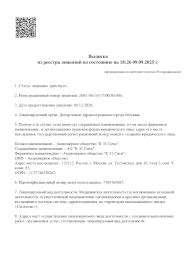
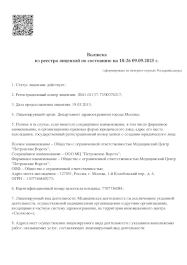
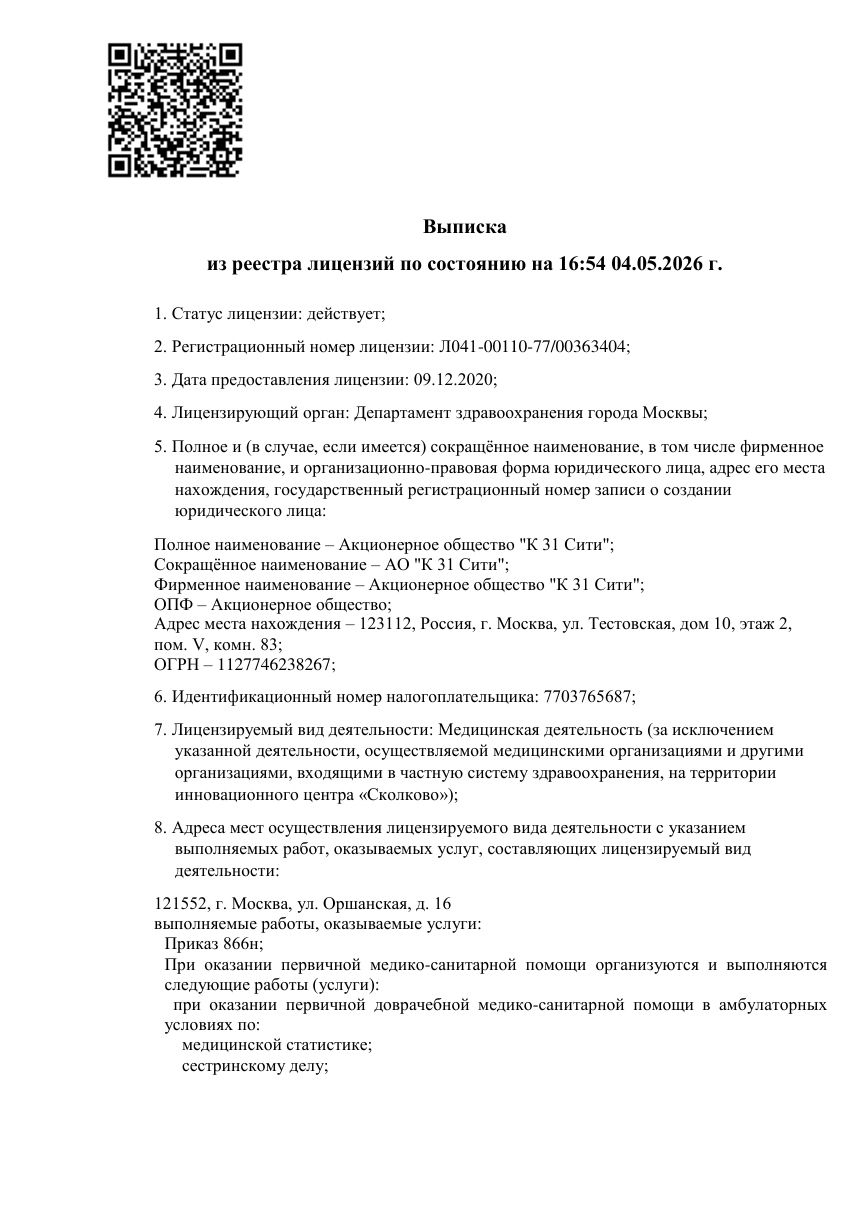
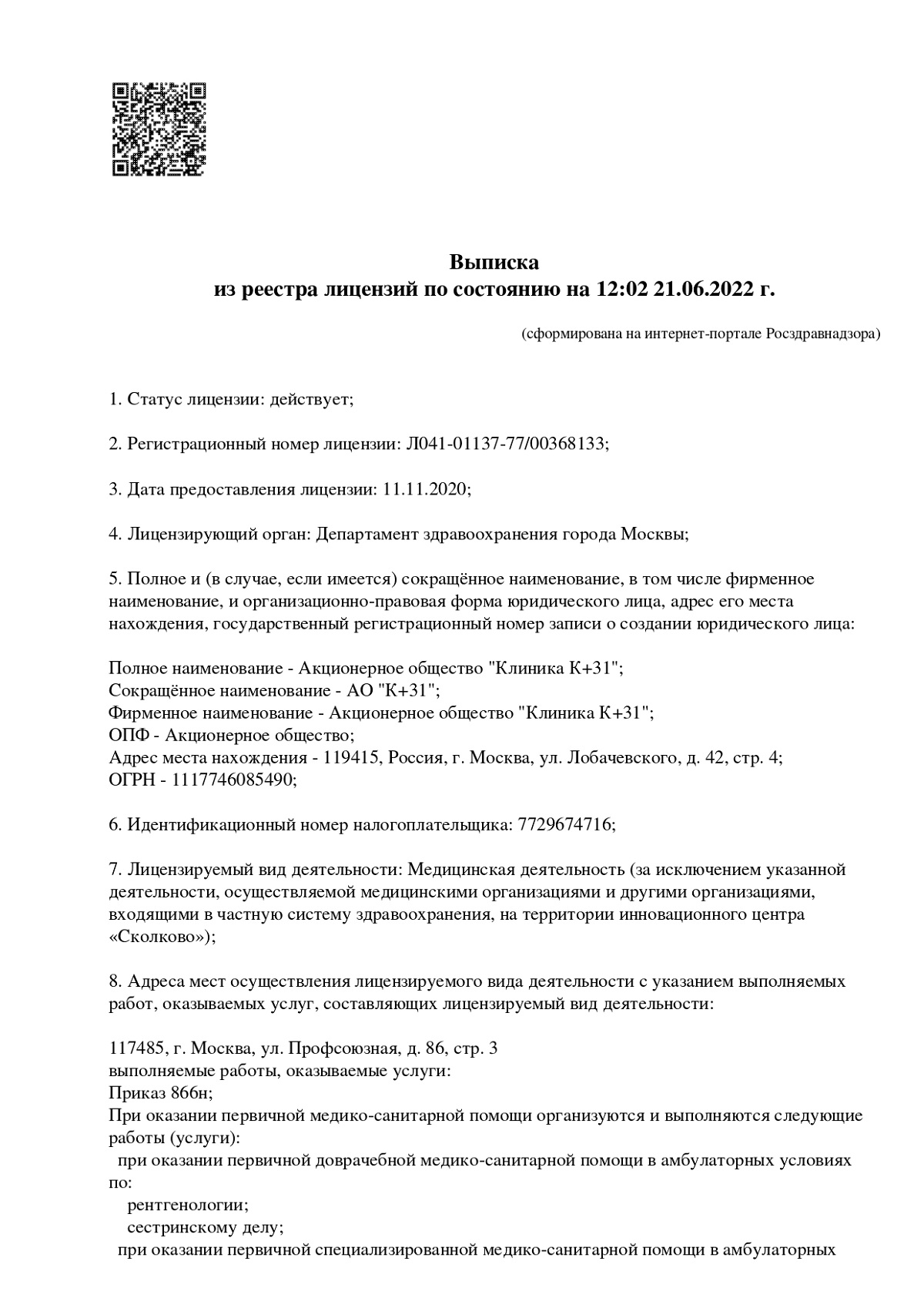
Our clinics


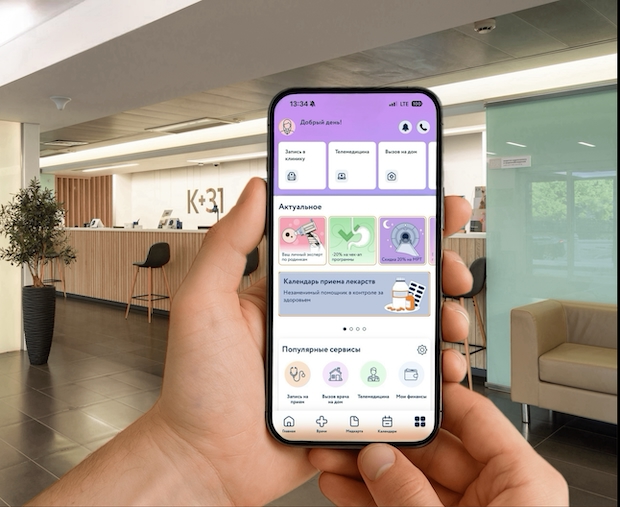
Application “Personal Account K+31”










What is ophthalmotonometry and why do we perform it?
This method measures the pressure exerted by the intraocular fluid on the eye's membrane. This value can fluctuate throughout the day and depend on corneal conditions, age, medications, vascular conditions, heredity, and concomitant diseases.
Intraocular pressure may not cause significant symptoms for a long time. A person may see normally, feel no pain, and notice no changes, yet still be at risk for glaucoma.
However, a single result does not constitute a diagnosis. The ophthalmologist evaluates these values along with the condition of the optic nerve, complaints, examination data, corneal thickness, and other tests, if needed.