
Exophthalmos (Proptosis): Causes, Symptoms, Diagnosis, and Treatment
When one or both eyes appear to bulge forward, and the gaze becomes unusually "convex," it may be exophthalmos. It's also known as proptosis. This isn't a cosmetic issue, but a symptom that often indicates an orbital or thyroid disorder.
Bulging of the eyeball itself doesn't explain anything—it's important to understand its cause. Therefore, our task at the first appointment is simple in formulation but complex in nature: identify the source of the problem and then select the right treatment.
Below, we'll discuss what exophthalmos is, why it develops, what symptoms should not be ignored, and how the diagnosis is structured. Calm and to the point, without unnecessary anxiety.

specialists

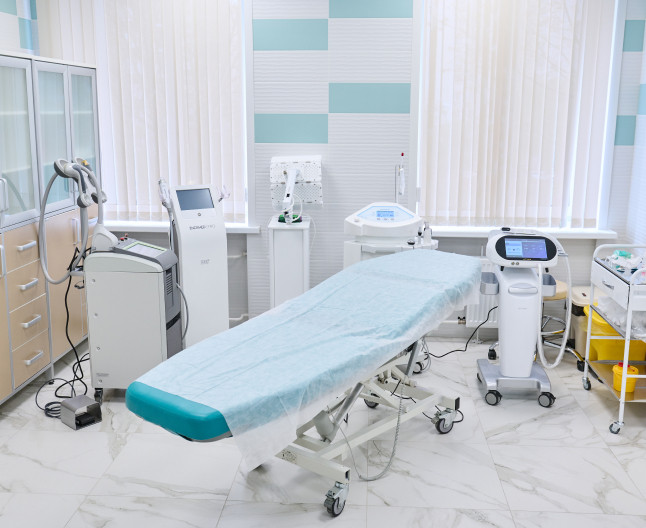
equipment

treatment






Main causes and risk factors
The causes of exophthalmos are divided into several groups:
- Endocrine
- Inflammatory
- Traumatic
- Tumor
Let's look at the main ones.
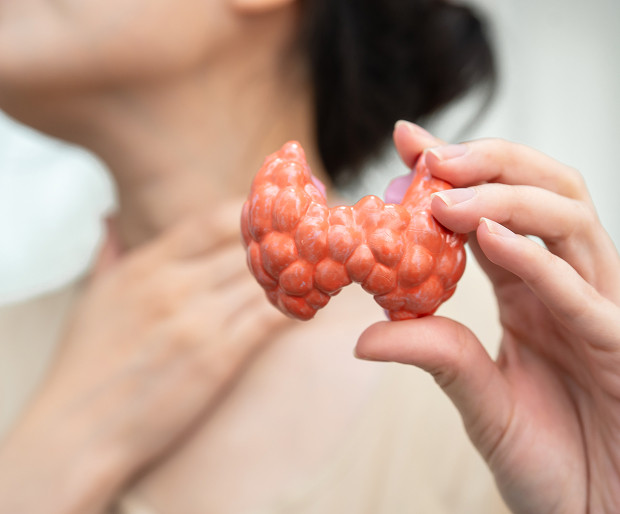
Endocrine ophthalmopathy and thyroid disease
The most common cause in adults is endocrine ophthalmopathy, associated with thyroid dysfunction. It is caused by an autoimmune process in which the tissues behind the eye swell and proliferate. The protrusion is often bilateral, accompanied by swelling and redness of the eyelids.
Smoking significantly worsens the condition, so quitting smoking is part of the treatment. With this form, the eyes often protrude gradually, and the gaze changes along with the protrusion.
Inflammation, infection, and trauma of the orbit
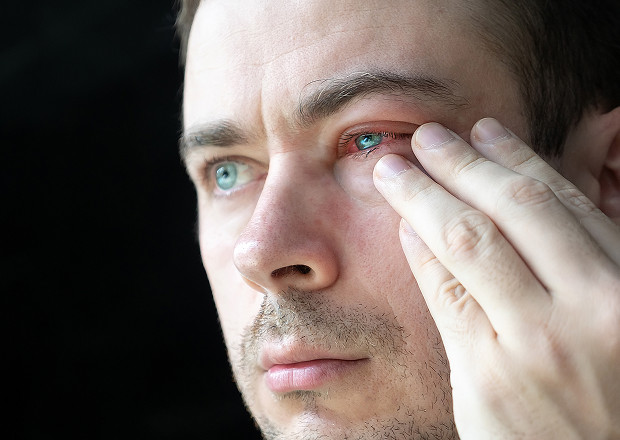
Another group includes orbital inflammation and infections, which cause tissue swelling and rapid protrusion of the eye, often accompanied by pain and fever. Orbital trauma is a separate issue: hemorrhage behind the eye displaces it forward. Such situations usually develop acutely and require prompt evaluation, as orbital infection can spread further.
Tumors and other rare causes of eye protrusion
Less commonly, the cause is an orbital tumor—benign or malignant—or vascular anomalies. These are characterized by slow but persistent growth, sometimes with forward and lateral displacement of the eye. This is why unilateral protrusion without an obvious cause requires careful examination with visualization.
Symptoms of exophthalmos: What to look for
The symptoms of exophthalmos are not limited to just the protruding eye. The symptoms depend on the source of the problem and how quickly it develops.
Visible bulging, asymmetry, sensation of a "bulging eye"
The person or their loved ones notice that the eye has become more prominent, facial asymmetry has developed, and the palpebral fissure has widened. Sometimes, there's a feeling as if the eye "doesn't fit" in the orbit. The gaze appears surprised or intent, and the eyelids don't close fully. Often, loved ones are the first to notice the change, or it's revealed by comparison with old photographs.
Double vision, dryness, pain, swelling of the eyelids, and limited mobility
Double vision, dryness due to incomplete closure of the eyelids, and swelling of the eyelids are also present. Sometimes, pain and limited eye movement are also present. Drying of the surface of the eye results in a burning sensation, redness, and a gritty sensation. These complaints indicate that the process goes deeper than the surface and affects the muscles and membranes.
When to See a Doctor Urgently
A sudden onset of pain, severe pain, rapid vision loss, inability to move the eye, fever, or recent injury are all reasons to seek immediate medical attention. This combination indicates a threat to the optic nerve or an acute process in the orbit, where delay is dangerous.
General information
How We Diagnose Exophthalmos
Diagnosing exophthalmos at K+31 answers two questions: how severe is the protrusion and what causes it. This is done through a combination of physical examination and instrumental methods.
Ophthalmologist Examination and Exophthalmometry
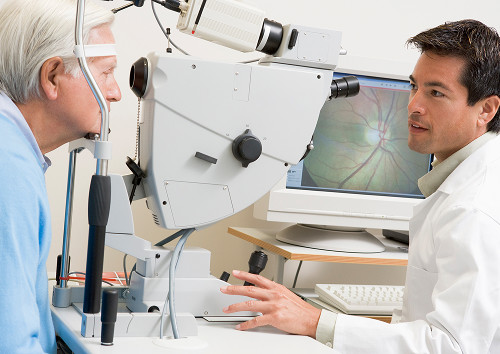
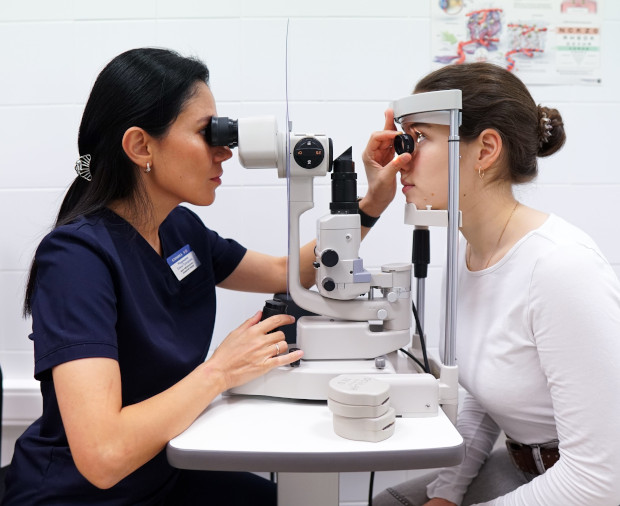
The doctor evaluates the position of the eyes, their motility, the condition of the eyelids and cornea, and tests vision. The degree of protrusion is measured using a device called exophthalmometry, which provides objective data and allows for monitoring progress from visit to visit.
CT and MRI of the Orbits
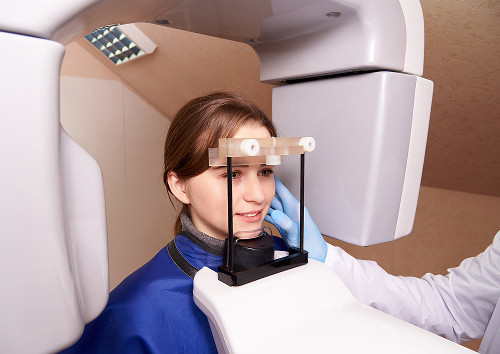
To visualize the tissues behind the eye, a CT scan of the orbits or an MRI of the orbits is prescribed. These images show the condition of the muscles, tissue, and the presence of inflammation, hemorrhage, or tumors. This is a key step when the source is unclear or the protrusion is one-sided.
Tests and consultations with related specialists
If an endocrine cause is suspected, hormone levels are checked and a consultation with an endocrinologist is scheduled. A multidisciplinary approach helps avoid blindly treating the symptom, but rather address the source of the problem. If necessary, other specialists are involved, depending on the findings.
Below is what is typically included in the initial examination.
- Ophthalmologist examination
- Exophthalmometry
- Visual acuity test
- Ocular motility assessment
- CT or MRI of the orbits
- Thyroid tests
The set of tests is selected individually: not everyone needs the entire list at once. The volume is determined based on the picture and the suspected source.
| Method | What it shows | When needed |
|---|---|---|
| Examination and exophthalmometry | degree of protrusion, asymmetry | at the initial appointment |
| CT or MRI of the orbits | tissue condition, inflammation, formations | if the source is unclear |
| Thyroid tests | endocrine cause | if Hormonal factors |
The table shows the examination flow: from a simple examination to more detailed methods as needed.
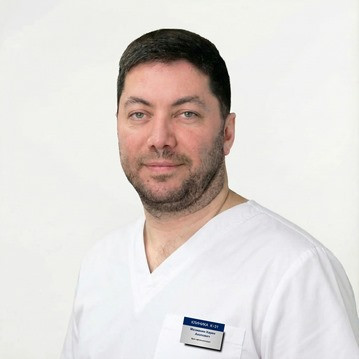
"In our practice, when it comes to exophthalmos, it's important to quickly identify the cause behind the external symptom. Therefore, we begin with an accurate diagnosis and, if necessary, involve related specialists—this helps us save time and select more targeted treatment," says the ophthalmologist.


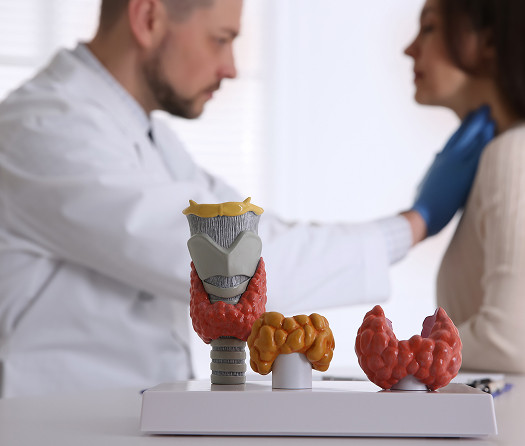
It's impossible to completely prevent the symptom, but it is possible to reduce the risk of complications and recurrences.
What helps reduce the risk of complications
Thyroid monitoring, smoking cessation, ocular surface protection, and following prescribed treatments significantly improve the prognosis for endocrine ophthalmopathy. Much depends on the patient and their discipline.
The importance of not skipping follow-up appointments
Regular visits allow you to detect any recurrence of the condition early and adjust your treatment. Skipping appointments is a common cause of missed flare-ups, which are more difficult to treat later. Therefore, even if you feel well, it's best to stick to your appointment schedule.
Frequently Asked Questions
Is exophthalmos a disease or a symptom?
Can exophthalmos be cured without surgery?
What tests are needed for exophthalmos?
When is exophthalmos dangerous?
Sign up for a consultation

If your eye has begun to protrude rapidly, or you experience pain, double vision, or decreased vision, don't delay your visit. Early consultation expands your options for gentle treatments.
How we can help you understand the cause and choose treatment
We will determine the degree of protrusion, find the source, and develop a plan in collaboration with related specialists. Schedule a consultation with an ophthalmologist to address the situation calmly and thoroughly.
Our doctors

















This award is given to clinics with the highest ratings according to user ratings, a large number of requests from this site, and in the absence of critical violations.

This award is given to clinics with the highest ratings according to user ratings. It means that the place is known, loved, and definitely worth visiting.

The ProDoctors portal collected 500 thousand reviews, compiled a rating of doctors based on them and awarded the best. We are proud that our doctors are among those awarded.
Make an appointment at a convenient time on the nearest date
Price
Other services

Appointment to the doctor
Reviews












Our clinics


Application “Personal Account K+31”












What is exophthalmos and why does it require attention?
The eye lies in a bony socket called the orbit, surrounded by muscles, fatty tissue, and blood vessels. The space within is limited by its walls. Therefore, any excess volume pushes the eye outward. If the tissue behind it swells, grows, or is compressed by a tumor, the eyeball shifts forward. This causes visible protrusion.
Exophthalmos as a Symptom, Not an Independent Cause
The main point: this is a symptom, not a separate diagnosis. It can be caused by various conditions, from thyroid disease to inflammation and orbital tumors. Treating protrusion without addressing its source is pointless. Removing the external manifestation but leaving the underlying disease behind won't solve the problem.
The Dangers of Delaying an Examination
Sometimes the protrusion progresses slowly and causes little to no discomfort. But it could be a hidden process that's putting pressure on the optic nerve and threatening vision. By delaying a checkup, a person risks missing a moment when treatment is still simple and effective. It's especially worrisome when the protrusion affects only one eye and is getting worse.