
Chalazion (eyelid hail): symptoms, causes, and treatment
A chalazion typically appears as a hard nodule on the eyelid and may cause little or no pain for a long time. Because of this, it is often confused with a stye or treated with home remedies.
To treat the condition, at the K+31 clinic, we determine the cause of the lump, evaluate the meibomian gland, and select a chalazion treatment based on the stage of the condition.

specialists

equipment

treatment






What is a chalazion and why does it appear?
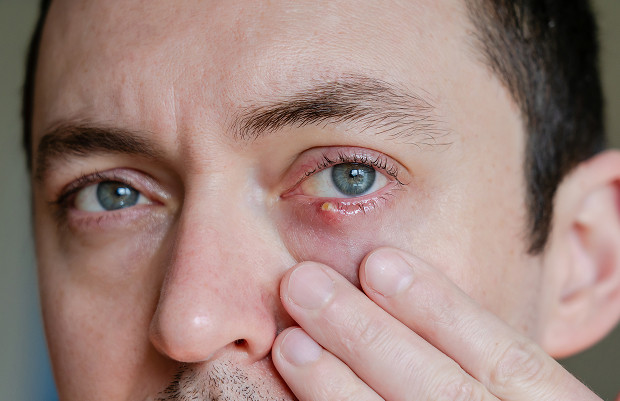
A chalazion of the eyelid develops when the meibomian gland becomes blocked. The secretion does not drain normally, chronic inflammation develops around the gland, and a dense formation called a chalazion appears.
The following causes are usually considered for a chalazion:
- Blocked meibomian gland duct
- Chronic inflammation of the eyelid margin
- Having had a stye
- Poor eyelid and lens hygiene
- A tendency to recurring inflammation
With a chalazion, it is important to understand why the duct is blocked and whether there are factors that contribute to eyelid inflammation.
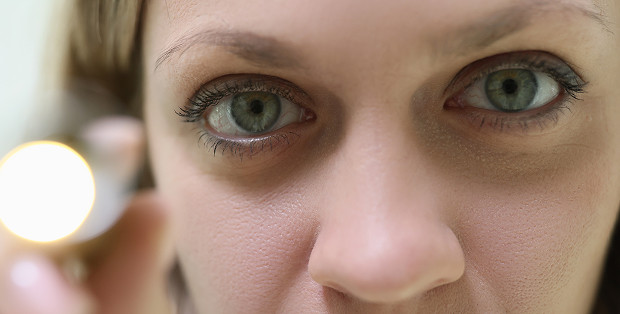
How the meibomian gland works
It produces the lipid component of the tear film. When the duct closes, the secretion is trapped inside the eyelid, and the body reacts with local inflammation and hardening.
Why does a dense nodule form on the eyelid?
This is because the secretion remains within the duct and gradually hardens. The inflammation often becomes chronic, so the formation can persist longer than a typical stye.
How to distinguish a chalazion from a stye
A chalazion of the eye is usually denser, develops more slowly, and can persist for weeks. A stye often has an acute onset, is painful, and is associated with an infectious inflammation. These conditions can be similar in appearance.
Main Differences in Symptoms
When comparing, the doctor looks at the speed of nodule development, pain, the condition of the eyelid margin, and the presence of a purulent spot. These signs help differentiate acute inflammation from glandular obstruction.
An ophthalmologist's examination is necessary if:
- A dense, rounded lump in the eyelid
- Moderate swelling and redness
- A feeling of pressure or a foreign body
- Blurred vision when applying pressure to the cornea
- Pain due to inflammation or infection
If the nodule grows, becomes painful, or begins to interfere with vision, it is best to have the eyelid examined by an ophthalmologist.
Why is it important not to confuse these conditions?
This distinction is important for choosing a treatment strategy: with an acute purulent process, the doctor treats it differently than with a dense chronic nodule. Therefore, trying to treat both conditions equally often delays recovery.
General information
Diagnosis by an Ophthalmologist
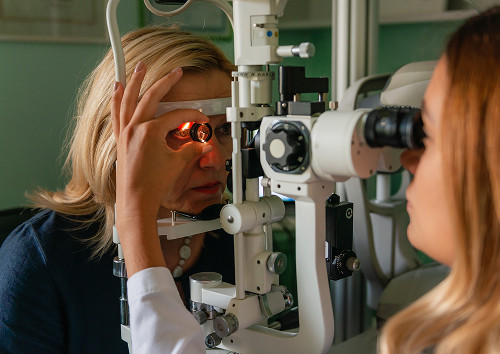
An ophthalmologist examination usually begins with an examination of the eyelid and eyelashes. The doctor assesses the size, density, tenderness, and condition of the surrounding tissues.
During the examination of a chalazion, the doctor:
- Examine the eyelid from the outside and from the conjunctiva
- Assess the function of the meibomian glands
- Distinguish a chalazion from a stye and other eyelid growths
- Check vision if the nodule is pressing on the eye
- In case of recurrence, discuss the causes of recurrent inflammation
After the examination, the doctor explains what is happening to the eyelid and suggests the next step based on the stage of the chalazion.
This comparison helps understand how the doctor differentiates a chalazion from a stye.
| Signature | Chalazion | Stye |
|---|---|---|
| Onset | gradual | acute |
| Pain | none or mild | usually severe |
| Cause | obstruction of the meibomian gland | infection of the gland or follicle |
| Tactics | observation, therapy or removal | treatment of inflammation, sometimes incision |
The table provides guidance, but treatment decisions are made after examining the eyelid and assessing the meibomian glands.
How is the initial examination performed?
During the initial visit, the doctor examines the lesion externally and from the conjunctiva, clarifies the time of its appearance, and checks to see if the nodule is affecting vision.
When additional examinations are needed?
Not everyone needs additional examinations. They are discussed if the nodule recurs, appears unusual, grows rapidly, or does not respond well to treatment: in these cases, it is important for the doctor to rule out other eyelid growths.
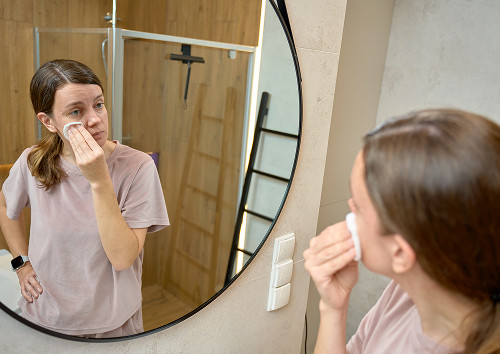

Self-medication often prolongs the process: a dense capsule doesn't disappear with random ointments, and vigorous warming can increase irritation. Therefore, it's best to choose a treatment strategy after an in-person eyelid assessment.
Mistakes that Prolong the Process
Most often, the process is delayed due to attempts to squeeze the nodule, over-warming it, or using outdated prescriptions. Such actions irritate the eyelid tissue and prevent the doctor from assessing the true situation.
The Dangers of Folk Remedies and Self-Medication
Folk remedies don't relieve the gland blockage and can irritate the eyelid tissue. Squeezing, harsh solutions, and vigorous warming without a doctor's prescription are particularly risky.
Frequently Asked Questions
We've compiled short answers to frequently asked questions about chalazions. They're helpful for preparing for your appointment, but they don't replace an eyelid examination with an ophthalmologist.
How is a chalazion different from a stye?
Can a chalazion be cured without surgery?
When should I see an ophthalmologist?
Can a chalazion return?

References
- Clinical Guidelines Portal of the Ministry of Health of the Russian Federation — https://cr.minzdrav.gov.ru/
- MSD Manuals, Russian version — https://www.msdmanuals.com/ru/
- Vidal, medical reference — https://www.vidal.ru/
- Russian Medical Journal (RMJ) — https://www.rmj.ru/
- Attending physician - https://www.lvrach.ru/
- Consilium Medicum - https://con-med.ru/
Our doctors














This award is given to clinics with the highest ratings according to user ratings, a large number of requests from this site, and in the absence of critical violations.

This award is given to clinics with the highest ratings according to user ratings. It means that the place is known, loved, and definitely worth visiting.

The ProDoctors portal collected 500 thousand reviews, compiled a rating of doctors based on them and awarded the best. We are proud that our doctors are among those awarded.
Make an appointment at a convenient time on the nearest date
Price
Other services

Appointment to the doctor
Reviews





















Our clinics


Application “Personal Account K+31”












Symptoms of a chalazion
Symptoms depend entirely on the size of the nodule and the severity of the inflammation. A small chalazion may only be a cosmetic concern, while a large one may press on the eye and cause discomfort.
Thickening, swelling, and redness of the eyelid
With inflammation, the eyelid may become red and swollen, and blurred vision occurs when the nodule presses on the cornea. The larger the formation, the more noticeable the discomfort when blinking.
When discomfort and vision deterioration occur
The cause is most often related to a blockage in the outflow of glandular secretions. The risk is higher with chronic blepharitis, oily skin, rosacea, frequent eyelid irritation, and improper contact lens care.
Signs that require a doctor's examination
An examination is necessary if the nodule grows, becomes inflamed, interferes with vision, reoccurs, or is located in the same place. The doctor will check for other eyelid lesions.