
Coloboma of the eye (congenital defect of the iris): diagnosis and treatment
The birth of a child with specific visual structural features always raises many questions for parents, and for adults, an accidentally discovered anatomical abnormality can cause serious concern for the future. One such pathology is coloboma of the eye, which is a localized absence of tissue in various layers of the eyeball. This congenital eye anomaly requires close attention from specialists. To prevent dangerous complications, each patient needs timely diagnosis of coloboma, as well as appropriate individualized medical monitoring.

specialists

equipment

treatment






How does coloboma manifest itself?
In some people, symptoms are limited to just an unusual appearance of the eye, which attracts attention. In more severe cases, the defect causes serious functional impairment.
Coloboma of the iris: noticeable signs
When the defect is located in the anterior segment of the eye, a coloboma of the iris is formed, which is easily detected even without specialized medical equipment. This congenital defect of the iris results in excessive light rays entering the eye, as the natural regulation of light flow is disrupted.
Due to excessive light exposure to the retina, severe photophobia occurs, which interferes with daily life and requires the use of protective equipment. A visual defect of the iris can cause psychological discomfort in patients, especially in childhood and adolescence.
Coloboma of the retina and choroid: how it affects vision
If the defect is localized in the deeper layers of the eye, the patient is diagnosed with a retinal coloboma, which is often associated with choroidal damage.
If the defect is located in the periphery of the fundus, the person may not even be aware of this anatomical feature. However, if the retinal coloboma affects the central zone, the patient's overall visual acuity is significantly reduced, as well as the ability to read and distinguish small objects.
Optic nerve coloboma: why early surveillance is important
One of the most serious forms of this pathology is rightfully considered to be optic nerve coloboma, in which the defect affects the area of the disc where all the nerve fibers converge. With this form of the disease, the transmission of visual impulses from the eye to the brain can be severely impaired or completely absent in the defect area.
Complete and regular monitoring by an ophthalmologist allows for the early detection of possible complications, including retinal detachment or the development of glaucoma.
When should you see an ophthalmologist?

A consultation with an ophthalmologist is necessary if there is any suspicion of developmental abnormalities in the visual organ in a child or adult.
Symptoms that require an immediate visit
Parents should schedule an appointment with their child immediately if they experience:
- Unusual pupil shape
- Noticeable difference in appearance between the eyes
- Constant squinting outdoors
- Crying when bright lights are turned on
- Photophobia or strabismus develops
- Covering one eye with the palm of the hand
Adults should see an ophthalmologist if the following symptoms appear:
- Blind spots in the field of vision
- Eye fatigue when reading, working on a computer, or other visually demanding activities
- Double vision objects
- Deterioration of vision without an obvious cause

The dangers of lack of monitoring
Thinning of the tissue at the border of the defect can lead to retinal tears, which subsequently cause retinal detachment and lead to blindness. Without specialist monitoring, a child may develop severe amblyopia, making it virtually impossible to restore visual function in later life.
General information
Diagnosing coloboma
Accurate and timely diagnosis of coloboma is the key to successful vision preservation, as only a detailed examination can determine the true extent of the defect. At K31 Clinic, this process is organized so that the patient receives answers to all questions in a single visit.
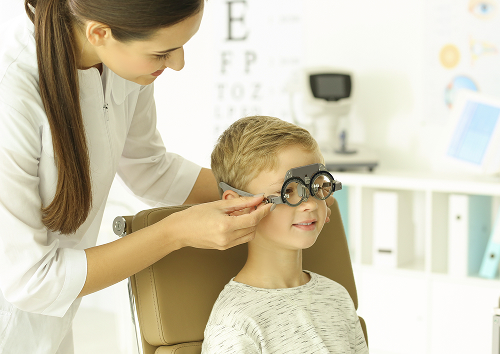
Ophthalmologist examination and vision test
During the initial consultation, an experienced ophthalmologist conducts a detailed interview with the patient or their parents to determine pregnancy history and any history of similar conditions in the family. Next, overall visual acuity is assessed using modern digital charts and tests.
Our goal at this stage is to understand how much the coloboma of the eye interferes with the person's daily life.
Instrumental examination methods
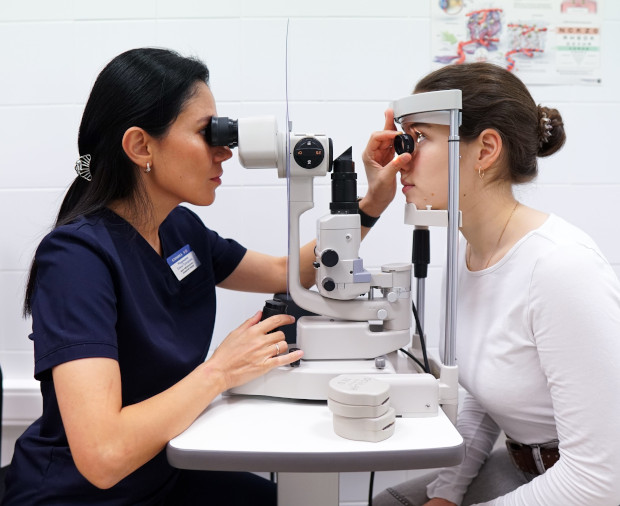
For a detailed examination of the anterior segment of the eye, doctors use a special slit lamp, which allows for a high-magnification examination of the iris structure and the precise boundaries of the defect. To examine the deep layers of the eye, specialists perform a thorough ophthalmoscopy, which allows for a detailed examination of the fundus.
When additional consultations are needed
In situations where an eye anomaly is part of a systemic syndrome, genetic counseling is mandatory to help determine the risk of recurrence of this feature in future children in the same family. If a coloboma of the eye is associated with other congenital abnormalities, a comprehensive examination is essential, not just a visual assessment of the defect.

FAQ
What is a coloboma of the eye?
Is it possible to completely cure a coloboma?
How is coloboma diagnosed in a child?
When should I see a doctor if I have a coloboma?
Clinical Guidelines of the Ministry of Health of the Russian Federation — https://cr.minzdrav.gov.ru/
MSD Manuals in Russian — https://www.msdmanuals.com/ru/home
CyberLeninka (search for "coloboma of the eye") — https://cyberleninka.ru/
eLIBRARY (search for “coloboma”) - https://elibrary.ru/
Russian Ophthalmological Journal — https://www.ophthalmology-journal.ru/
Our doctors





















This award is given to clinics with the highest ratings according to user ratings, a large number of requests from this site, and in the absence of critical violations.

This award is given to clinics with the highest ratings according to user ratings. It means that the place is known, loved, and definitely worth visiting.

The ProDoctors portal collected 500 thousand reviews, compiled a rating of doctors based on them and awarded the best. We are proud that our doctors are among those awarded.
Make an appointment at a convenient time on the nearest date
Price
Other services

Appointment to the doctor
Reviews


















Our clinics


Application “Personal Account K+31”












What is a coloboma and what structures of the eye does it affect?
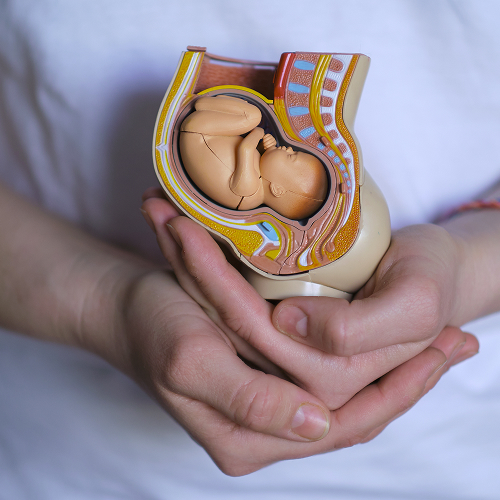
When a disruption in the development of the visual organ occurs during fetal development, a special anatomical condition called a coloboma may arise. This congenital eye anomaly is classified as a direct consequence of the failure of the optic cup to close.
In one patient, only the appearance of the pupil may be altered, while in another, the defect affects the deeper structures. Depending on the severity of the changes, a coloboma may remain undetected for a long time or be detected immediately after birth.
Why does coloboma occur?
First and foremost, doctors identify genetic mutations that are inherited from parents or arise spontaneously in the fetus. This congenital malformation is often part of systemic syndromes, in which several body systems are simultaneously affected.
Besides heredity, external factors also have a negative impact, including maternal infections, toxic exposures, smoking, or alcohol consumption in early pregnancy.
How does coloboma differ from other congenital eye anomalies?
While other defects affect the entire optic cup, in this case the defect always has clear boundaries and a defined shape. This congenital eye anomaly does not increase in size throughout a person's life. However, other pathologies can lead to a constant deterioration of the ocular environment.