
Ocular motility testing: how oculomotor disorders are diagnosed
At our clinic, we perform an ocular motility test if a patient complains of double vision, strain, difficulty looking to the side, or eye deviation. Sometimes, a patient reports decreased eye movement, and vision blurs when reading or working on a screen.
The doctor evaluates the oculomotor muscles and eye movements and determines whether further vision testing is necessary.

specialists

equipment

treatment






In what cases do we recommend an examination?
It's worth making an appointment if you experience double vision, eye wandering, eyestrain, or difficulty maintaining your gaze. In children, this may be due to:
- Squinting
- Complaints after reading
- Suspected strabismus
In adults, sudden changes following injury, infection, neurological complaints, or a sharp decline in vision are important. An ophthalmological examination helps determine whether overuse is the cause or whether it is a condition that requires treatment.
Symptoms to look out for
The patient should tell the doctor when the complaints began and in what situations they worsen. Symptoms of visual impairment when reading, working on a screen, looking sideways, driving, or quickly changing focus are important. Sometimes everything is fine in the morning, but by evening fatigue, blurred vision, dizziness, or double vision appear.
We pay particular attention to symptoms related to muscles and nervous system regulation. It's best to seek an examination immediately in the following cases:
- Eye movement has become less comfortable in one direction
- Double vision has developed
- Strabismus or its worsening is noticeable
- Dizziness, pain, or eyestrain is present
- Have there been injuries to the eye, orbit, or head
- New symptoms of visual impairment have developed after neurological complaints
After such complaints, it's important to assess the urgency. Sudden double vision, pain, trauma, a sharp decrease in vision, or severe limitation of eye movement require an urgent consultation with an ophthalmologist. A child's examination should also be urgently examined, as children may not always be able to accurately describe visual discomfort.
What disorders can diagnostics help identify?
The examination reveals impaired ocular motility, latent strabismus, nystagmus, diplopia, or signs of weakness of individual muscles. Sometimes the problem is related to the eye, sometimes to the nervous system.
The doctor evaluates for signs of a condition similar to oculomotor nerve palsy.
The eye muscles must work in concert to keep both eyes focused on the same object. If one group of movements is impaired, a person has difficulty reading, walking up stairs, or looking away. An accurate diagnosis helps determine where to look for the cause:
- Muscles
- Refraction
- Binocular vision
- Trauma or nervous system
How is an ocular motility test performed?
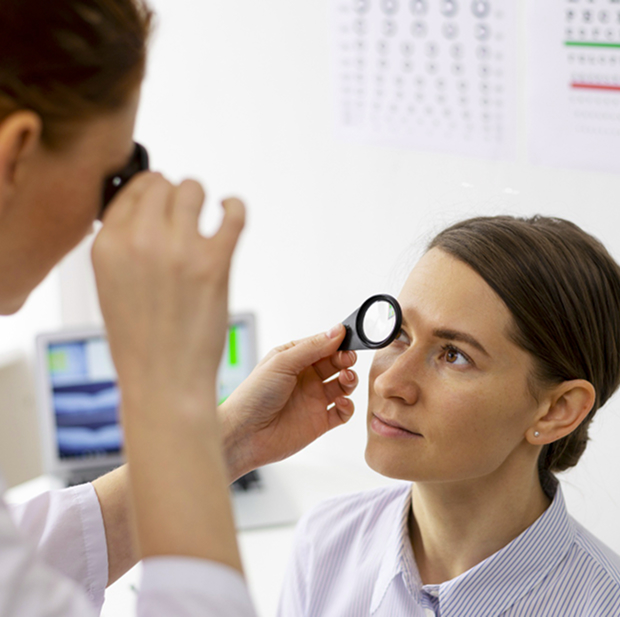
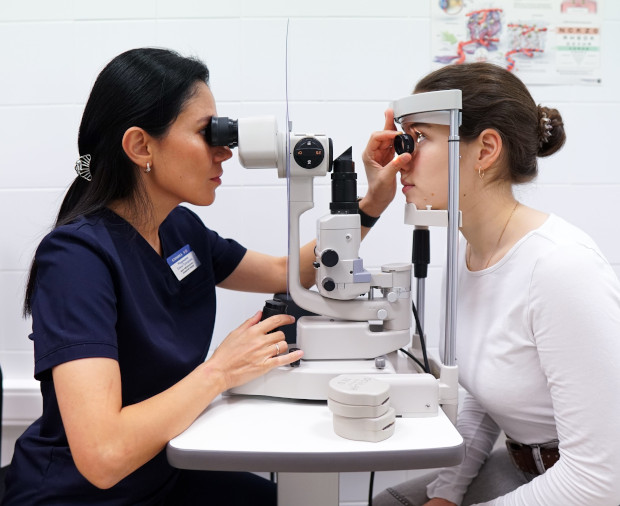
First, we clarify the patient's complaints, the duration of symptoms, injuries, surgeries, infections, and neurological episodes. We determine whether diagnostic tests have been performed previously. Then, an ophthalmological examination is performed. The doctor checks visual acuity, eye position, fixation, response to closing, and movement in different directions.
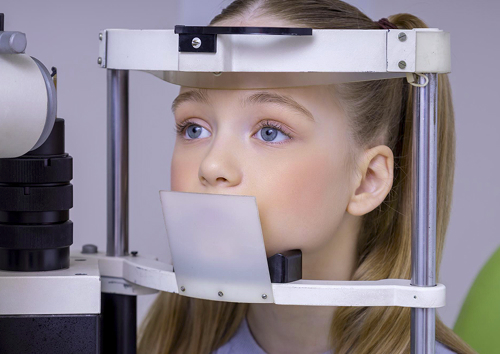
Children are examined based on their age and ability to follow instructions. This examination is usually painless.
Is there any preparation needed for the appointment?
No special preparation is required. It's best to bring:
- Glasses
- Contact lenses
- Documents
- Results of previous examinations
- List of medications
If complaints are rare, it's helpful to note in advance when they occur: in the morning, in the evening, after exercise, when looking sideways, or when reading. The ocular motility test will be more accurate if the doctor has these details immediately.

Examination stages
The doctor asks the patient to follow a landmark in different directions. Then, the amplitude is assessed. Synchrony, movement latency, and forced head rotation are assessed. Fixation and the reaction of the other eye are also assessed. If necessary, a cover test is added. Other tests include:
- Convergence assessment
- Binocular interaction
- Eye positions when changing distance
Eye movement is assessed not only objectively but also based on the patient's complaints—this is not a separate mechanical test.
Sometimes a deviation is noticeable only in one gaze position. Sometimes, the patient does not complain of double vision. However, the doctor notices hidden asymmetry or unstable fixation. Therefore, an ocular motility test is often included in a comprehensive examination.

What the doctor evaluates
The ophthalmologist examines how the extraocular muscles contract, looking for delays, tremors, asymmetry, or lateral deviations of the eye. The eye muscles responsible for:
- Rotation
- Elevation
- Downward
- Coordinated eye movements
If an ocular motility disorder is detected, the doctor records the direction, severity, and accompanying signs.
"We evaluate eye movement, muscle coordination, and neural regulation. This examination helps us detect hidden problems early and explain the next steps to the patient," says the ophthalmologist.
General information
What the result shows and how to interpret it
The result shows how well eye movements correspond to age, complaints, and the overall examination. Normally, both eyes move symmetrically. They move without pain, pronounced tremor, or persistent limitation.
If there are any deviations, the doctor describes where the problem was detected and explains what the possible causes are.
You should not interpret the results on your own. Similar complaints can occur in different conditions.
Normal and possible deviations
Below is a simple diagram for understanding the results. It does not replace a physical examination, but it illustrates why the doctor looks at the entire clinical picture, not just one symptom.
| Symptom | What it could mean | What to do |
|---|---|---|
| Limited eye movement | Possible muscle or nerve problems | Consult an ophthalmologist |
| Double vision | Possible diplopia or impaired vision coordination | Vision diagnostics are needed |
| Eye deviates to the side | Possible strabismus or a latent form of the disorder | Specialist examination is required |
| There are involuntary movements | Nystagmus or other oculomotor disorder is possible | An in-person assessment is required |
After the table, the doctor compares the patient's complaints, examination findings, age, and comorbidities. If additional tests are needed, the patient receives an explanation of why they are being ordered. A clear explanation helps avoid delaying treatment.
When additional diagnostics are needed
Additional tests are prescribed for persistent double vision, trauma, pain, rapid deterioration of vision, or a suspected neurological cause. Depending on the situation, a refraction test, binocular vision assessment, fundus examination, orbital ultrasound, or referral to a neurologist may be necessary. MRI is recommended only when clinically indicated.

FAQ about ocular motility testing
What is this examination?
How does the examination proceed?
Is preparation necessary?
What can diagnostics reveal?

Ocular motility testing helps understand how the muscles, nerves, and coordinated movement of the two eyes work. This method is safe, understandable for the patient, and useful for double vision, strabismus, suspected underlying disorders, post-traumatic complaints, or eyestrain.
An early examination helps determine the appropriate course of action: observation, additional testing, treatment, or referral to a related specialist. At our clinic, the patient receives an analysis of their complaint, a calm explanation of the results, and a clear next step.
Our doctors




















This award is given to clinics with the highest ratings according to user ratings, a large number of requests from this site, and in the absence of critical violations.

This award is given to clinics with the highest ratings according to user ratings. It means that the place is known, loved, and definitely worth visiting.

The ProDoctors portal collected 500 thousand reviews, compiled a rating of doctors based on them and awarded the best. We are proud that our doctors are among those awarded.
Make an appointment at a convenient time on the nearest date
Price
Other services

Appointment to the doctor
Reviews
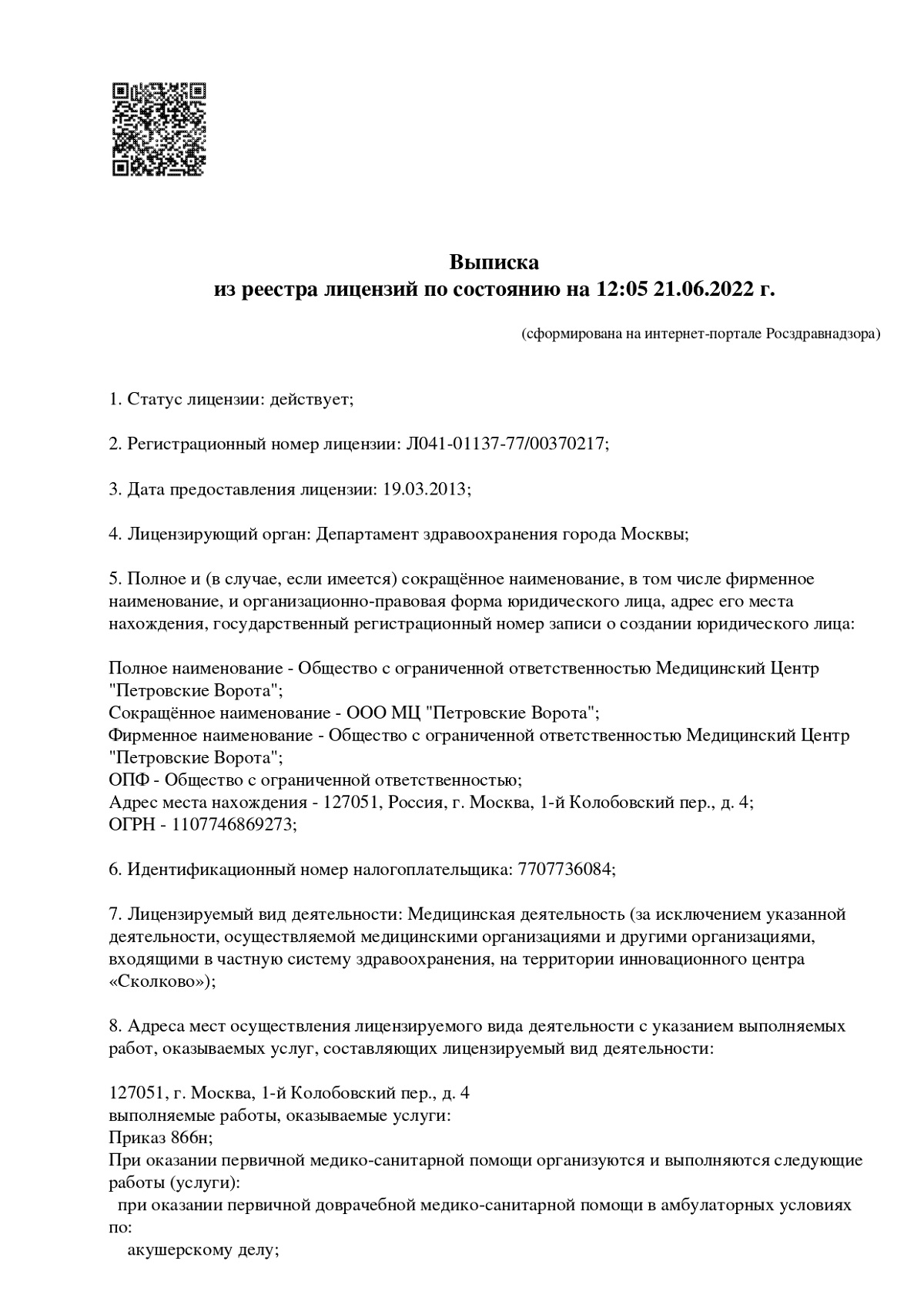
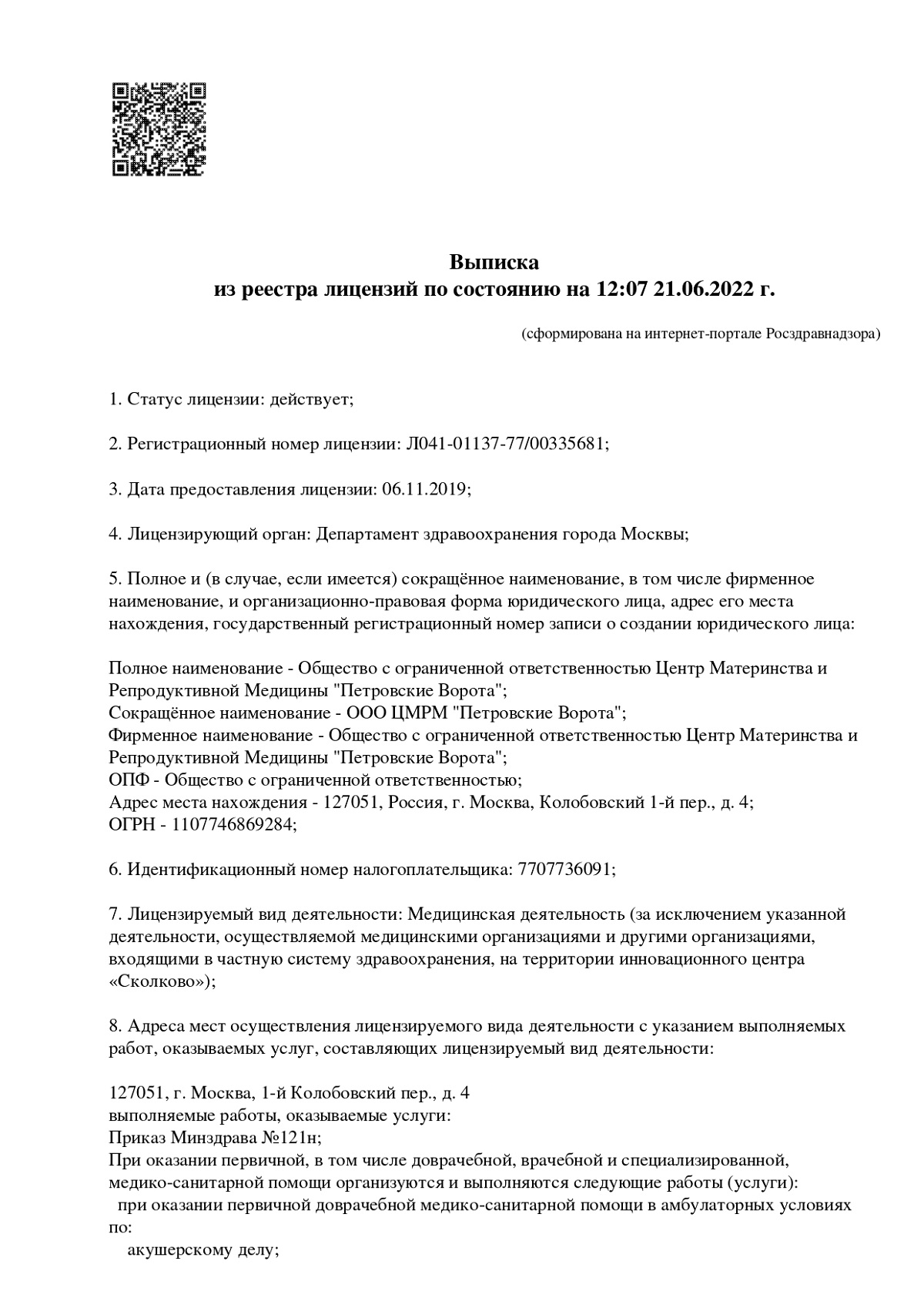
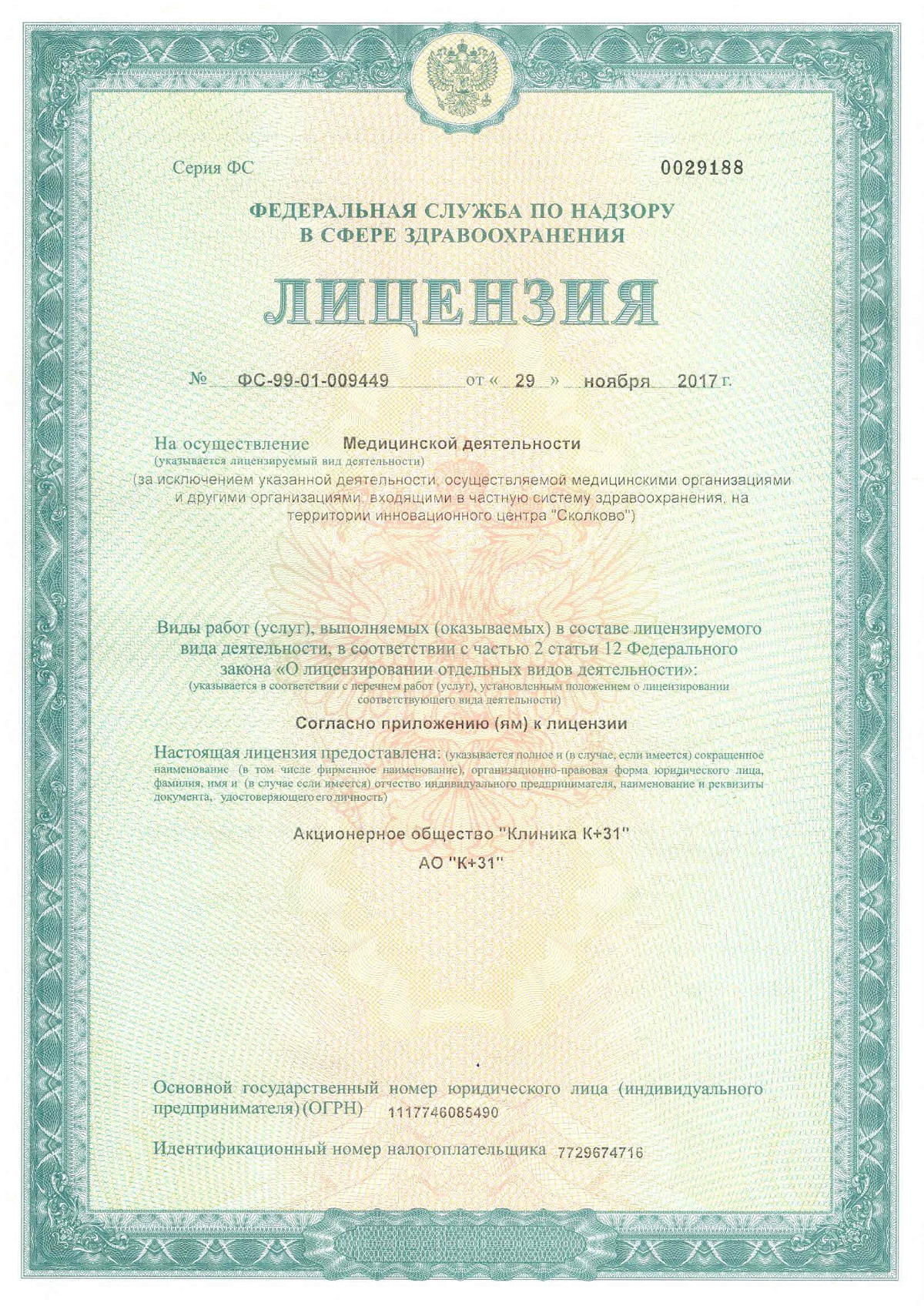
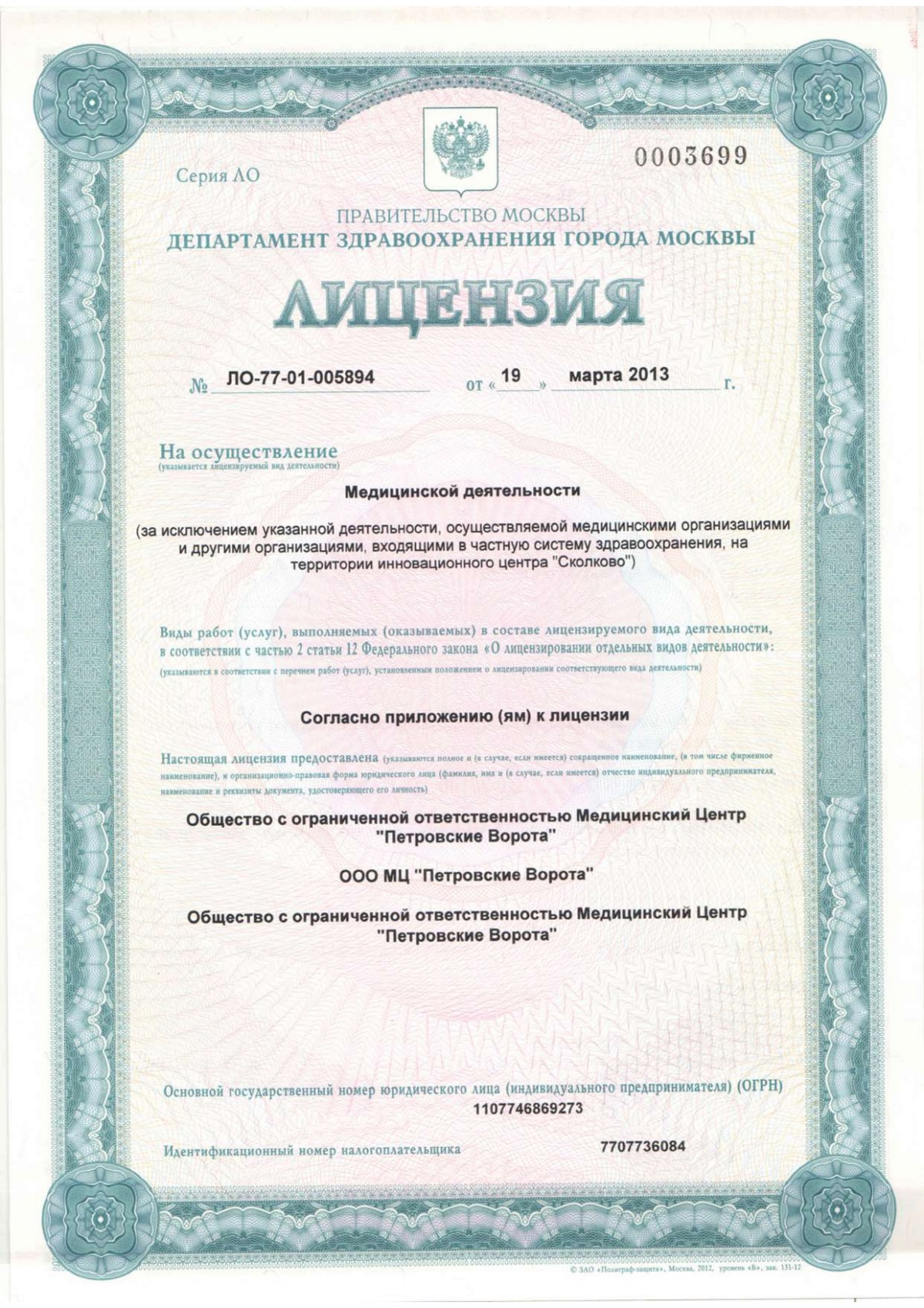
Our clinics


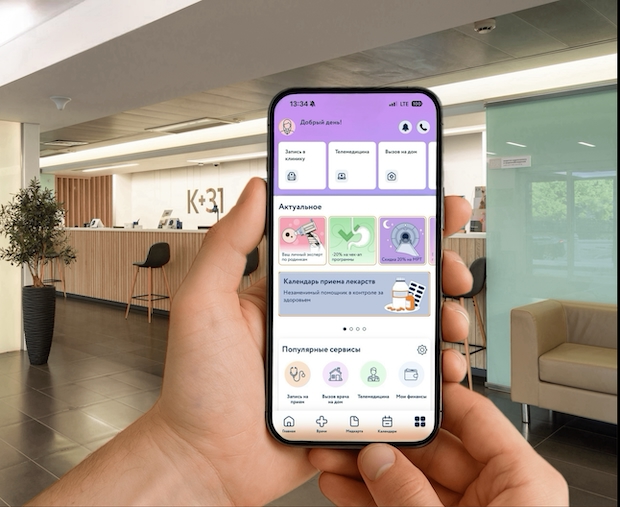
Application “Personal Account K+31”












What is an ocular motility test and why is it needed?
During the examination, the ophthalmologist observes how the eye moves in different directions. Up, down, right, left, diagonally. The doctor evaluates:
The oculomotor system includes muscles, nerves, and binocular vision, so a complaint may be more serious than it appears from the outside. An ocular motility test is needed to identify limited eye movement, muscle weakness, or a disruption in the coordinated function of the eyes.