
Concomitant Strabismus (Strabismus): Diagnosis and Treatment
Concomitant strabismus is noticeable not only externally. One eye deviates from the common visual axis, and the brain no longer receives two coordinated images. In children, this can lead to amblyopia, and in adults, visual discomfort and double vision. The sooner an ophthalmologist determines the cause and angle of strabismus, the more accurate the correction can be.

specialists

equipment

treatment






Why does concomitant strabismus occur?
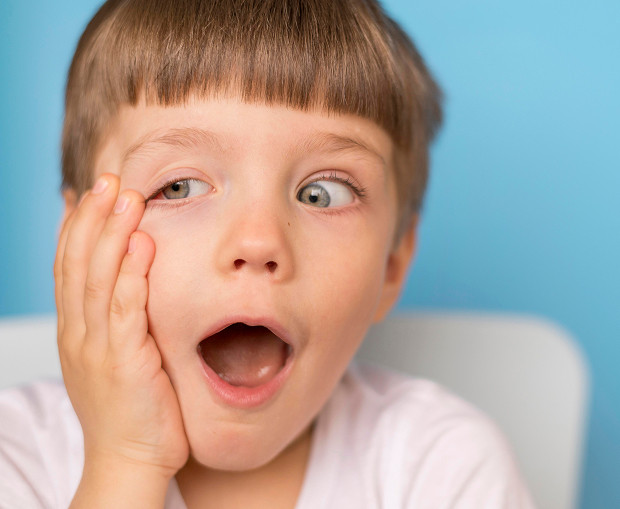
Strabismus in children is often associated with refractive errors, a hereditary predisposition, hyperopia, astigmatism, amblyopia, and oculomotor muscle dysfunction. The child may not complain, as their brain quickly adapts, thereby suppressing the image from the deviating eye.
Causes in Adults
Strabismus in adults can occur in childhood or develop later. If the deviation occurs suddenly, especially with double vision, pain, weakness, or speech impairment, an urgent examination is necessary. The doctor must rule out not only ophthalmological but also neurological causes.
Risk Factors and Precipitating Conditions
Risk factors include high farsightedness, refractive error differences between the eyes, trauma, previous surgeries, neurological diseases, and prematurity. The causes of concomitant strabismus are assessed comprehensively, because one external sign may have different mechanisms.
How does concomitant strabismus manifest itself?
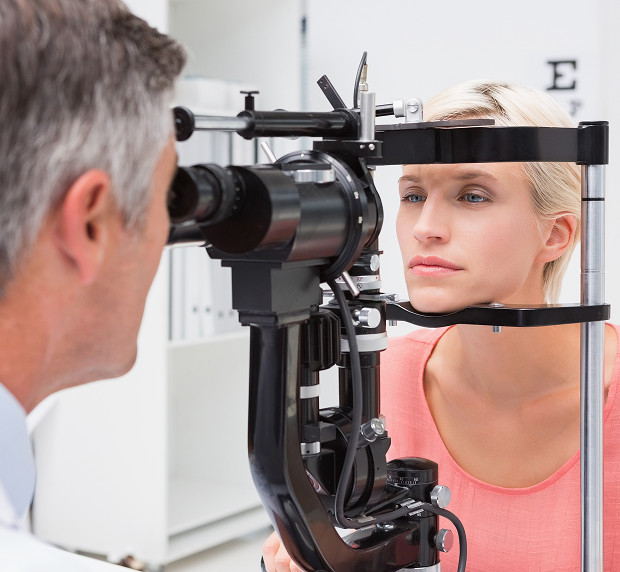
Symptoms of concomitant strabismus include a deviation of one eye toward the nose, temple, or upward or downward. The patient may squint or tilt their head. Sometimes, they close one eye in bright light. Adults often experience double vision. Children experience visual discomfort without any obvious complaints.
When to see an ophthalmologist
A vision check is recommended for any persistent deviation of the eye, complaints of double vision, fatigue, or suspected amblyopia. At K+31, an ophthalmological examination helps determine the type of disorder a patient has and whether strabismus correction is necessary.
Five signs that indicate a vision check:
- The eye moves toward the nose or temple
- The child squints or tilts their head
- Double vision appears
- Eyes tire quickly when reading
- The image appears blurry or unstable
If the symptom recurs, it's best not to wait. Early diagnosis of concomitant strabismus helps preserve more options for correction.
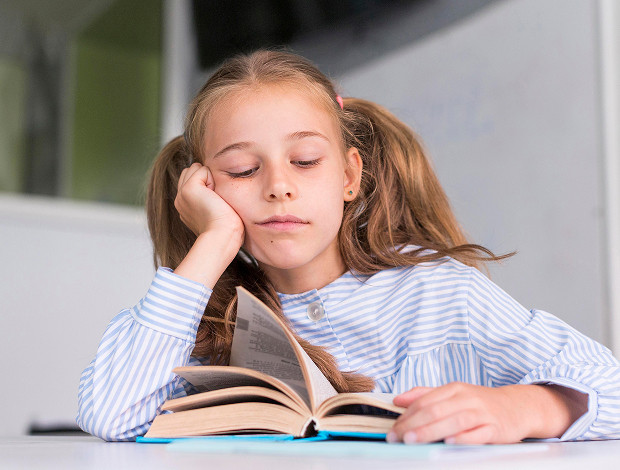
Signs in Children
Parents notice that the eye moves to the side in photographs. Child:
- Tilts head
- Gets tired quickly when reading
- Has poor spatial orientation
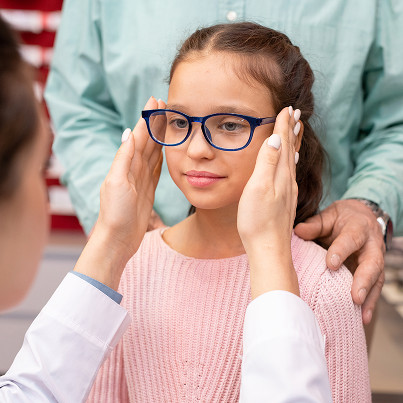
Strabismus in children should be examined by a pediatric ophthalmologist as early as possible to assess the risk of amblyopia and binocular dysfunction.
Signs in adults
In adults, strabismus may be accompanied by double vision, headache, fatigue, and difficulty working with small details. If the symptom appears suddenly, diagnosis should be prompt. Scheduled monitoring is only appropriate for stable, long-standing conditions.
General information
How is the diagnosis performed?
Visual examination and testing
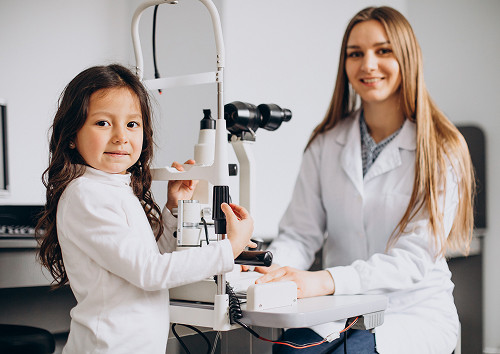
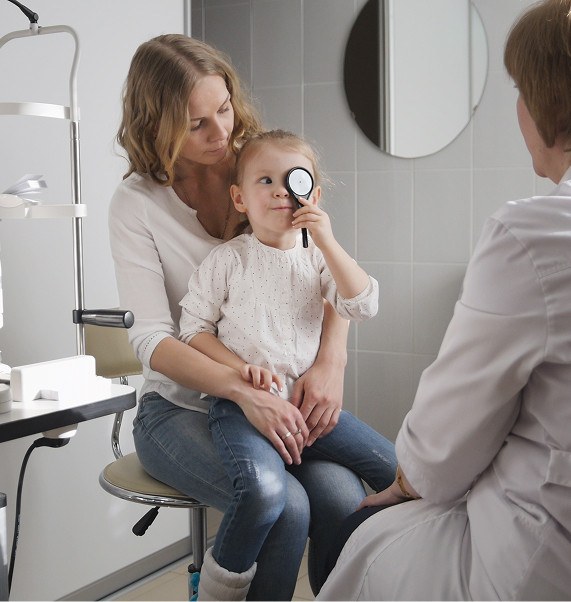
The ophthalmologist checks the visual acuity of each eye, assessing refraction, eye position, and fixation. Children are examined carefully, taking into account their age and ability to cooperate. If necessary, drops are used to accurately assess refraction.
Determining the angle of strabismus and assessing binocular vision
The angle of strabismus is measured using special methods. The doctor also evaluates the presence of binocular vision, how the brain combines images, and whether one eye is suppressed. These data determine whether occlusion, hardware treatment, spectacle correction, or surgery is necessary.
Hardware examination methods
Hardware methods help clarify visual functions, fusion reserve, and the functioning of the oculomotor system. They don't replace a physical examination, but they provide additional information for a personalized plan. In complex cases, the doctor may refer you for additional diagnostics.
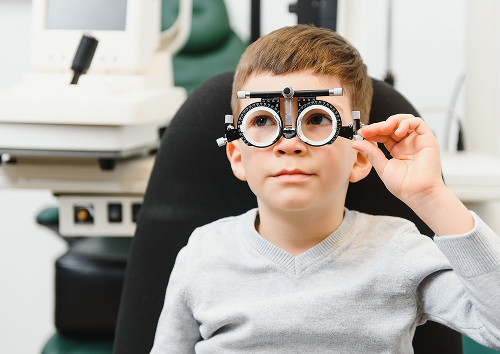
Comprehensive diagnostics in one place
At K+31, we evaluate refraction, strabismus angle, amblyopia, binocular function, and eye health. The patient receives a comprehensive report, not disparate measurements.
Individualized correction plan
Strabismus correction is selected based on diagnostic data. For one patient, the procedure will begin with glasses, for another, a hardware program, and for a third, a discussion of the surgical stage.
A caring approach for children and adults
We explain to parents and adult patients the purpose of each stage. The pediatric ophthalmologist takes into account age, workload, psychological comfort, and regularity of follow-up.
Post-treatment follow-up
After strabismus treatment, monitoring the results is important. The doctor evaluates the eye position, visual function, and tolerance to correction. The plan is adjusted if necessary.
Frequently Asked Questions
Is it possible to treat concomitant strabismus without surgery?
How does concomitant strabismus differ from regular strabismus?
Do exercises and hardware treatment help?
What happens if concomitant strabismus is left untreated?
Concomitant strabismus requires a precise examination, not guesswork. Make an appointment with "K+31" if you notice an eye deviation in a child or adult. An ophthalmologist will assess the cause and angle of the squint and offer a correction plan without standard prescriptions.
Our doctors



















This award is given to clinics with the highest ratings according to user ratings, a large number of requests from this site, and in the absence of critical violations.

This award is given to clinics with the highest ratings according to user ratings. It means that the place is known, loved, and definitely worth visiting.

The ProDoctors portal collected 500 thousand reviews, compiled a rating of doctors based on them and awarded the best. We are proud that our doctors are among those awarded.
Make an appointment at a convenient time on the nearest date
Price
Other services

Appointment to the doctor
Reviews
















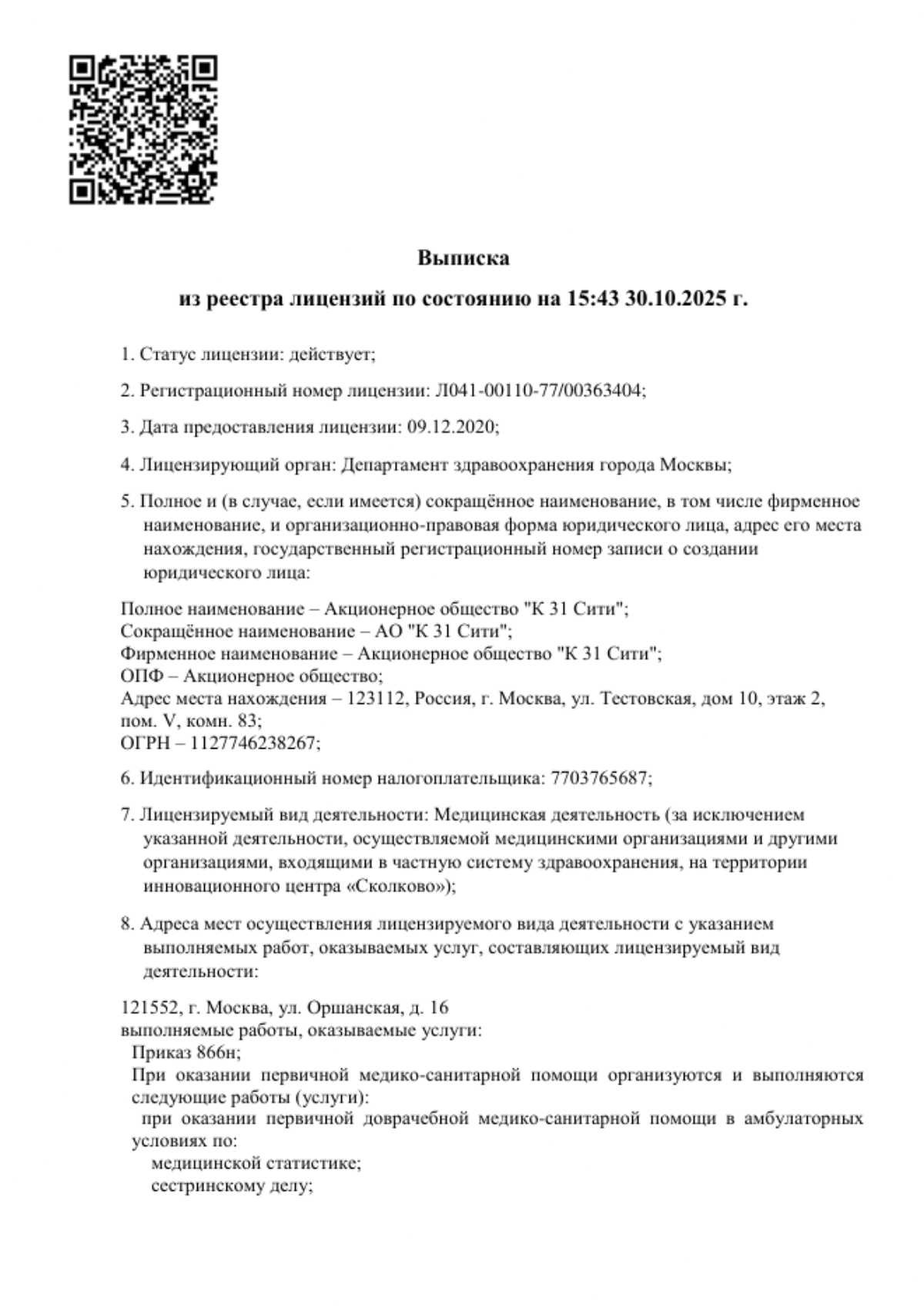



Our clinics


Application “Personal Account K+31”












What is concomitant strabismus?
Concomitant strabismus is a form in which the deviation of the eye persists in different directions of gaze. Visual movement is usually unrestricted. Strabismus can be:
The doctor evaluates not only the external sign but also the functioning of both ocular systems.
How binocular vision is impaired
Binocular vision allows the brain to combine images from both eyes into a single three-dimensional picture. With strabismus, one image may be suppressed. This occurs to prevent double vision. In children, this suppression can lead to amblyopia—decreased vision in the "weak" eye.
That is why strabismus treatment should not be delayed until school age, simply in the hope that the child will outgrow the problem. Diagnosis is also important for adults. Sudden eye deviation may be due to neurological or vascular causes.