
Optic Nerve Atrophy: Diagnosis, Treatment, and Vision Preservation
The retina perceives images, and the optic nerve transmits signals from the eye to the brain. If its fibers are damaged, the brain receives incomplete information, resulting in deterioration of vision: fog appears, clarity decreases, and parts of the image may be lost.
Optic nerve atrophy requires an accurate diagnosis because it is important for the doctor to determine the cause of the damage and understand which visual functions can still be preserved.

specialists

equipment

treatment






Causes and risk factors

The causes of vision loss due to nerve fiber damage may lie in the eye, blood vessels, nervous system, or general health. Prescribing glasses alone is not enough. The doctor evaluates:
- Complaints
- Past illnesses
- Injuries
- Blood pressure
- Blood sugar and medications
Vascular, inflammatory, and toxic causes
Damage can be caused by vascular disorders, inflammation, ischemia, severe infections, toxic exposure, and deficiency states. Sometimes the optic nerve is damaged due to glaucoma, diabetes, or poor blood supply.
In such cases, optic nerve atrophy is the result of a process that has already affected the nerve tissue's nutritional status.

Trauma, Compression, and Hereditary Forms
After a head or orbital injury, deterioration may occur immediately or over time. Compression is another cause.
This is when a tumor, inflammation, or altered tissue compresses the conductive structures. Hereditary forms are considered in bilateral complaints and family history. If necessary, the ophthalmologist will involve related specialists.
Concomitant diseases that accelerate progression
Glaucoma, diabetes, hypertension, and severe vascular disorders worsen the prognosis if left uncontrolled. The risk is higher when multiple factors act simultaneously. Therefore, the doctor is interested in the patient's general condition, previous surgeries, and ongoing medications.
General information
Symptoms You Shouldn't Ignore
Symptoms of optic nerve atrophy can develop without pain, redness, or noticeable changes in the eye. Text becomes harder to read, images become less clear, and familiar colors appear duller.
With unilateral damage, the other eye partially compensates for the decreased vision, so complaints may seem minor. The exact extent of the damage can only be assessed after an examination.
Decreased visual acuity and blurred vision
Decreased visual acuity can be gradual or quite rapid. It becomes more difficult for a person to distinguish fine details, work on a screen, read signs, and navigate in the dark. Sometimes there is a sensation of fog, grayness, and decreased contrast.
Narrowing of the visual field and loss of areas of the image
Narrowing of the visual field manifests itself as difficulty noticing objects to the side or seeing individual "gaps" in the image. Central defects interfere with reading and fixation. Perimetry shows which areas of perception are preserved and where there are gaps.
When is an urgent ophthalmologist consultation needed?
An in-person ophthalmologist consultation is necessary quickly if vision has deteriorated sharply or new warning signs have appeared. Similar complaints can occur with various diseases, including conditions where time is critical. It's impossible to tell them apart on your own.
You should seek medical attention immediately if:
- Your vision has worsened without an obvious cause
- Your field of vision has become "blind"
- Your vision has become dim or "foggy"
- Your vision is double or painful
- The deterioration has occurred rapidly
After such complaints, it's necessary to rule out damage to the retina, nerve head, blood vessels, and neurological causes. Changing your glasses won't solve this problem.



Frequently Asked Questions
Is it possible to restore vision with optic nerve atrophy?
What tests are needed to confirm the diagnosis?
Why is it important not to delay a visit to the doctor?
What should you do if your vision has deteriorated sharply?
What to do next if your vision starts to deteriorate

If you experience blurred vision, changes in color perception, or a narrowing of the visual field, don't just replace your glasses. First, you need to understand the cause: in the eye's optical system, the retina, vascular factors, or nerve fibers.
A consultation with an ophthalmologist at K+31 helps you start with a proper diagnosis and save time.
How to prepare for your initial consultation
Before your appointment, it's helpful to remember when your complaints began and how they have changed. Your doctor will ask whether your vision has worsened suddenly or gradually, and whether you have any pain, double vision, headaches, injuries, surgeries, or chronic illnesses. It's best to bring a list of your regular medications with you.
What information is best to bring to your appointment?
You should bring previous reports, test results, medical records, and information about glaucoma, diabetes, blood pressure, or neurological conditions to your appointment. If fundus imaging, MRI, lab work, or visual field testing have been performed previously, they are also important.
If optic atrophy is suspected, the doctor will be able to assess the progress more quickly and avoid starting from scratch.
Optic nerve atrophy is a condition in which timing, cause, and monitoring are crucial. We help understand why vision is deteriorating, assess remaining functions, and explain the results without complex terminology.
Timely treatment and monitoring at K+31 can slow the deterioration and maintain quality of life. If your vision has changed, schedule an appointment with a specialist for an in-person examination.
References
- Category of Clinical Guidelines of the Ministry of Health of the Russian Federation — https://cr.minzdrav.gov.ru/
- Ophthalmology Bulletin — https://www.mediasphera.ru/journal/vestnik-oftalmologii
- Russian Medical Journal — "Ophthalmology" Section — https://www.rmj.ru/articles/oftalmologiya/
- CyberLeninka (optic atrophy) - https://cyberleninka.ru/search?q=%D0%B0%D1%82%D1%80%D0%BE%D1%84%D0%B8%D1%8F%20%D0%B7% D1%80%D0%B8%D1%82%D0%B5%D0%BB%D1%8C%D0%BD%D0%BE%D0%B3%D0%BE%20%D0%BD%D0%B5%D1%80%D0%B2%D0%B0
- CyberLeninka (optic neuropathy) - https://cyberleninka.ru/search?q=%D0%BE%D0%BF%D1%82%D0%B8%D1%87%D0%B5%D1%81 %D0%BA%D0%B0%D1%8F%20%D0%BD%D0%B5%D0%B9%D1%80%D0%BE%D0%BF%D0%B0%D1%82%D0%B8%D1%8F
Our doctors





















This award is given to clinics with the highest ratings according to user ratings, a large number of requests from this site, and in the absence of critical violations.

This award is given to clinics with the highest ratings according to user ratings. It means that the place is known, loved, and definitely worth visiting.

The ProDoctors portal collected 500 thousand reviews, compiled a rating of doctors based on them and awarded the best. We are proud that our doctors are among those awarded.
Make an appointment at a convenient time on the nearest date
Price
Other services

Appointment to the doctor
Reviews












Our clinics


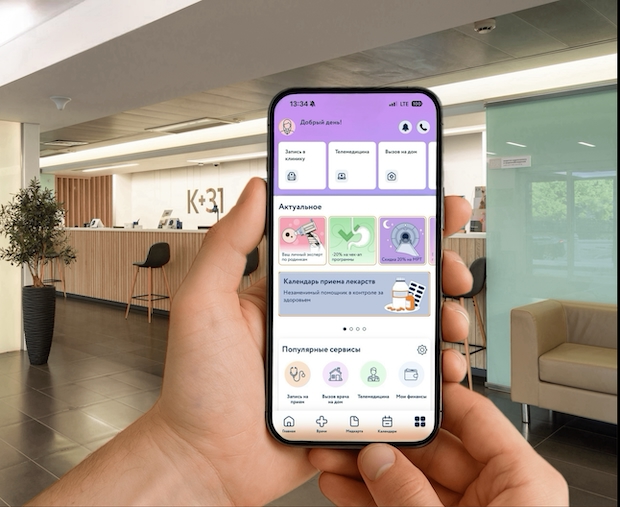
Application “Personal Account K+31”












What is optic nerve atrophy?
In medical practice, optic atrophy refers to permanent damage to the fibers that make up the optic nerve. It's not a temporary case of eye fatigue or a condition that can only be corrected with glasses.
Some of the nerve tissue stops properly transmitting visual signals, so the doctor evaluates not only visual acuity but also:
Why is optic nerve damage dangerous?
The optic nerve has almost no reserve for self-healing. A person may see normally with the other eye for a long time and then notice the problem late. Moreover, optic nerve atrophy can affect visual acuity, color perception, and visual fields.
Why changes may be irreversible
Nerve fibers do not regenerate in the same way as the superficial tissues of the eye. If some fibers are lost, their function is usually completely restored.
Therefore, vision recovery with severe damage is limited, and the doctor's primary goal is to slow the progression.