
Laser Goniodescemetopuncture (LDGP) in Moscow: Indications, Procedure, and Benefits
After glaucoma surgery, intraocular pressure sometimes doesn't decrease sufficiently. A person may not notice any changes, but the optic nerve remains under increased stress. In this situation, we assess the filtration zone and determine whether goniodescemetopuncture can help improve outflow without repeat surgery.

specialists

equipment

treatment






When do we recommend laser goniodescemetopuncture?

Indications depend on the pressure, the stage of the disease, and the condition of the postoperative area. Sometimes the patient feels normal, but the intraocular pressure is already above safe levels.
We consider this method if:
- The pressure remains above the target level
- The outflow of intraocular fluid needs to be enhanced
- Drops are weakly effective or poorly tolerated
- The ophthalmologist determines the conditions for laser surgery
The list shows the general logic. A diagnosis of glaucoma alone is not sufficient. The decision is made by the doctor after an in-person examination and risk assessment.
Elevated intraocular pressure after surgery
After the NDSE, we monitor the pressure dynamics. If IOP monitoring shows insufficient reduction, the doctor evaluates the filtration zone. Under appropriate conditions, laser goniopuncture can strengthen the previously established outflow pathway.
Insufficient effect of conservative therapy
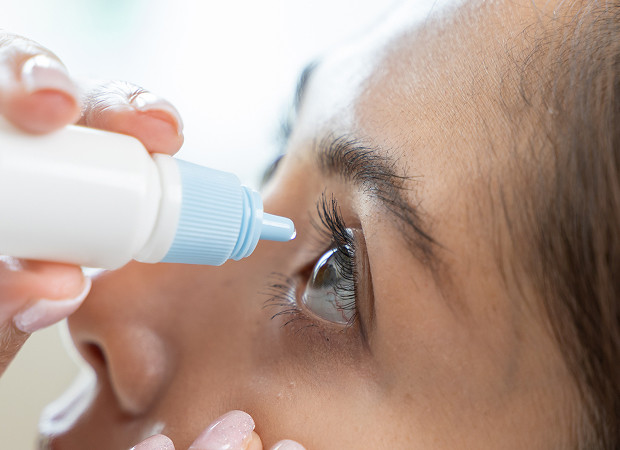
Sometimes drops do not maintain pressure at the desired level, even if the patient uses them correctly. Another situation may arise: medications irritate the eye, cause an allergy, or produce an unpredictable effect.
In these cases, a consultation with an ophthalmologist is necessary rather than trying to change the medication on your own. If the examination confirms the indications, laser glaucoma treatment becomes part of the overall treatment plan.
In what cases is this method particularly appropriate?
This method is especially appropriate after non-penetrating surgery if the outflow zone has been formed, but the doctor sees an obstruction at the level of the thin membrane. Corneal transparency, the time since surgery, and the absence of active inflammation are important. Glaucoma requires a customized treatment plan.
How is LDGP performed in our practice?
Before the procedure, we explain the purpose, stages, and possible symptoms. This is most often an outpatient procedure, and the patient returns home the same day.
Preparation for the Procedure
Before the laser procedure, the doctor measures blood pressure, examines the eye, and reviews previous surgeries, medications, inflammatory reactions, and allergies. If necessary, OCT, gonioscopy, perimetry, or anterior segment ultrasound may be performed.
Procedure Steps
First, anesthetic drops are placed in the eye. Local anesthesia reduces sensitivity, so there shouldn't be any significant pain. The ophthalmic surgeon then inserts the goniolens, directs the pulse to the desired area, and measures the pressure and provides recommendations.
What the patient feels during and after the treatment
During the treatment, flashes of light, slight pressure from the lens, and brief discomfort may occur. After the treatment, tearing, light sensitivity, or a foreign body sensation may sometimes occur. Do not stop using the drops on your own.
General information
Advantages of LDGP in K+31
At K+31, this method is used only for confirmed indications. The main goal is to safely reduce pressure.
Minimally invasive
LDGP is performed without incisions. The procedure is aimed at a limited area where a filtration zone has already been created. This method can be considered a gentle technique for enhancing previous surgical results.
Fast recovery
Recovery is usually faster than after revision surgery. The patient usually goes home after a checkup. The recovery time depends on the condition of the eye and tissue response, as glaucoma progresses differently in different patients.
Result monitoring after the procedure
Results are assessed based on examination data, not by sensation. The doctor monitors the pressure, cornea, and filtration zone. Monitoring of intraocular pressure after the intervention is mandatory.



Frequently Asked Questions
Before the procedure, patients often ask about pain, hospitalization, duration of the effect, and daily life. We answer these questions in advance.
Is LDGP painful?
Is hospitalization necessary?
How long does the effect last?
When can I return to normal activities?
How we select a treatment plan
References
- Register of Clinical Guidelines of the Ministry of Health of the Russian Federation — https://cr.minzdrav.gov.ru/
- Ministry of Health of the Russian Federation — https://minzdrav.gov.ru/
- Ophthalmology Bulletin — https://www.mediasphera.ru/journal/vestnik-oftalmologii
- Russian Medical Journal — Ophthalmology Section — https://www.rmj.ru/articles/oftalmologiya/
- Ophthalmic Surgery / EyePress — https://www.eyepress.ru/
- CyberLeninka (laser goniopuncture) — search by topic
- CyberLeninka (non-penetrating deep sclerectomy) - search by topic
Our doctors



















This award is given to clinics with the highest ratings according to user ratings, a large number of requests from this site, and in the absence of critical violations.

This award is given to clinics with the highest ratings according to user ratings. It means that the place is known, loved, and definitely worth visiting.

The ProDoctors portal collected 500 thousand reviews, compiled a rating of doctors based on them and awarded the best. We are proud that our doctors are among those awarded.
Make an appointment at a convenient time on the nearest date
Price
Other services

Appointment to the doctor
Reviews



Our clinics


Application “Personal Account K+31”












What is LDGP and how does it work?
Laser goniodescemet puncture is a procedure performed after non-penetrating deep sclerectomy.
During this procedure, the surgeon creates a pathway for aqueous humor, but the thin inner membrane sometimes prevents proper drainage.
This method is part of glaucoma treatment and is prescribed only after diagnosis. We measure intraocular pressure, evaluate the anterior chamber angle, the optic nerve, and the area of previous surgery.
Mechanism of action of the procedure
When aqueous drainage is impaired, intraocular pressure increases, and the optic nerve is gradually damaged.
During the procedure, an Nd:YAG laser creates a microscopic hole in the trabeculodescemet membrane, enhancing the outflow of aqueous humor through the filtration zone.
How does LDGP differ from other laser techniques?
Laser goniopuncture does not replace primary laser trabeculoplasty. Its purpose is to enhance the results of the surgery when an outflow pathway has already been created but is not functioning properly. Therefore, this method is not suitable for every patient with glaucoma.