
Ophthalmologist Appointment: When to Call, What's Included, and How to Schedule
Vision can deteriorate over months. Sometimes, changes appear in a single day or even a few hours. The cause isn't always obvious: refractive errors, inflammation, retinal pathology, and simple eyestrain can all cause similar symptoms.
An ophthalmologist appointment at K+31 helps identify the source of the problem, assess risks, and choose a treatment plan without having to choose eye drops yourself.

specialists

equipment

treatment






General information
What's included in an ophthalmologist's appointment
The scope of the examination depends on the patient's complaints, age, and purpose of the visit. We expand the program only when the data requires clarification. Therefore, an ophthalmologist consultation provides a clear medical conclusion.
Collecting complaints and anamnesis
The doctor clarifies when the complaints began and under what conditions they worsen. Previous prescriptions for glasses, surgeries, injuries, chronic diseases, and medications that the patient takes regularly are especially important.
If there is lacrimation, photophobia, or pain when wearing glasses or contact lenses, this should be disclosed at the beginning of the appointment.
Visual acuity and refraction testing
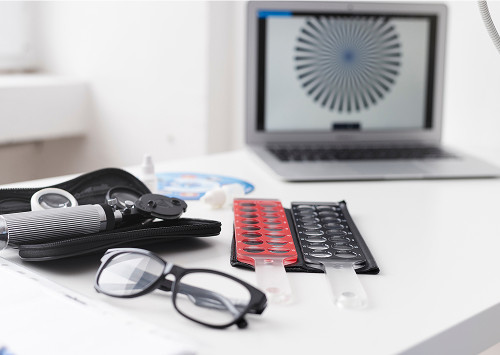
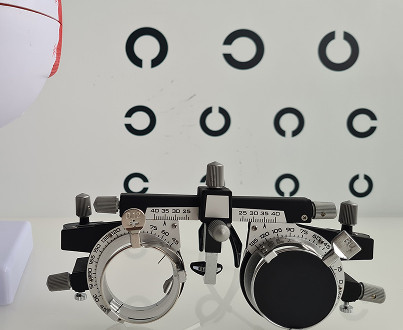
Visual acuity is tested using visometry. Refraction shows how the eye refracts light and focuses it on the retina. A vision exam helps determine whether complaints are related to an optical disorder or a deeper cause—inflammation, tear film disruption, or changes in the internal structures of the eye.
Intraocular Pressure Measurement and Hardware Diagnostics
Tonometry measures intraocular pressure. This measurement is especially important when glaucoma is suspected, but it alone does not provide a complete picture. The doctor will supplement the examination as needed. If necessary, the following is also performed:
- Hardware diagnostics are performed
- Biomicroscopy, ophthalmoscopy
- Retinal images
- Evaluation of the cornea and lens
Examination of the fundus, retina, and anterior segment of the eye
During the examination, the doctor sequentially evaluates the eyelids, conjunctiva, cornea, anterior chamber, and lens. This is a short but important step. An ophthalmologist's examination may also include a fundus examination. The doctor examines:
- Retina
- Vascular pattern
- Optic disc
If drops were used to dilate the pupil, it may be temporarily more difficult to read and focus at close range.



How to prepare for a visit

Special preparation is usually not necessary. Bring everything related to your eyes, previous treatments, and current eye strain.
If you wear contact lenses or glasses
It's best to bring your glasses with you, even if they no longer fit. The doctor will use them to compare your previous correction with your current readings. If you experience pain or significant redness in contact lens wearers, remove the lenses and consult your doctor.
What test results should you bring?
Old prescriptions, post-operative discharge summaries, OCT, perimetry, tonometry, and retinal imaging are helpful.
If you don't have any documents, a visit is still possible. An ophthalmologist will advise you on any necessary tests.
What's Important to Tell Your Doctor During Your Appointment
Tell us about the duration of your complaints, any injuries, surgeries, diabetes, hypertension, headaches, double vision, and medications you're currently taking. Specifically, list any drops you've already used.
You shouldn't continue treatment without an examination.
How to make an appointment with an ophthalmologist in Moscow

If you need an ophthalmologist in Moscow, our administrator will help you choose the time and format of your appointment. You can state your main complaint in advance: pain, inflammation, decreased vision, difficulty with glasses, or post-treatment follow-up.
Convenient scheduling and a clear patient flow
To schedule an appointment with an ophthalmologist, submit a request or call the clinic. We will advise you on the best format to choose: scheduled, extended, or more urgent.
For acute complaints, patients are referred to the next available appointment.
What you receive after the consultation
After your appointment, you receive the examination results, an explanation of the diagnosis, and recommendations for correction, treatment, or follow-up. The vision screening at K+31 ends with a clear conclusion, not just numbers.
"We always start with a conversation and a basic diagnosis: this helps us quickly understand the cause of your complaints and avoid unnecessary procedures." Our goal is to preserve vision and provide the patient with a clear action plan." — Ophthalmologist at K+31
Frequently Asked Questions
When should I schedule an ophthalmologist appointment?
What does an ophthalmologist appointment include?
Do I need to prepare for an ophthalmologist appointment?
How often should I have a routine eye exam?
Our doctors




















This award is given to clinics with the highest ratings according to user ratings, a large number of requests from this site, and in the absence of critical violations.

This award is given to clinics with the highest ratings according to user ratings. It means that the place is known, loved, and definitely worth visiting.

The ProDoctors portal collected 500 thousand reviews, compiled a rating of doctors based on them and awarded the best. We are proud that our doctors are among those awarded.
Make an appointment at a convenient time on the nearest date
Price
Other services

Appointment to the doctor
Reviews








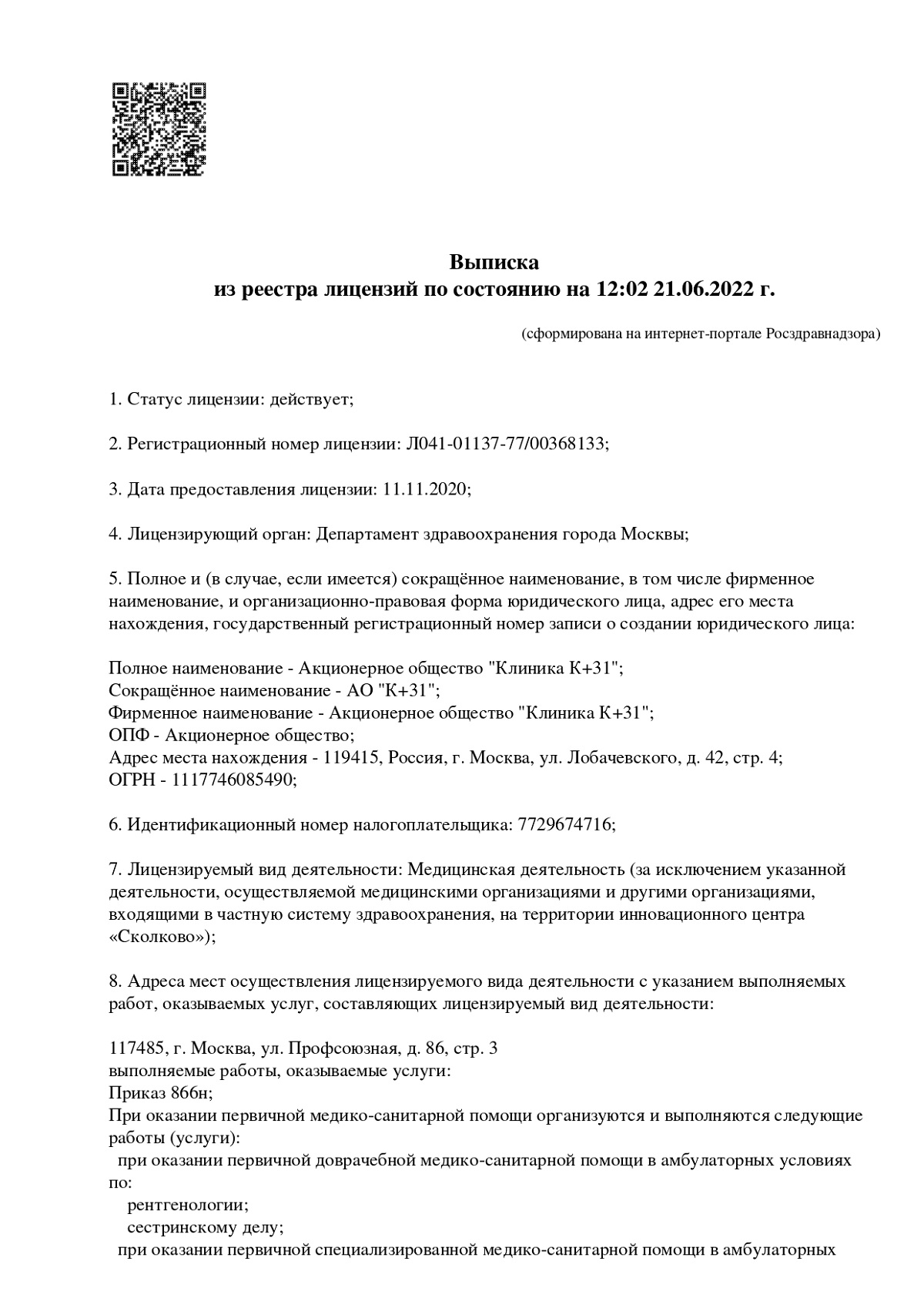
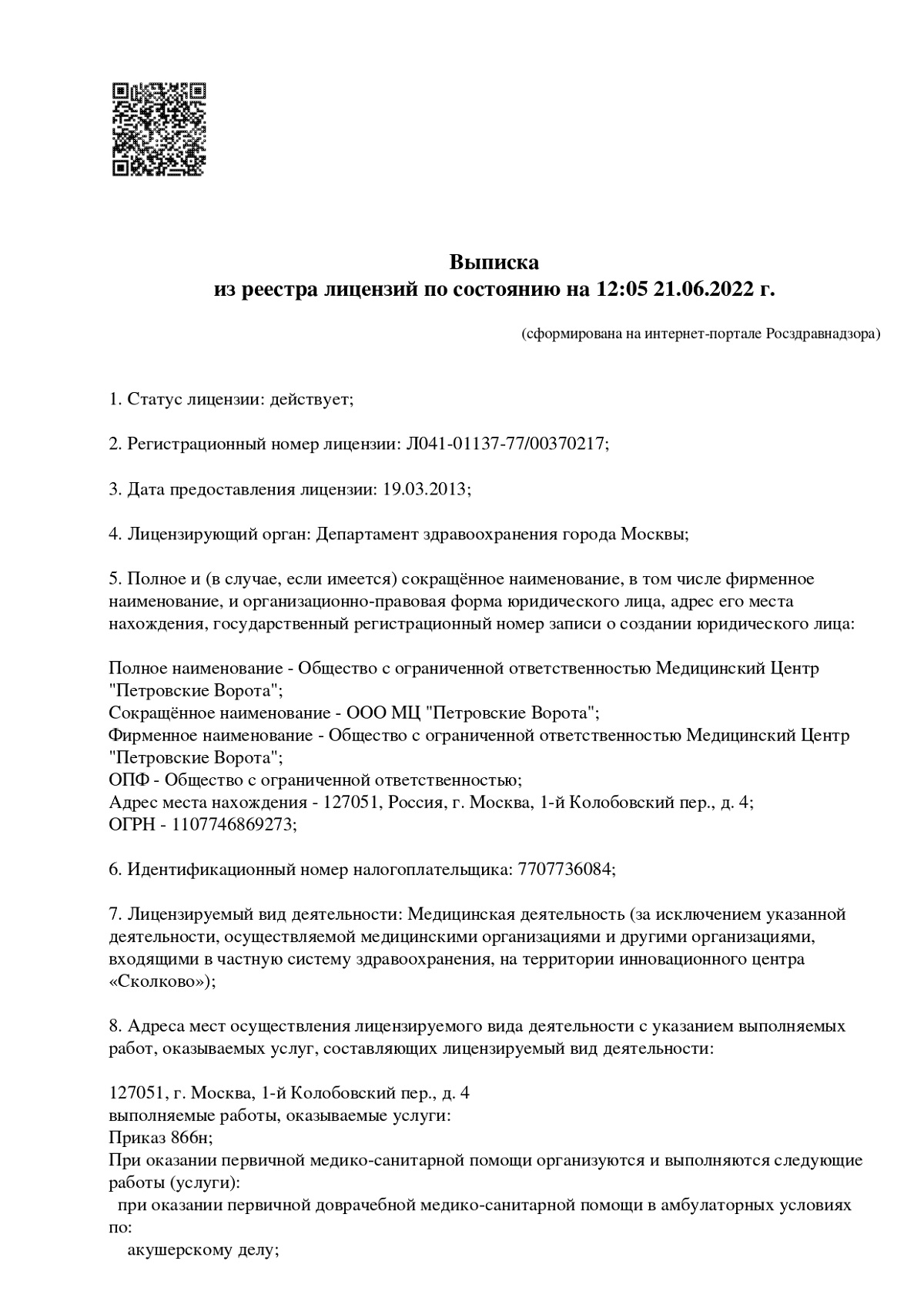
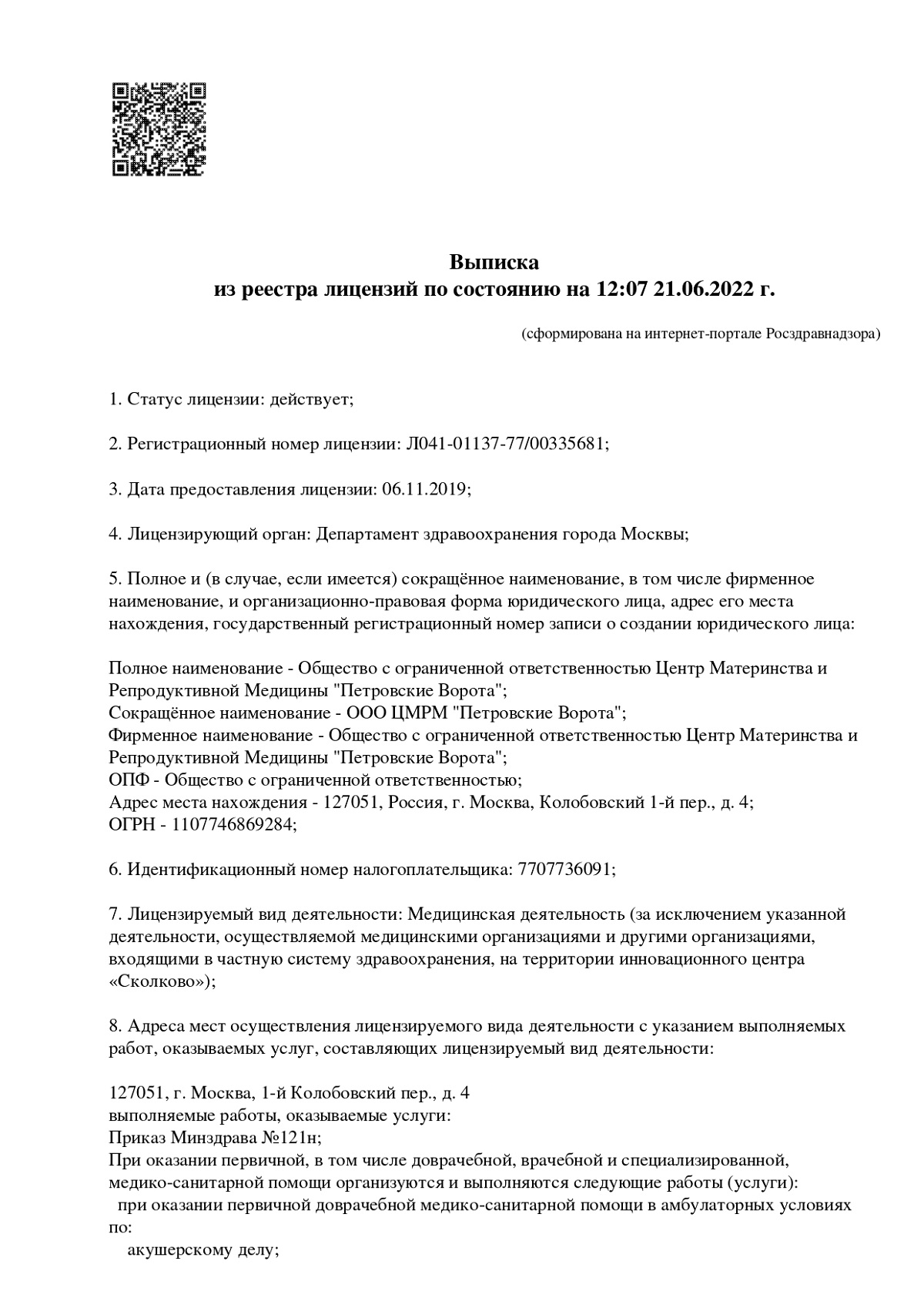




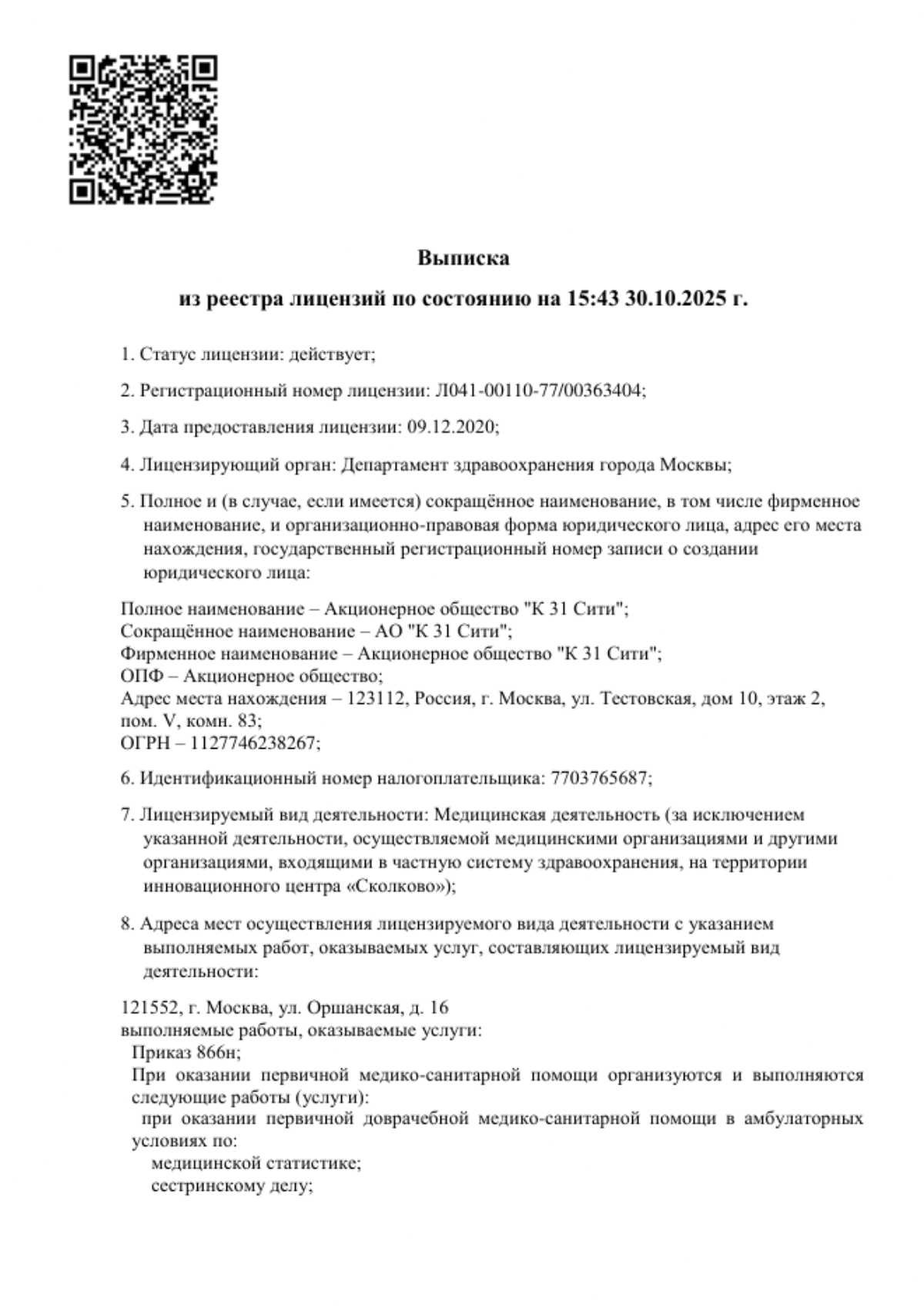




Our clinics


Application “Personal Account K+31”












When do you need to see an ophthalmologist?
People see a doctor when they experience pain, decreased vision, or inflammation. If you need an ophthalmologist in Moscow, it's best to schedule an appointment immediately rather than wait for a persistent deterioration.
Symptoms that require a visit
The doctor evaluates more than just one complaint. The entire clinical picture is important: when the symptoms appeared, whether there is pain, double vision, photophobia, or changes in the cornea, lens, or retina. An ophthalmologist determines the urgency of a visit based on a combination of symptoms, not just the patient's sensations.
Symptoms that require a doctor's appointment:
Self-medication can alter the symptoms of the disease and complicate diagnosis.
If you experience sharp pain, injury, flashes of light, or a sensation of a "curtain" in front of your eye, an examination is necessary immediately, without waiting for a scheduled appointment.
Preventive eye examination: when is it especially important?
Routine eye examinations are necessary for diabetes, hypertension, hereditary eye diseases, high eye strain, surgeries, and injuries.