
Eyelid Massage by an Ophthalmologist: Indications, Benefits, and How the Procedure Is Performed
When eyelids become inflamed, eyes quickly tire, a burning sensation develops, a feeling of heaviness, dry eyes, or a gritty sensation in the eyes, the patient begins to look for eye drops, although the cause may be related not only to tears but also to the condition of the eyelid margin. In such situations, we ophthalmologists evaluate the function of the meibomian glands, whether there is a blockage in their drainage ducts, the stability of the tear film, and whether the patient needs a procedure to improve drainage.
Eyelid massage is not considered a cosmetic procedure. It is an ophthalmological procedure that we prescribe when indicated.

specialists

equipment

treatment



When do we recommend eyelid massage?
The procedure is prescribed for specific problems.
Eyelid massage for blepharitis and meibomian gland dysfunction
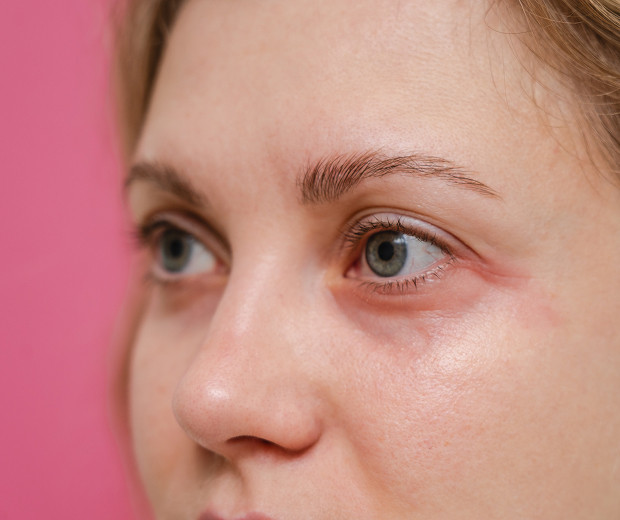
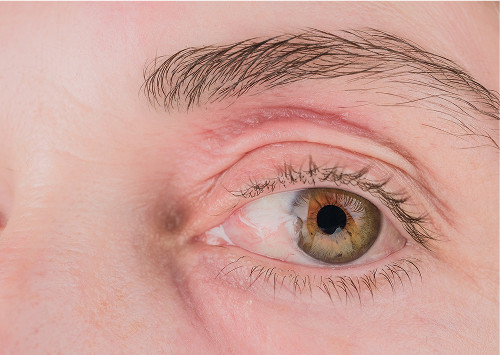
Blepharitis is often accompanied by redness of the eyelid margin, crusting of the eyelashes, itching, morning discomfort, and a feeling of eye fatigue. If, upon examination, we find that the meibomian glands are not functioning properly, the procedure may be part of the treatment.
Indications for which we most often recommend the procedure:
- Blepharitis
- Meibomian gland dysfunction
- Dry eye syndrome
- Chalazion
- Sensation of sand, dryness, and burning
Indications for eyelid massage are determined by a doctor, because with active inflammation, pain, or purulent discharge, it is first necessary to understand the cause of the symptoms.
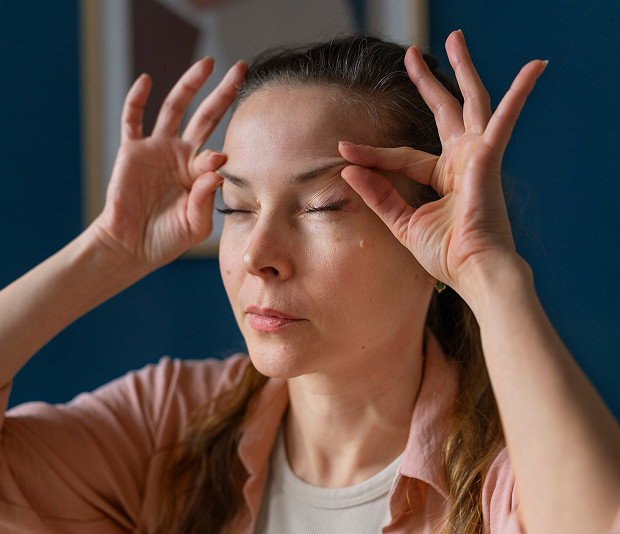
Eyelid massage for dry eye syndrome
Dry eye syndrome is not always associated solely with a lack of tears. Often, the problem arises from a disruption of the lipid layer formed by the meibomian glands. In this case, eyes may water outside, quickly become red while using the computer, and be sensitive to air conditioning and dry air.
We consider this procedure as part of a treatment plan, not the only method.
Chalazion, Stye, and Gritty Eye Feeling
Chronic duct obstruction can lead to the formation of a chalazion. Acute, painful inflammation can sometimes lead to a stye, and in this situation, applying pressure to the eyelid is especially dangerous. If there is pain, increasing swelling, or purulent discharge, the procedure should not be performed without an examination.
After the acute process has subsided, the doctor can determine whether massage, care, medication, or other treatment is necessary. If recurrences are frequent, we investigate the cause more broadly: we examine the eyelid margin, skin condition, discharge quality, eye care habits, and the eye's response to eye strain.
How does an ophthalmologist perform an eyelid massage?
Pre-procedure examination
The first step is a consultation with an ophthalmologist and a slit-lamp examination of the eye. The doctor evaluates the eyelash margin, the severity of inflammation, the condition of the conjunctiva, the quality of the secretion, and the patient's response to touch.
We also ask about the eye drops the patient has already used, any allergies, contact lenses, chronic skin conditions, recent eye surgeries, or injuries. This individualized approach helps us choose a safe approach and avoid procedures that require other treatments first.
Preparation and Technique
Before the procedure, the doctor may cleanse the eyelid margin and prepare the tissues for gentle manipulation. A warm compress may sometimes be used, but its temperature, duration, and necessity are determined by the specialist.
"In our experience, the best results come from a gentle technique after an examination, rather than an aggressive massage. We always assess the condition of the eyelid margin and meibomian glands before choosing the procedure—this ensures the treatment remains safe and understandable for the patient."
What does the patient feel during the session?
During the procedure, pressure, mild soreness, or an unusual sensation at the edge of the eyelid may occur. The session is usually well-tolerated, but sensitivity depends on the severity of the inflammation and the overall condition of the eyes. We ask the patient to immediately speak up if any sharp pain or severe discomfort occurs.
General information
What are the benefits of eyelid massage?
We immediately share the results of the treatment so you understand our goal.
Improved drainage of meibomian gland secretions
The main effect of eyelid massage is related to improved secretion flow from the glands. When thick secretions begin to drain more easily, the strain on the eyelid margin is reduced, and the ocular surface receives more stable protection from moisture evaporation.
For chronic conditions, one session is not enough. The doctor will prescribe a course of treatment and explain how to combine treatment with home care.
Reduction in dryness, burning, and irritation
As gland function gradually improves, the patient may notice a reduction in dryness, burning, redness, and a foreign body sensation. We do not promise immediate results, as the severity of symptoms depends on the duration of the process, any accompanying inflammation, and the quality of daily care.
For dry eye syndrome, it is important not only to perform the procedure but also to assess your vision strain, screen time, air humidity, contact lens use, and blink rate.
When to expect results and how many procedures may be needed
Some patients notice the first changes after several sessions, but the exact time frame depends on the condition of the eyelids. If the process is chronic, we may recommend a course of treatment, followed by maintenance eyelid hygiene and follow-up with a doctor.
The number of treatments is determined individually. A short course is sufficient for mild cases of blockage, while persistent blockage and recurrences may require longer, comprehensive treatment.

Frequently Asked Questions
What conditions does eyelid massage help with?
How does an eyelid massage performed by an ophthalmologist?
Can I do an eyelid massage myself?
Is eyelid massage painful, and how many treatments are needed?

References
- Russian Ministry of Health — Clinical Guidelines
https://cr.minzdrav.gov.ru/ (to check wording on blepharitis, dry eye syndrome, chalazion) - Russian Society of Ophthalmologists
https://ophthalmology.ru/ (professional publications) - Russian Medical Journal (RMJ)
https://www.rmj.ru/ (articles on dry eye and inflammatory diseases of the eyelids) - Ophthalmology Bulletin / Mediasphera
https://www.mediasphera.ru/journal/vestnik-oftalmologii (clinical reviews) - CyberLeninka — meibomian gland dysfunction
https://cyberleninka.ru/search?q=дизспеция%20мейбомиевых%20желез - CyberLeninka — Dry Eye Syndrome
https://cyberleninka.ru/search?q=синдром%20шуго%20глаза
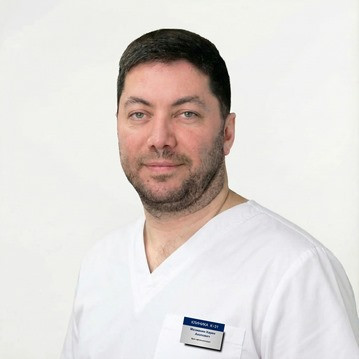
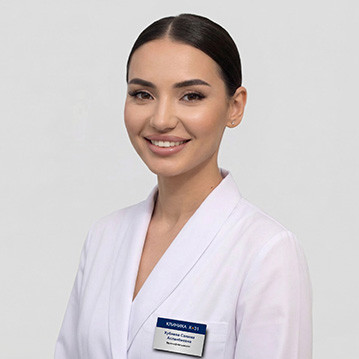
Our doctors















This award is given to clinics with the highest ratings according to user ratings, a large number of requests from this site, and in the absence of critical violations.

This award is given to clinics with the highest ratings according to user ratings. It means that the place is known, loved, and definitely worth visiting.

The ProDoctors portal collected 500 thousand reviews, compiled a rating of doctors based on them and awarded the best. We are proud that our doctors are among those awarded.
Make an appointment at a convenient time on the nearest date
Price
Other services

Appointment to the doctor
Reviews






Our clinics


Application “Personal Account K+31”












What is eyelid massage and why is it needed?
This is not a cosmetic procedure, but a systemic approach to treating many conditions.
How the procedure works
The meibomian glands are located in the eyelids and produce a lipid component of tears. This helps reduce evaporation of moisture from the surface of the eye and maintain comfort during blinking. When the secretion becomes thick or does not drain well from the ducts, the eyelid margin becomes inflamed, the tear film becomes unstable, and the patient complains of irritation, fatigue, stinging, and intermittent blurred vision.
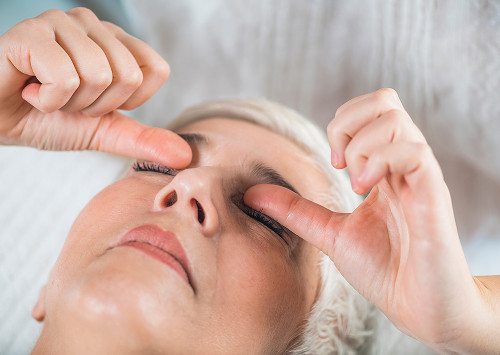
During the procedure, the doctor gently presses the eyelid margin to improve the drainage of secretions. Beforehand, we always assess the condition of the eye, as similar complaints can have different causes.
How does eyelid massage differ from regular eyelid hygiene?
Eyelid hygiene is aimed at cleansing the eyelash margin of crusts, sebum, makeup residue, and inflammatory secretions. While it's important, it doesn't always solve the problem if there's severe gland blockage. Massage works more deeply because the doctor works with the eyelid margin and evaluates the secretion flow.
Home care usually includes cleansing and sometimes a warm compress, if approved by the doctor. In the clinic, we don't limit ourselves to general advice; we also assess whether there's meibomian gland dysfunction and the severity of the eyelid margin inflammation.