Vitrectomy in Moscow: vitreous removal, indications, and recovery

Vitrectomy in Moscow is performed for diseases of the internal structures of the eye, when it is necessary to remove the altered vitreous and gain access to the retina. At K+31, this surgery is performed after diagnosis, as the treatment strategy depends on the diagnosis, the duration of the disease, and the condition of the visual tissue.

We explain to the patient why vitrectomy is necessary, how it is performed, and what restrictions there will be after the procedure. The main goal of treatment is to protect the eye from further damage and support vision recovery if the tissues are still capable of doing so.

Best specialists
Best
specialists
Expert equipment
Expert
equipment
Advanced diagnostic treatment
Advanced diagnostic
treatment
Download the application “Personal Account K+31”
Everything about your health in one click!
Subscribe to social networks K+31
To keep up to date with current offers and receive useful advice about your health.

What is vitrectomy and when is it needed?

Vitrectomy is an ophthalmological surgery in which the surgeon removes abnormal contents within the eye. Most often, this involves the vitreous humor—the transparent, gel-like structure between the crystalline lens and the retina.

Normal vitrectomy does not interfere with vision, but it can become a problem due to hemorrhage, opacification, injury, or scarring.

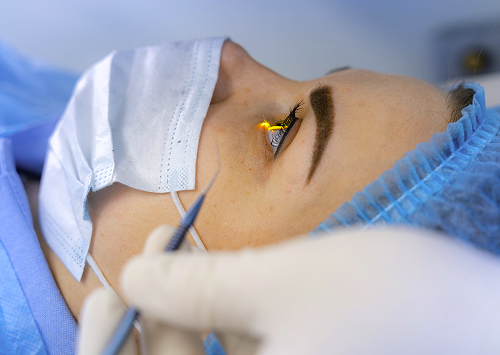
Through small incisions, the doctor is able to work on the back of the eye. If necessary, they remove blood, membranes, and dense bands, treat dangerous areas with a laser, and support the retina from the inside. This approach is part of ophthalmic surgery and is used only when indicated.

What is removed and why

During surgery, the doctor may remove all or part of the vitreous humor. The extent depends on the diagnosis. If there is blood, scar tissue, or dense opacities inside the eye, they prevent light from reaching the retina and complicate treatment.

After removing the affected structures, the surgeon evaluates the retina from the inside. If there is a tear, areas of tension, or a risk of detachment, the doctor immediately addresses these areas. Therefore, a vitrectomy is often needed not for the removal itself, but to fully access the damaged area.

How does vitrectomy differ from other treatment methods?

Drops, tablets, and laser treatments do not help with all conditions. If the problem is internal, and tissue is pulling on the retina or blood is obscuring the view, conservative treatment may not be enough. In such cases, vitreoretinal surgery is required.

The laser targets the visible areas of the retina. If there is dense hemorrhage or significant changes, the doctor may not be able to see the entire fundus. Endovitreal surgery allows for internal surgery when other approaches fail to produce the desired results.

What is vitrectomy and when is it needed?

Indications for vitrectomy

The decision to operate is made by an ophthalmic surgeon after an examination and tests. We evaluate visual acuity, the condition of the macula, the transparency of the ocular media, the periphery of the retina, and the risks for the other eye. Old reports are useful, but the treatment plan is built on the current picture.

Most often, we can recommend vitrectomy in the following conditions:

  • Retinal detachment
  • Vitreous hemorrhage
  • Macular hole
  • Epiretinal membrane
  • Diabetic retinopathy with complications
  • Consequences of eye injury

After the list, the doctor explains why in one case it is possible to observe, and in another it is better not to wait. With retinal diseases, the timing sometimes affects the prognosis.

Retinal detachment

With retinal detachment, the inner lining of the eye separates from its normal position. A person may experience flashes of light, a dark shadow to the side, a "curtain" in front of the eye, or notice a sudden deterioration in vision. Symptoms sometimes appear quickly, so it's important not to wait.

If the doctor detects a tear or significant displacement, retinal surgery is performed. During the procedure, the surgeon removes the cause of the detachment, reinforces the affected areas, and selects internal support. The prognosis is determined by the condition of the macula—the central area responsible for clear vision—and the timing of the consultation.

Vitreous hemorrhage

Vitreous hemorrhage can present in various ways. Some patients experience a dark cloudiness or spots in front of the eye. Others experience a sharp decrease in vision, as if a thick curtain had appeared inside the eye. It's important for the doctor to determine whether the blood gradually resolves on its own or whether the hemorrhage is caused by a rupture, detachment, or vascular complication.

If the blood persists and interferes with the examination, a vitrectomy may be necessary. The surgeon removes the blood, examines the retina from the inside, and, if necessary, strengthens the affected areas with a laser.

Macular hole

A macular hole is a defect in the central area of ​​the retina. The macula is responsible for reading, facial recognition, and fine detail. When damaged, a person may see a spot in the center, distorted lines, or decreased clarity.

With this diagnosis, vitrectomy helps relieve tension from the vitreous. At the end of the surgery, the doctor may use internal support to better align the edges of the hole. Recovery is gradual, so the timeline is discussed before treatment.

Epiretinal membrane

This is a thin film on the surface of the retina. The epiretinal membrane can tighten the central area, causing lines to appear jagged, reading to be more difficult, and vision to become blurry. Sometimes the changes develop slowly, so the patient may not notice the problem for a long time.

If the membrane is severe, retinal surgery is necessary. The surgeon removes the membrane and reduces tension in the macular area. The outcome depends on the duration of the process and the condition of the tissue.

Diabetic retinopathy and complications

Diabetic retinopathy affects the retinal blood vessels. In severe cases, hemorrhages, scar tissue, and areas of tension may appear inside the eye. This reduces vision and increases the risk of detachment.

If diabetic retinopathy develops complications, the doctor decides whether the eye can be observed further or whether vitreoretinal surgery is necessary. Sometimes, during surgery, the following must be removed:

  • Blood
  • Adhesions
  • Altered vitreous humor

The treatment strategy depends on the condition of the eye and how well the diabetes is controlled.

Consequences of eye injuries

After an injury, blood, opacities, foreign particles, or scarring may remain inside the eye. Sometimes the retina is damaged, resulting in a tear or detachment. In such cases, delays can worsen the prognosis.

Removing the vitreous after an injury helps the doctor examine the internal structures and eliminate the mechanical causes of the damage. The extent of treatment depends on the nature of the injury. The risks and possible outcomes are explained to the patient in advance.

General information

How is a vitrectomy performed?

Before the procedure, we conduct a diagnosis and discuss the plan. The patient must understand the surgeon's task: removing blood, relieving tension, closing the tear, supporting the retina, or performing several steps at once.

Diagnosis and preparation for the procedure

Preparation begins with a consultation with the ophthalmologist. We check visual acuity, intraocular pressure, the anterior segment of the eye, and the fundus, if the doctor can clearly see it. A vision test and an assessment of the patient's general condition are also performed.

The examination may include:

  1. OCT
  2. Ultrasound of the eye
  3. Fundus images and other methods as indicated

If blood or dense clouding obscures the view, an ultrasound can help identify signs of detachment and the condition of internal structures. After diagnosis, the doctor calmly explains the appropriate approach for each case.

Stages of the Surgery

Eye surgery is performed in a sterile operating room. The surgeon performs a microinvasive approach through small punctures and inserts fine instruments. This approach reduces trauma and allows for precision.

First, the vitreous is removed. Then, the doctor removes blood, membranes, scar tissue, or other changes that interfere with the retina. Laser treatment and internal tamponade are used if necessary.

Gas Tamponade and Silicone Oil: What Patients Need to Know

After surgery, the retina sometimes requires internal support. For this, the doctor may use a gas bubble or silicone oil. The choice depends on the diagnosis, the area of ​​damage, and the risk of recurrent detachment.

ParameterGas tamponadeSilicone oil
When to useFor a number of retinal pathologiesFor more complex cases
What it doesHelps to press the retinaMaintains the retina for a long time
FeaturesRequires adherence to recommendationsMay require subsequent removal
What is important for the patientHead position monitoring, observationRegular monitoring Doctor

The gas gradually dissipates, but while it's in the eye, the patient must adhere to certain restrictions. Flying with gas is prohibited until cleared by a doctor. Silicone oil lasts longer and is sometimes removed with a separate procedure.

How is a vitrectomy performed?

Recovery after vitrectomy

Recovery after vitrectomy depends on the diagnosis, the extent of the surgery, the condition of the retina, and the type of internal support. We explain in advance what symptoms are normal, what restrictions are important, and when to return for a follow-up appointment.

You cannot change your prescriptions on your own.

The first hours and days after surgery

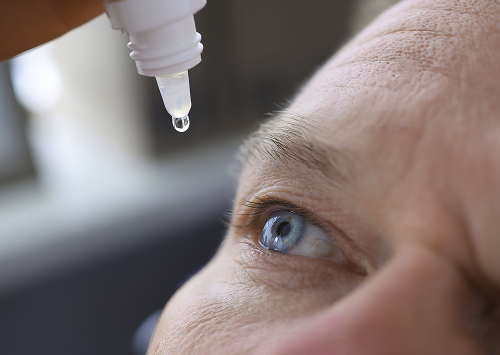
In the first hours, moderate discomfort, tearing, a foreign body sensation, and temporary decreased clarity are possible. If a gas bubble was used, vision may be severely limited until it resolves. This is discussed with the patient in advance.

During the postoperative period, the doctor will prescribe:

  • Drops
  • Regimen
  • Examination dates

It is important to avoid rubbing the eye, removing protective devices without permission, and not skipping checkups. It is best to discuss any new complaints with the clinic.

Restrictions and recommendations

Restrictions depend on the type of surgery and tamponade. Typically, heavy lifting, bending, saunas, swimming pools, and heavy lifting are temporarily prohibited. If gas support is used, a ban on flying is discussed separately.

If the doctor has prescribed a specific head position, it must be strictly followed. This affects the functioning of the internal support. Failure to follow the regimen can reduce the effectiveness of the treatment.

When vision begins to recover

Recovery after vitrectomy is not always quick. The outcome depends on the macula, the duration of the detachment, the condition of the vessels, the severity of the damage, and compliance with recommendations. Sometimes vision changes gradually over weeks or months.

We do not promise the same results for all patients. The doctor will explain the prognosis after the examination and surgery. The main goal is to preserve visual function as much as possible given the specific diagnosis.

Recovery after vitrectomy

Why patients choose our team

At K+31, patients are managed by doctors who specialize in retinal diseases and the internal structures of the eye. We start with diagnostics, not promises. The patient receives a clear plan: what's happening to the eye, why the surgery is needed, and how the follow-up will be.

Microinvasive technologies

Microinvasive vitrectomy is performed through small incisions. The surgeon uses fine instruments and precise visualization. This is important because the procedure is performed near areas that affect vision.

Microinvasive vitrectomy does not eliminate the risks of surgery, but it does reduce the trauma of the procedure. This approach is especially important for complex eye surgeries. The surgeon decides on the appropriate technique after diagnosis.

Experience of ophthalmic surgeons

The patient works with a team that includes a vitreoretinal surgeon and related specialists, if necessary. Complex cases are analyzed taking into account the diagnosis, the condition of the other eye, and overall health. This approach helps determine the appropriate treatment strategy.

The ophthalmic surgeon discusses the treatment plan with the patient in advance. The doctor explains the problem that needs to be addressed, any restrictions after surgery, and any potential risks. The patient is not left alone during the recovery phase.

Individualized Treatment Plan and Support

We tailor the treatment plan to the individual. Some patients require urgent surgery, while others require observation and monitoring over time. The decision depends on the condition of the retina, complaints, examinations, and the risk of vision loss.

Support continues after discharge. The doctor monitors intraocular pressure, retinal position, inflammatory response, and tolerance to eye drops. If necessary, the treatment regimen is changed.

Why patients choose our team

Potential risks and how we minimize them

Any ophthalmological surgery has risks. Inflammation, increased intraocular pressure, hemorrhage, cataracts, recurrent detachment, or the need for additional intervention are possible. These issues are discussed before surgery, not afterward.

We reduce risks through:

  • Diagnostics
  • Precise technique
  • Sterile conditions and observation

The patient also influences the outcome: it is important to adhere to the drops, restrictions, head position, and examination schedules. If pain, a sharp decrease in vision, or new flashes of light occur after surgery, consult a doctor immediately.

Self-medication after surgery is unacceptable. Do not add drops, stop medications, warm the eye, or increase eye strain. Any changes to the regimen must be discussed with a doctor.

Potential risks and how we minimize them

FAQ

What is vitrectomy and why is it performed?

Vitrectomy is a surgical procedure in which the doctor removes the damaged vitreous and gains access to the retina. This procedure is used to treat retinal detachment, hemorrhage, macular hole, epiretinal membrane, and diabetes complications. The goal is to remove the cause of the damage and preserve visual function.

How is a vitrectomy performed?

First, a diagnosis is made and a treatment plan is chosen. Then, in the operating room, the surgeon works through small incisions, removes the affected tissue, and performs laser treatment if necessary. Finally, gas or silicone support may be used.

How long does recovery after vitrectomy take?

The recovery time depends on the diagnosis, the condition of the retina, and the type of tamponade. Some restrictions remain in place for the first days and weeks. Vision usually recovers gradually, under the doctor's supervision.

What restrictions are important after surgery?

After surgery, avoid rubbing your eye, skipping appointments, or changing your treatment on your own. Physical activity should be managed carefully. If you experience pain, new flashes, blurred vision, a sudden decrease in vision, or new spots before your eyes, seek immediate medical attention.
Sign up for a consultation

Sign up for a consultation

Vitrectomy in Moscow is available by appointment at "K+31." A consultation is necessary if you have already been diagnosed, experience sudden vision loss, or suspect a detachment or hemorrhage. The sooner the doctor evaluates your retina, the more accurate the plan will be.

Schedule an appointment in Moscow if you experience flashes, "blind spots," a sudden decrease in vision, a spot in front of your eye, or sudden floaters. We will conduct a diagnosis, explain your eye condition in simple terms, and offer treatment as needed.

List of sources

Category of Clinical Guidelines of the Ministry of Health of the Russian Federation — https://cr.minzdrav.gov.ru/

Ministry of Health of the Russian Federation — https://minzdrav.gov.ru/

Journal "Ophthalmology Bulletin" — https://www.mediasphera.ru/journal/vestnik-oftalmologii

Russian Medical Journal (RMJ) — https://www.rmj.ru/

Ophthalmology portal EyePress — https://eyepress.ru/

Our doctors

Batalina Larisa Vladimirovna
Experience 33 years
Make an appointment
Batalina
Larisa Vladimirovna
Deputy chief physician for ophthalmology, ophthalmic surgeon, leading specialist in laser vision correction
Amiryan Anush Gamletovna
Experience 28 years
Make an appointment
Amiryan
Anush Gamletovna
Ophthalmic oncologist surgeon
Medvedev Yulia Alexandrovna
Experience 11 years
Make an appointment
Medvedev
Yulia Alexandrovna
Ophthalmologist, Laser Surgeon
Rudkovskaya Elena Mikhailovna
Experience 38 years
Make an appointment
Rudkovskaya
Elena Mikhailovna
Ophthalmologist
Tegniryadnova Ekaterina Valerievna
Experience 20 years
Make an appointment
Tegniryadnova
Ekaterina Valerievna
Ophthalmologist, laser surgeon
Fadeeva Victoria Anatolievna
Experience 13 years
Make an appointment
Fadeeva
Victoria Anatolievna
Doctor ophthalmologist, laser surgeon
Shamsetdinova Leila Tagirovna
Experience 17 years
Make an appointment
Shamsetdinova
Leila Tagirovna
Pediatric ophthalmologist
Gavrilina Polina Dmitrievna
Experience 8 years
Make an appointment
Gavrilina
Polina Dmitrievna
Ophthalmologist, laser surgeon
Kovaleva Olesya Alexandrovna
Experience 7 years
Make an appointment
Kovaleva
Olesya Alexandrovna
Ophthalmologist, laser surgeon
Sugonyaeva Olga Yurievna
Experience 26 years
Make an appointment
Sugonyaeva
Olga Yurievna
Ophthalmologist, laser surgeon
Khlunovskaya Anna Nikolaevna
Experience 8 years
Make an appointment
Khlunovskaya
Anna Nikolaevna
Ophthalmologist
Akhiyarova Azalia Azatovna
Experience 4 years
Make an appointment
Akhiyarova
Azalia Azatovna
Ophthalmologist
Putintseva Polina Andreevna
Experience 6 years
Make an appointment
Putintseva
Polina Andreevna
Ophthalmologist
Agafonova Oksana Sergeevna
Experience 21 year
Make an appointment
Agafonova
Oksana Sergeevna
Ophthalmologist, pediatric
Kazennov Alexey Nikolaevich
Experience 19 years
Make an appointment
Kazennov
Alexey Nikolaevich
Ophthalmologist, ophthalmologist-surgeon
Petrova Maria Grigorievna
Experience 14 years
Make an appointment
Petrova
Maria Grigorievna
Ophthalmologist, ophthalmic surgeon
Mazmanyan Karen Akopovich
Experience 28 years
Make an appointment
Mazmanyan
Karen Akopovich
Ophthalmic surgeon
Suchkova Valeria Alekseevna
Experience 6 years
Make an appointment
Suchkova
Valeria Alekseevna
Ophthalmologist
Khubieva Salima Aslanbievna
Experience 7 years
Make an appointment
Khubieva
Salima Aslanbievna
Ophthalmologist, laser surgeon
Rytik Nina Petrovna
Experience 15 years
Make an appointment
Rytik
Nina Petrovna
Ophthalmologist
All specialists
2GIS Award
2GIS Award

This award is given to clinics with the highest ratings according to user ratings, a large number of requests from this site, and in the absence of critical violations.

«Good place» according to Yandex

This award is given to clinics with the highest ratings according to user ratings. It means that the place is known, loved, and definitely worth visiting.

Our doctors are laureates of the ProDoctors Award

The ProDoctors portal collected 500 thousand reviews, compiled a rating of doctors based on them and awarded the best. We are proud that our doctors are among those awarded.

Make an appointment at a convenient time on the nearest date

Price

Reception
Price
Initial Ophthalmologist Appointment
from 6 450 ₽
Corneal Collagen Crosslinking with Ultraviolet Irradiation
from 52 500 ₽
Femtosecond Laser-Assisted Intrastromal Segment Implantation
from 200 000 ₽

Appointment to the doctor

Fill out the form, our managers will contact you within 15 minutes

Reviews

A great doctor, explained everything, checked everything. I highly recommend a high-level specialist.
13.06.2026
Matvey S.
Everything is fine, thanks again.
09.06.2026
Vladimir S.
A great doctor!!!
03.06.2026
Darya N.
We are patients of the clinic aged K+31, 89 and 85. The YUI clinic recommended cataract surgery. Of course, unrest and fears began. Everything started well and correctly with a call to Diana, the manager of the ophthalmology department. In a soft, calm voice, Diana explained everything clearly and provided real help and support when arranging medical services. Diana's attention and, one might say, her care have been very supportive. Diana made an appointment for YUI with a very good doctor Petrova Maria Grigoryevna. We are grateful to Diana for this attitude and her clear work!
01.06.2026
Yuriy B.
Tegniryadnova is an excellent doctor, we have done a lot of research, but the clinic is cold and uncomfortable
27.05.2026
Yu. Mir.
Excellent doctor Podshchekoldina E.N., Tegniryadnova E.V. the best ophthalmologist
It helped a lot with the eye! The dog implicitly touched the cornea, everything was done quickly and after a day the redness and swelling went away
21.05.2026
Anush D.
The best ophthalmology appointment of my life! He is very pleasant, polite and, importantly, a competent specialist. We conducted an inspection on various equipment, gave recommendations) I'm incredibly pleased, thank you!
19.05.2026
Elena T.
A wonderful, sensitive, very competent specialist, I was very pleased with the visit.
14.05.2026
Yuliya T.
Почему К+31?
К + 31 — full-cycle multidisciplinary medical centers, including the possibility of providing medical services of European quality level.
К + 31 — are leading doctors and diagnostics using high-tech equipment from world manufacturers (Karl Storz, Olympus, Siemens, Toshiba, Bausch&Lomb, Technolas, Zeiss, Topcon).
К + 31 — is ethical. The staff of K+31 clinics maintain open relationships with patients and partners. An individual approach to each patient is the basis of our service standards.
К + 31 — is modernity. On call 24/7: call center operators will answer your questions at any time and book you an appointment with doctors. Contact us by phone, through the feedback form on the website and Max.

Our clinics

Address K+31 Lobachevskogo 2

st. Lobachevskogo, 42/7

Contacts

+7 499 999-31-31

Opening hours

Mon-Fri: 08:00 – 21:00
Weekend: 09:00 – 19:00

Address K+31 on Lobachevskogo

st. Lobachevskogo, 42/4

Contacts

+7 499 999-31-31

Opening hours

Mon-Fri: 08:00 – 21:00
Weekend: 09:00 – 19:00

Address K+31 Petrovskie Vorota

1st Kolobovsky pereulok, 4

Contacts

+7 499 999-31-31

Opening hours

Mon-Fri: 08:00 – 21:00
Sat-Sun: 09:00 – 19:00

Address K+31 West

Orshanskaya, 16/2; Ak. Pavlova, 22

Contacts

+7 499 999-31-31

Opening hours

Mon-Fri: 08:00 – 21:00
Sat-Sun: 09:00 – 18:00
K+31 on Lobachevskogo
Didn't find the service you were looking for?

Экстренная помощь