Lacrimal punctum implantation (obturation): how we help reduce lacrimation

Constant tearing, dry eyes, burning, and irritation are often associated not only with a lack of tear fluid but also with a malfunctioning tear film.

In such cases, punctal occlusion is an opportunity to preserve the natural hydration of the eye and reduce discomfort.

At the K+31 clinic, we perform the procedure after an accurate diagnosis, select the appropriate type of obturator, and monitor the results after placement.

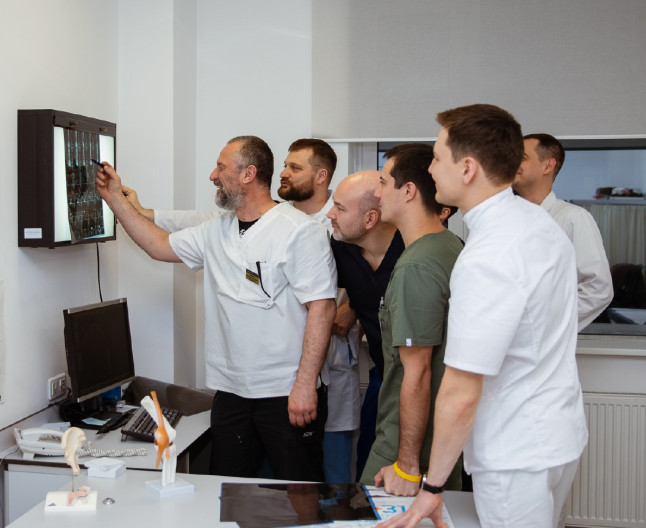
Best specialists
Best
specialists
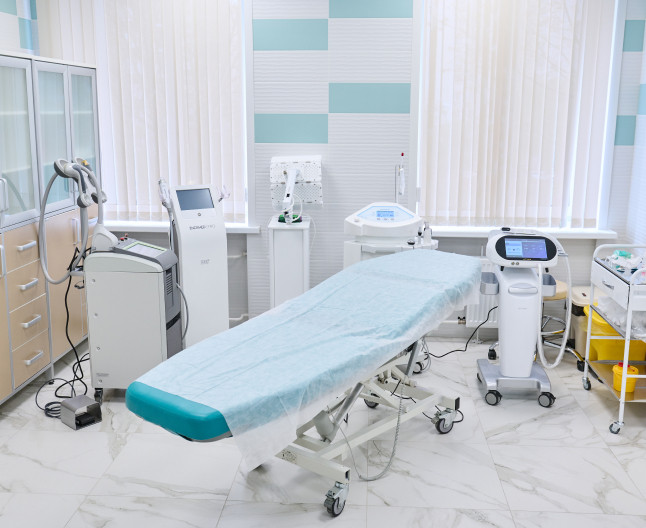
Expert equipment
Expert
equipment
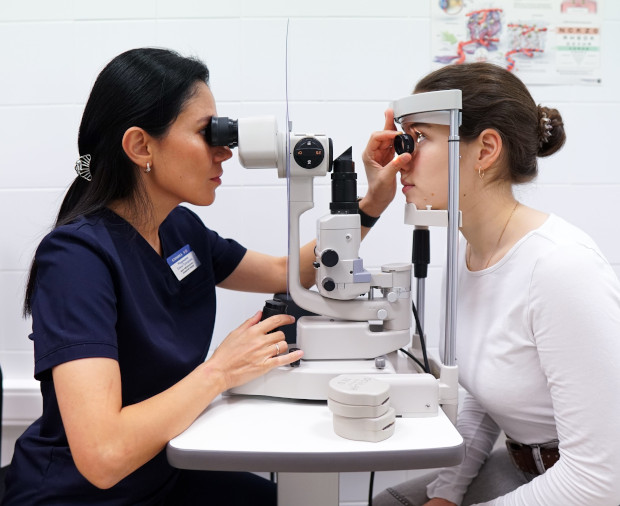
Advanced diagnostic treatment
Advanced diagnostic
treatment
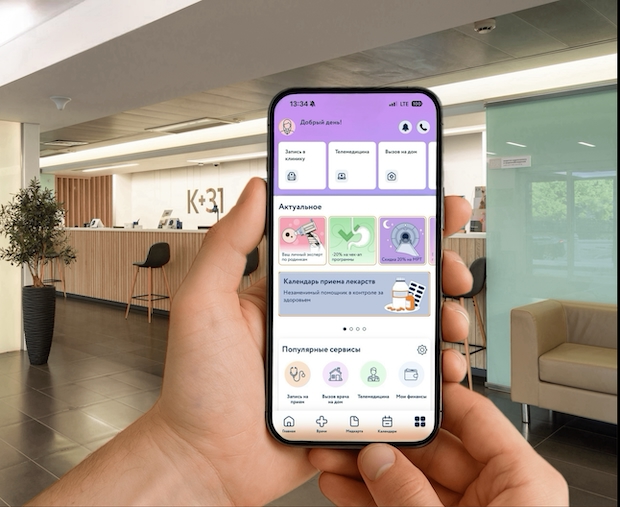
Download the application “Personal Account K+31”
Everything about your health in one click!
Subscribe to social networks K+31
To keep up to date with current offers and receive useful advice about your health.

What is punctal implantation?

Punctural implantation is a modern procedure in which a doctor partially restricts the outflow of tears through the lacrimal ducts. This method is also known as punctal occlusion. To achieve this, a special lacrimal plug or obturator is placed in the area through which tears enter the lacrimal canaliculi.

Normally, the tear film should evenly cover the surface of the eye and protect the cornea from drying out. If tears drain too quickly through the lacrimal ducts, the surface begins to experience a moisture deficit. This is why many patients develop dry eye syndrome. The body may respond by compensatory tear production. This results in epiphora—constant or intermittent tearing.

Punctural occlusion helps retain tears on the surface of the eye longer. This reduces dryness, reduces irritation, and improves comfort throughout the day. The decision to perform therapy is made only by an ophthalmologist after an examination and assessment of the cornea's condition.

It's important to understand that not every tearing problem is caused by dry eyes. Sometimes the problem is caused by inflammation, blocked tear ducts, or eyelid diseases. Therefore, a diagnosis is essential before starting treatment.

What is punctal implantation?

When we recommend this procedure

When we recommend this procedure

Dry eye syndrome and lacrimal insufficiency

Punctal punctal implantation is most often used in patients with confirmed dry eye syndrome. Typically, patients complain of burning, a gritty sensation, unstable vision in the evening, rapid fatigue, and constant discomfort when working at a computer.

Sometimes, the patient is already using rewetting drops, but the effect is short-lived. In this situation, proper tactic can be an additional way to maintain the film.

When we recommend punctal occlusion:

  • Dryness, burning, and a gritty sensation in the eyes
  • Insufficient effect of rewetting drops
  • Discomfort associated with tear film disruption
  • Dry eye syndrome confirmed by examination
  • Need for temporary tear fluid support

The procedure can be used to treat dry eyes after surgery, age-related changes, and chronic tear film instability.

When we recommend this procedure

Tearing, discomfort, and eye irritation

Many patients are surprised when a doctor suggests dry eye treatment for complaints of constant tearing. In practice, this is common. Due to irritation of the surface, the body begins to produce more tears, but they are unable to retain them on the cornea.

In such cases, treatment for tearing is aimed not at reducing tear production, but at restoring the stability of the film. If the problem is specifically related to disrupted surface hydration, punctal occlusion can significantly reduce discomfort.
When we recommend this procedure

When it's important to get a diagnosis first

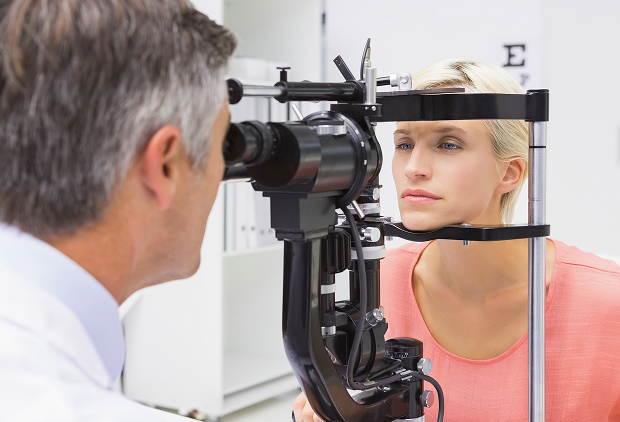
We always conduct a diagnosis. The doctor evaluates the condition of the cornea, the function of the lacrimal glands, the condition of the tear film, and the patency of the lacrimal canals.

If the patient has an infection, inflammation, or severe tear drainage obstruction, the underlying cause must be treated first. Some conditions directly contraindicate the procedure.

"We always start with an accurate diagnosis, because with excessive tearing, it's important to understand the cause of the symptoms. If punctal occlusion is truly indicated, it can significantly reduce discomfort and improve the patient's quality of life. At K+31, we tailor the solution individually and always monitor the results after the procedure."

What is sectoral laser coagulation of the retina?

This method involves targeted laser treatment of a limited area of ​​the fundus. The laser forms coagulates—small areas of tissue adhesion around the defect or thinning.

This helps the doctor isolate the problem area. The decision is made after an in-person diagnosis.

How does the sectoral technique differ from the barrier and panretinal methods?

The sectoral method is chosen for localized changes. Barrier laser coagulation, or barrier coagulation, helps isolate the tear or edge of a localized detachment. Panretinal treatment is used for other purposes, such as ischemia due to diabetic retinopathy. The extent of the procedure depends on the diagnosis.

Before treatment, we explain the purpose of each method.

Procedure Type When Applied Volume of Treatment Purpose
Sectoral Localized Dystrophy, Rupture, Thinning Single Area Strengthen Risk Area
Barrier Rupture or Localized Detachment Along the Edge Along the Defect Limit the spread of the process
Panretinal Diabetic retinopathy, ischemia Large area, excluding the macula Reduce the impact of ischemia

The doctor selects a specific method after examination, imaging, and risk assessment.

What are the results of the procedure?

Laser coagulation of the retina does not reverse the structure of damaged tissue. The doctor uses a laser to create adhesion points around the damaged area to reduce the risk of widening the tear or worsening the thinning. After the procedure, the condition of the fundus is monitored dynamically.

General information

How is sectoral laser coagulation performed?

The procedure is explained to the patient in advance. Treatment is typically performed on an outpatient basis, without hospitalization. Before beginning, the doctor reviews the examination data, checks on the patient's well-being, and warns about possible sensations.

Preparation for the procedure

Preparation for the procedure includes pupil dilation, eye drops, and insertion of a contact lens, if needed for focusing. There is usually no significant pain. Possible side effects include:

  • Pressure from the lens
  • Bright flashes
  • Short-term discomfort

The doctor asks the patient to look in a designated direction.

Laser treatment stages

During the session, pulses are applied according to the planned schedule. Laser coagulation of the retina creates a series of coagulates around the risk zone or along the edge of the defect.

Parameters are selected individually, taking into account pigmentation, media transparency, site location, and tissue response. This type of laser treatment of the retina is not performed according to a one-size-fits-all procedure.

Is it painful and how long does the session last?

Most patients tolerate the session well. Discomfort is associated with bright light, contact lenses, or the treatment of specific areas.

The duration depends on the treatment area and access to the area. We explain the procedure in advance to reduce anxiety.

Contraindications and when to postpone the procedure

The laser is performed when the doctor has a clear view of the treatment area and can safely perform the procedure. If inflammation, hemorrhage, media opacity, or an unstable general condition interferes, the underlying problem is addressed first.

Sometimes an additional x-ray, a repeat examination, or a consultation with a related specialist is necessary.

Acute inflammatory processes

If there is active inflammation of the eyelids, conjunctiva, cornea, or internal structures of the eye, the procedure may be postponed. It is important to first reduce the inflammatory response and determine the cause. Laser treatment may be less well tolerated during an acute process.

Conditions requiring additional examination

Additional diagnostics are necessary in the case of a sharp decrease in vision, hemorrhage, vitreous opacity, or suspected macular detachment or damage.

In these cases, peripheral treatment alone may not be sufficient. The ophthalmologist decides on a course of action: observation, urgent treatment, consultation with a retinal surgeon, or another type of care.

Recovery after laser coagulation of the retina

Recovery after laser coagulation is usually an outpatient procedure. On the day of treatment, vision may be blurred due to a dilated pupil, and the eye may be sensitive to light.

Sometimes, moderate discomfort or tearing may persist. The doctor will warn you about any alarming symptoms separately.

What to do and what not to do in the first few days

After the session, it is important to reduce your activity level and adhere to the prescribed regimen. Restrictions depend on the diagnosis and the scope of the procedure. The patient receives general recommendations immediately after the procedure.

  • Avoid heavy lifting or strenuous exercise.
  • Avoid visiting a sauna, steam room, or swimming pool during the time period prescribed by the doctor.
  • Avoid rubbing the eye or using eye drops unless prescribed.
  • Keep scheduled appointments.
  • Contact the doctor immediately if new visual symptoms occur.

For patients with diabetes, high myopia, trauma, or concomitant diseases, the regimen may be more stringent. Therefore, recommendations are individualized.

When is a follow-up examination necessary?

A follow-up examination helps assess the formation of coagulates and ensure that the risk zone is limited. The doctor schedules the appointment immediately after the procedure. Sometimes routine monitoring is sufficient, while other times a more intensive schedule is necessary.

What symptoms require urgent attention?

Contact the clinic immediately if you experience a sudden deterioration in vision, a "curtain" sensation, new flashes of light, severe pain, or a rapid increase in opacities.

Floaters and photopsies may be associated with changes in the vitreous and peripheral tension. If new symptoms occur, it is best to schedule an examination earlier than the scheduled appointment.

Why patients choose K+31 in Moscow

We guide patients from diagnosis to post-treatment follow-up. We explain the area of ​​concern, why a particular sector was chosen, and any post-treatment restrictions.

Retinal laser coagulation is available to patients who require an in-person evaluation by a retinologist and intervention planning.

Accurate diagnostics and individualized laser parameters

We select parameters based on the condition of the eye. We consider the transparency of the media, the location of the defect, pigmentation, and the proximity of blood vessels and the macula. Sectoral retinal laser coagulation requires precision because it involves working with a limited area.

Experienced ophthalmologist team

The procedure is performed by a doctor experienced in fundus diseases and understanding the risks of peripheral changes. In complex situations, the decision is discussed within the team. This is important for patients with high myopia, previous surgery, trauma, or diabetes.

Doctor's quote:

"In our practice, sectoral laser coagulation is especially important when we need to target a dangerous area of ​​the retina while maintaining the most gentle treatment possible. We always begin with an accurate diagnosis and tailor the laser parameters individually."

Post-procedure monitoring and a clear treatment plan

After the session, the patient receives a report and a clear treatment plan. We explain the regimen, follow-up timeframes, acceptable sensations, and any signs that require urgent treatment. If new data emerges during monitoring, the treatment plan is adjusted.

FAQ

What is punctal occlusion?

This is a procedure in which the doctor partially or completely restricts the flow of tears through the tear ducts to reduce dryness and discomfort.

When do we recommend punctal occlusion?

We most often prescribe it to patients with dry eye syndrome, tear deficiency, and complaints of irritation, burning, and persistent discomfort.

Is the procedure painful?

Generally, everything goes smoothly, but the specific sensations depend on the chosen method and the patient's individual needs.

Can the obturator be removed if it's not a good fit?

Yes, the installed element can be removed or replaced if necessary. Therefore, we always offer an individualized selection and explain the treatment options to the patient in advance.
Sign up for a consultation at

Sign up for a consultation at "K+31"

If you're concerned about dryness, irritation, or constant tearing, don't delay your appointment with a specialist. We'll examine you, assess your current condition, and determine the appropriate treatment option after diagnosis.

Schedule a consultation at the K+31 clinic. We'll explain whether this procedure is right for you and offer a solution tailored to your symptoms and condition.

Our doctors

Batalina Larisa Vladimirovna
Experience 33 years
Make an appointment
Batalina
Larisa Vladimirovna
Deputy chief physician for ophthalmology, ophthalmic surgeon, leading specialist in laser vision correction
Amiryan Anush Gamletovna
Experience 28 years
Make an appointment
Amiryan
Anush Gamletovna
Ophthalmic oncologist surgeon
Medvedev Yulia Alexandrovna
Experience 11 years
Make an appointment
Medvedev
Yulia Alexandrovna
Ophthalmologist, Laser Surgeon
Rudkovskaya Elena Mikhailovna
Experience 38 years
Make an appointment
Rudkovskaya
Elena Mikhailovna
Ophthalmologist
Tegniryadnova Ekaterina Valerievna
Experience 20 years
Make an appointment
Tegniryadnova
Ekaterina Valerievna
Ophthalmologist, laser surgeon
Fadeeva Victoria Anatolievna
Experience 13 years
Make an appointment
Fadeeva
Victoria Anatolievna
Doctor ophthalmologist, laser surgeon
Shamsetdinova Leila Tagirovna
Experience 17 years
Make an appointment
Shamsetdinova
Leila Tagirovna
Pediatric ophthalmologist
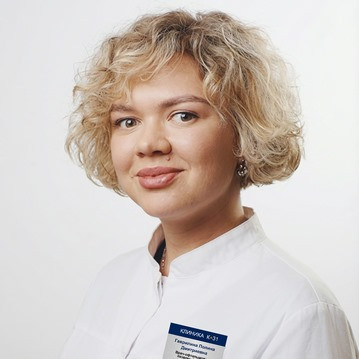
Gavrilina Polina Dmitrievna
Experience 8 years
Make an appointment
Gavrilina
Polina Dmitrievna
Ophthalmologist, laser surgeon
Kovaleva Olesya Alexandrovna
Experience 7 years
Make an appointment
Kovaleva
Olesya Alexandrovna
Ophthalmologist, laser surgeon
Sugonyaeva Olga Yurievna
Experience 26 years
Make an appointment
Sugonyaeva
Olga Yurievna
Ophthalmologist, laser surgeon
Khlunovskaya Anna Nikolaevna
Experience 8 years
Make an appointment
Khlunovskaya
Anna Nikolaevna
Ophthalmologist
Akhiyarova Azalia Azatovna
Experience 4 years
Make an appointment
Akhiyarova
Azalia Azatovna
Ophthalmologist
Putintseva Polina Andreevna
Experience 6 years
Make an appointment
Putintseva
Polina Andreevna
Ophthalmologist
Agafonova Oksana Sergeevna
Experience 21 year
Make an appointment
Agafonova
Oksana Sergeevna
Ophthalmologist, pediatric
Kazennov Alexey Nikolaevich
Experience 19 years
Make an appointment
Kazennov
Alexey Nikolaevich
Ophthalmologist, ophthalmologist-surgeon
Petrova Maria Grigorievna
Experience 14 years
Make an appointment
Petrova
Maria Grigorievna
Ophthalmologist, ophthalmic surgeon
Mazmanyan Karen Akopovich
Experience 28 years
Make an appointment
Mazmanyan
Karen Akopovich
Ophthalmic surgeon
Suchkova Valeria Alekseevna
Experience 6 years
Make an appointment
Suchkova
Valeria Alekseevna
Ophthalmologist
Khubieva Salima Aslanbievna
Experience 7 years
Make an appointment
Khubieva
Salima Aslanbievna
Ophthalmologist, laser surgeon
Rytik Nina Petrovna
Experience 15 years
Make an appointment
Rytik
Nina Petrovna
Ophthalmologist
All specialists
2GIS Award
2GIS Award

This award is given to clinics with the highest ratings according to user ratings, a large number of requests from this site, and in the absence of critical violations.

«Good place» according to Yandex

This award is given to clinics with the highest ratings according to user ratings. It means that the place is known, loved, and definitely worth visiting.

Our doctors are laureates of the ProDoctors Award

The ProDoctors portal collected 500 thousand reviews, compiled a rating of doctors based on them and awarded the best. We are proud that our doctors are among those awarded.

Make an appointment at a convenient time on the nearest date

Price

Reception
Price
Initial Ophthalmologist Appointment
from 6 450 ₽
Corneal Collagen Crosslinking with Ultraviolet Irradiation
from 52 500 ₽
Femtosecond Laser-Assisted Intrastromal Segment Implantation
from 200 000 ₽

Appointment to the doctor

Fill out the form, our managers will contact you within 15 minutes

Reviews

A great doctor, explained everything, checked everything. I highly recommend a high-level specialist.
13.06.2026
Matvey S.
Everything is fine, thanks again.
09.06.2026
Vladimir S.
A great doctor!!!
03.06.2026
Darya N.
We are patients of the clinic aged K+31, 89 and 85. The YUI clinic recommended cataract surgery. Of course, unrest and fears began. Everything started well and correctly with a call to Diana, the manager of the ophthalmology department. In a soft, calm voice, Diana explained everything clearly and provided real help and support when arranging medical services. Diana's attention and, one might say, her care have been very supportive. Diana made an appointment for YUI with a very good doctor Petrova Maria Grigoryevna. We are grateful to Diana for this attitude and her clear work!
01.06.2026
Yuriy B.
Tegniryadnova is an excellent doctor, we have done a lot of research, but the clinic is cold and uncomfortable
27.05.2026
Yu. Mir.
Excellent doctor Podshchekoldina E.N., Tegniryadnova E.V. the best ophthalmologist
It helped a lot with the eye! The dog implicitly touched the cornea, everything was done quickly and after a day the redness and swelling went away
21.05.2026
Anush D.
The best ophthalmology appointment of my life! He is very pleasant, polite and, importantly, a competent specialist. We conducted an inspection on various equipment, gave recommendations) I'm incredibly pleased, thank you!
19.05.2026
Elena T.
A wonderful, sensitive, very competent specialist, I was very pleased with the visit.
14.05.2026
Yuliya T.
Почему К+31?
К + 31 — full-cycle multidisciplinary medical centers, including the possibility of providing medical services of European quality level.
К + 31 — are leading doctors and diagnostics using high-tech equipment from world manufacturers (Karl Storz, Olympus, Siemens, Toshiba, Bausch&Lomb, Technolas, Zeiss, Topcon).
К + 31 — is ethical. The staff of K+31 clinics maintain open relationships with patients and partners. An individual approach to each patient is the basis of our service standards.
К + 31 — is modernity. On call 24/7: call center operators will answer your questions at any time and book you an appointment with doctors. Contact us by phone, through the feedback form on the website and Max.

Our clinics

Address K+31 Lobachevskogo 2

st. Lobachevskogo, 42/7

Contacts

+7 499 999-31-31

Opening hours

Mon-Fri: 08:00 – 21:00
Weekend: 09:00 – 19:00

Address K+31 on Lobachevskogo

st. Lobachevskogo, 42/4

Contacts

+7 499 999-31-31

Opening hours

Mon-Fri: 08:00 – 21:00
Weekend: 09:00 – 19:00

Address K+31 Petrovskie Vorota

1st Kolobovsky pereulok, 4

Contacts

+7 499 999-31-31

Opening hours

Mon-Fri: 08:00 – 21:00
Sat-Sun: 09:00 – 19:00

Address K+31 West

Orshanskaya, 16/2; Ak. Pavlova, 22

Contacts

+7 499 999-31-31

Opening hours

Mon-Fri: 08:00 – 21:00
Sat-Sun: 09:00 – 18:00
K+31 on Lobachevskogo
Didn't find the service you were looking for?

Экстренная помощь