Pterygium Removal in Moscow

Eye health determines quality of life, but sometimes changes occur on the surface of the eyeball that require urgent treatment. One such condition is pterygium, also known as pterygium.

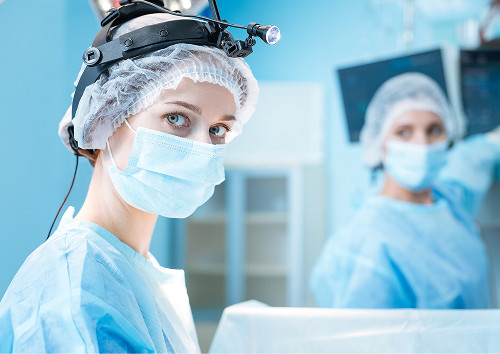
Doctors at the K+31 Clinic perform pterygium removal. We not only correct the defect but also advise on how to prevent recurrence.

You can undergo examination and pterygium removal in Moscow at our medical center.

Best specialists
Best
specialists
Expert equipment
Expert
equipment
Advanced diagnostic treatment
Advanced diagnostic
treatment
Download the application “Personal Account K+31”
Everything about your health in one click!
Subscribe to social networks K+31
To keep up to date with current offers and receive useful advice about your health.

What is a pterygium and why shouldn't it be ignored?

This is a benign growth of conjunctival tissue that gradually spreads to the transparent layer of the eye—the cornea.

What does a pterygium look like?

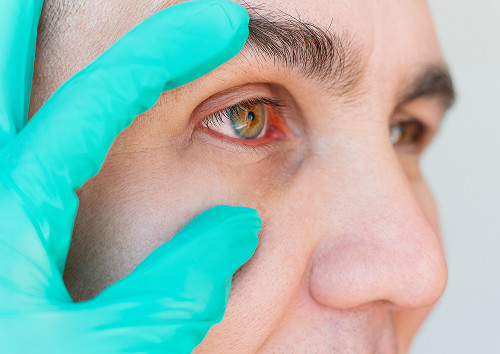
A pterygium is a dense, triangular-shaped fold that forms in the inner or, much less commonly, outer corner of the eye.

In the early stages, the defect appears as a small grayish or pinkish elevation that causes no particular symptoms. Patients notice it during a routine examination in a mirror and often mistake it for a common irritation.

Over time, the tissue structure changes, developing a network of small blood vessels. This causes the growth to acquire a distinct red or pink tint, especially after visual strain. Localized inflammation periodically occurs, which intensifies the external manifestations. Gradually, the apex of this triangle moves toward the center, obscuring transparent structures and posing a serious threat to vision.

Why is corneal growth dangerous?

When the conjunctiva begins to spread to the cornea, the process ceases to be simply an aesthetic issue. The cornea is normally perfectly transparent and has a perfect spherical shape, which is necessary for precise focusing of light rays. The creeping pterygium tissue tightens and deforms its surface. This leads to the development of astigmatism, which cannot be corrected with regular glasses or contact lenses.

If the problem is ignored and the pterygium continues to grow, it can reach the pupil. In this case, light flow is mechanically blocked, and vision deteriorates sharply. Furthermore, prolonged presence of the altered tissue on the cornea causes deep scarring in its layers.

What is a pterygium and why shouldn't it be ignored?

General information

When do we recommend pterygium removal?

Main indications for surgery

Surgical intervention is necessary:

  • The pterygium is rapidly increasing in size and actively advancing toward the optical zone
  • The growth approaches or affects the cornea, causing surface deformation
  • Redness of the eye, lacrimation, and a feeling of sand in the eye appear
  • Vision quality decreases, astigmatism develops, or visual acuity decreases
  • Inflammation recurs regularly, does not respond well to conservative treatment with drops, and disrupts comfort
  • A significant cosmetic defect that causes psychological discomfort in the person

When can observation be performed, and when is surgery necessary?

If the pathological process is in its very early stages, is not growing, and does not cause complaints, We can take a wait-and-see attitude. In such situations, follow-up with an ophthalmologist is prescribed.

For clarity, we have combined possible tactics in a table:

Approach When used Advantages Characteristics
Monitoring If the pterygium is small and not progressing No surgery Regular ophthalmological monitoring is required
Pterygium removal If it grows, becomes inflamed, or vision deteriorates Resolves the problem of proliferation It is important to choose a method with prevention Recurrence
Removal with plastic surgery For a high risk of regrowth Better protection against recurrence Requires a highly qualified and experienced surgeon

Why you shouldn't delay treatment

Patients often make the mistake of trying over-the-counter vasoconstrictor or relubricating drops. These medications may temporarily reduce eye redness or alleviate the sensation of grittiness, but they do not address the underlying cause of the condition or stop tissue growth. Pterygoid hymen never resolves on its own; its development is irreversible.

The longer the altered conjunctiva remains in contact with the optic zone, the more severe the damage to the deep structures. Old and large lesions are much more likely to recur after excision. Early, timely pterygium removal allows for the removal of damaged tissue with minimal trauma and complete restoration of corneal smoothness.
When do we recommend pterygium removal?

How is pterygium removal performed at our clinic?

Pre-surgical diagnostics

Treatment begins with a detailed eye examination. It is important for us to accurately determine the size of the lesion, the depth of its ingrowth, and the extent of its impact on the optical properties of the eye. To achieve this, we conduct a comprehensive diagnostic using advanced equipment. The ophthalmologist performs a slit-lamp biomicroscopy to examine the pleural borders and the condition of the vessels in detail.

Computerized corneal topography is also performed—a test that creates a precise map of the corneal surface and captures even minimal degrees of astigmatism caused by tissue tension.

Stages of surgical removal

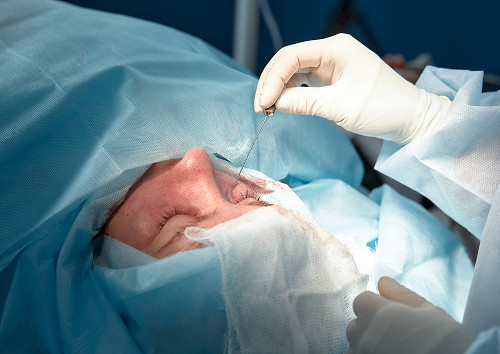
The pterygium removal surgery itself is performed under sterile conditions. This is an outpatient procedure that takes approximately 20–30 minutes and does not require hospitalization. The patient lies on the operating table, the area around the eyes is cleaned with an antiseptic solution, and the face is covered with a sterile drape. A special speculum is placed on the eyelids to prevent involuntary blinking and provide the surgeon with easy access.

First, the surgeon carefully separates the apex of the pterygium from the cornea, maintaining its smoothness and integrity as much as possible. Next, the pterygium is completely excised within the healthy conjunctival tissue. The surgeon carefully cleans the area of ​​any remaining damaged fibers.

Next, ultrafine sutures or a special medical adhesive are applied, after which anti-inflammatory and antibacterial eye drops are administered, and a protective dressing is applied.

What methods do we use to reduce the risk of recurrence?

Simple mechanical excision of the pterygium without additional manipulations often results in tissue regrowth. To prevent this, modern eye microsurgery utilizes special barrier techniques. Our K+31 clinic utilizes cutting-edge approaches to defect repair. We cover the wound surface left after removal with healthy tissue, which inhibits pathological cell growth.

For this purpose, the patient's own autograft is often used—a small piece of healthy conjunctiva taken from under the upper eyelid of the same eye and secured in place of the removed hymen. In some clinical cases, when the affected area is too large or repeat surgeries are required, amniotic membrane is used. Using materials such as healthy autograft or amnion creates a reliable biological barrier, accelerates healing, and minimizes the risk of recurrence.

What type of anesthesia is used?

Local anesthesia is used during surgery. We administer special drops with a powerful anesthetic effect, which are instilled into the eye several times at short intervals. The drug blocks the sensitivity of the nerve endings on the surface of the eyeball.

If necessary, depending on the extent of the procedure, the doctor may additionally inject a small amount of anesthetic under the conjunctiva near the surgical site. Local anesthesia is easily tolerated by people of any age and does not put strain on the cardiovascular system.

How is pterygium removal performed at our clinic?

Preparing for Pterygium Removal and Post-Surgical Recovery

What to Do Before the Surgery

If you are taking medications that affect blood clotting, be sure to inform your ophthalmologist at your pre-surgery appointment so we can adjust your regimen.

On the day of surgery, avoid applying makeup, creams, or perfume. It's best to wear loose clothing with a soft collar that won't require you to pull it off over your head. Be sure to bring sunglasses with a good UV filter—you'll need them immediately after the bandage is removed.

What's normal in the first days after surgery

The following symptoms may appear in the first few days:

  • Moderate to severe redness of the eye in the surgical area
  • Excessive lacrimation due to irritation of the mucous membrane
  • A sensation of a foreign body or sand caused by the stitches
  • Mild swelling of the eyelids and moderate sensitivity to indoor or outdoor light

All of these symptoms gradually subside during the first week as the conjunctiva heals and regains its integrity. Your doctor will definitely prescribe you a regimen of eye drops containing antibiotics and anti-inflammatory components.

Restrictions and Recommendations During the Recovery Period

Full recovery after pterygium removal takes about a month, and during this period, you should avoid:

  • Rubbing the operated eye with your hands, handkerchiefs, or napkins
  • Allowing running water, soap, or shampoo to get into your eyes while washing your face or hair
  • Disrupting the eye drops schedule
  • Visiting baths, saunas, swimming pools, or swimming in open water
  • Exercising or lifting heavy objects
  • Going outside without sunglasses
Preparing for Pterygium Removal and Post-Surgical Recovery

Why patients choose us

Experience of ophthalmologists

Removal of the pterygoid hymen is a delicate, almost precise procedure, requiring highly qualified and honed skills from the surgeon. At our K+31 clinic, surgeries are performed by experienced specialists with hundreds of successful procedures on the anterior segment of the eye.

Modern microsurgery and quality control

We use modern surgical microscopes with excellent optics and detail, allowing the surgeon to monitor every micron of tissue during surgery. The finest suture material and specialized microinstruments minimize trauma.

Postoperative patient care

We don't leave our patients alone with postoperative issues. Our comprehensive service at K+31 Clinic includes full support until your full recovery. After the procedure, we'll create a clear, personalized schedule of follow-up appointments for you. You'll be able to visit your doctor for a healing assessment, suture removal, and timely adjustments to your medication regimen.

Why patients choose us

Frequently Asked Questions

Is pterygium removal painful?

No, because we use anesthesia. However, some discomfort after the procedure is possible when the anesthesia wears off.

Can pterygium recur?

Yes, pterygium recurrence is possible. However, using a conjunctival flap or amniotic membrane graft minimizes this risk.

How long does recovery take after surgery?

Most discomfort and redness subside within the first 7-10 days, after which the person can return to their normal activities. However, full recovery after pterygium removal at the tissue level takes several weeks to a month, during which time it is important to take good care of your eyes.

When should you urgently see a doctor?

If the pterygium is growing rapidly, redness, pain, tearing, photophobia, or vision deterioration increase, a consultation with an ophthalmologist is urgent. An urgent visit is also necessary if you notice a sharp increase in pain postoperatively.

Sign up for a consultation

Sign up for a consultation

How We Help Choose a Treatment Plan

If you've noticed signs of tissue growth or have been recommended to have a pterygium removed, don't delay. Seeking help early ensures the surgery goes as smoothly as possible, and your cornea maintains its transparency and proper shape.

"In our practice, we see that the sooner a patient comes for a consultation, the easier it is to choose a treatment plan and reduce the risk of recurrence. Our goal is not just to remove the pterygium, but to maintain comfort and vision."

We will select the optimal course of action, conduct an in-depth examination, answer all your questions, and ensure a comfortable environment throughout all stages of treatment.

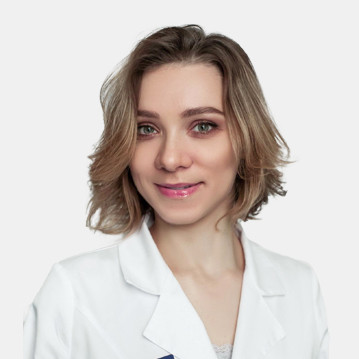
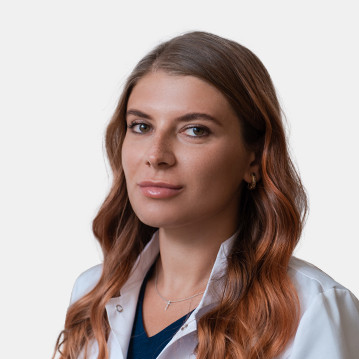
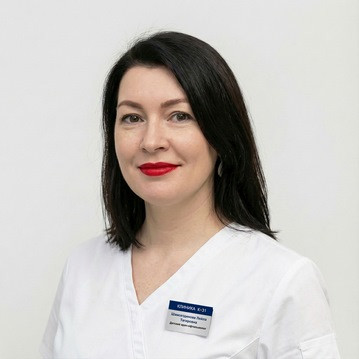
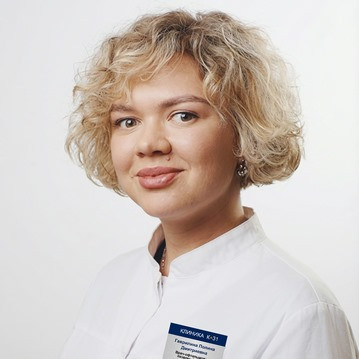
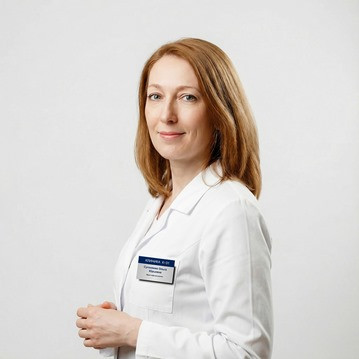
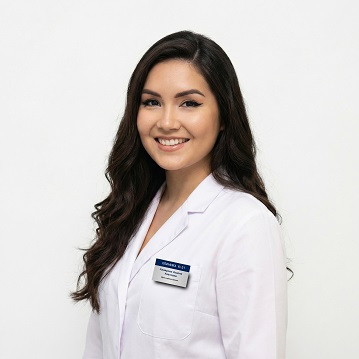
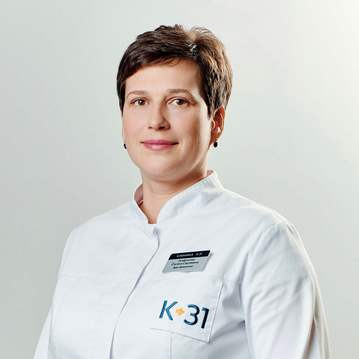
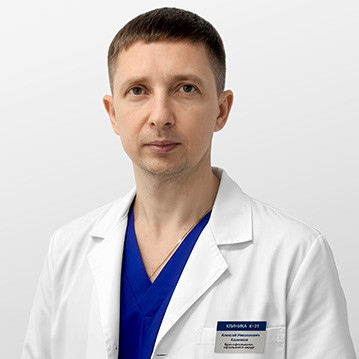
Our doctors
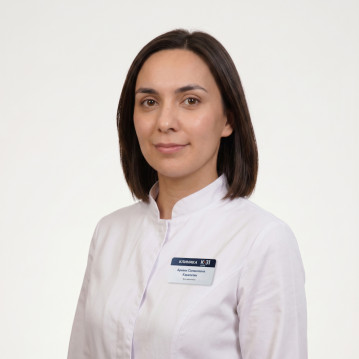
Karapetyan Arevik Samvelovna
Experience 12 years
Make an appointment
Karapetyan
Arevik Samvelovna
Ophthalmologist, Laser Surgeon
Batalina Larisa Vladimirovna
Experience 33 years
Make an appointment
Batalina
Larisa Vladimirovna
Deputy chief physician for ophthalmology, ophthalmic surgeon, leading specialist in laser vision correction
Amiryan Anush Gamletovna
Experience 28 years
Make an appointment
Amiryan
Anush Gamletovna
Ophthalmic oncologist surgeon
Medvedev Yulia Alexandrovna
Experience 11 years
Make an appointment
Medvedev
Yulia Alexandrovna
Ophthalmologist, Laser Surgeon
Rudkovskaya Elena Mikhailovna
Experience 38 years
Make an appointment
Rudkovskaya
Elena Mikhailovna
Ophthalmologist
Tegniryadnova Ekaterina Valerievna
Experience 20 years
Make an appointment
Tegniryadnova
Ekaterina Valerievna
Ophthalmologist, laser surgeon
Fadeeva Victoria Anatolievna
Experience 13 years
Make an appointment
Fadeeva
Victoria Anatolievna
Doctor ophthalmologist, laser surgeon
Shamsetdinova Leila Tagirovna
Experience 17 years
Make an appointment
Shamsetdinova
Leila Tagirovna
Pediatric ophthalmologist
Gavrilina Polina Dmitrievna
Experience 8 years
Make an appointment
Gavrilina
Polina Dmitrievna
Ophthalmologist, laser surgeon
Sugonyaeva Olga Yurievna
Experience 26 years
Make an appointment
Sugonyaeva
Olga Yurievna
Ophthalmologist, laser surgeon
Khlunovskaya Anna Nikolaevna
Experience 8 years
Make an appointment
Khlunovskaya
Anna Nikolaevna
Ophthalmologist
Akhiyarova Azalia Azatovna
Experience 4 years
Make an appointment
Akhiyarova
Azalia Azatovna
Ophthalmologist
Putintseva Polina Andreevna
Experience 6 years
Make an appointment
Putintseva
Polina Andreevna
Ophthalmologist
Agafonova Oksana Sergeevna
Experience 21 year
Make an appointment
Agafonova
Oksana Sergeevna
Ophthalmologist, pediatric
Kazennov Alexey Nikolaevich
Experience 19 years
Make an appointment
Kazennov
Alexey Nikolaevich
Ophthalmologist, ophthalmologist-surgeon
Petrova Maria Grigorievna
Experience 14 years
Make an appointment
Petrova
Maria Grigorievna
Ophthalmologist, ophthalmic surgeon
Mazmanyan Karen Akopovich
Experience 28 years
Make an appointment
Mazmanyan
Karen Akopovich
Ophthalmic surgeon
Suchkova Valeria Alekseevna
Experience 6 years
Make an appointment
Suchkova
Valeria Alekseevna
Ophthalmologist
Khubieva Salima Aslanbievna
Experience 7 years
Make an appointment
Khubieva
Salima Aslanbievna
Ophthalmologist, laser surgeon
Rytik Nina Petrovna
Experience 15 years
Make an appointment
Rytik
Nina Petrovna
Ophthalmologist
All specialists
2GIS Award
2GIS Award

This award is given to clinics with the highest ratings according to user ratings, a large number of requests from this site, and in the absence of critical violations.

«Good place» according to Yandex

This award is given to clinics with the highest ratings according to user ratings. It means that the place is known, loved, and definitely worth visiting.

Our doctors are laureates of the ProDoctors Award

The ProDoctors portal collected 500 thousand reviews, compiled a rating of doctors based on them and awarded the best. We are proud that our doctors are among those awarded.

Make an appointment at a convenient time on the nearest date

Price

Reception
Price
Initial Ophthalmologist Appointment
from 6 450 ₽
Corneal Collagen Crosslinking with Ultraviolet Irradiation
from 52 500 ₽
Femtosecond Laser-Assisted Intrastromal Segment Implantation
from 200 000 ₽

Other services

Laser vision correction Phacoemulsification of cataract with IOL implantation of any complexity Vitreoretinal surgeries of any complexity (vitrectomy) Laser photocoagulation of the retina during tears and degenerative changes in the retina Laser photocoagulation for diabetic retinopathy Intravitreal administration of Anti-VEGF drugs, hormonal implants Antiglaucomatous operations using various drains YAG laser dissection of the posterior capsule for secondary cataract Cataract treatment Treatment of glaucoma Retinal dystrophic changes Vitreous pathology Injury to the eye Post-traumatic and postoperative complications Myopia treatment Farsightedness Treatment of astigmatism Retinal disinsertion Non-contact laser procedure SMARTSURFACE Keratoplasty Femto SUPER LASIK Laser coagulation of the retina of the eye treatment on Ellex Integre Pro Scan Treatment of the retina with the Navilas laser system Femtolaser Cataract Removal Selection of children's night lenses Laser vision correction Clear Офтальмолог-онколог в Москве Treatment of keratoconus Laser coagulation of the retina Refractometry Retrobulbar injections Restoration of vision Lacrimal ducts Eye wash Synoptophore Forbis ESOM Pediatric ophthalmologist Ophthalmologist Glasses Biomicroscopy Night lenses Photo of an eye Eyelid suturing Selection of lenses Retinal laser Vision test Vitrectomy Vitrectomy Vitrectomy Eye pressure Ophthalmoscopy Fundus Gonioscopy Discision Orbitotomy Ophthalmodiagnostics OCT of the optic disc Keratoplasty Crystalline lens replacement Lacrimal duct Eye biometrics Angle of strabismus Lacrimal point IOL implantation Heterophoria Refraction Needling pillows Sclerectomy Micropulse laser Eyelid massage Intravitreal injections Iridoplasty Accommodation Bacterial culture Ophthalmology Cyclophotocoagulation Laser trabeculoplasty Laser stimulation Makdel Iridotomy Goniopuncture Corneal crosslinking Perimetry Pachymetry Angio-OCT Tubular test Color vision Convergence test Autofluorescence Eye mobility Corneal diagnostics Corneal transplant Skiascopy Strabismus Injection in the eye Tonometry Schirmer's test Trabeculotomy Diaphanoscopy Foreign body Foreign body Eyelid neoplasms Retinal tear Chalazion Pneumatic retinopexy Glaucoma Ultrasound of the eye Eye biometrics Improving vision Cataract removal An attack of glaucoma Night lenses Eyelid ptosis Vision correction Angiography of the eye Retinoblastoma Laser coagulation
Make an appointment

Appointment to the doctor

Fill out the form, our managers will contact you within 15 minutes

Reviews

An excellent specialist. I am very pleased with the reception. Thanks to the doctor
08.07.2026
Svetlana U.
I would like to express my sincere gratitude to all the staff of the K+31 clinic. Special thanks to the doctors of the ophthalmology department, Ekaterina V. Tegniryadnova, who has been seeing me for a long time, and Maria Grigorievna Petrova, who operated on me for a lens replacement. Everything went great! I would also like to mention the work of Diana's ophthalmology manager. I received comprehensive and timely answers to all my questions. THANK you so much to all of you!
I am very pleased with the reception, smart doctor, thank you By +31.
26.06.2026
Irina T.
The Miracle Doctor
24.06.2026
Anush D.
I underwent preoperative preparation before laser correction at Azaliya Azatovna, I was satisfied! A very sensitive and understanding doctor. I drew schematically how the operation would take place, it was interesting and the fear went away. She also performed postoperative examinations. I wish you grateful patients and success in carrying out laser corrections. I will recommend it to my friends and family.
23.06.2026
Ekaterina Sh.
A very qualified doctor! Attentive and caring!
20.06.2026
Olga Ch.
A great doctor, explained everything, checked everything. I highly recommend a high-level specialist.
13.06.2026
Matvey S.
Почему К+31?
К + 31 — full-cycle multidisciplinary medical centers, including the possibility of providing medical services of European quality level.
К + 31 — are leading doctors and diagnostics using high-tech equipment from world manufacturers (Karl Storz, Olympus, Siemens, Toshiba, Bausch&Lomb, Technolas, Zeiss, Topcon).
К + 31 — is ethical. The staff of K+31 clinics maintain open relationships with patients and partners. An individual approach to each patient is the basis of our service standards.
К + 31 — is modernity. On call 24/7: call center operators will answer your questions at any time and book you an appointment with doctors. Contact us by phone, through the feedback form on the website and Max.

Our clinics

Address K+31 Lobachevskogo 2

st. Lobachevskogo, 42/7

Contacts

+7 499 999-31-31

Opening hours

Mon-Fri: 08:00 – 21:00
Weekend: 09:00 – 19:00

Address K+31 on Lobachevskogo

st. Lobachevskogo, 42/4

Contacts

+7 499 999-31-31

Opening hours

Mon-Fri: 08:00 – 21:00
Weekend: 09:00 – 19:00

Address K+31 Petrovskie Vorota

1st Kolobovsky pereulok, 4

Contacts

+7 499 999-31-31

Opening hours

Mon-Fri: 08:00 – 21:00
Sat-Sun: 09:00 – 19:00

Address K+31 West

Orshanskaya, 16/2; Ak. Pavlova, 22

Contacts

+7 499 999-31-31

Opening hours

Mon-Fri: 08:00 – 21:00
Sat-Sun: 09:00 – 18:00
K+31 on Lobachevskogo
Didn't find the service you were looking for?

Экстренная помощь