
Retrobulbar Injections in Moscow
Retrobulbar injections are used in ophthalmology when it is important for the doctor to deliver the medication as close as possible to the affected area. This method is used for diseases affecting the optic nerve, posterior segments of the eye, vascular structures, and the retina. The decision to prescribe is made by an ophthalmologist after an examination, assessment of complaints, and vision diagnostic results.
In our practice, retrobulbar injections in Moscow are part of a comprehensive treatment plan. We view them as part of a well-thought-out regimen, not as a stand-alone procedure. Before prescribing, a consultation with an ophthalmologist is mandatory, where the indications, possible limitations, and expected effect of the therapy are assessed.

specialists

equipment

treatment






When do we prescribe retrobulbar injections?

The appointment depends on the diagnosis, severity of symptoms and examination data. The doctor evaluates the condition of the eye, the tissue response to previous therapy, and the general condition of the patient.
In what cases is the method especially Appropriate
This method is especially important when systemic treatment fails to achieve the required drug concentration in the affected area. In such a situation, local administration of the drug helps directly target the pathological lesion.
In some diseases, the retina and optic nerve require local therapy. This is especially relevant for conditions associated with impaired microcirculation, inflammation, or tissue compression.
"We always start with diagnosis: a retrobulbar injection is not just a procedure, but part of a well-thought-out treatment plan. Our task is to select a drug, assess contraindications, and administer the course as safely as possible," says an ophthalmologist.
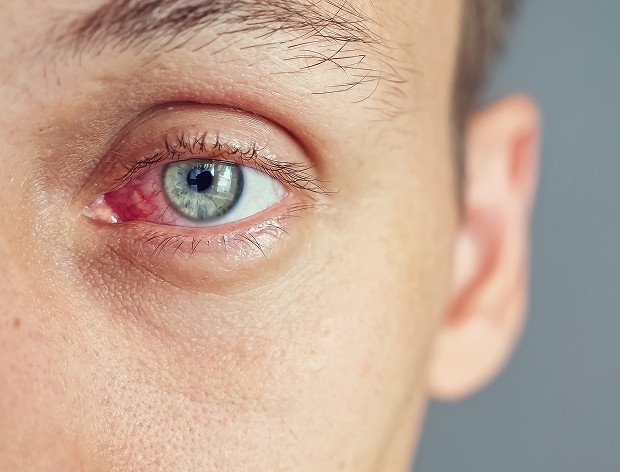
Main indications
The procedure is most often used for diseases that affect the optic nerve, vascular structures, and the posterior segment of the eye.
List heading: "When can we recommend retrobulbar injections"
- For diseases of the optic nerve
- For certain inflammatory processes
- For vascular disorders, when a local medicinal effect is needed
- As part of a comprehensive treatment as prescribed by an ophthalmologist
This method can also be used if a person has inflammation of the optic nerve, edema of the optic nerve has been diagnosed, there are disturbances in the blood supply to the eye tissues, or intensive local therapy is required.
General information
How the procedure is performed
First, we perform an examination. We evaluate the condition of the fundus, check visual function, and determine any concomitant diseases. If necessary, additional vision diagnostics are performed.
Preparing for the injection
Special, complex preparation is usually not required. Before starting treatment, the doctor will check for any allergies, chronic diseases, and medications the patient is taking.
Possible contraindications, the condition of the eye tissue, and the patient's tolerance to local anesthetics are also assessed. If severe inflammation of the eyelid skin or acute infections are observed, the procedure may be postponed.
Stages of the procedure
The patient is in the procedure room. The treatment area is thoroughly disinfected. Local anesthesia is used to reduce discomfort.
The doctor then injects the medication into the retrobulbar space. The entire procedure takes several minutes. The patient then remains under observation for a period of time.
The doctor may prescribe either single sessions or a full course of treatment. The duration depends on the diagnosis and the tissue response to therapy.
What does the patient feel after the procedure?
Immediately after the injection, the patient may experience moderate pressure in the eye area, temporary tissue numbness, slight swelling, a feeling of fullness, or a foreign body sensation. Sometimes, mild discomfort may occur when moving the eye, short-term blurred vision, or increased sensitivity to light. These reactions are associated with local administration and usually resolve on their own.
We do not send the patient home immediately after the injection; we observe the patient for a period of time, assessing their general well-being, the condition of the eye, and the severity of the local reaction. The doctor explains what sensations are considered normal and which symptoms require immediate medical attention.
If sharp pain, sudden vision loss, severe redness, increasing swelling, severe photophobia, or unusual discharge from the eye occur after the procedure, you should contact your doctor or come in for an examination as soon as possible.




Contraindications and Possible Risks
Like any medical procedure, this method has limitations. These include acute infections, severe blood clotting disorders, severe tissue inflammation at the injection site, and certain general medical conditions.
Individual reactions to medications and the condition of the ocular structures are also taken into account. Therefore, a consultation with an ophthalmologist is mandatory before treatment.
Temporary local reactions are possible after the procedure. In rare cases, complications related to vascular tissue reaction or mechanical stress may occur. For this reason, the procedure should only be performed by a physician.

Recovery and recommendations after the procedure
In the first hours after the procedure, it is advisable to avoid significant visual strain and avoid touching the eye area with your hands. If your doctor has prescribed additional medications, it is important to follow the prescribed dosage.
Some patients require further rehabilitation, especially if the condition is associated with damage to nerve structures or prolonged inflammation.
We recommend attending follow-up appointments and not missing any appointments with your doctor. This helps assess progress and promptly adjust your treatment.

Frequently Asked Questions
What are retrobulbar injections?
Are retrobulbar injections painful?
How do retrobulbar injections differ from parabulbar injections?
Are there any contraindications and risks?
Our doctors





















This award is given to clinics with the highest ratings according to user ratings, a large number of requests from this site, and in the absence of critical violations.

This award is given to clinics with the highest ratings according to user ratings. It means that the place is known, loved, and definitely worth visiting.

The ProDoctors portal collected 500 thousand reviews, compiled a rating of doctors based on them and awarded the best. We are proud that our doctors are among those awarded.
Make an appointment at a convenient time on the nearest date
Price
Other services

Appointment to the doctor
Reviews












Our clinics


Application “Personal Account K+31”












What are retrobulbar injections?
A retrobulbar injection is a method of administering medication into the retrobulbar space, which is located behind the eyeball. This format allows for local administration of the drug near the site of the pathological process.
In ophthalmology, this method is used when local drug therapy with a high drug concentration in the desired area is required. The procedure is classified as an injection therapy method and is performed only by a physician under sterile conditions.
During the injection, the medication is injected through the lower eyelid using a special needle. This method differs from intraocular procedures. The solution is not injected into the eyeball. The medication is delivered directly into the retrobulbar space, where blood vessels and the optic nerve are located.