
Evisceration of the eye (eyeball) in Moscow
Vision loss alone is a serious challenge for a person. The situation becomes even more complicated when the loss of vision is accompanied by pain, inflammation, the consequences of a severe injury, or the risk of dangerous complications. In such cases, the doctor's task is no longer to preserve vision, but to eliminate the source of the problem and create conditions for further restoration of the appearance of the eye socket.
One surgical treatment method is evisceration of the eye. The surgery is performed according to strict indications after examination and assessment of the tissue condition. At the K31 Clinic, we thoroughly explain to the patient the reasons for the procedure, possible alternatives, and the stages of subsequent recovery.

specialists

equipment

treatment






Indications for evisceration of the eyeball

Indications for evisceration of the eyeball include conditions in which saving the eye and restoring vision is no longer possible, and further preservation of the organ is accompanied by pain, inflammation, or the risk of complications. The decision to perform surgery is made after an examination and assessment of the condition of the eye tissues.
Severe eye injury
Severe eye injury can lead to destruction of internal structures, irreversible vision loss, and severe pain. If restoration is impossible, the doctor considers surgical treatment.
Penetrating injuries, combined injuries, and the consequences of serious accidents are considered particularly complex.
Painful blind eye
One of the most common indications is a painful blind eye. Vision has already been lost, but the patient continues to experience constant pain, a feeling of pressure, inflammatory reactions, and severe discomfort.

In such situations, surgery helps eliminate the source of pain and improve quality of life.
Purulent-inflammatory processes and irreversible changes
Severe eye infections are another indication. This may include complicated endophthalmitis, severe inflammation, or the consequences of severe diseases that have led to the destruction of the internal structures of the eyeball.
In some cases, surgery is considered as a way to reduce the risk of developing a complication such as sympathetic ophthalmia, when the pathological process begins to affect the other eye.
General information
Evisceration, enucleation, and exenteration: what's the difference?
Patients often confuse the different types of surgeries. There are fundamental differences between them.
What is removed in each case
| Parameter | Evisceration | Enucleation | Exenteration |
|---|---|---|---|
| What is removed | Internal contents, sclera preserved | The entire eyeball | The eyeball and orbital tissues |
| When indicated | Inflammation, infection, blind eye | Tumors, severe trauma | Common tumors Processes |
| Cosmetic Result | Good | Satisfactory | More Complex |
| Prosthetics | Favorable Conditions | Orbital Implant Required | Limited Options |
How the Doctor Chooses the Optimal Tactic
The choice of surgery depends on the diagnosis, the extent of the process, the condition of the orbit, and the prognosis for the patient.
If an intraocular tumor is suspected, enucleation of the eye is most often considered. In cases of infectious complications and some cases of severe tissue damage, evisceration of the eyeball may be recommended.
What is important for the aesthetic outcome and prosthetics?
For the patient, not only medical safety is important, but also the appearance after treatment.
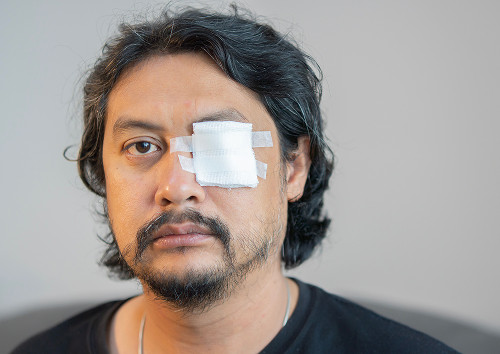
Preserving the eyeball shell allows for a more natural positioning of the future prosthesis and improved mobility of the artificial eye. Thanks to this, eye prosthetics after healing allows for a good cosmetic result.
"In our practice, we always begin by determining whether the eye can be saved or whether surgical removal of the source of pain and inflammation is already necessary. Our goal is to choose a strategy that will provide the patient not only with medical safety but also with the most accurate aesthetic result."


Frequently Asked Questions about Eye Evisceration
What is eye evisceration?
How is evisceration different from enucleation?
Is evisceration painful?
Can an ocular prosthesis be inserted after evisceration?
Conclusion and appointment for consultation

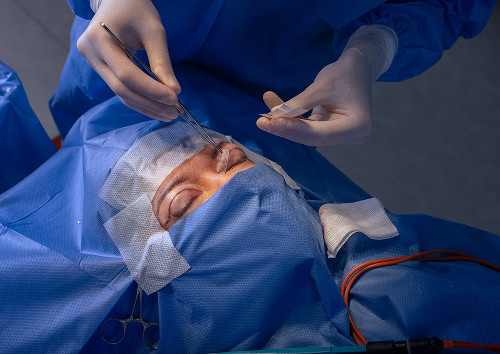
Evisceration of the eyeball is a major surgical procedure and is performed only for strict indications. The main goal of the surgery is to eliminate pain, inflammation, and the risk of complications, as well as to create conditions for subsequent restoration of the eye's appearance.
If you are concerned about a severe eye injury, severe inflammation, or other serious eye conditions, consult with the specialists at the K31 Clinic in Moscow. An experienced ophthalmic surgeon will conduct an examination, explain possible treatment options, and help you choose the optimal approach.
Our doctors





















This award is given to clinics with the highest ratings according to user ratings, a large number of requests from this site, and in the absence of critical violations.

This award is given to clinics with the highest ratings according to user ratings. It means that the place is known, loved, and definitely worth visiting.

The ProDoctors portal collected 500 thousand reviews, compiled a rating of doctors based on them and awarded the best. We are proud that our doctors are among those awarded.
Make an appointment at a convenient time on the nearest date
Price
Other services

Appointment to the doctor
Reviews





















Our clinics


Application “Personal Account K+31”












What is eye evisceration and when is it needed?
Evisceration of the eyeball is a surgical procedure that removes the contents of the eye while preserving the outer shell of the eyeball.
What exactly is removed during surgery?
During the procedure, internal structures that can no longer perform their functions or that are causing inflammation and pain are removed.
Preserving the sclera and some surrounding tissue allows for more favorable conditions for subsequent prosthetic implants and maintains the natural contours of the orbit. This is why evisceration is not considered complete removal of the eye.
When the eye can no longer be saved
The decision to perform surgery is made only after a thorough diagnosis. If modern ophthalmic surgical techniques fail to restore vision or eliminate the source of the disease, the doctor may recommend surgery.
If your eye is sore, inflamed, or seriously injured, don't wait: the sooner you see an ophthalmologist, the better the chance of choosing the right treatment plan.
In some cases, the reason for seeking treatment is a severe infection, severe inflammation of the eye, the consequences of an injury, or a long-standing painful blind eye.