
Anti-glaucoma surgery for glaucoma in Moscow
Anti-glaucoma surgery in Moscow helps control the progression of the disease in situations where drug treatment no longer produces stable results. The main goal of the intervention is to reduce intraocular pressure, slow damage to eye structures, and preserve optic nerve function. In our practice, we select a treatment method only after a complete diagnosis and assessment of the disease's stage.
With glaucoma, a person doesn't always immediately notice deterioration in vision. The disease can progress for a long time without obvious symptoms. Gradually, the visual field deteriorates, and changes to the optic nerve become irreversible. This is why it is so important to monitor intraocular pressure and undergo regular examinations with a specialist.

specialists

equipment

treatment






What are antiglaucoma surgeries and why are they needed?
Today, surgical treatment for glaucoma includes a variety of interventions. These include not only traditional surgeries but also modern, minimally invasive techniques. Our team always explains to patients why correction is needed, how it's performed, and what results to expect.
How Surgery Helps Lower Intraocular Pressure
Glaucoma disrupts the balance between the formation and outflow of intraocular fluid. This causes intraocular pressure to gradually increase. If high pressure persists for a long time, the optic nerve begins to suffer. Over time, this can lead to irreversible vision loss.
The main goal is to improve fluid outflow and achieve more stable pressure control. This is why intraocular pressure reduction surgery is considered a way to slow the progression of the disease and reduce the risk of further eye damage.
It is important to understand that even successful intervention does not mean a complete cure. Glaucoma is a chronic disease and requires constant monitoring.
When Drops Are No Longer Enough
In the early stages, patients are usually prescribed pressure-lowering drops. They help reduce the strain on the eye structures and control pressure. However, the effectiveness of therapy may decrease over time.
We recommend considering glaucoma surgery if:
- Intraocular pressure cannot be stabilized
- Disease continues to progress
- Vision deteriorates
- Optic nerve damage is detected
- Therapy is poorly tolerated
- Pressure-lowering drops no longer provide the desired effect
In such situations, surgical treatment of glaucoma allows for more stable disease control.
What antiglaucoma surgeries do we perform?
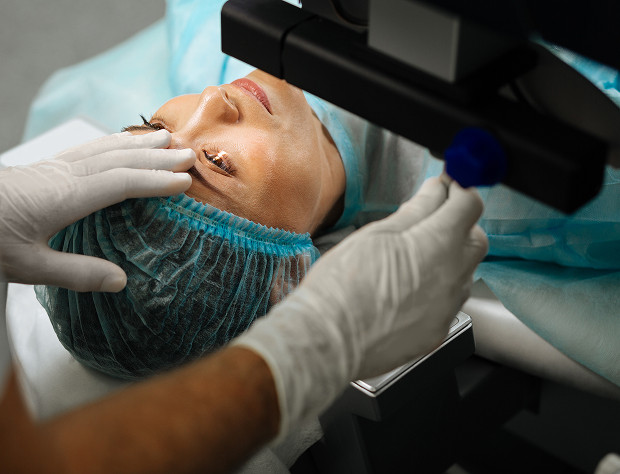
Non-penetrating Surgeries
One modern option is non-penetrating deep sclerectomy. This method is considered a less traumatic intervention and is used in the early and middle stages of the disease.
During the surgery, the surgeon creates conditions to improve fluid drainage without completely penetrating the eye. This reduces the risk of some complications and often leads to an easier recovery after surgery.
Non-penetrating deep sclerectomy helps reduce intraocular pressure and preserve optic nerve function when properly selected.
Filtering Surgeries
If the disease is more severe, more extensive intervention may be required. Trabeculectomy remains one of the most well-known surgeries.
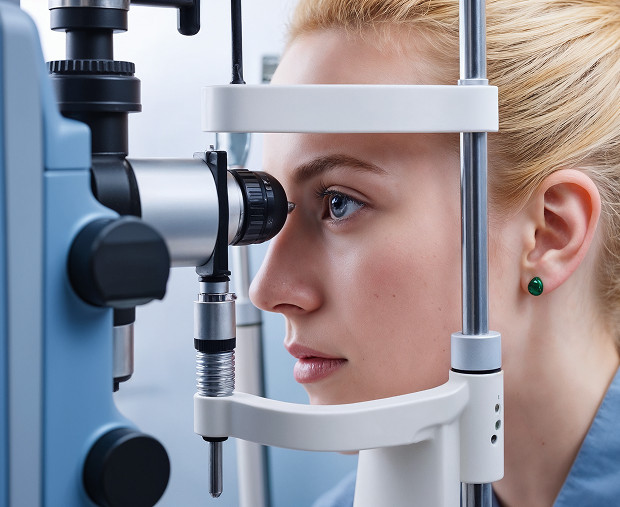
During the procedure, an additional pathway for fluid drainage is created. This reduces intraocular pressure more effectively. Trabeculectomy is used for various forms of the disease and is considered one of the main methods of surgical glaucoma control.
After this procedure, careful postoperative care and regular examinations are especially important.
Laser Methods for Glaucoma
In some cases, laser treatment for glaucoma is suitable. These methods are used as a standalone treatment option or as an adjunct to the main treatment.
The laser helps improve fluid outflow or reduce its production. Moreover, the severity of the intervention is usually less severe than with traditional surgery.
Modern laser treatment for glaucoma can be used at different stages of the disease. The decision is always made after an examination.
General information
How We Select Treatment Methods at K31
Pre-Surgical Diagnosis
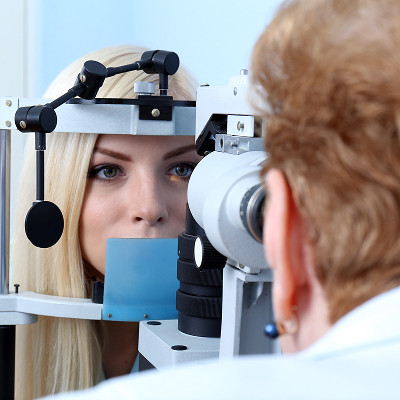
Before recommending surgery, the patient undergoes a complete examination. At our K31 clinic, we assess pressure levels, the anterior chamber angle, visual field changes, and the extent of optic nerve damage.
Modern glaucoma diagnostics help select a treatment method tailored to the individual patient.
Also during the examination, a detailed consultation with an ophthalmologist is conducted. The doctor explains the objectives of the surgery and how follow-up will be organized.
Individualized Choice of Tactics
There is no one-size-fits-all surgery for all patients. The choice of method is influenced by the stage of the disease, age, pressure readings, and the condition of the eye.
Sometimes a non-penetrating deep sclerectomy is appropriate for the patient, while in other cases, trabeculectomy or laser surgery will be more effective.
"We always select antiglaucoma surgery based on the condition of the eye and the stage of the disease, not on a predetermined procedure. Our goal at K31 is to reduce intraocular pressure, preserve the optic nerve, and guide the patient through the treatment as calmly and clearly as possible."


Frequently Asked Questions
When is glaucoma surgery necessary?
Is glaucoma surgery painful?
How long does recovery take after surgery?
Which is better: laser or surgery for glaucoma?
Comparison of Glaucoma Treatment Methods
| Method | When Suitable | Invasiveness | Recovery | Main Effect |
|---|---|---|---|---|
| Non-penetrating Deep Sclerectomy | Early and Middle Stages | Lower | Usually Easier | IOP Reduction |
| Trabeculectomy | Severe Pressure Increase | Moderate | Requires Monitoring | Improving Fluid Outflow |
| Laser Methods | As Indicated and at Specific Stages | Minimal | Faster | Additional Pressure Monitoring |
Book a consultation at K31
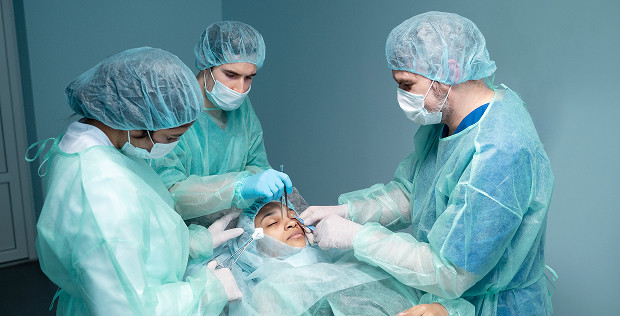
If you've already been diagnosed with glaucoma or if eye drops are no longer providing stable pressure control, it's important to get examined immediately. At our clinic, we perform a full diagnosis, evaluate the condition of your optic nerve, and select the appropriate treatment option.
Schedule a consultation with an ophthalmologist to discuss treatment options and receive a personalized monitoring plan. Glaucoma surgery in Moscow offers an opportunity to manage your condition and improve your chances of long-term vision preservation.
References
- Clinical Guidelines of the Ministry of Health of the Russian Federation — https://cr.minzdrav.gov.ru/
- Ministry of Health of the Russian Federation — https://minzdrav.gov.ru/
- Russian Medical Journal, Ophthalmology Section — https://www.rmj.ru/articles/oftalmologiya/
- Ophthalmology Bulletin / Mediasphera — https://www.mediasphera.ru/journal/vestnik-oftalmologii
- CyberLeninka — https://cyberleninka.ru/
- eLIBRARY.RU — https://www.elibrary.ru/
- Federal Electronic Medical Library — https://www.femb.ru/
Our doctors












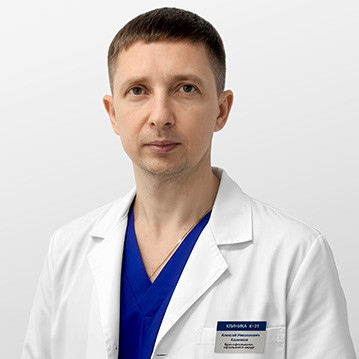

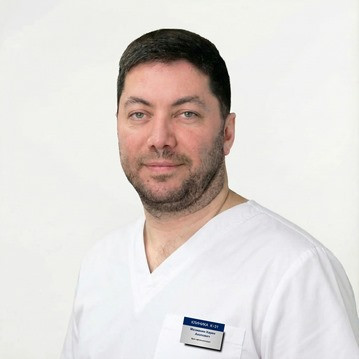




This award is given to clinics with the highest ratings according to user ratings, a large number of requests from this site, and in the absence of critical violations.

This award is given to clinics with the highest ratings according to user ratings. It means that the place is known, loved, and definitely worth visiting.

The ProDoctors portal collected 500 thousand reviews, compiled a rating of doctors based on them and awarded the best. We are proud that our doctors are among those awarded.
Make an appointment at a convenient time on the nearest date
Price
Other services

Appointment to the doctor
Reviews





















Our clinics


Application “Personal Account K+31”












Indications for surgery for glaucoma
What symptoms and examination findings indicate the need for intervention?
The decision for surgical treatment is made not only based on pressure levels. We assess the condition of the eye holistically.
During the examination, the following is performed:
This glaucoma diagnosis helps us understand how actively the disease is progressing and the extent of damage to the optic nerve.
If the examination shows a worsening condition and conservative therapy is ineffective, we recommend glaucoma surgery.