
Filtration Pillow Needling: What It Is, When It's Needed, and How It's Performed
Even after surgery, glaucoma requires monitoring. Sometimes pressure increases without pain, without any noticeable symptoms, and without any noticeable changes for the patient. Often, this is due to the filter pads' performance deteriorating due to tissue compaction.
During an examination at K+31, we assess the outflow zone, check the pressure, and only then decide whether needling will help maintain the results of the procedure.

specialists

equipment

treatment






When we recommend needling
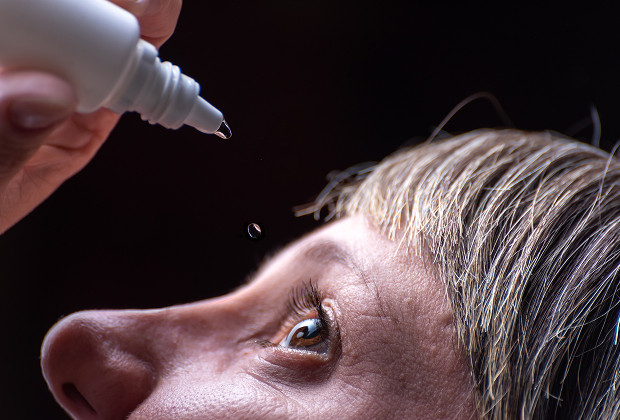
Needling after glaucoma surgery is considered when there is a chance to restore the established pathway without a more traumatic step. The ophthalmic surgeon compares the patient's complaints, looks at tonometry readings, and evaluates the appearance of the filtration pad and the target pressure level.
When it is important not to delay seeking medical attention
As glaucoma progresses, deterioration often occurs slowly. Pain and severe redness may be absent, but the optic nerve is already under excessive strain.
Therefore, scheduled and unscheduled IOP monitoring is important.
You should see an eye doctor before the scheduled appointment if you experience pain, severe redness, blurred vision, a sudden deterioration in vision, or an increase in pressure based on other measurements.

Signs of scarring and increased intraocular pressure
The patient does not always feel an increase in intraocular pressure, so follow-up visits are essential during the postoperative period. You should come in for an examination if you notice signs of decreased filtration:
- Intraocular pressure rises again
- The filtration cushion becomes denser or thinner
- The effect of surgery is declining
- The doctor notes scarring in the surgical area
- The outflow of intraocular fluid is impaired
One sign does not necessarily indicate the ultimate failure of the surgery. But the eye needs to be examined.
General information
How the procedure is performed in our practice
At "K+31," needling is performed only after diagnosis and an explanation of the plan to the patient. We clarify how the filter pad works and then monitor the results.
Preparation before needling
Before the procedure, the doctor asks when the trabeculectomy or other antiglaucoma surgery was performed. The doctor also inquires about the current eye drops being used. The doctor asks the patient if they have had any of the following:
- Inflammation
- Injuries
- Allergic reactions
If the trabeculectomy was performed a long time ago, previous medical records are important. A magnified examination is then performed.
Complicated preparation is not necessary. It's best to bring your medical records to the appointment. You will also need a list of medications and the results of your most recent blood pressure measurements.
Procedure Steps
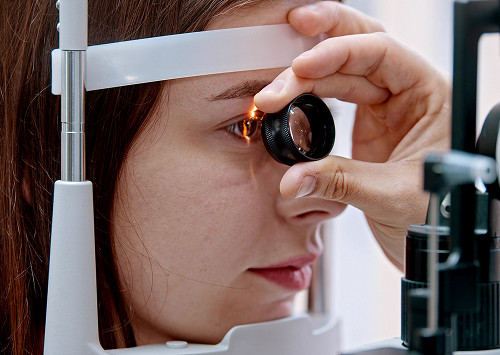
Before the procedure, the eye is anesthetized with eye drops. This is mandatory. The ophthalmic surgeon then inserts a thin needle into the selected area, carefully separating the indurated areas. The procedure is performed under visual control. The procedure involves several steps:
- Determining the revision area
- Local anesthesia and antiseptic treatment
- Separation of scar tissue
- Filtration assessment
- Post-procedure blood pressure measurement
Afterward, the patient receives recommendations and a date for a follow-up visit.
What can enhance the treatment effect
Sometimes mechanical tissue separation is not enough. Antimetabolites are used, as indicated, to reduce excessive healing. In ophthalmology practice, 5-fluorouracil/mitomycin C may be used for this purpose, but the decision is made by the physician.
Anti-inflammatory therapy, eye drop regimen, and precise timing of examinations are important.



Frequently Asked Questions
Before the procedure, patients most often ask about pain, the duration of the effect, and the likelihood of a repeat operation. The doctor makes final recommendations after the examination.
What is filter pad needling in simple terms?
Is filter pad needling painful?
Does the procedure always replace revision surgery?
How quickly does intraocular pressure decrease after needling?
Sign up for a consultation
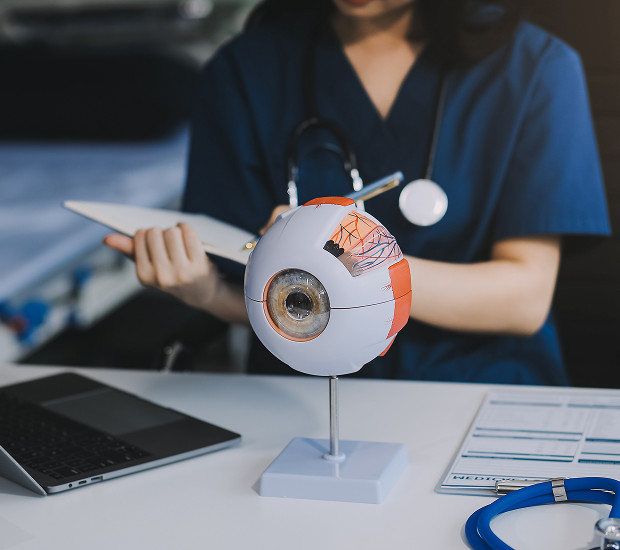
A consultation is necessary if your blood pressure increases after surgery, your doctor has noticed changes in your eye pad, or you haven't had a follow-up appointment in a while. At K+31, we perform diagnostics, explain how the filter pad works, and recommend a treatment plan.
When to come for an appointment
You should schedule an appointment if you experience worsening vision, pain, redness, blurred vision, a feeling of fullness, unstable blood pressure, or a weak response to eye drops. An examination is also necessary after a recommendation from a specialist.
What to bring to your appointment
Bring your post-operative discharge report, a list of eye drops, and the results of your most recent blood pressure measurements, optic nerve, and visual field examinations.
At K+31, we will explain whether filter pad needling is necessary, whether continued observation is possible, or whether a different treatment plan should be considered.
Factual information on needling, filtration zone scarring, the role of trabeculectomy, and the use of antimetabolites is verified against specialized ophthalmological materials.
References
Our doctors




















This award is given to clinics with the highest ratings according to user ratings, a large number of requests from this site, and in the absence of critical violations.

This award is given to clinics with the highest ratings according to user ratings. It means that the place is known, loved, and definitely worth visiting.

The ProDoctors portal collected 500 thousand reviews, compiled a rating of doctors based on them and awarded the best. We are proud that our doctors are among those awarded.
Make an appointment at a convenient time on the nearest date
Price
Other services

Appointment to the doctor
Reviews
Our clinics


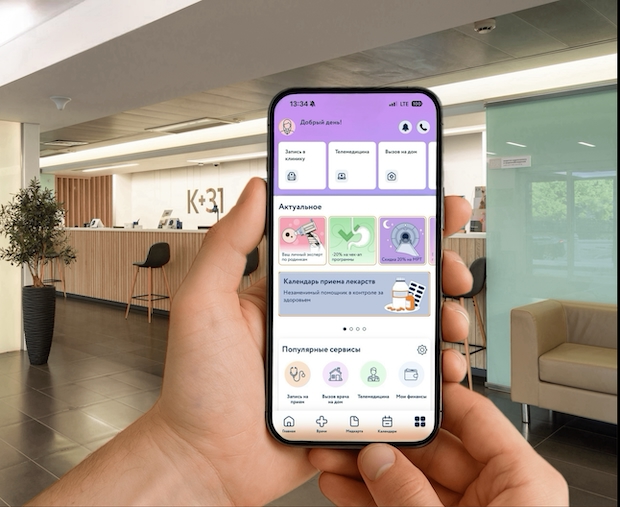
Application “Personal Account K+31”












What is filter pad needling?
Needling for glaucoma is necessary when the drainage pathway created during surgery is partially blocked by thickened tissue. The procedure is performed under local anesthesia. The doctor inserts a thin needle and attempts to restore fluid flow through the desired area.
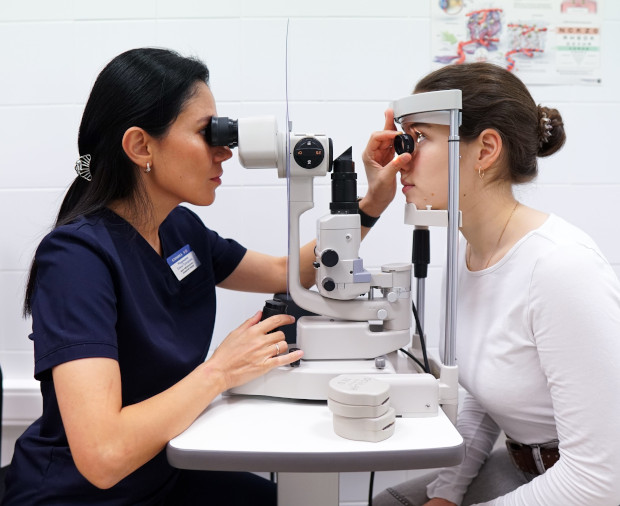
Before the procedure, the eye is examined under magnification and the pressure is checked.
How does a filtration pad work after glaucoma surgery?
During surgery, an additional pathway for aqueous humor is created. This creates an area under the conjunctiva where the fluid is distributed and absorbed by the tissue. This area is called the filtration pad.
When the area is functioning properly, intraocular pressure is maintained closer to the target level. This is necessary to protect the optic nerve.
Why does the filtration pad stop functioning?
After the procedure, the tissues heal. Sometimes the healing process is too active. The following may appear:
The created pathway narrows, fluid flow is impaired, and the filtration zone becomes less visible.
From the outside, the eye may appear normal. But if the filtration pad has become flat, a decision cannot be made based solely on sensation.