
Blepharochalasis (droopy eyelid syndrome): causes, symptoms, and treatment
When the upper eyelids become heavy, the look changes gradually. First, an extra fold appears, followed by a tired expression, and discomfort when reading, working at the computer, or applying makeup.
At K+31, we evaluate such complaints holistically: skin, muscle function, history of swelling, and the impact of the problem on vision.

specialists

equipment

treatment






Why does blepharochalasis occur?
With age, the skin around the eyes becomes thinner and less able to return to its original shape after stretching. Therefore, excess skin gathers into a fold, and the contour of the upper eyelid becomes less defined.
This leads to drooping of the upper eyelids. In some patients, it is primarily noticeable in photographs; in others, it interferes with reading or looking up. We assess the degree of change without formulaic solutions, as the same complaint can have different causes.
Recurring swelling
This condition is characterized by episodes of swelling, followed by a gradual loss of tissue elasticity. Eyelid swelling may resolve, but the skin remains stretched, thin, and less dense. Over time, wrinkling develops, and sometimes the symmetry and definition of the superior sulcus changes.
Sudden swelling with pain, redness, severe asymmetry, or decreased vision requires an in-person examination. Similar signs may include:
- Inflammation
- Allergic reaction
- Trauma
- Other cause
In this situation, home care is not a substitute for medical attention.
Heredity and Individual Tissue Characteristics
In some people, skin and ligament weakness manifests earlier. The severity of complaints is influenced by the skin structure and thickness, fat deposits, facial expressions, and tendency to swelling. Therefore, the patient's age does not always correlate with the severity of complaints.
During the consultation, we discuss how the eyelids have changed, whether there have been periods of recurrent swelling, and whether similar characteristics exist in family members. This discussion helps us understand the underlying mechanism of the problem.
How to recognize blepharochalasis
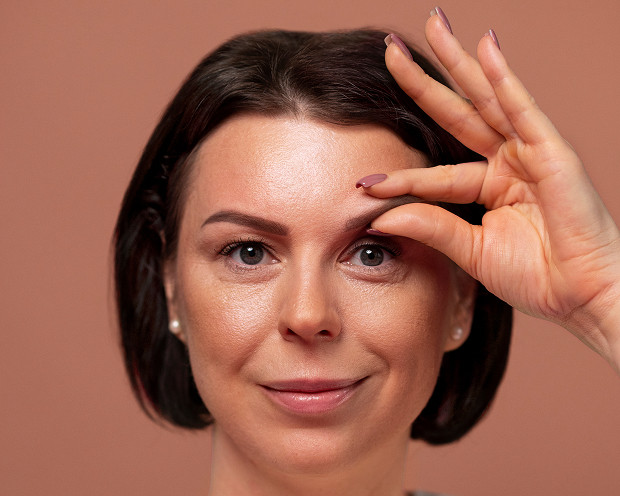
The patient typically presents with several complaints that accumulate gradually. We ask for a description of their appearance and sensations throughout the day to determine whether there are medical indications for correction.
The following symptoms are most frequently noted:
- Sagging and folded eyelid skin
- Pronounced drooping
- A feeling of heaviness in the evening
- Changes in the shape of the palpebral fissure
- Tired look after rest
- Deterioration in the quality of makeup
- Differences between the right and left sides
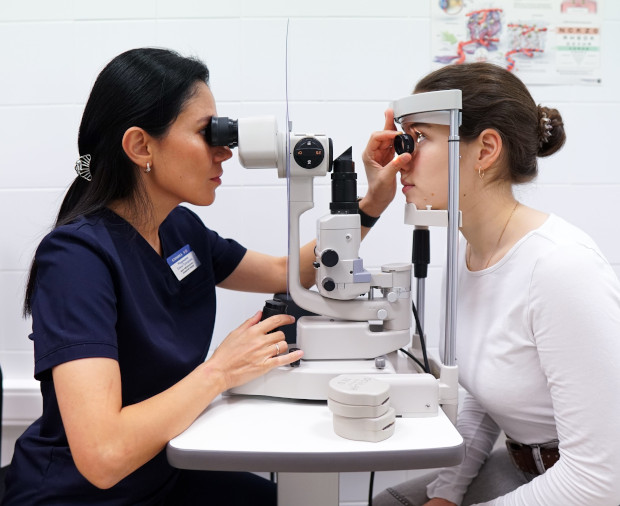
After the interview, the doctor moves on to the examination. The complaint itself does not determine the method of treatment, as similar symptoms can occur in other conditions.
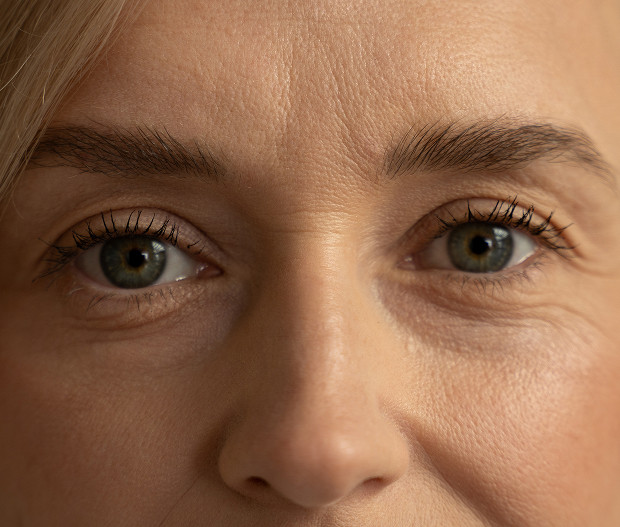
External signs noticed by the patient
A person often notices a problem before it becomes medically significant. The upper fold lies lower, the skin gathers in small creases, and the eye contour appears less open.
With severe changes, excess eyelid skin appears. This excess skin can obscure the natural fold, interfere with makeup application, and create the sensation of excess tissue above the eye.
When does drooping become a medical concern?
Medical significance arises when the fold interferes with vision, causes strain, or disrupts normal visual tasks. The patient raises their eyebrows more frequently, tilts their head back, squints, and tires more quickly during work.
We determine whether the visual field changes, dryness, irritation, lacrimation, or a feeling of pressure are present. If necessary, an additional ophthalmological evaluation is performed.
General information
How does blepharochalasis differ from ptosis and dermatochalasis?
Externally, the patient may notice a similar picture: the upper eyelid appears heavy, and the gaze becomes closed. For the physician, the differences are fundamental. For skin changes, there is one plan, and for eyelid margin imbalance, there is another.
| Sign | Blepharochalasis | Ptosis | Dermatochalasis |
|---|---|---|---|
| Main problem | Sagging skin and excess tissue after edema | Dropping | Excess skin |
| Affect on gaze | Tired, heavy | Eyelid may cover eye | Dropping and Heaviness |
| What is important for diagnosis | History of swelling, skin condition | Muscle function | Degree of excess skin |
| Tactics | Correction according to indications | Correction of the cause of drooping | Correction according to indications |
The table helps to see the difference, but does not replace an in-person examination. The doctor examines the skin, eyelid margin, fold, symmetry, eyebrow position, and muscle function.
Why is an accurate diagnosis important before correction?
Mistakenly mistaking one condition for another, the result may not resolve the complaint. In cases of true eyelid margin drooping, skin correction alone may not be sufficient. If there is excess tissue without a muscle problem, the scope of the procedure is calculated differently.
We conduct a differential assessment before discussing surgery. This includes a resting examination, facial expression assessment, and checking the position of the eyelid margin and the condition of the ocular surface.
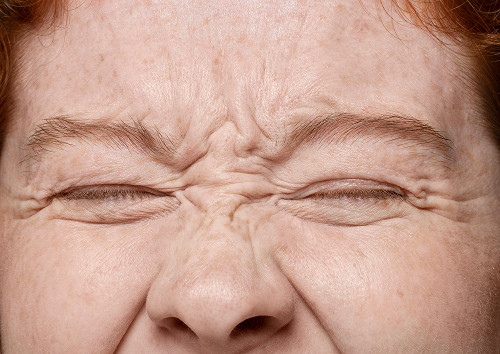

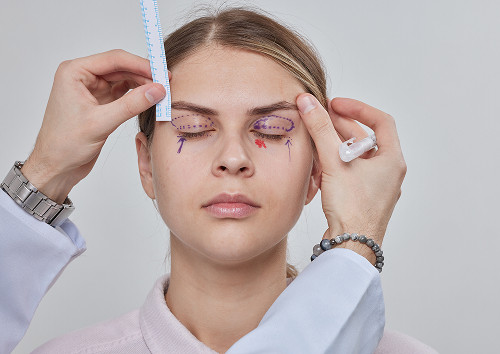


An appointment is recommended when changes interfere with visual comfort or visual tasks. An in-person examination helps determine whether surgery is indicated.
Five signs that indicate a need to see a doctor:
- Sagging upper eyelids have become more noticeable
- Your eyes look tired even after resting
- Skin has become loose or excessive
- Makeup doesn't apply as well as before
- Sagging eyelids interfere with vision or cause discomfort
If these signs are accompanied by pain, redness, severe swelling, double vision, or blurred vision, it's best to see a doctor immediately. In this situation, it's important to rule out inflammation and other conditions that require a different approach.
Frequently Asked Questions
What is blepharochalasis in simple terms?
Can blepharochalasis be corrected without surgery?
How does blepharochalasis differ from ptosis?
How long does it take to recover from correction?
When is a doctor needed rather than cosmetic treatment?
Correction in our clinic
Flabby eyelid syndrome requires a careful assessment, as similar appearances can have different causes. During an in-person consultation, we evaluate the skin, facial expressions, symmetry, and complaints. Afterward, the doctor explains whether blepharochalasis correction is possible and what extent of intervention is appropriate.
Doctor's quote:
"In our practice, blepharochalasis is not only an aesthetic issue. Our goal is to accurately distinguish it from ptosis, age-related changes, and other conditions, and then select a correction that will produce a natural result without a 'tightened' appearance."
If a patient is a candidate for eyelid surgery, we plan it carefully and systematically. If necessary, we discuss whether blepharoplasty is an option, explain the limitations of the technique, and explain the healing stages. This way, we help achieve a rejuvenated look without excessive correction.
An in-person consultation is the best way to understand your specific situation. We select treatment for blepharochalasis only after diagnosis, based on an individualized approach. Therefore, the patient receives a specific treatment plan:
- Examination
- Diagnosis
- Plan
- Preparation
- Correction
- Monitoring
If you are concerned about droopy eyelid syndrome, persistent drooping, or discomfort, come in for a consultation – we will calmly analyze the situation and offer a solution based on your indications.

References
- Clinical Guidelines of the Ministry of Health of the Russian Federation — https://cr.minzdrav.gov.ru/
- Russian Medical Journal — https://www.rmj.ru/
- MediaSphera — https://www.mediasphera.ru/
- Russian Ophthalmology Portal EyePress — https://eyepress.ru/
- CyberLeninka - https://cyberleninka.ru/
Our doctors





















This award is given to clinics with the highest ratings according to user ratings, a large number of requests from this site, and in the absence of critical violations.

This award is given to clinics with the highest ratings according to user ratings. It means that the place is known, loved, and definitely worth visiting.

The ProDoctors portal collected 500 thousand reviews, compiled a rating of doctors based on them and awarded the best. We are proud that our doctors are among those awarded.
Make an appointment at a convenient time on the nearest date
Price
Other services

Appointment to the doctor
Reviews




















Our clinics


Application “Personal Account K+31”












What is blepharochalasis?
Blepharochalasis is a rare condition that typically begins in young adults and presents with recurring painless eyelid swelling. After repeated episodes, the skin of the eyelids may thin, stretch, and form folds. The upper eyelids are most often affected, causing patients to notice drooping, heavy eyelids, and a more closed gaze. The underlying cause is laxity of the skin, which can develop after repeated swelling or due to individual tissue characteristics.
It is important for the doctor to distinguish a skin problem from a muscle disorder. The symptoms may appear similar, but the treatment approaches differ. We first determine the cause and then discuss a possible treatment plan.
Why this condition affects not only appearance but also quality of life
Changes in the eye area are often perceived as an aesthetic complaint. During an appointment, we also see another side of the story: the patient has difficulty opening their eyes wide, the upper eye crease may be in their field of vision, and they develop a habit of raising their eyebrows. The forehead becomes tense, and fatigue increases in the evening.
For some patients, appearance is important. For others, functional indications come first: narrowing of the upper visual field, discomfort with strain, and a feeling of pressure on the eyes. The entire periorbital area is included in the assessment, as the area around the eyes affects vision and facial expression.