
Laser Trabeculoplasty (SLT) in Moscow
At our clinic in Moscow, laser trabeculoplasty is used as a modern method for controlling intraocular pressure in glaucoma. We understand that for many patients, the diagnosis is a source of anxiety. They fear vision deterioration, long-term treatment, and surgery. Therefore, our goal is to explain in detail how this method works, when it is used, and why regular ophthalmological follow-up is so important.
Today, laser treatment for glaucoma is considered part of modern ophthalmological practice. This method helps improve the outflow of intraocular fluid without incisions or serious tissue trauma.
We always select therapy based on an examination and diagnosis, not on symptoms alone.

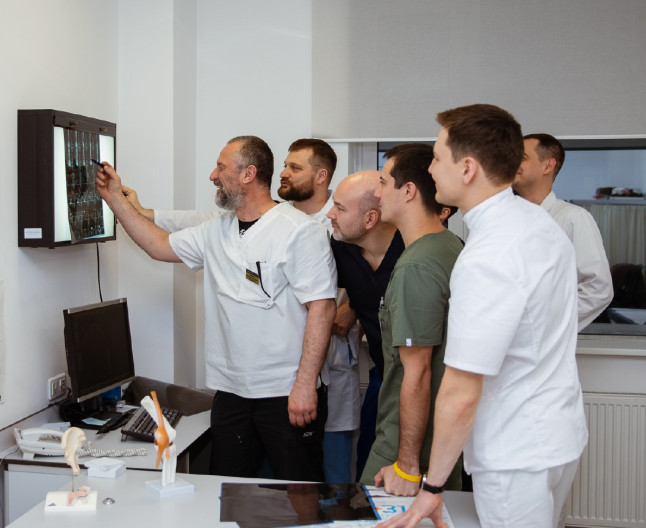
specialists

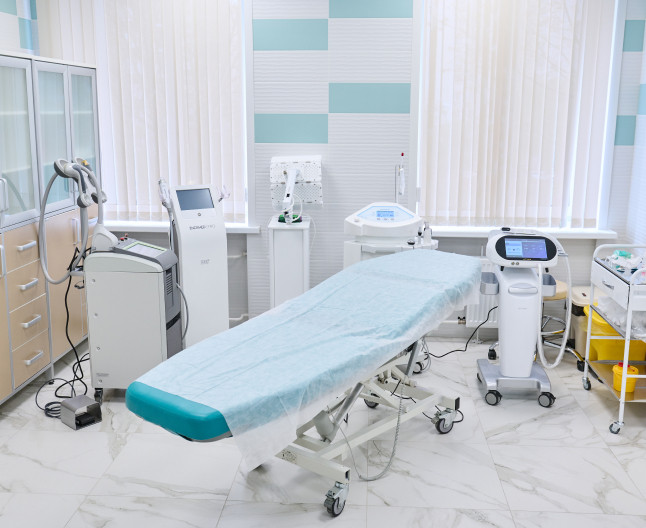
equipment

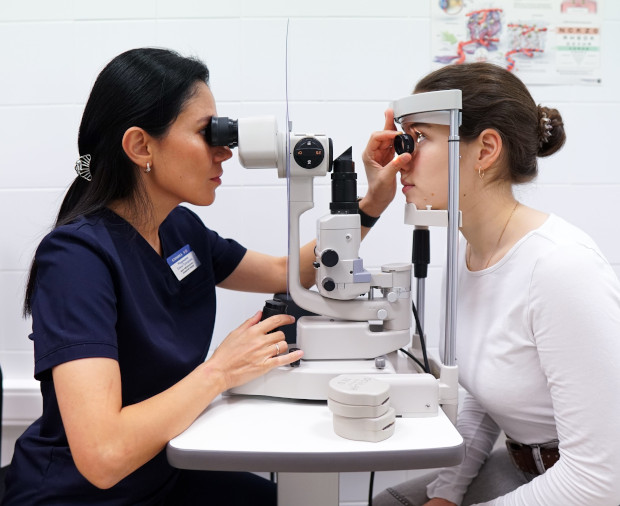
treatment






When we recommend the procedure
The decision on treatment is made after a vision diagnosis and an assessment of the eye condition.
Indications for Laser Trabeculoplasty
The most common indications are:
- Open-angle glaucoma
- Insufficient IOP control
- Poor medication tolerance
- Need to increase aqueous humor drainage
- Difficulty using eye drops regularly
Sometimes laser trabeculoplasty in Moscow is considered as one of the early stages of treatment.
Who is this method particularly suitable for?
The procedure is most often suitable for patients with early to moderate stages of the disease.
SLT can also be a convenient option for people who find it difficult to regularly use glaucoma drops.
At our clinic, we always assess the condition of the optic nerve, the pressure level, and the specific features of the disease before prescribing therapy.
Contraindications and Limitations
This method has contraindications.
We do not prescribe the procedure for inflammatory eye diseases, certain forms of glaucoma, or conditions that make the procedure impossible to perform safely.
Before the procedure, an ophthalmologist will conduct an examination and assess the possible risks.
How is laser trabeculoplasty performed?

Preparing for the Procedure
It all starts with a vision examination. We measure intraocular pressure, assess the condition of the optic nerve, and examine the eye's drainage system.
Before the procedure, the doctor may prescribe special drops.
We also explain the treatment plan to the patient in detail.
Stages
First, the ophthalmologist administers local anesthetic. Then, a special lens is placed on the eye.
After this, the doctor delivers a series of laser pulses to the trabecular meshwork.
The procedure usually takes a short time and is performed on an outpatient basis.

What the patient feels during the procedure
Most often, patients experience no pain. Brief flashes of light or a feeling of slight pressure may occur.
We try to explain all steps in advance to reduce anxiety.
What happens after the laser
After the procedure, the patient remains under the doctor's supervision. The ophthalmologist then re-measures the intraocular pressure and provides recommendations.
Recovery after the procedure is usually uneventful. In most cases, the patient can return to normal activities the same day.
If severe pain, sudden deterioration in vision, or severe discomfort occurs after treatment, you should consult a doctor.
General information
Results and Recovery
How Intraocular Pressure Changes
The main goal of the procedure is to improve IOP control and reduce strain on the optic nerve.
After treatment, pressure may gradually decrease. The severity of the effect depends on the type of glaucoma and the characteristics of the eye's drainage system.
When to Expect Effects
In some patients, a reduction in pressure becomes noticeable within a few days. Sometimes, the result develops gradually over several weeks.
We evaluate the effectiveness of the treatment at a follow-up examination.
How long do the results last?
The duration of the effect depends on the characteristics of the disease and the eye's response to treatment.
In some patients, the results last for several years. In other cases, a repeat procedure or additional therapy may be required.
When is a follow-up examination necessary?
Monitoring is a mandatory step. Monitoring IOP helps to notice changes in time and adjust treatment tactics.




Frequently Asked Questions
Is laser trabeculoplasty painful?
Can I return to my normal activities immediately?
Do I need to stop using the drops?
Is the method suitable for all patients?
Sign up for a consultation

How We Select Treatment
At our clinic, treatment is determined after a complete diagnosis. We evaluate the eye's condition, pressure level, and the specific progression of the disease.
Our team creates a clear and individualized treatment plan taking into account all examination data.
How to Schedule an Appointment in Moscow
If you are concerned about elevated intraocular pressure, have been diagnosed with glaucoma, or require IOP monitoring, we recommend scheduling a consultation in Moscow.
During your appointment, an ophthalmologist will perform a vision examination, assess the condition of the eye's drainage system, and determine whether laser trabeculoplasty in Moscow is suitable for you.
References
- Ministry of Health of the Russian Federation, clinical recommendations - https://cr.minzdrav.gov.ru/
- Russian Medical Journal, ophthalmology section - https://www.rmj.ru/articles/oftalmologiya/
- Bulletin of Ophthalmology - https://www.mediasphera.ru/journals/vestnik-oftalmologii
- EyePress - Russian-language ophthalmological portal - https://eyepress.ru/
- Research Institute of Eye Diseases named after. Helmholtz - https://niigb.ru/
Our doctors





















This award is given to clinics with the highest ratings according to user ratings, a large number of requests from this site, and in the absence of critical violations.

This award is given to clinics with the highest ratings according to user ratings. It means that the place is known, loved, and definitely worth visiting.

The ProDoctors portal collected 500 thousand reviews, compiled a rating of doctors based on them and awarded the best. We are proud that our doctors are among those awarded.
Make an appointment at a convenient time on the nearest date
Price
Other services

Appointment to the doctor
Reviews












Our clinics


Application “Personal Account K+31”












What is laser trabeculoplasty?
This is a procedure aimed at improving the functioning of the eye's drainage system. It is used to reduce intraocular pressure and control glaucoma.
Selective laser trabeculoplasty is the most commonly used procedure. It is also known internationally as SLT. It is performed on an outpatient basis and does not require surgical incisions.
How does the procedure work?
Fluid is constantly produced inside the eye. Normally, it is easily drained through the trabecular meshwork. If this mechanism is disrupted, intraocular pressure gradually increases.
During the procedure, the laser targets specific areas of the eye's drainage system. This improves the outflow of intraocular fluid and reduces strain on the optic nerve.
Selective laser trabeculoplasty is targeted and is considered a more gentle laser treatment option.
For what forms of glaucoma is it used?
SLT is most often used for open-angle glaucoma. It is with this form of the disease that drainage system dysfunction develops gradually.
The procedure can also be used in patients with insufficient IOP control despite medication.
In some cases, laser glaucoma treatment helps reduce the number of medications or enhance the effect of eye drops.
How does SLT differ from other laser treatment options?
The main difference lies in the mechanism of action. Selective laser trabeculoplasty targets the cells of the trabecular meshwork without causing significant damage to surrounding tissue.
This makes the procedure considered minimally invasive and well-tolerated by most patients.