Congenital Cataracts in Children: Symptoms, Diagnosis, and Treatment
Cataracts in children can present as an unusual light reflection in the pupil, poor visual acuity, or variable eye reactions to light. In this situation, we recommend immediate examination: we perform diagnostics, thoroughly explain the results to parents, and choose a safe course of action—observation, preparation for surgery, or vision rehabilitation.

specialists

equipment

treatment






Causes and risk factors of congenital cataracts

The cause may be hereditary, infectious, metabolic, or related to a developmental disorder of the eye. We review the course of pregnancy, childbirth, family history, and early examination data. This is necessary to determine whether congenital cataracts are isolated or associated with another pathology.
Hereditary Causes
In some children, heredity plays a role. There may be a history of early low vision, lens surgeries, or similar pupil changes in the family. This information helps assess the risk for the other eye.
Sometimes, familial cataracts remain mild and stable. The doctor monitors the child's vision development and determines the frequency of follow-up visits based on this data.
Metabolic and associated diseases
Cataracts in children are sometimes associated with metabolic disorders and syndromic conditions. In this case, consultations with a pediatrician, geneticist, neurologist, or other specialist may be necessary.
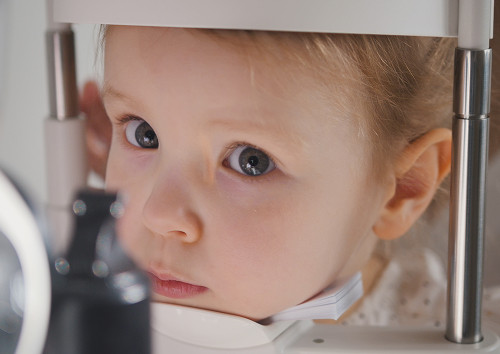
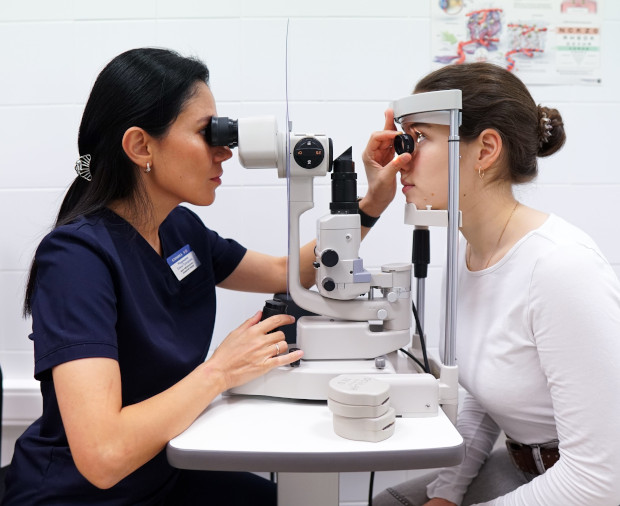
An ophthalmological examination is necessary to fully evaluate the eye. This is how pediatric ophthalmology works, where both vision and the child's overall development are important.
Intrauterine Infections and Developmental Disorders
The cause may be an intrauterine infection, systemic exposure during pregnancy, or a combined ocular anomaly. If congenital cataracts are suspected in newborns, we evaluate the lens, pupillary response, eye position, and fundus.
In the first weeks of life, a child cannot demonstrate how they see. Parents should pay attention to:
- A bright glare
- Weak tracking
- Lack of stable gaze fixation
General information
How to recognize congenital cataracts in a child
An unusual glare in a photo, poor tracking, a misaligned eye, and lack of stable fixation do not provide a diagnosis, but they do prompt a timely appointment. Early diagnosis is important because a child's vision develops very quickly.
White pupil and cloudy lens
A light tint in the pupil can be a sign of a serious eye pathology. In medical practice, this symptom is called leukocoria. It requires an in-person examination.
If the doctor sees a change in the lens, they determine the size, density, and location of the cloudiness. Severe central damage may require congenital cataract surgery.
Strabismus, Nystagmus, and Weak Visual Response
A child's eye deviation may occur when one eye receives a weak signal. The child's ability to fixate on an object decreases, causing the other eye to bear more of the load.
Involuntary eye movements may indicate a disruption in the formation of visual connections. The sooner the doctor determines the cause, the more accurate the treatment plan can be.
When to urgently contact a pediatric ophthalmologist
We recommend taking your child to the doctor if any of the following occurs:
- White pupil or light reflection in the photo
- Strabismus
- Weak reaction to light
- Nystagmus
- Lack of stable gaze fixation
Even one symptom requires attention. A pediatric ophthalmologist will check for congenital cataracts in newborns, another cause of the white reflex, or a developmental disorder of the eye.
Prognosis: What determines treatment outcome
The prognosis depends on the age of diagnosis, the density of the opacity, whether one or both eyes are affected, the condition of the retina and optic nerve, the timing of intervention, and the frequency of follow-up. The best chances are usually associated with early detection and consistent rehabilitation.
For the convenience of parents, we use a table of warning signs. It shows why one symptom requires different diagnostic steps.
| Symptom | What could this mean? | What we do |
|---|---|---|
| Clear pupil | Possible lens changes | Urgent diagnostics |
| Eye deviation | Visual impairment | Assessing visual function and treatment options |
| Involuntary eye movements | Visual analyzer development problem | We schedule an examination and observation. |
The chart does not replace an in-person assessment. The pediatric ophthalmologist examines the child completely: from pupil reactivity to the fundus.
"Congenital cataracts are a situation where it is especially important not to waste time. Our goal is to quickly confirm the diagnosis and also understand the extent of visual axis impairment. Then, we immediately offer a clear care plan: from diagnosis to rehabilitation," says the ophthalmologist.
Frequently Asked Questions
Can congenital cataracts be cured without surgery?
What signs should parents be concerned about?
Can the condition be hereditary?
What will happen after treatment?
Conclusion: When you shouldn't postpone a visit
If cataracts are suspected in children, it is important to see an ophthalmologist as soon as possible. A consultation is especially urgent if parents notice:
- A light or whitish glint in the pupil
- A noticeable deviation of the eye
- A weak reaction to light
- Unsteady gaze
This article is not a substitute for an in-person consultation. At K+31, we perform diagnostics, explain the results to parents, and select treatment for congenital cataracts based on indications.
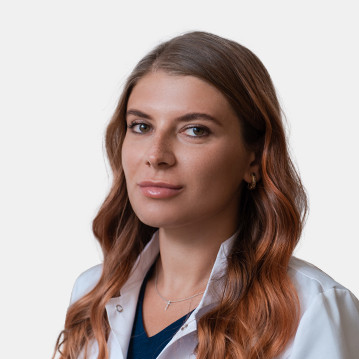
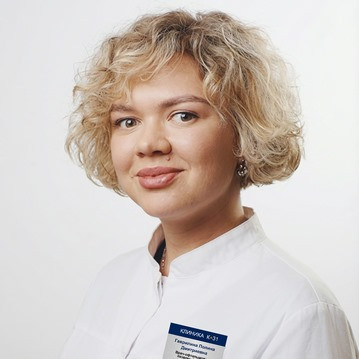
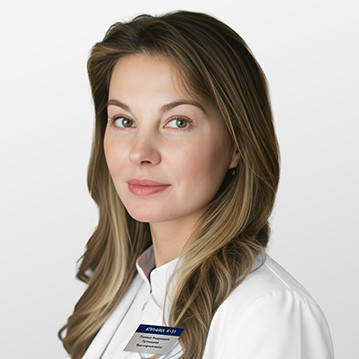
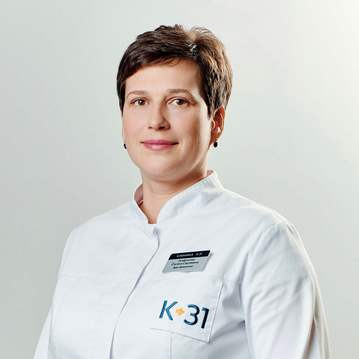
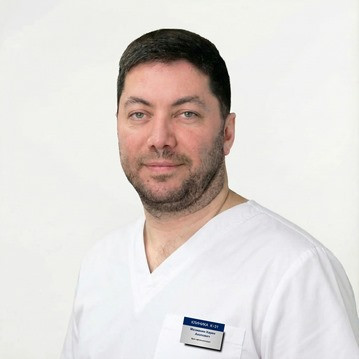
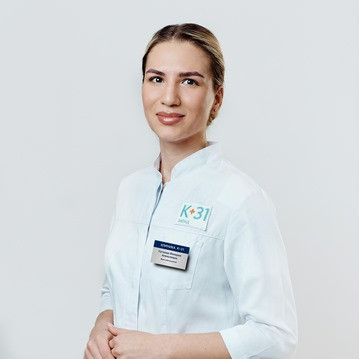
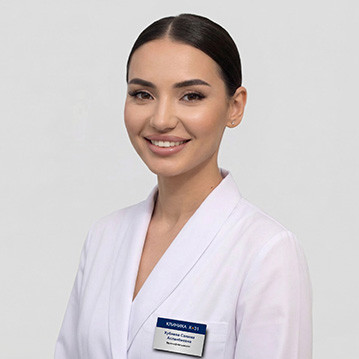
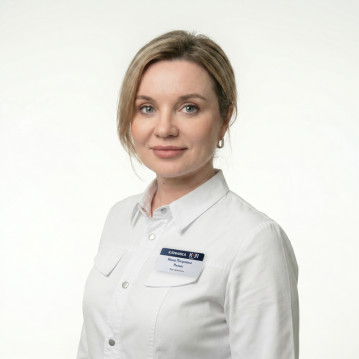
Our doctors













This award is given to clinics with the highest ratings according to user ratings, a large number of requests from this site, and in the absence of critical violations.

This award is given to clinics with the highest ratings according to user ratings. It means that the place is known, loved, and definitely worth visiting.

The ProDoctors portal collected 500 thousand reviews, compiled a rating of doctors based on them and awarded the best. We are proud that our doctors are among those awarded.
Make an appointment at a convenient time on the nearest date
Price
Other services

Appointment to the doctor
Reviews
















Our clinics


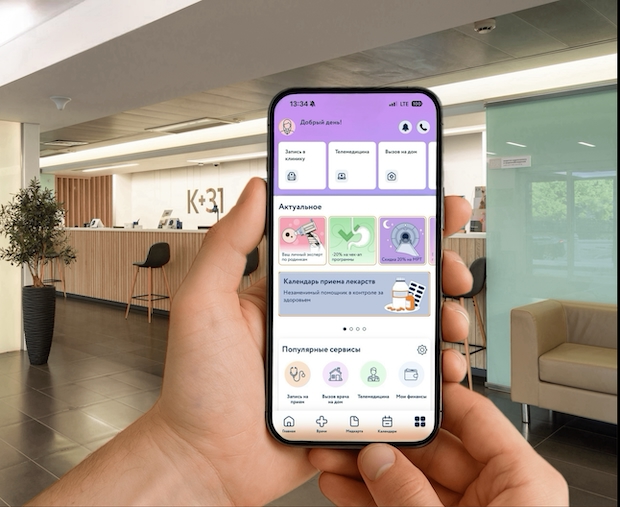
Application “Personal Account K+31”