
Kseroftalmiya (dry eye syndrome): diagnosis and treatment
The comfort of the ocular surface depends entirely on the quality and quantity of the fluid that irrigates it. The tear film protects tissues, nourishes them, and provides an ideal optical environment, but in today's environment, this protective barrier is regularly overloaded.
At the K31 Clinic, we see patients daily who are bothered by persistent dry eyes and accompanying visual discomfort. This condition is often attributed to simple fatigue after a long day at work, but such complaints often conceal xerophthalmia—a serious functional or pathological change. Our team of ophthalmologists conducts a comprehensive examination to help determine the exact cause of the disorder and prevent damage to the superficial structures of the visual organ.

specialists

equipment

treatment



What is xerophthalmia and why does it occur?
This medical term refers to a multifactorial process that disrupts the stability of hydration of the cornea and conjunctiva. When dry eye syndrome develops, the composition of tears changes, causing them to evaporate too quickly, leaving sensitive nerve endings unprotected. Our experience shows that most people dismiss this problem as a temporary inconvenience, but without proper treatment, this condition leads to microtrauma and chronic inflammation.
How does xerophthalmia differ from ordinary eye fatigue?
Normal eye fatigue develops after a hard day's work, reading, or fine manual work, but it completely disappears after a good night's sleep or quality rest. With dry eye syndrome, regular rest doesn't bring relief, as the tear structure itself is disrupted. A person may experience discomfort even in the morning, immediately after waking up, when the protective layer simply doesn't have time to recover due to a malfunction in the glands.
| Symptom | Eye fatigue | Xerophthalmia |
|---|---|---|
| Duration | Usually resolves with rest | May persist and recur |
| Burning and dryness | Mild or intermittent | Often severe |
| Redness | Not always | Often present |
| Sensation Sand | Rare | Typical symptom |
| Need a doctor | Not always | Preferred |
Main causes of dry eyes
Pathological mechanisms are triggered by various internal and external factors, among which our clinic's doctors highlight the following:
- Dysfunction of the meibomian glands, which produce the outer lipid layer of tears, preventing their rapid evaporation.
- Chronic eyelid inflammation or accompanying blepharitis, which disrupt the proper drainage of secretions.
- Age-related changes in the body, leading to a general decrease in the production of the tear fluid.
- Take certain medications, including antihistamines, antidepressants, and oral contraceptives.
What factors increase symptoms in everyday life
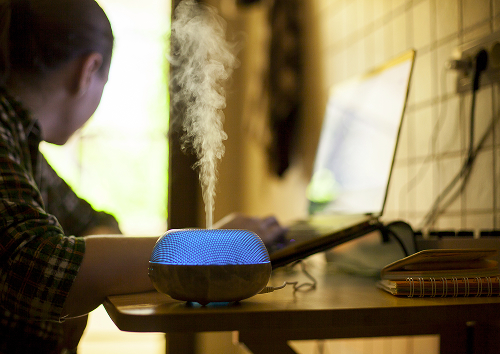
The environment and our habits play a huge role in worsening the condition. Working for long periods at a computer forces a person to stare at the monitor, which significantly reduces the blinking rate and accelerates tear film breakdown. Dry air in rooms with air conditioners or radiators also has a negative impact.
Contact lens wearers are also at risk, as the polymer material can disrupt natural fluid exchange and cause mechanical irritation.
Symptoms of xerophthalmia: How to recognize the problem

This condition develops gradually, and in the initial stages, a person may not even be aware of the pathology.
Early signs that are often ignored
Initially, patients notice mild fatigue, occasional burning in the eyes, or brief redness after reading. Very often during this period, compensatory lacrimation occurs, when the body tries to cope with the drying of the cornea by producing large amounts of liquid, but low-quality tears, devoid of a fatty component, so they do not linger on the surface and quickly drain.

Worrying symptoms that require an ophthalmologist consultation
As the process progresses, complaints become persistent and begin to seriously reduce quality of life.
Symptoms that require an ophthalmologist appointment:
- Constant dryness and burning of the eyes
- A pronounced sensation of sand or a foreign body in the eyes
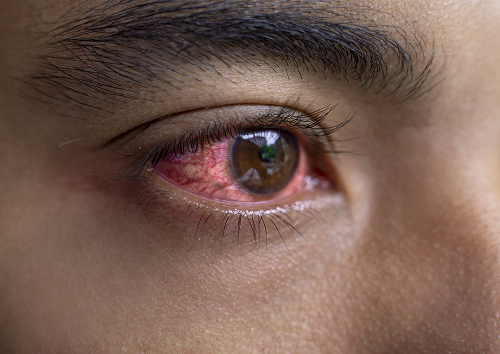
- Persistent redness of the eyes that does not subside with rest
- Tearing accompanied by general dryness
- A significant decrease in comfort while working at a computer
When dry eyes become dangerous to vision
If the protective layer is absent for a long time, the cornea suffers, causing small erosions and ulcers. In such situations, the patient develops severe photophobia, and even looking at a light source causes physical pain. This is a dangerous stage, capable of leading to persistent corneal clouding and irreversible deterioration of visual acuity, so prompt treatment of dry eye is crucial.
General information
How we select treatment for xerophthalmia
After completing all examinations, our team creates a personalized treatment plan aimed at eliminating the underlying cause of the discomfort.
Eliminating the cause and making lifestyle changes
We help the patient adjust their environment, as if the workplace is poorly organized, no medication will provide lasting results. We provide recommendations on monitor settings, rest regimens, and air humidification in the workspace. If contact lenses are the problem, we help select lenses made from other materials or transition the patient to daily wear.
Tear substitutes and maintenance therapy
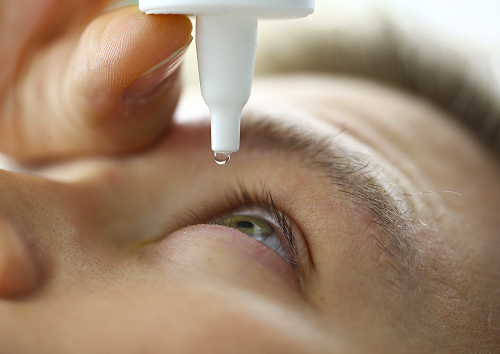
Modern eye drops form the basis of conservative care. The doctor selects relubricating drops with a specific viscosity and composition, based on the specific layer of the tear film that is damaged. We recommend using preservative-free products to avoid additional toxic effects on tissue. For severe changes, special gels or ointments may be prescribed for nighttime use. Remember not to over-the-counter eye drops, as choosing the wrong medication can worsen symptoms.
Treatment of concomitant conditions that cause dry eye
If the examination reveals eyelid inflammation, our treatment program includes eyelid hygiene procedures, warm compresses, and gentle gland massage to help restore lipid secretion. If a bacterial infection is present, the doctor will prescribe a short course of anti-inflammatory or antibacterial eye drops. This systematic approach ensures stable treatment of xerophthalmia and prevents relapses.

FAQ
Are xerophthalmia and dry eye syndrome the same thing?
Is it possible to get by with just drops?
Why do symptoms worsen in the evening?
When is an urgent visit to the doctor necessary?
Clinical Guidelines of the Ministry of Health of the Russian Federation — Clinical Guidelines Portal: https://cr.minzdrav.gov.ru/
CyberLeninka — Search for "dry eye syndrome": https://cyberleninka.ru/search?q=%20dry%20eye syndrome
eLIBRARY - search for the topic “dry eye syndrome”: https://elibrary.ru/query_results.asp?querytext=%20dry%20eye syndrome
Russian Medical Journal - search by topic: https://www.rmj.ru/search/?q=%20dry%20eye syndrome
Magazine "Attending physician" — search by topic: https://www.lvrach.ru/search?query=синдром%20шуго%20глаза
Ophthalmology / EyePress — Russian-language ophthalmology materials: https://eyepress.ru/
Our doctors
















This award is given to clinics with the highest ratings according to user ratings, a large number of requests from this site, and in the absence of critical violations.

This award is given to clinics with the highest ratings according to user ratings. It means that the place is known, loved, and definitely worth visiting.

The ProDoctors portal collected 500 thousand reviews, compiled a rating of doctors based on them and awarded the best. We are proud that our doctors are among those awarded.
Make an appointment at a convenient time on the nearest date
Price
Other services

Appointment to the doctor
Reviews



















Our clinics


Application “Personal Account K+31”












How we conduct diagnostics
At K31 Clinic, we don't offer one-size-fits-all solutions. Effective diagnosis of xerophthalmia requires specialized equipment and functional testing.
Patient interview and examination
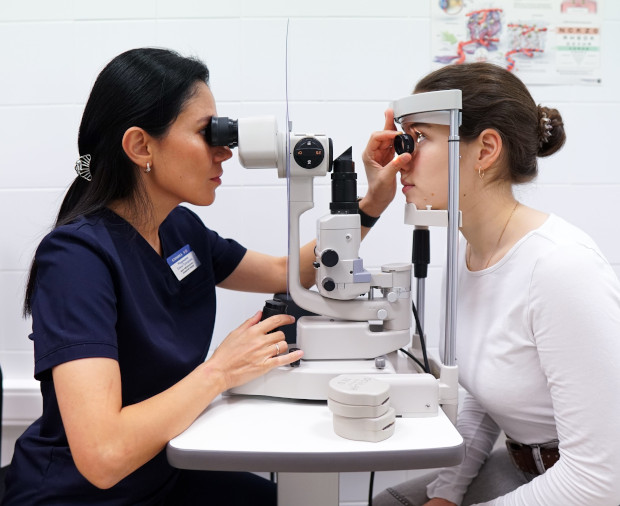
During your initial consultation, our ophthalmologist will ask you detailed questions about your lifestyle, work environment, comorbidities, and medications. The doctor will examine your eyelids, assess your blinking frequency, and evaluate the condition of your conjunctiva using a magnified slit lamp.
Tear film and ocular surface test
We always perform special tests to assess the quality of your tears. The Schirmer test measures the volume of tear fluid produced per unit of time using special test strips. The Norn test measures tear film breakup time by injecting a safe, vital dye into the eye, allowing you to visualize dry areas on the cornea. The doctor also thoroughly examines the meibomian glands to check their patency and the nature of their secretions.
Additional examination methods
If the examination reveals chronic blepharitis or suspected systemic autoimmune processes (for example, Sjögren's syndrome), we may order laboratory tests or refer the patient for consultation with related specialists. This comprehensive approach allows us to identify hidden triggers of the pathology in a single visit.