
Cataract Treatment

specialists

equipment

treatment




Types of cataracts
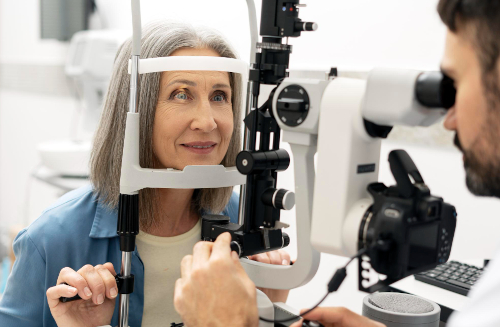
Cataracts can be congenital and acquired. Congenital cataracts can be hereditary and occur due to intrauterine pathology. In the case of congenital cataracts, most often we are talking about the presence of various diseases in a pregnant woman: hypocalcemia, hypothyroidism, diabetes mellitus, toxoplasmosis, viral infections (rubella).
The most common form of acquired cataract is age-related cataract, which usually occurs in people over 50 years of age.
The development of acquired cataracts, which require removal, is facilitated by some systemic diseases in combination with individual characteristics of the body: diabetes mellitus type 1 or 2, myotonic dystrophy, atopic dermatitis, neurofibromatosis type II.
Various eye diseases (uveitis, glaucoma, eye injuries, retinal detachment, some hereditary retinal dystrophies) lead to the development of secondary cataracts. Also, treatment of secondary cataracts may be required after lens replacement. As a rule, this is due to the persistence of factors that provoke the development of the disease.
There are several stages of lens opacity:
- Initial
- Immature
- Mature
- Overripe
Treatment of initial cataracts involves prescribing eye drops. They improve metabolic processes in the lens and help slow down progression. In most cases, this disease already requires surgical intervention at the initial stages. This is due to the fact that vision restoration is possible only after surgical treatment. Since medications are not able to restore transparency to a clouded lens.
The earlier surgical treatment of cataracts is performed, the lower the chances of developing severe, concomitant pathologies. In each situation, the doctor makes a decision based on the individual indications of the patient.
Diagnosis and treatment of cataracts
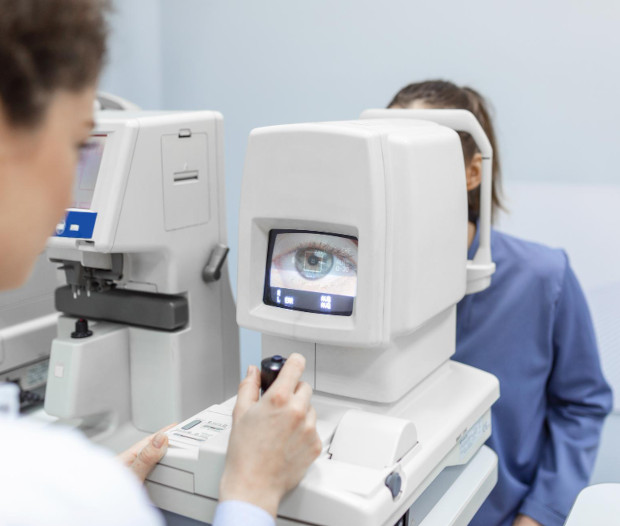
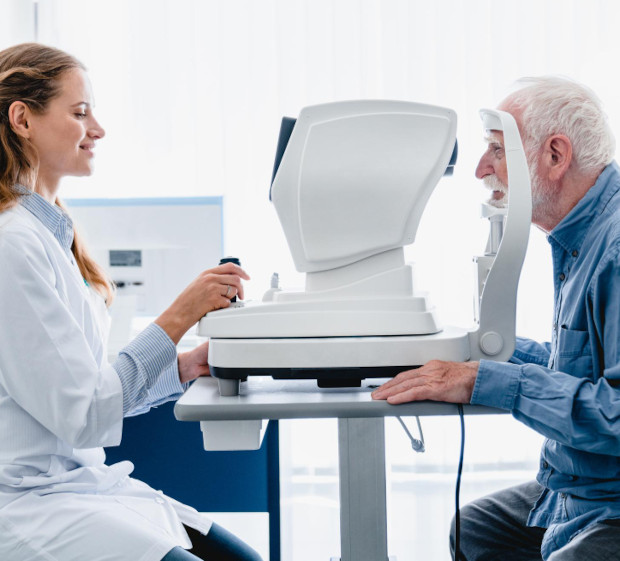
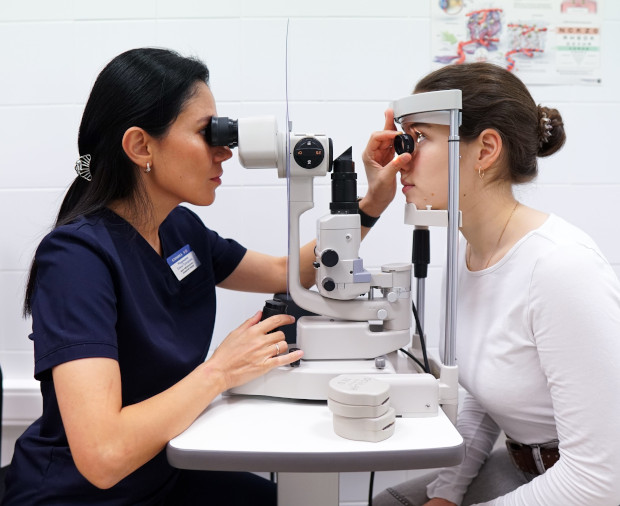
Visual acuity is crucial in the management and treatment of cataracts. The degree of maturity and severity of the cataract are determined by biomicroscopy. Sometimes, to obtain a more complete picture of the condition of the ocular membranes in cases of severe cataracts, an ultrasound examination of the eyeball is necessary. Our clinic has everything necessary to diagnose cataracts.
In children, complications caused by cataracts are very important in assessing the severity of the disease: obscuration amblyopia (impaired visual development in a child due to limited light entering the eye), nystagmus (involuntary eye movements), and strabismus.
The only effective treatment for cataracts is surgery. Taking into account the specific development of the disease, the doctor and patient decide on the need, timing, and methods of cataract treatment. The surgery is performed under local anesthesia and does not take much time. Moreover, thanks to the use of a modern femtosecond laser in surgery, sutures, which can slow recovery, are generally not required. Intraocular lens (IOL) placement is the best solution for cataract treatment.
The natural lens is replaced with an artificial one. The following types of lenses are used:
- Multifocal or multifocus, trifocal. These can change the optical power of the eye, adapting to work at different distances, just like a natural lens. This parameter is considered their main advantage. Alcon is a good example of multifocal lenses.
- Monofocal. A classic option, most often used for cataract surgery in the elderly at an affordable price. After removal and replacement, the patient sees well at a distance, and uses light glasses for near vision (or, conversely, glasses can be used for distance correction). Monofocal lenses are available in the product lines of manufacturers Tecnis, Alcon, Zeiss, and others.
- Toric. Suitable not only for laser treatment of cataracts but also for the simultaneous correction of severe astigmatism.
After any surgery, patients are given a leaflet with recommendations for the recovery period. The doctor conducts scheduled examinations to monitor recovery. K+31 clinics also offer laser vision correction. Reviews from our satisfied patients attest to the high qualifications of our doctors and the excellent results of the treatment.
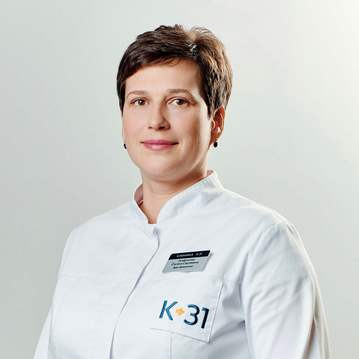
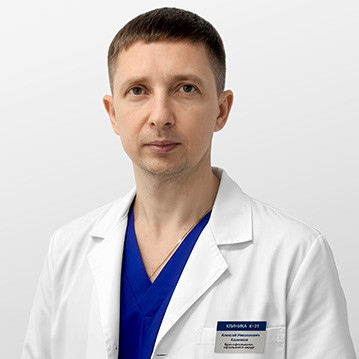
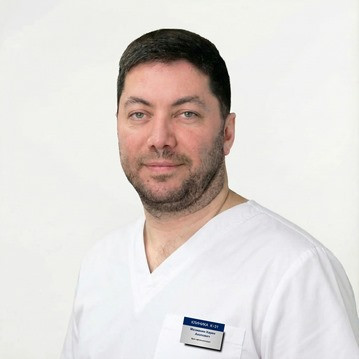
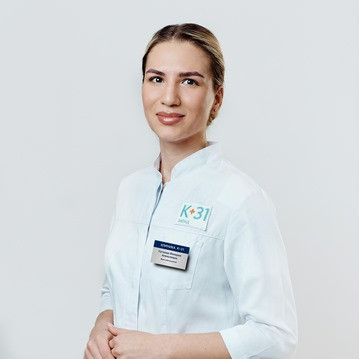
Our doctors


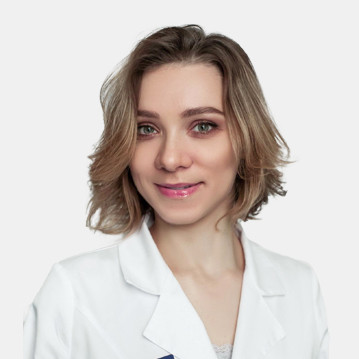
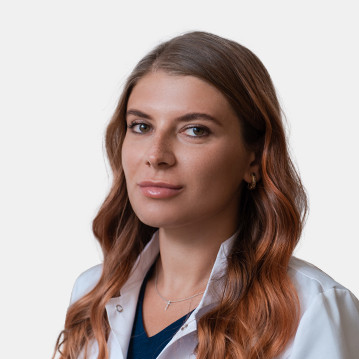
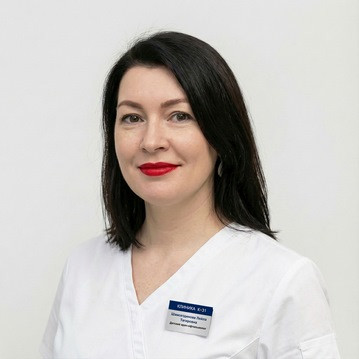
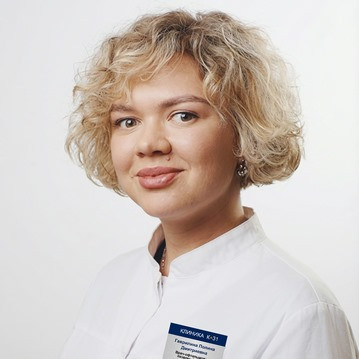
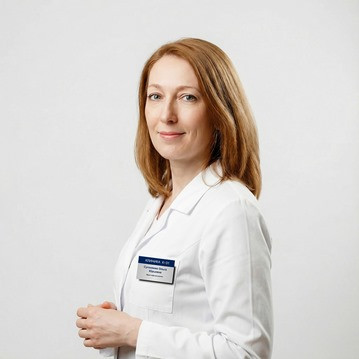
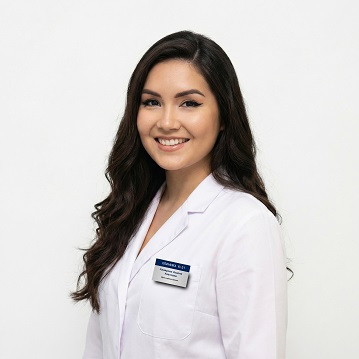
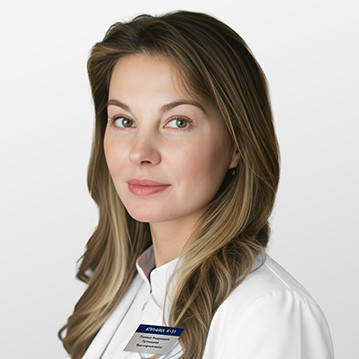


This award is given to clinics with the highest ratings according to user ratings, a large number of requests from this site, and in the absence of critical violations.

This award is given to clinics with the highest ratings according to user ratings. It means that the place is known, loved, and definitely worth visiting.

The ProDoctors portal collected 500 thousand reviews, compiled a rating of doctors based on them and awarded the best. We are proud that our doctors are among those awarded.
Make an appointment at a convenient time on the nearest date
Price
Other services

Appointment to the doctor
Reviews
Our clinics


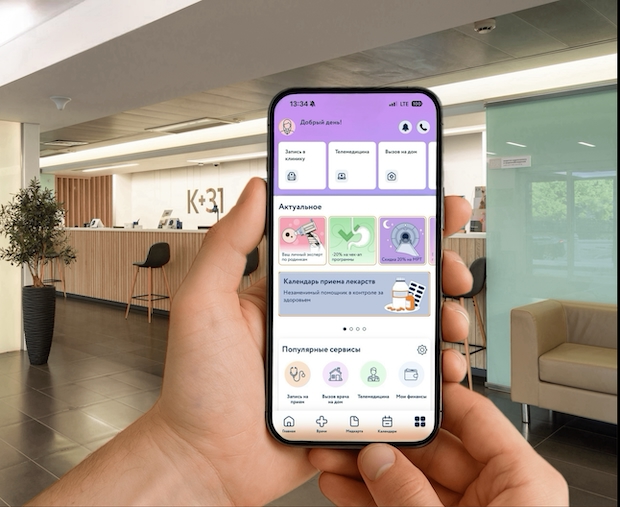
Application “Personal Account K+31”












About the disease
Contrary to popular belief, cataracts are diagnosed not only in elderly patients, when the disease is caused by natural age-related changes. Untimely correction of other eye pathologies, injuries, taking certain medications, poor environmental conditions, exposure to radiation and other factors can lead to the development of pathology. Ophthalmic surgeons at our center have also encountered congenital cataracts in children.
Modern ophthalmological equipment, extensive experience and work experience of top-category doctors allow them to perform high-quality operations to remove cataracts and restore vision to patients. We can also solve problems associated with myopia, astigmatism, glaucoma, hyperopia.
To make an appointment, you can order a call back and leave a request using the form on the website. We will select a convenient time for visiting an ophthalmologist, use effective methods of treating cataracts in Moscow and will definitely solve your problem.