
Dry eye syndrome (dry eye): symptoms, causes, and treatment with an ophthalmologist
When the tear film becomes unstable, the visual system begins to respond with more than just dryness. This can lead to burning, a gritty sensation, stinging, redness, and sometimes excessive tear production and blurred vision. These symptoms worsen in dry rooms, windy conditions, or while wearing contact lenses.
Dry eye syndrome requires diagnosis because the same discomfort can be associated with different conditions.

specialists

equipment

treatment





What is dry eye syndrome
Normally, the surface of the cornea and conjunctiva is constantly covered with a thin layer of tears. This film moisturizes tissue, reduces friction when blinking, helps maintain image clarity and protects against irritation.
How the tear film is disrupted
It consists of several components: aqueous, mucous, and lipid. If tears are produced insufficient, they evaporate quickly or are poorly distributed over the surface of the eye, resulting in dry eye. The meibomian glands are crucial: they secrete a lipid layer that retains the tears. With blepharitis, blocked ducts, or changes in secretion, the film quickly ruptures, and moisturizers provide only short-term relief.
How is dry eye syndrome different from regular eye fatigue?
Fatigue usually subsides after sleep, a break, and reduced visual strain. Xerophthalmia is characterized by recurring discomfort: the cause remains at the level of the lacrimal layer, eyelids, or corneal surface. The patient may attribute this to fatigue, but upon examination, the doctor already sees signs of irritation.
Comparisons help understand the general differences between the conditions. The doctor makes a final determination after examination and testing.
Comparison of regular fatigue and dry eye syndrome
| Symptom | Fatigue | Dry eye syndrome |
|---|---|---|
| Burning | Rare or short-term | Frequently recurring |
| Redness | After exertion | May persist after rest |
| Tearing | Usually not noticeable | Often occurs as a reaction to irritation |
| Effect of eye drops | Sometimes provides brief relief | Treatment needs to be selected after diagnosis |
If discomfort persists for weeks, it's best not to choose remedies at random. It's important to determine whether lacrimation is impaired, whether evaporation is increased, and whether there is inflammation of the visual surface.
Why does dry eye syndrome occur?

The causes are often combined. Blinking, indoor air, age, hormonal levels, medications, lenses, and eyelid condition all impact tear production. Therefore, dry eye treatment shouldn't be a one-size-fits-all approach.
During a consultation, we identify the factors that contribute to dryness and irritation. Symptoms are most often aggravated by the following factors:
- Prolonged computer work and infrequent blinking
- Dry air, air conditioning, heating, and fan blowing
- Lenses and wearing them for too long
- Blepharitis and meibomian gland dysfunction
- Age-related or hormonal changes
- Certain medications and concomitant conditions
A single factor does not always cause significant complaints. But the combination of screen time, dry air, and eyelid inflammation can keep your eyes dry for months.
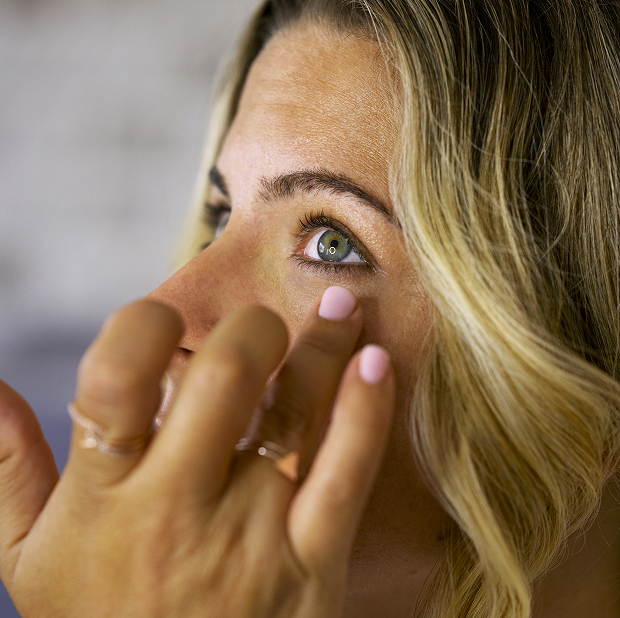
Long-term computer work and dry air
When working with a computer monitor, a person blinks less frequently and maintains their gaze longer. The film is less refreshed, breaks down more quickly, and computer vision syndrome develops. Dry air, air conditioning, heating, and air flow onto the face increase tear evaporation.
Contact lenses, age, and hormonal changes
Lenses alter tear distribution and can increase irritation, especially with prolonged wear or improper care. With age, the function of the lacrimal glands and eyelids changes. In some patients, hormonal factors are added, causing complaints to gradually worsen.
Concomitant diseases and medications
Dryness can be associated with autoimmune diseases, diabetes, eyelid skin conditions, allergies, previous surgeries, and long-term conjunctival inflammation. Some medications affect tear production or tear quality. The doctor considers these data because diagnosing dry eye syndrome without a comprehensive context is often incomplete.
Symptoms of dry eye syndrome
Complaints don't always correspond with the severity of changes. Some patients experience a burning sensation with moderate signs of irritation, while others become accustomed to the discomfort and seek medical attention only when damage to the surface of the eye is already present. Therefore, both sensations and examination data are important.
A feeling of sand, burning, stinging, and redness
Typical symptoms of dry eye syndrome include a foreign body sensation, burning, stinging, redness, and a desire to blink or close the eyelids more frequently. Patients describe this as a gritty, scratchy, or dry sensation. Upon examination, the doctor may notice conjunctival irritation, changes in the eyelid margin, and areas of corneal damage.
Tearing and blurred vision
Dry eyes can be accompanied by reflex tear production. This is the surface's response to irritation, but the composition of this tear film doesn't always restore a stable film. An uneven tear film can cause images to appear sharp or blurry, especially when reading, driving, or working at a computer screen.
When to see a doctor
Severe pain isn't the only reason to seek a consultation. Regular discomfort, dependence on eye drops, and worsening vision in the evening are sufficient grounds for examination. Urgent examination is necessary if there are signs of inflammation, injury, or damage to the cornea.
- Pain, severe burning, or photophobia
- Noticeable deterioration in vision
- Severe eye redness
- Unusual discharge
- A foreign body sensation after an injury
- No improvement with usual medications
In such situations, you shouldn't change eye drops on your own. Decongestants can reduce redness, but they don't solve the problem and sometimes mask a condition that requires other treatment.
How do we diagnose dry eye?
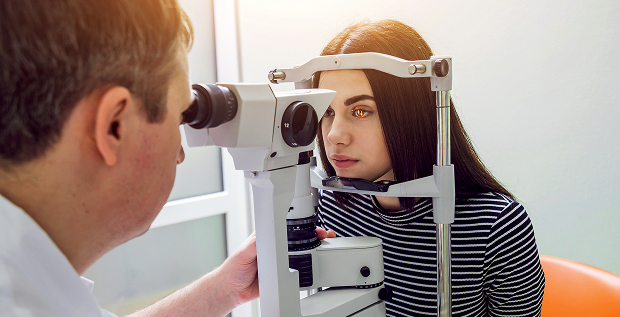
The examination begins with a discussion of complaints, eye strain, lenses, medications, and concomitant diseases. The specialist then assesses the visual surface, eyelids, and tear film stability. This process helps to understand the underlying mechanism of the disorder.
Ophthalmologist examination and complaint assessment
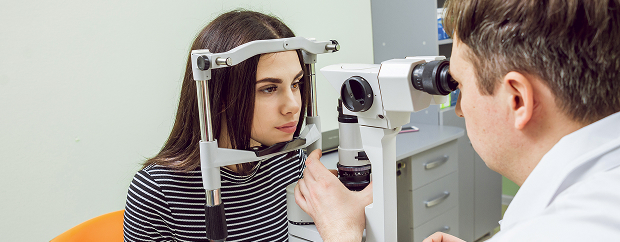
The doctor asks when the discomfort began, what drops have already been used, how long the patient has been working in front of a screen, and whether the patient wears lenses. Using a slit lamp, the doctor examines the eyelid margin, conjunctiva, and cornea for signs of inflammation and epithelial damage.
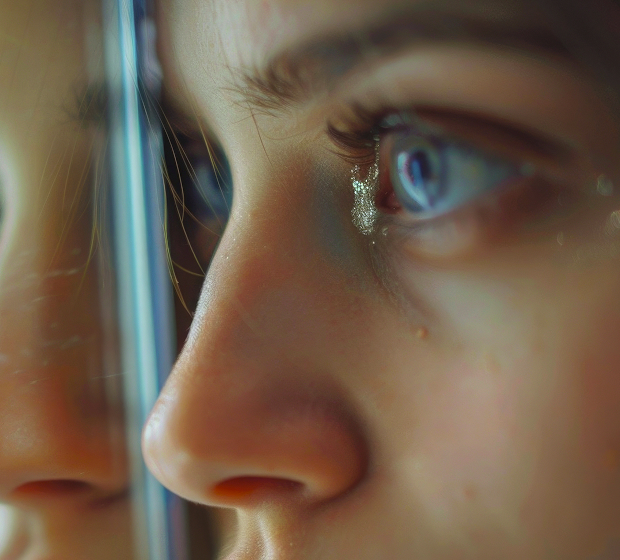
Tear film and ocular surface tests
Diagnosis of dry eye syndrome may include tear breakup time assessment, ocular surface staining, a Schirmer test, and meibomian gland examination. The test panel is selected based on the examination findings. Not all patients require the same amount of testing.
Diagnosis is usually performed sequentially. This order reduces the risk of missing similar conditions and helps avoid unnecessary prescriptions.
- The doctor clarifies the patient's complaints, eye strain, and medications already in use.
- Evaluates the eyelids, conjunctiva, and cornea under magnification.
- Checks the stability of the lacrimal layer.
- Assesses tear production and meibomian gland function, if necessary.
- Explains the type of tear and the treatment plan.
If evaporation is predominant, the treatment plan will be one. If lacrimation is severely impaired, dry eye treatment will be different.
Determining the form and severity
After examination, the doctor determines what is more important: insufficient tear production, rapid evaporation, eyelid inflammation, ocular surface damage, or a combination of the two. The severity is assessed based on complaints and objective signs. This determines the choice of therapy and the frequency of monitoring.
General information
Treatment of dry eye syndrome
The treatment depends on the type of dry eye. For some patients, it's enough to change their daily routine and select a moisturizer without unsuitable preservatives. Others require eyelid treatment, anti-inflammatory therapy as prescribed by a doctor, and ongoing monitoring.
Luminating drops and artificial tears
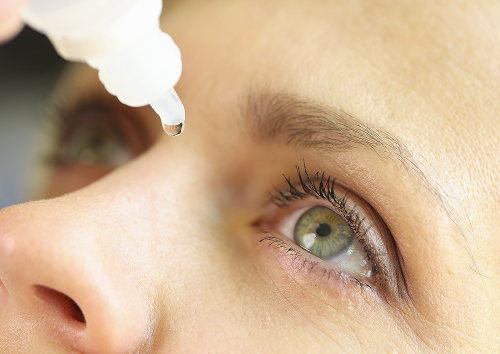
Luminating products reduce friction and support the ocular surface. These include moisturizing drops with varying compositions, viscosities, and tolerability. Therefore, artificial tears are selected based on the specific type of dry eye, not just the sensation after the first application.
Treatment of the cause and restoration of vision
If the problem is related to the eyelids, the doctor addresses inflammation and the quality of the lipid layer. If there is corneal damage, the goal is to protect the surface and reduce irritation. Hormonal and anti-inflammatory medications should not be used without a prescription because they have limitations.
What an ophthalmologist may prescribe depending on the severity of the problem
The treatment plan may include several areas. We explain to the patient the purpose of each step and how the outcome will be assessed.
- Moisturizing drops or gels, taking into account their composition and tolerability
- Artificial tears with a lipid component for increased evaporation
- Eyelid care and treatment of inflammation of the eye margins
- Adjustment of lens wearing regimen or temporary discontinuation of contact lenses
- Anti-inflammatory therapy only when indicated
- Follow-up examination to assess progress
With proper selection, the burning sensation decreases, vision becomes more stable, and the surface appears calmer during examination. If there is no response, the plan is revised.
"Patients often come after several attempts to choose the right drops themselves. With dry eyes, it's important to understand the mechanism: evaporation, impaired tear production, eyelid inflammation, or surface damage. Only after diagnosis can treatment be selected that is appropriate for the specific form of the disease." — ophthalmologist


FAQ
How can you tell if it's more than just fatigue?
Which drops help?
Can I wear contact lenses?
When should you urgently see an ophthalmologist?
An urgent examination is necessary if you experience pain, photophobia, noticeable vision loss, severe redness, discharge, injury, or a foreign body sensation. These symptoms may be related to more than just dryness and require an in-person evaluation.
If discomfort has become regular, don't try to treat dry eye syndrome on your own. Schedule a consultation: we will assess the condition of your visual surface, identify the underlying cause, and develop a safe treatment plan.
Clinical guidelines of the Ministry of Health of the Russian Federation — https://cr.minzdrav.gov.ru/
EyePress — professional ophthalmology portal — https://eyepress.ru/
Russian Medical Journal - https://www.rmj.ru/
MediaSphera - https://www.mediasphera.ru/
Official ophthalmology materials on specialized Russian medical portals — https://www.eyepress.ru/
Our doctors





















This award is given to clinics with the highest ratings according to user ratings, a large number of requests from this site, and in the absence of critical violations.

This award is given to clinics with the highest ratings according to user ratings. It means that the place is known, loved, and definitely worth visiting.

The ProDoctors portal collected 500 thousand reviews, compiled a rating of doctors based on them and awarded the best. We are proud that our doctors are among those awarded.
Make an appointment at a convenient time on the nearest date
Price
Other services

Appointment to the doctor
Reviews




















Our clinics


Application “Personal Account K+31”











