
Accommodation study (accommodationmetry): how the diagnosis is performed and what it shows
Constant screen time, reading on a phone, heavy study loads, and prolonged near focusing are increasingly leading to complaints of visual fatigue. Patients report blurry text, decreased concentration, heavy eyes, and difficulty shifting their gaze into the distance. In these situations, an accommodation test helps assess how the eye's focusing system is functioning and whether there are any issues that require monitoring or correction.
At the K+31 Clinic, we perform diagnostics using modern equipment and explain the results in detail immediately after the examination.

specialists

equipment

treatment






When do we recommend an accommodation study?

Most often, the examination is prescribed to patients with complaints of rapid eye fatigue and problems with near work. However, sometimes problems are detected even during a routine examination.
Complaints that warrant a diagnostic appointment.
Indications for the examination:
- Rapid eye fatigue
- Difficulty reading
- A feeling of blurring when focusing
- Headaches after visual strain
- Computer work
- Complaints in schoolchildren and students
Unstable vision, a feeling of eye strain, and difficulty concentrating while reading may also be reasons for an examination.
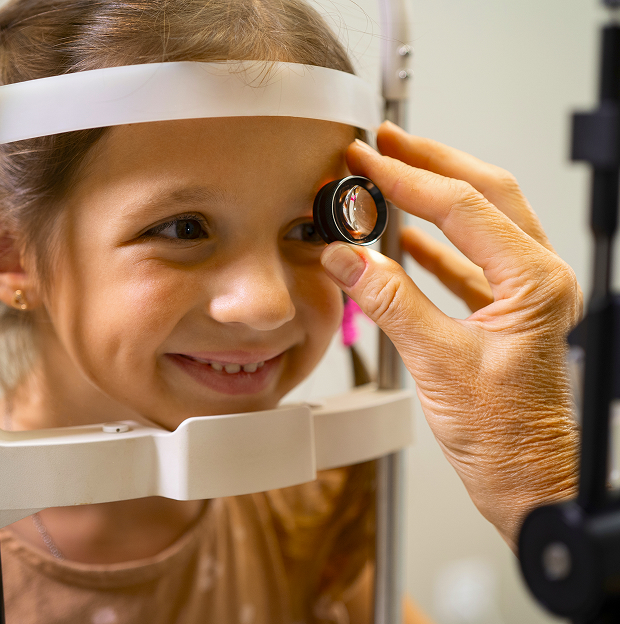
Who needs this examination especially: children, schoolchildren, and adults with high visual strain
Accommodation testing is essential for children and adolescents. During school, the visual system experiences constant strain. This is why pediatric ophthalmologists often include this diagnostic test in their examination plan.
Adults may also benefit from this examination if their work involves paperwork, gadgets, or prolonged computer use. With high visual strain, problems can occur even in patients without significant vision problems.
Patients with myopia and early age-related changes associated with presbyopia require special attention.
When is the examination prescribed in addition to an ophthalmologist examination?
Sometimes, accommodation testing is performed as part of a comprehensive vision examination. For example, if a patient complains of unstable focusing or signs of asthenopia.
Accommodation diagnostics can also be used when selecting vision correction, monitoring the progression of myopia, and assessing visual stress in schoolchildren.
How the research is carried out in our clinic
For many patients, it's important to understand how comfortable the procedure is and whether special preparation is needed. We explain each step of the examination in detail before the diagnostic process begins.
Preparing for the examination
Special preparation is usually not required. However, if the patient wears contact lenses or is already undergoing treatment, it is important to inform the doctor in advance.
Sometimes, the ophthalmologist may recommend temporarily discontinuing contact lens wear before the examination. This depends on the diagnostic objectives and the patient's vision characteristics.
Stages of the procedure
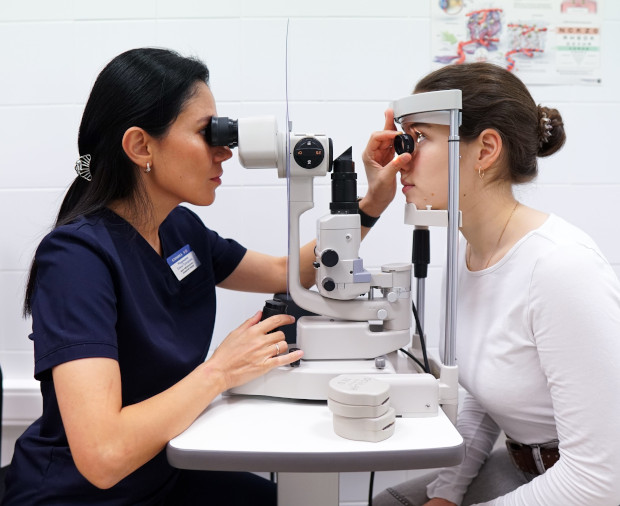
During the examination, specialized tests and diagnostic equipment are used. The doctor evaluates the visual system's response speed, accommodation capacity, and accommodative reserve.
Clinical tests may also be performed to assess the stability of visual focus under stress.
| Method | What it evaluates | When it is used |
|---|---|---|
| Accomodometry | Reaction | For complaints of fatigue and decreased focus |
| Clinical tests | Reservoir and volume | For a preventive or extended examination |
| Comprehensive vision diagnostics | Concomitant disorders | If combined problems are suspected |
It's important to understand that the results are interpreted by a physician, not the device. It's the ophthalmologist who evaluates the examination data, taking into account the patient's complaints, age, and visual load.
How long does the study last and how comfortable is it?
This is a quick procedure. It's painless and requires no recovery time.
Most patients return to their normal activities immediately after the appointment.
"In our practice, accommodation testing is especially important for patients who spend a lot of time in front of a screen. We don't just perform the test; we immediately explain the results in simple terms and advise whether further diagnostics or correction is needed," says our ophthalmologist.
General information
What does accommodation show and how do we interpret the results?
The main goal is to assess how effectively the eye copes with the workload of near vision.
Spasm of accommodation
Spasm of accommodation is associated with excessive tension in the muscles responsible for focusing vision. This condition most often occurs in children, adolescents, and adults with high visual strain.
Patients may complain of blurred vision at a distance, headaches, and rapid eye fatigue.
Weakness of accommodation
Weakness occurs when the focusing system is not working effectively. A person may have difficulty reading for long periods or performing work at close range.
This condition may be accompanied by asthenopia, decreased concentration, and a feeling of eye strain.
Decreased accommodative reserves and visual fatigue
If the accommodative reserve decreases, the visual system is less able to cope with the load. This results in severe visual fatigue, especially after working at a computer or reading for long periods.
Accommodative assessments are paramount.



FAQ
What is an accommodation study?
How is the examination performed?
Do I need to prepare for the examination?
Who would particularly benefit from this vision examination?

Our doctors





















This award is given to clinics with the highest ratings according to user ratings, a large number of requests from this site, and in the absence of critical violations.

This award is given to clinics with the highest ratings according to user ratings. It means that the place is known, loved, and definitely worth visiting.

The ProDoctors portal collected 500 thousand reviews, compiled a rating of doctors based on them and awarded the best. We are proud that our doctors are among those awarded.
Make an appointment at a convenient time on the nearest date
Price
Other services

Appointment to the doctor
Reviews
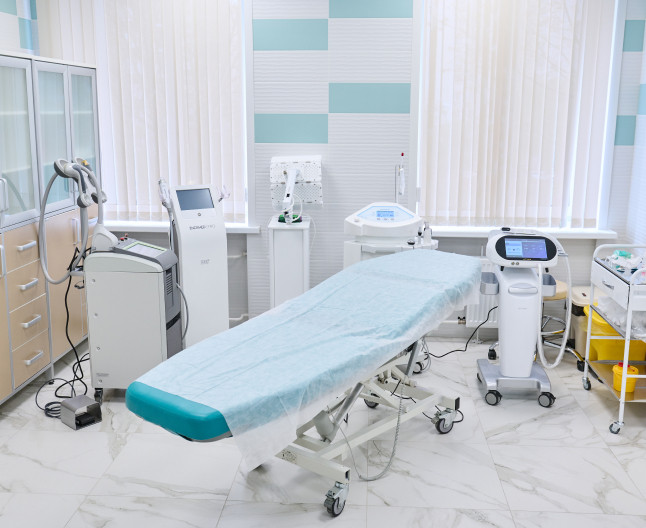
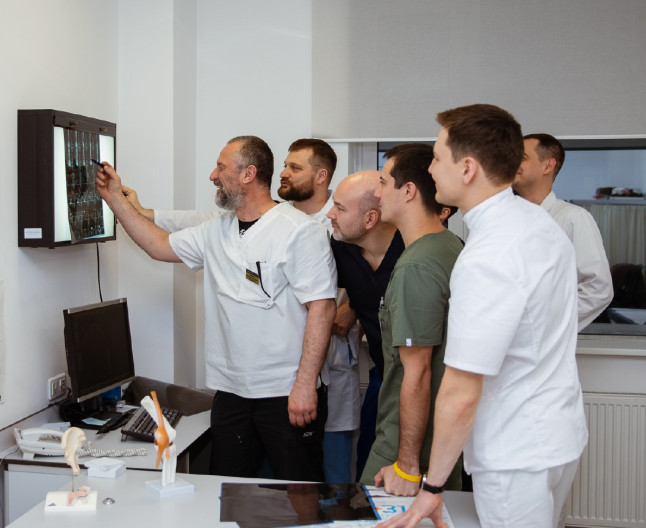
















Our clinics


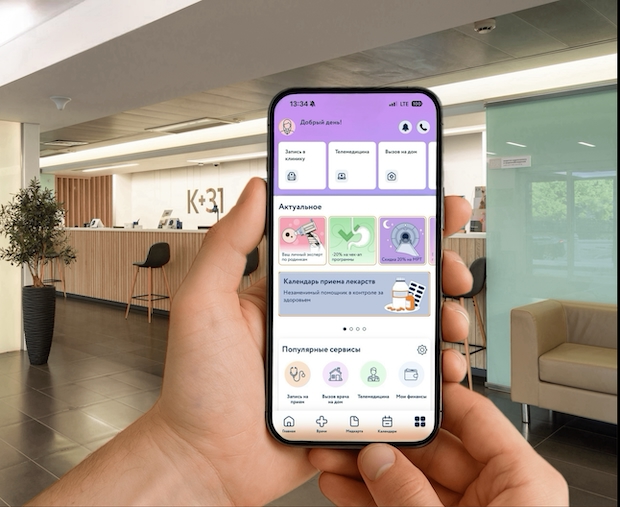
Application “Personal Account K+31”












What is accommodation and why do we test it?
Ocular accommodation is the ability of the visual system to quickly change focus when shifting gaze from distance to near and back. This process is controlled by the lens and muscles within the eye.
When a person reads, works at a computer, or looks at a phone, the visual analyzer constantly maintains focus at a close distance. Under increased strain, focusing efficiency changes. This is why accommodation diagnostics are becoming an important part of modern ophthalmological examinations.
How does eye accommodation work?
When a person looks into the distance, the muscles relax. As soon as they shift their gaze to a closer object, the lens changes shape, and the focusing system becomes more active.
If this mechanism becomes unstable, complaints of visual fatigue, decreased image clarity, and asthenopia arise. Sometimes it's difficult for a patient to read or work with documents for long periods without feeling strained.
Why it's important to identify problems early
Today's eye strain is significantly higher than it was a few years ago. Computer work, online learning, and constant use of gadgets create conditions in which focusing problems are becoming increasingly common.
If symptoms are not addressed promptly, the condition can progress. This is especially true for children, adolescents, and patients with myopia.
Based on diagnostic data, the doctor evaluates the accommodation capacity, reserve, and resilience of the visual system to stress. This helps determine further monitoring or correction strategies.