
Myopia (nearsightedness): diagnosis, monitoring and vision correction
Myopia is a condition in which a person sees clearly up close but has difficulty distinguishing objects at a distance. It's commonly known as nearsightedness and is very common, especially in children and those who spend a lot of time working in front of a screen. Don't delay diagnosis: it's important to choose the right correction and monitor your vision.
Next, we'll explain how we help maintain clear vision and slow down its progression.

specialists

equipment

treatment




What is myopia and why does it develop?
With nearsightedness, the image focuses not on the retina, but in front of it. Therefore, distant objects appear blurry, while close ones remain clear. Most often, this is due to the fact that the eyeball is slightly longer than normal.
Myopia can be congenital, but usually develops during the school years and can gradually worsen. The degree can be:
- Weak
- Moderate
- High
The choice of correction and observation tactics depend on it.
How blurry distance vision occurs with nearsightedness
In a healthy eye, light rays focus precisely on the retina, resulting in a sharp image. When the eye is elongated or the optics are too powerful, the focus shifts forward. This causes blurry vision in the distance and forces a person to squint to sharpen the image.
Sometimes blurriness is not caused by myopia itself, but by accommodation spasm—a temporary overstrain of the focusing muscle. It is important to distinguish this from true myopia. A pupillary dilation test helps make this distinction.
The main causes and risk factors: heredity, stress, lifestyle
Heredity plays a major role: if parents have myopia, the child's risk is higher. High visual load near the eyes—studying, reading, and constantly using gadgets—also contributes. Insufficient daylight and limited time outdoors also play a role.
In adults, prolonged screen time and eye strain contribute to the progression of myopia. The combination of heredity and stress increases the likelihood of myopia progression. Therefore, prevention and control are so important from childhood.
How is myopia diagnosed?
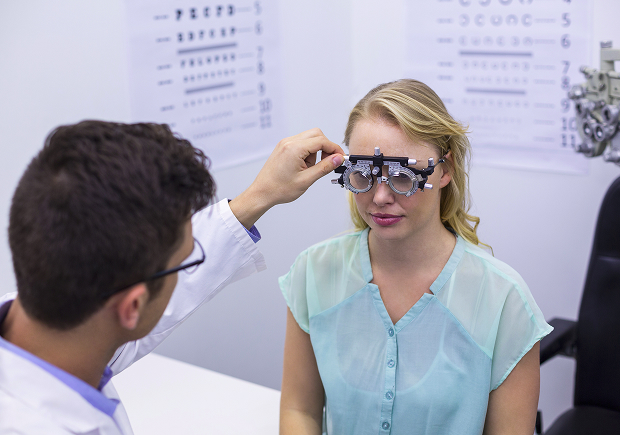
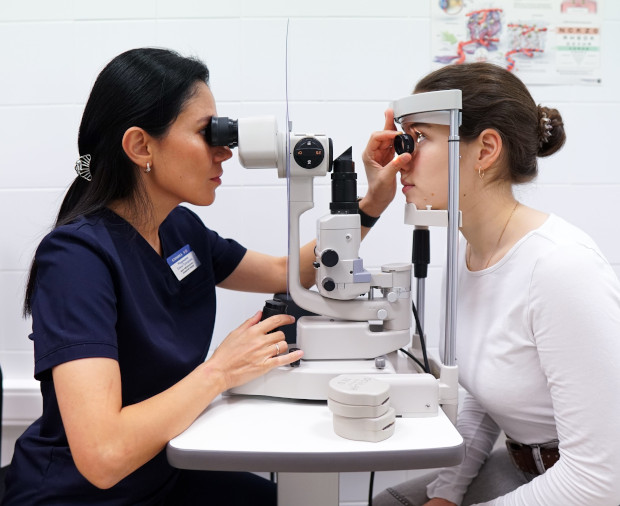
Myopia diagnosis is necessary both for the selection of glasses and to assess its progression. We examine vision and eye health to understand the degree and cause. Let's look at the main steps.
Visual acuity and refraction test
First, the doctor checks visual acuity using a chart and determines refraction—the optical power of the eye. This indicates the severity of myopia. Based on this data, preliminary correction is selected.
Autorefractometry, cycloplegia, and other tests
Autorefractometry measures refraction using a device and speeds up the examination. In children, cycloplegia—temporary relaxation of accommodation with drops—is additionally used. This helps distinguish true myopia from accommodation spasm and provides more accurate measurements.
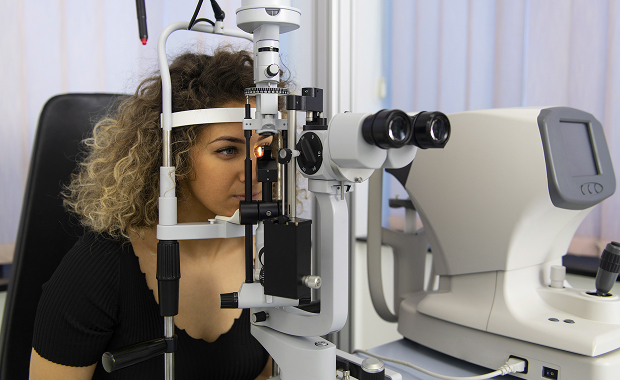
Fundus examination and retinal assessment
The doctor examines the fundus and evaluates the retina. With high myopia, the retina stretches, and it is important to notice its thinning early. This examination reduces the risk of missing dangerous changes.
When additional examinations are needed
If myopia is rapidly increasing or there are complaints of flashes and floaters, additional tests are prescribed. Sometimes the axial length of the eye is measured to monitor progress. The doctor determines the scope of the examination individually.
What methods of myopia correction and control do we select?
| Method | Suitable for | Advantages | Limitations |
|---|---|---|---|
| Glasses | For adults and children | Simplicity, safety | May fog up, limit side vision |
| Contact lenses | For active patients | Wide field of view, comfortable movement | Requires maintenance, sometimes Dryness |
| Orthokeratology | For children and adults, as indicated | Correction during sleep, freedom during the day | Requires adaptation and doctor's supervision |
Glasses: A basic and reliable option
Glasses are the simplest and safest method of correction. They are suitable for both adults and children and are easily replaced as vision changes. The downsides include fogging and limited side vision. However, glasses do not contact the eye and are suitable for almost everyone without restrictions. They are easy to replace as vision changes.
Contact lenses: comfort for an active lifestyle
Contact lenses provide a wide field of view and are comfortable for movement and sports. They are ideal for active people who find glasses cumbersome. However, they require daily care and hygiene. If the lenses become dry or irritated, it's best to put them away for a while and consult a doctor. A specialist can help select the appropriate type and wearing schedule, as everyone has unique eye characteristics.
Orthokeratology and other modern solutions
A separate method is orthokeratology, which involves wearing special lenses at night. During the day, a person sees clearly without glasses, and this method helps slow the progression of myopia in children. It is not suitable for everyone and requires medical supervision.
How we choose a method based on the degree of myopia and the patient's goals
We select a method based on the degree of myopia, age, and lifestyle. For a child with increasing myopia, monitoring progression is important, while for an active adult, comfort is key. We make the decision together with the patient after diagnosis.
General information
Why is it important to monitor the progression of myopia?
Myopia itself is dangerous, but rather its growth and complications at high levels. Therefore, a one-time correction is not enough – monitoring over time is essential. Let's look at why this is so.
Why is high myopia dangerous?
At high levels, the eye is greatly elongated, and the retina is thinned and stretched. This increases the risk of future retinal tears and detachments. Therefore, the condition of the retina in people with severe myopia is monitored especially closely.
Regular fundus examinations help detect thinning and weak spots early. If necessary, the doctor recommends preventative retinal strengthening.
How often should an ophthalmologist checkup be done?
Adults with myopia usually only need a routine annual examination. Children with increasing myopia require more frequent monitoring, as scheduled by their doctor. Regular monitoring helps adjust treatment strategies in a timely manner.
What helps reduce the risk of complications
Proper correction, monitoring of progression, and reasonable visual load help reduce risks. Walks in daylight and breaks from near work are important. Myopia treatment in some cases includes methods to monitor progression, as determined by the doctor.
FAQ
Short answers to the questions most frequently asked during appointments.
Are myopia and nearsightedness the same thing?
Is it possible to stop the progression of myopia?
Which is better for myopia: glasses or contact lenses?
When should you see an ophthalmologist?
What do diopters indicate for myopia?
Can myopia coexist with astigmatism?
Does progressive myopia occur in adults?

Russian Ministry of Health, clinical guidelines on myopia: https://cr.minzdrav.gov.ru/search?q=миопия
Russian Society of Ophthalmologists: https://www.ophthalmology.ru/
Russian ophthalmology portal / articles on ophthalmology: https://eyepress.ru/
CyberLeninka - scientific publications in Russian on the topic of myopia: https://cyberleninka.ru/search?q=myopia
Russian Medical Journal - search by topic: https://www.rmj.ru/search/?q=myopia
Our doctors

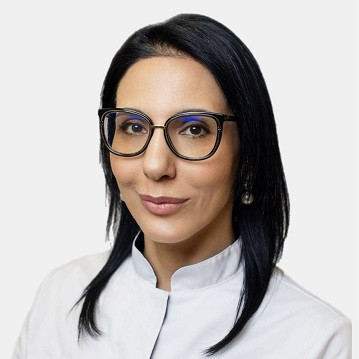
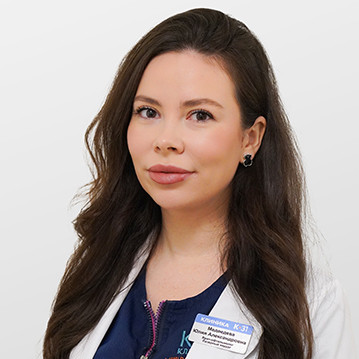
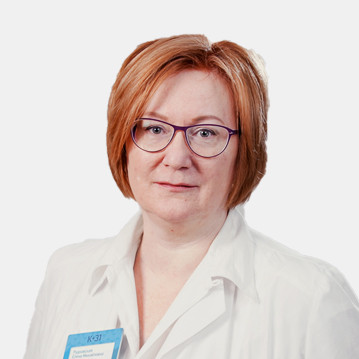

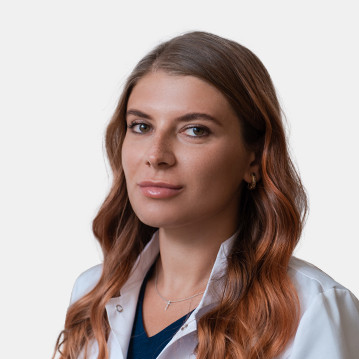
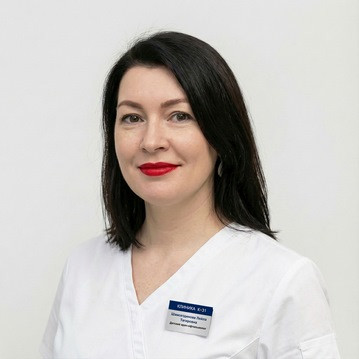
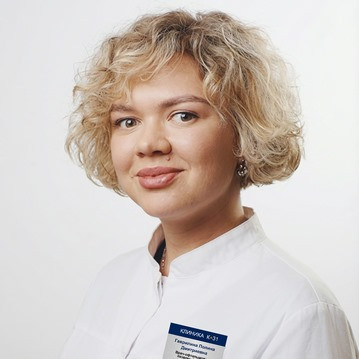
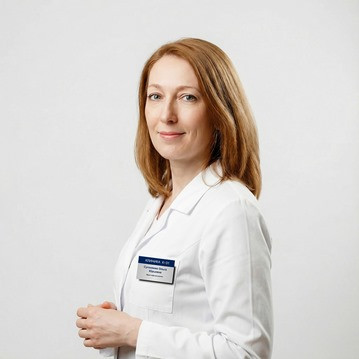

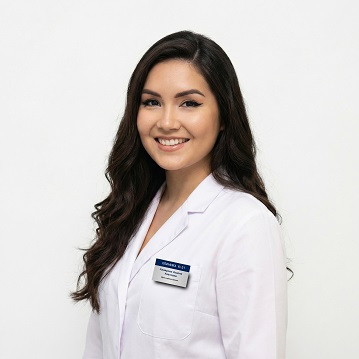




This award is given to clinics with the highest ratings according to user ratings, a large number of requests from this site, and in the absence of critical violations.

This award is given to clinics with the highest ratings according to user ratings. It means that the place is known, loved, and definitely worth visiting.

The ProDoctors portal collected 500 thousand reviews, compiled a rating of doctors based on them and awarded the best. We are proud that our doctors are among those awarded.
Make an appointment at a convenient time on the nearest date
Price
Other services

Appointment to the doctor
Reviews
Our clinics


Application “Personal Account K+31”











How to recognize myopia
Myopia develops gradually, and a person doesn't always immediately notice its deterioration. There are several typical signs that may indicate its development. Let's look at them in adults and children.
First symptoms in adults
Adults notice that their vision into the distance is impaired: signs, license plates, and distant faces become blurred. They develop a habit of squinting, their eyes become tired by evening, and sometimes they experience headaches. They often want to hold the screen or book closer.
In the evening, after working at a monitor, their eyes become more tired, and clarity deteriorates even more noticeably. Many attribute this to fatigue and put off visiting a doctor.
How does myopia manifest in children and adolescents?
Myopia in children is often noticeable by their behavior: they move too close to the television, squint, and bend over their notebook. At school, they have difficulty seeing the board. These signs are a reason to have their vision checked by an ophthalmologist.
Myopia in children often progresses as their eyes grow. Therefore, regular examinations and monitoring are especially important. The earlier growth is noticed, the greater the chances of slowing it down.
When vision deterioration can't be ignored?
A rapid decline in vision over a short period of time should be a warning sign. Flashes, "floaters," a veil-like sensation, or a sudden deterioration in one eye are alarming. This is a reason to see a doctor immediately, as myopia itself is not always the cause.