Photorefractive Keratectomy (PRK) in Moscow

When glasses or contact lenses begin to interfere with work, driving, and everyday visual activities, patients often consider laser vision correction.

At K+31, photorefractive keratectomy and PRK in Moscow are performed only after a thorough diagnosis. The doctor evaluates the thickness and shape of the cornea, the condition of the tear film, refraction, and any potential limitations.

This approach helps determine whether vision correction is safe for a particular patient.

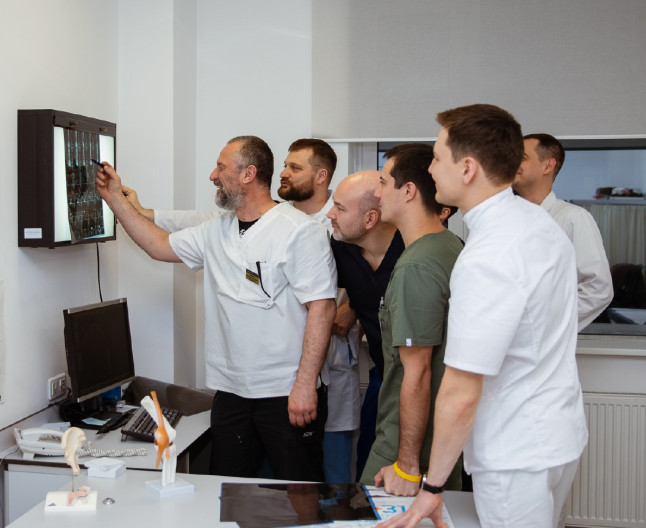
Best specialists
Best
specialists
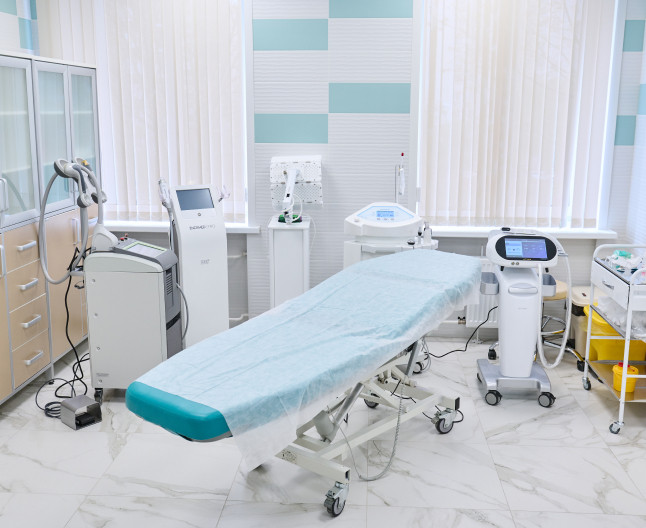
Expert equipment
Expert
equipment
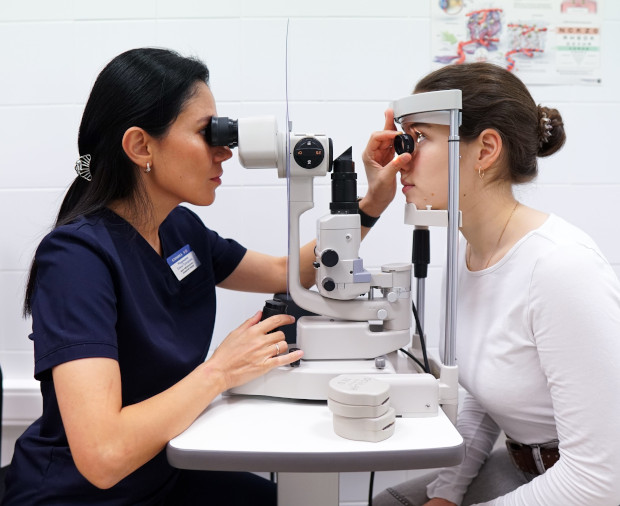
Advanced diagnostic treatment
Advanced diagnostic
treatment
Download the application “Personal Account K+31”
Everything about your health in one click!
Subscribe to social networks K+31
To keep up to date with current offers and receive useful advice about your health.

What is photorefractive keratectomy and how does it help improve vision?

Photorefractive keratectomy is a superficial laser procedure. The doctor removes the corneal epithelium and then performs precise reshaping. After reshaping the cornea, light is focused closer to the desired area of ​​the retina.

This laser vision correction helps reduce dependence on glasses and contact lenses.

PRK Principle

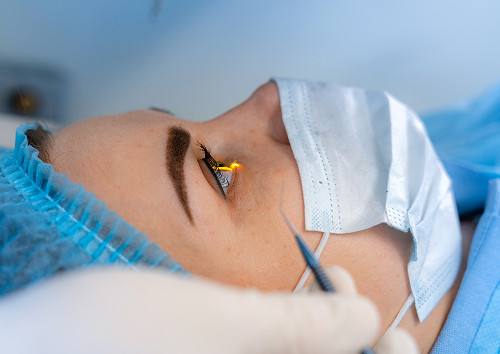
With PRK, the surgeon does not create a corneal flap. After surface preparation, superficial ablation is performed: an excimer laser vaporizes a microscopic volume of tissue according to a program. Finally, a bandage lens is placed on the eye to protect the cornea during the healing phase.

Myopia occurs because light rays are concentrated in front of the retina rather than on it. Therefore, distant vision becomes blurred:

  • It is difficult to distinguish license plates.
  • Distant faces
  • Text on a screen or road signs

Astigmatism causes uneven focusing because the cornea or lens refract light differently in different directions. Because of this, the image may be distorted even in good lighting.

Before laser correction, the doctor checks whether the corneal optical power can be safely changed.

How does PRK differ from other laser vision correction methods?

The difference between PRK and LASIK is related to how the doctor accesses the laser treatment area.

  • LASIK creates a corneal flap.
  • With PRK, the procedure is performed from the surface of the cornea, after removing its epithelial layer.

Therefore, healing usually takes longer, but the cornea does not undergo the flap creation phase.

In clinical situations where maintaining its biomechanical stability is important, surface laser correction may be a more appropriate option. After diagnosis, excimer laser correction is selected not by the method name, but based on the condition of the individual patient's eye.

Who is PRK suitable for?

PRK is considered in adult patients when vision remains stable and there are no signs of refractive error progression. The doctor evaluates the method for myopia, astigmatism, and mixed refractive errors, if diagnostic data allows for safe corneal manipulation. The following are important:

  • Corneal thickness
  • Corneal shape
  • Tear film condition
  • Overall eye health

The prognosis after correction depends on the initial parameters and how closely the patient adheres to the prescription during the recovery period.

Indications for photorefractive keratectomy

Indications for PRK are determined by more than just a single number in the eyeglass prescription. The doctor considers the patient's complaints, corneal thickness, corneal topography data, refractive stability, and the condition of the ocular surface.

This method is often considered if LASIK or SMILE are not the best option. In this situation, photorefractive keratectomy allows for correction without creating a flap.

Before the procedure, it is important to determine whether the eye is ready for the procedure. Typically, the doctor includes the following steps in preparation:

  • Ophthalmologist consultation
  • Visual acuity test
  • Corneal topography
  • Corneal pachymetry
  • Evaluation of contraindications

After the diagnosis, the patient receives a clear plan. The doctor explains whether the surgery is suitable.

When we recommend considering another method

Even with a strong desire, PRK is not suitable for everyone. The doctor may suggest an alternative option if refraction is unstable, there is severe dry eye syndrome, inflammation, or keratoconus is suspected. Contraindications to PRK are discussed calmly and in detail during the consultation.

Sometimes the doctor recommends not rushing the surgery. First, you need to:

  • Remove the inflammation
  • Normalize the tear film
  • Check the associated risks with another specialist

Once the time constraints are lifted, the laser correction can be reconsidered.

General information

Advantages of PRK as a Vision Correction Method

PRK remains in demand, despite the emergence of newer technologies in ophthalmology. This method does not involve the creation of a corneal flap. For some patients, this type of vision correction offers a balance between effectiveness and tissue preservation.

Why PRK is Chosen for Thin Corneas

If a patient has a thin cornea, the doctor carefully calculates the residual tissue thickness after surgery. With flap techniques, a portion of the cornea is used to create a flap.

With PRK, a flap is not created, so the conditions may sometimes appear more favorable. However, the decision depends on corneal topography, pachymetry, and corneal shape analysis.

A thin cornea does not automatically mean surgery is possible. Sometimes excimer laser correction is possible, but sometimes another method of vision correction is safer.

When is this method especially convenient for the patient?

This method is often discussed with people for whom the strength of the superficial structures of the eye is important:

  • Active sports
  • Professions with risk of injury or stress
  • Where a corneal flap is undesirable

If the patient is prepared for a more gradual healing process and follows the instructions, laser vision correction can be comfortable in the long run. The doctor explains the restrictions and follow-up visits in advance.
Advantages of PRK as a Vision Correction Method

How the procedure is performed at our K+31 clinic

At K+31, patients complete the entire process from consultation to postoperative follow-up in a single clinical setting. We don't schedule surgery without a vision assessment and a discussion of expectations. The doctor explains the procedure steps and schedules follow-up appointments in advance.

Preliminary vision assessment

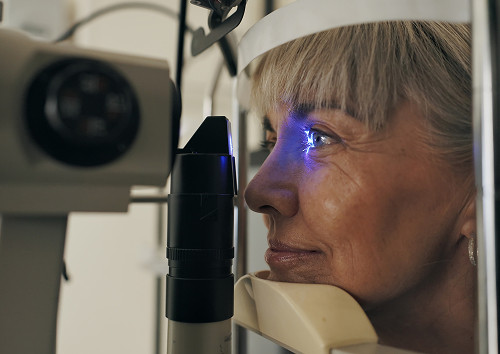
The preoperative assessment takes longer than the laser procedure itself. The doctor checks:

  • Visual acuity
  • Refraction, corneal condition
  • Intraocular pressure
  • Fundus
  • Tear film quality

Keratotopography shows the shape of the cornea, and pachymetry measures its thickness. If necessary, the ophthalmologist prescribes additional tests.

During the consultation, we discuss the patient's lifestyle: screen time, night driving, sports, injuries, medications, and contact lens wear history. PRK in Moscow at K+31 is performed only after this review.

Photorefractive Keratectomy Stages

On the day of the surgery, the patient meets with the doctor and receives brief instructions. The eye is anesthetized with drops, so there is usually no significant pain.

The surgeon then prepares the corneal surface and performs laser treatment according to a customized program. Photorefractive keratectomy is completed with the placement of a bandage lens.

After the procedure, the doctor examines the cornea, explains the drop regimen, and schedules the next follow-up appointment. The patient goes home with clear restrictions.

What the patient feels during and after the procedure

During the procedure, touch, light, and pressure from the eyelid speculum are typically felt. After the anesthesia wears off, tearing, photophobia, burning, and a foreign body sensation may occur. These reactions are expected in the first few days.

The patient should use the prescribed eye drops, avoid rubbing the eyes, dust, bright light, and self-medication. If there is a sudden deterioration in vision, severe pain, or unusual discharge, contact the doctor.

How the procedure is performed at our K+31 clinic

Recovery after PRK

Recovery after PRK is slower than after some other laser procedures. In the first few days, the main goal is epithelial healing and reducing discomfort. Vision may fluctuate, so it should be monitored by a doctor.

First Days After the Procedure

The first few days are usually the most sensitive. Possible side effects:

  • Photophobia
  • Tearing
  • Sensation of sand
  • Fogging
  • Eye fatigue

A bandage lens protects the corneal surface while healing occurs. Once the epithelium has healed, the doctor removes the lens.

During this period, it is best to reduce visual strain. Avoid prolonged computer work, driving, or unsupervised travel. Care is required in the postoperative period.

Doctor's Recommendations for the Recovery Period

After surgery, the patient receives a prescription for eye drops and daily restrictions. These reduce the risk of inflammation, support healing, and protect the eye from irritation. The doctor typically asks the patient to follow a few rules:

  • Avoid rubbing your eyes
  • Use the drops as prescribed
  • Attend your checkups
  • Avoid swimming pools and saunas
  • Protect your eyes from the sun

It's best to adhere to the restrictions completely, even if your condition improves quickly. If an unusual reaction occurs, only the doctor can change the prescription.

When can you return to work, exercise, and your usual routine?

The timeframe for returning depends on your profession, visual stress, and the rate of epithelial recovery. Some patients resume office work within a few days, but photophobia may require longer. Sports, swimming, saunas, and contact loads are usually restricted for longer.

Recovery after PRK doesn't end when pain or discomfort subsides. Vision stabilizes gradually. Monitoring helps ensure a safer postoperative period.

Recovery after PRK

Why patients choose K+31

Patients come to K+31 when they want a clear examination, treatment, and monitoring plan for vision restoration. We explain examination results, discuss limitations, and don't promise the same outcome for everyone. For us, vision correction is part of refractive surgery.

Modern diagnostics and a personalized treatment plan

Before surgery, we evaluate visual acuity and other data. The doctor analyzes:

  • Corneal shape
  • Corneal thickness
  • Epithelium condition
  • Tear film
  • Ocular fundus and medical history

If the results are satisfactory, excimer laser correction and the predicted visual outcome are discussed. If the risks outweigh the benefits, the patient receives a frank explanation and alternatives.

A personalized plan includes preparation, the day of surgery, initial examinations, and follow-up. The patient knows in advance when to arrive at the clinic and which drops to use.

Experience of the ophthalmology team and post-procedure support

In refractive surgery, the laser and the doctor's decision before surgery are crucial. The ophthalmologist must determine when intervention is appropriate and when it is best to refuse or postpone the procedure.

"In our practice, PRK is often chosen by patients with thin corneas or vision problems for which the surface technique yields good clinical results. Our task is to select a correction method that is safe for this particular patient," says an ophthalmologist at K+31.

Why patients choose K+31

PRK, LASIK, or SMILE: Which to Choose?

Patients often compare methods based on recovery speed. However, in refractive surgery, corneal thickness, degree of impairment, dry eye, profession, and examination data are all important factors. Below is a general comparison. The final method is determined by the doctor after diagnosis.
Method Flap Reconstruction Who might benefit from it
PRK No Longer With a thin cornea, active lifestyle
LASIK Yes Usually faster With suitable corneal thickness
SMILE No Usually soft For myopia and astigmatism, as indicated
This table does not replace a consultation. Laser vision correction should be selected based on medical data. Therefore, indications for PRK are always assessed individually.

Frequently Asked Questions

Questions before surgery are normal. It's important for patients to understand what they'll feel and why the doctor is recommending this particular method. Below are brief answers to frequently asked questions during the consultation.

Is PRK painful?

During the procedure, the eye is numbed with eye drops, so there is usually no significant pain. After the surgery, you may experience burning, tearing, photophobia, and a foreign body sensation. These sensations are associated with epithelial regeneration. If the pain intensifies, consult a doctor.

How long does recovery after PRK take?

Recovery after PRK is gradual. The most noticeable discomfort often occurs in the first few days, and visual acuity stabilizes later. The time frame depends on the initial data and the corneal response. The doctor evaluates the progress during follow-up examinations.

How does PRK differ from LASIK?

With LASIK, a corneal flap is created. With PRK, the laser stage is performed after the surface layer is prepared, without creating a flap. Therefore, recovery is usually longer, but this method may be preferable for certain corneal conditions.

Who is this method particularly suitable for?

The method may be considered for myopia, astigmatism, thin corneas, and certain occupational or athletic activities. However, one indication alone is not sufficient. The doctor evaluates the cornea's shape, thickness, tear film, and visual stability. Only then can one determine whether PRK is suitable for a particular patient.

Sign up for a consultation

If you're considering laser vision correction in Moscow, start with a diagnosis. This will determine whether the surgery is feasible, which method is safer, and what to expect after the procedure. At K+31, the consultation includes a detailed explanation of the results. The patient receives a medical plan.

Why is it important to undergo a diagnosis before the procedure?

Without a diagnosis, it's impossible to determine whether the cornea can withstand the procedure and which correction method is safer. The doctor examines the thickness, shape, surface of the eye, refractive stability, and associated factors.

Sometimes the examination confirms that photorefractive keratectomy is appropriate. Other times, it suggests that it's better to choose another method or postpone the surgery.

How we help you choose the optimal correction method?

At K+31, we compare options based on medical data, not technology popularity. The patient is explained:

  • The difference between the methods
  • Recovery time
  • Limitations
  • Prognosis

If PRK is suitable, the doctor explains the preparation, surgery, and follow-up visits.

An appointment with an ophthalmologist helps move from doubt to decision. Come for a diagnostic examination at K+31 if you want to understand whether photorefractive keratectomy is right for you and which vision correction method is best suited for your specific situation.

Our doctors
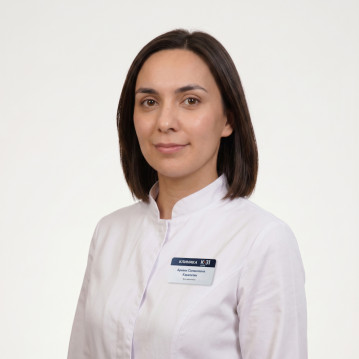
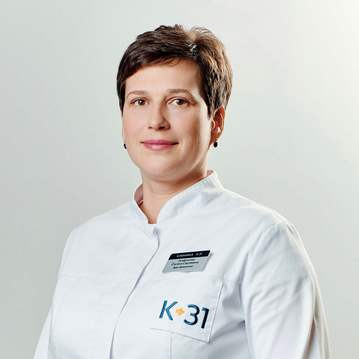
Karapetyan Arevik Samvelovna
Experience 12 years
Make an appointment
Karapetyan
Arevik Samvelovna
Ophthalmologist, Laser Surgeon
Batalina Larisa Vladimirovna
Experience 33 years
Make an appointment
Batalina
Larisa Vladimirovna
Deputy chief physician for ophthalmology, ophthalmic surgeon, leading specialist in laser vision correction
Amiryan Anush Gamletovna
Experience 28 years
Make an appointment
Amiryan
Anush Gamletovna
Ophthalmic oncologist surgeon
Medvedev Yulia Alexandrovna
Experience 11 years
Make an appointment
Medvedev
Yulia Alexandrovna
Ophthalmologist, Laser Surgeon
Rudkovskaya Elena Mikhailovna
Experience 38 years
Make an appointment
Rudkovskaya
Elena Mikhailovna
Ophthalmologist
Tegniryadnova Ekaterina Valerievna
Experience 20 years
Make an appointment
Tegniryadnova
Ekaterina Valerievna
Ophthalmologist, laser surgeon
Fadeeva Victoria Anatolievna
Experience 13 years
Make an appointment
Fadeeva
Victoria Anatolievna
Doctor ophthalmologist, laser surgeon
Shamsetdinova Leila Tagirovna
Experience 17 years
Make an appointment
Shamsetdinova
Leila Tagirovna
Pediatric ophthalmologist
Gavrilina Polina Dmitrievna
Experience 8 years
Make an appointment
Gavrilina
Polina Dmitrievna
Ophthalmologist, laser surgeon
Sugonyaeva Olga Yurievna
Experience 26 years
Make an appointment
Sugonyaeva
Olga Yurievna
Ophthalmologist, laser surgeon
Khlunovskaya Anna Nikolaevna
Experience 8 years
Make an appointment
Khlunovskaya
Anna Nikolaevna
Ophthalmologist
Akhiyarova Azalia Azatovna
Experience 4 years
Make an appointment
Akhiyarova
Azalia Azatovna
Ophthalmologist
Putintseva Polina Andreevna
Experience 6 years
Make an appointment
Putintseva
Polina Andreevna
Ophthalmologist
Agafonova Oksana Sergeevna
Experience 21 year
Make an appointment
Agafonova
Oksana Sergeevna
Ophthalmologist, pediatric
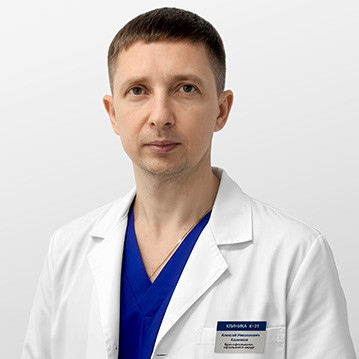
Kazennov Alexey Nikolaevich
Experience 19 years
Make an appointment
Kazennov
Alexey Nikolaevich
Ophthalmologist, ophthalmologist-surgeon
Petrova Maria Grigorievna
Experience 14 years
Make an appointment
Petrova
Maria Grigorievna
Ophthalmologist, ophthalmic surgeon
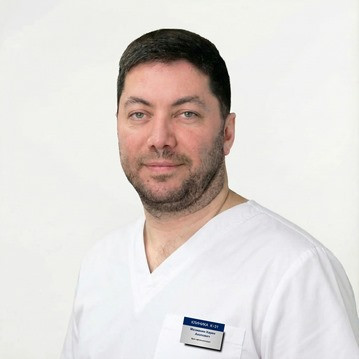
Mazmanyan Karen Akopovich
Experience 28 years
Make an appointment
Mazmanyan
Karen Akopovich
Ophthalmic surgeon
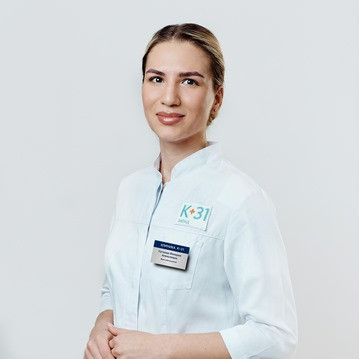
Suchkova Valeria Alekseevna
Experience 6 years
Make an appointment
Suchkova
Valeria Alekseevna
Ophthalmologist
Khubieva Salima Aslanbievna
Experience 7 years
Make an appointment
Khubieva
Salima Aslanbievna
Ophthalmologist, laser surgeon
Rytik Nina Petrovna
Experience 15 years
Make an appointment
Rytik
Nina Petrovna
Ophthalmologist
All specialists
2GIS Award
2GIS Award

This award is given to clinics with the highest ratings according to user ratings, a large number of requests from this site, and in the absence of critical violations.

«Good place» according to Yandex

This award is given to clinics with the highest ratings according to user ratings. It means that the place is known, loved, and definitely worth visiting.

Our doctors are laureates of the ProDoctors Award

The ProDoctors portal collected 500 thousand reviews, compiled a rating of doctors based on them and awarded the best. We are proud that our doctors are among those awarded.

Make an appointment at a convenient time on the nearest date

Price

Reception
Price
Initial Ophthalmologist Appointment
from 6 450 ₽
Corneal Collagen Crosslinking with Ultraviolet Irradiation
from 52 500 ₽
Femtosecond Laser-Assisted Intrastromal Segment Implantation
from 200 000 ₽

Other services

Laser vision correction Phacoemulsification of cataract with IOL implantation of any complexity Vitreoretinal surgeries of any complexity (vitrectomy) Laser photocoagulation of the retina during tears and degenerative changes in the retina Laser photocoagulation for diabetic retinopathy Intravitreal administration of Anti-VEGF drugs, hormonal implants Antiglaucomatous operations using various drains YAG laser dissection of the posterior capsule for secondary cataract Cataract treatment Treatment of glaucoma Retinal dystrophic changes Vitreous pathology Injury to the eye Post-traumatic and postoperative complications Myopia treatment Farsightedness Treatment of astigmatism Retinal disinsertion Non-contact laser procedure SMARTSURFACE Keratoplasty Femto SUPER LASIK Laser coagulation of the retina of the eye treatment on Ellex Integre Pro Scan Treatment of the retina with the Navilas laser system Femtolaser Cataract Removal Selection of children's night lenses Laser vision correction Clear Офтальмолог-онколог в Москве Treatment of keratoconus Laser coagulation of the retina Refractometry Retrobulbar injections Restoration of vision Lacrimal ducts Eye wash Synoptophore Forbis ESOM Pediatric ophthalmologist Ophthalmologist Glasses Biomicroscopy Night lenses Photo of an eye Eyelid suturing Selection of lenses Retinal laser Vision test Vitrectomy Vitrectomy Vitrectomy Eye pressure Ophthalmoscopy Fundus Gonioscopy Discision Orbitotomy Ophthalmodiagnostics OCT of the optic disc Keratoplasty Crystalline lens replacement Lacrimal duct Eye biometrics Angle of strabismus Lacrimal point IOL implantation Heterophoria Refraction Needling pillows Sclerectomy Micropulse laser Eyelid massage Intravitreal injections Iridoplasty Accommodation Bacterial culture Ophthalmology Cyclophotocoagulation Laser trabeculoplasty Laser stimulation Makdel Iridotomy Goniopuncture Corneal crosslinking Perimetry Pachymetry Angio-OCT Tubular test Color vision Convergence test Autofluorescence Eye mobility Corneal diagnostics Corneal transplant Skiascopy Strabismus Injection in the eye Tonometry Schirmer's test Trabeculotomy Diaphanoscopy Foreign body Foreign body Eyelid neoplasms Retinal tear Pterygium Chalazion Pneumatic retinopexy Glaucoma Ultrasound of the eye Eye biometrics Improving vision Cataract removal An attack of glaucoma Night lenses Eyelid ptosis Vision correction Angiography of the eye Retinoblastoma Laser coagulation Orbital exenteration Evisceration of the eye Exophthalmometry PresbyLasik Removal of the lens Retinal thrombosis Nystagmus Lacrimal duct Eye removal Optic nerve Eyelash removal Neoplasms of the eyelids Myopia Autorefractometry Anti-VEGF Iris melanoma Glaucoma treatment AMVO-01
Make an appointment

Appointment to the doctor

Fill out the form, our managers will contact you within 15 minutes

Reviews

The reception was professional and unobtrusive. Additional examinations and diagnostics were carried out using modern equipment. During the consultation and examination, Polina Dmitrievna explained everything in detail and intelligibly, gave me clear recommendations, and answered all questions in detail. Polina Dmitrievna is a polite, attentive and simply amazing doctor. The clinic as a whole enjoys the atmosphere, responsiveness of the staff and the professionalism of the specialists.
11.07.2026
Nikolay K.
Rudkovskaya E.M. is an excellent doctor, if you need an ophthalmologist, I go to her. A very competent specialist. Explains everything by diagnosis. Comprehensively evaluates the condition, checking all the parameters.
11.07.2026
Vera S.
Wonderful doctor!
10.07.2026
Natalya P.
An excellent specialist. I am very pleased with the reception. Thanks to the doctor
08.07.2026
Svetlana U.
I would like to express my sincere gratitude to all the staff of the K+31 clinic. Special thanks to the doctors of the ophthalmology department, Ekaterina V. Tegniryadnova, who has been seeing me for a long time, and Maria Grigorievna Petrova, who operated on me for a lens replacement. Everything went great! I would also like to mention the work of Diana's ophthalmology manager. I received comprehensive and timely answers to all my questions. THANK you so much to all of you!
I am very pleased with the reception, smart doctor, thank you By +31.
26.06.2026
Irina T.
The Miracle Doctor
24.06.2026
Anush D.
Почему К+31?
К + 31 — full-cycle multidisciplinary medical centers, including the possibility of providing medical services of European quality level.
К + 31 — are leading doctors and diagnostics using high-tech equipment from world manufacturers (Karl Storz, Olympus, Siemens, Toshiba, Bausch&Lomb, Technolas, Zeiss, Topcon).
К + 31 — is ethical. The staff of K+31 clinics maintain open relationships with patients and partners. An individual approach to each patient is the basis of our service standards.
К + 31 — is modernity. On call 24/7: call center operators will answer your questions at any time and book you an appointment with doctors. Contact us by phone, through the feedback form on the website and Max.

Our clinics

Address K+31 Lobachevskogo 2

st. Lobachevskogo, 42/7

Contacts

+7 499 999-31-31

Opening hours

Mon-Fri: 08:00 – 21:00
Weekend: 09:00 – 19:00

Address K+31 on Lobachevskogo

st. Lobachevskogo, 42/4

Contacts

+7 499 999-31-31

Opening hours

Mon-Fri: 08:00 – 21:00
Weekend: 09:00 – 19:00

Address K+31 Petrovskie Vorota

1st Kolobovsky pereulok, 4

Contacts

+7 499 999-31-31

Opening hours

Mon-Fri: 08:00 – 21:00
Sat-Sun: 09:00 – 19:00

Address K+31 West

Orshanskaya, 16/2; Ak. Pavlova, 22

Contacts

+7 499 999-31-31

Opening hours

Mon-Fri: 08:00 – 21:00
Sat-Sun: 09:00 – 18:00
K+31 on Lobachevskogo
Didn't find the service you were looking for?

Экстренная помощь