
Exotropia: diagnosis and treatment
Exotropia is a condition in which one eye deviates outward, toward the temple. Medically, it's called exotropia and occurs in both children and adults. The problem affects both appearance and the way both eyes work together.
In this article, we'll explain in detail how to recognize exotropia in loved ones, its dangers, and the treatment methods we use.

specialists

equipment

treatment






Why does divergent strabismus occur?

Causes can be congenital or acquired, and the treatment plan depends on them. Sometimes the problem lies in the functioning of the extraocular muscles, sometimes in vision and general health. Let's look at the main ones.
Congenital causes
Some cases are related to developmental differences that are present from birth. Heredity and disorders of the extraocular muscles play a role here. This type of strabismus in children is noticeable very early, sometimes already in infancy.
Acquired causes in children and adults
The acquired form develops later, due to other causes.
- In children, this occurs with uncorrected visual impairments.
- In adults, it occurs after injuries, nervous system diseases, or vascular problems.
Sometimes strabismus in adults appears as a complication of these conditions.
Risk factors and triggering circumstances
Intense visual strain, stress, and general fatigue can trigger this deviation. Differences in the optical quality of the two eyes, known as anisometropia, can also play a role. Fatigue can often make a latent form of this condition manifest.
How to recognize exotropia
Symptoms depend on age and whether the deviation is constant or intermittent. The sooner they are noticed, the easier it is to help. Let's look at the symptoms in children and adults.
Main symptoms in children
The child's eye periodically drifts outward, especially when tired or looking into the distance. The child may squint, close one eye in bright light, and tilt their head. Sometimes, a change in fixation on an object is noticeable.
Main symptoms in adults
Adults more often complain of double vision and rapid onset of visual fatigue. By evening, the double vision becomes more pronounced, and focusing becomes more difficult. Sometimes, double vision only appears when looking in a certain direction.
When strabismus becomes noticeable to others
At first, the deviation is barely noticeable and only occurs intermittently. Over time, the eye shifts more frequently and more severely, and this is noticeable to others. At this stage, psychological discomfort is often added to visual complaints.
The dangers of delaying a visit to the ophthalmologist
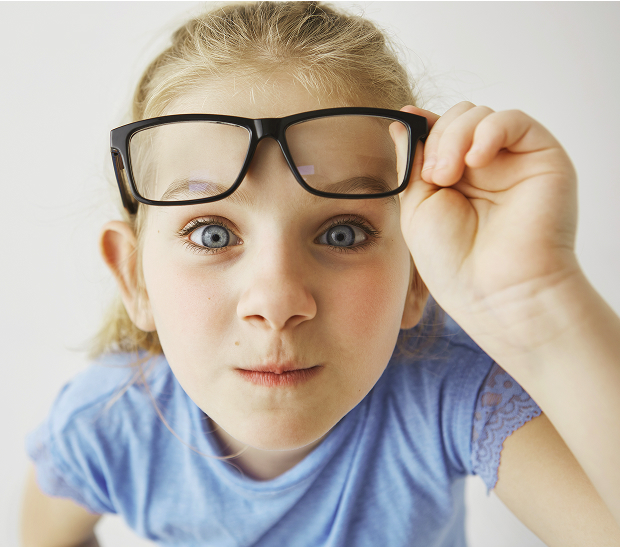
Strabismus affects both appearance and visual function, especially in children. Let's look at the main risks.
Binocular vision impairment
When the eyes look in different directions, the brain has difficulty connecting two images. Binocular vision—the ability to see three-dimensionally and accurately judge distances—is impaired. The longer the deviation persists, the more difficult it is to restore this function.
Amblyopia and visual fatigue
To eliminate double vision, the brain suppresses the image from the squinting eye. Over time, that eye begins to see worse, leading to amblyopia, or "lazy eye." Visual fatigue also increases, as the system is overloaded.
Aesthetic and psychological discomfort
A noticeable misalignment of the eye affects communication and self-esteem. This can make children feel embarrassed and interfere with adults' work. Therefore, treatment addresses both medical and psychological concerns.
General information
How we diagnose
Diagnosing strabismus is necessary to understand the cause of the deviation and the state of vision. We evaluate both the strabismus itself and the function of both eyes together. Let's look at the stages of the appointment.
Initial appointment and examination
First, the ophthalmologist asks about your complaints: when the deviation appeared, how often, and under what conditions. Then, they examine your eyes and evaluate their movements. Even at this stage, the behavior of the squinting eye can be seen.
Determining the angle of strabismus
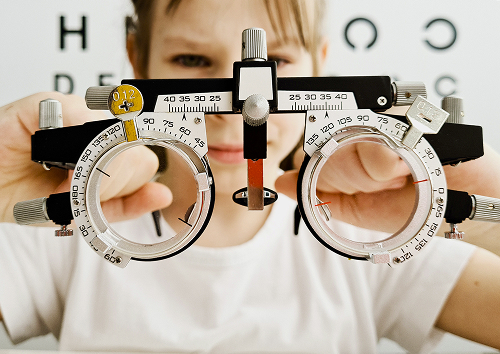
An important step is measuring the angle of strabismus, that is, the magnitude of the deviation. The doctor determines the angle of strabismus in different gaze directions and at different distances. This measurement determines the choice of treatment strategy and the extent of treatment.
Visual acuity and refractive power test
Visual acuity and refraction tests are mandatory for each eye. This helps determine whether there is a problem that is causing the deviation. Accurate refraction is especially important in children.
Evaluation of binocular vision and additional functions
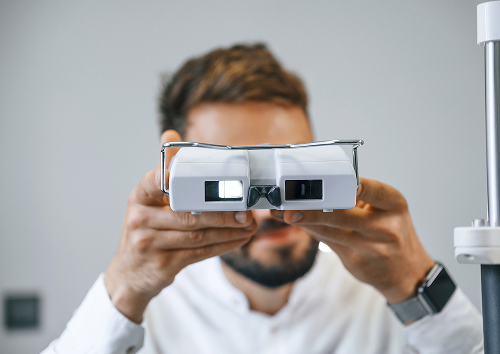
Binocular vision and the ability of the eyes to work together are assessed separately. The doctor checks for fixation, convergence, and the presence of amblyopia. These findings indicate the extent of visual impairment.


FAQ
Short answers to the questions most often asked during appointments.
Are divergent strabismus and exotropia the same thing?
Is it possible to improve eye function through eye training?
Is it possible to cure divergent strabismus without surgery?
Is it dangerous if a child's eye periodically drifts outward?
What's important to check before starting treatment?

Our doctors




















This award is given to clinics with the highest ratings according to user ratings, a large number of requests from this site, and in the absence of critical violations.

This award is given to clinics with the highest ratings according to user ratings. It means that the place is known, loved, and definitely worth visiting.

The ProDoctors portal collected 500 thousand reviews, compiled a rating of doctors based on them and awarded the best. We are proud that our doctors are among those awarded.
Make an appointment at a convenient time on the nearest date
Price
Other services

Appointment to the doctor
Reviews





















Our clinics


Application “Personal Account K+31”












What is divergent strabismus?
Normally, both eyes focus on the same point, and the brain combines the two images into a single three-dimensional image. With this deviation, one eye drifts toward the temple, disrupting this alignment. This causes the brain to receive two different images.
Exotropia in simple terms
Simply put, exotropia is an outward deviation of the eye instead of looking straight ahead. It can be constant or appear intermittently, for example, when tired or looking into the distance. In children, this deviation is especially important to detect early.
How does divergent strabismus differ from other forms?
The deviation can be convergent, when the eye drifts toward the nose, and divergent, when it looks toward the temple. With exotropia, the deviation is directed outward. The direction and magnitude of the deviation determine the treatment strategy.