
Laser Iridectomy (Iridotomy) in Moscow
At our clinic in Moscow, laser iridectomy is performed after a detailed diagnosis and eye assessment. We understand that patients often come to our consultations with anxiety. Many are afraid of the procedure itself, are worried about their vision, and don't fully understand why the procedure is necessary. Therefore, our goal is not only to provide treatment but also to explain in detail why the doctor recommends this approach.
Our team uses modern diagnostic methods, monitors the patient's condition after the procedure, and selects treatment based on the specific structure of the eye. We believe it is important to preserve vision and reduce the risk of dangerous complications that can arise from impaired intraocular fluid circulation.

specialists

equipment

treatment






When do we recommend laser iridectomy?
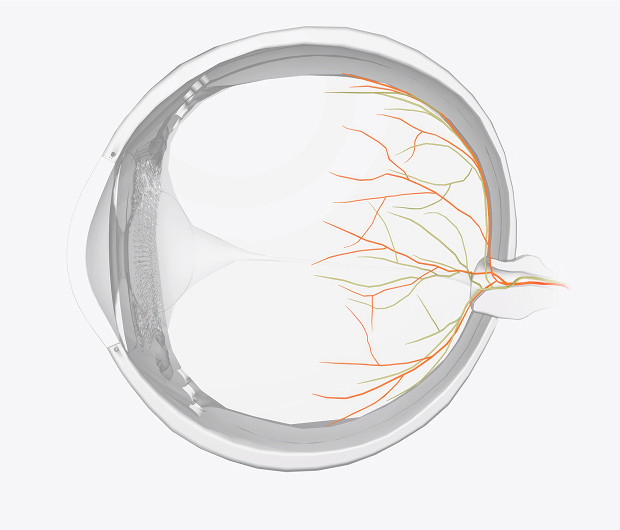
We make treatment decisions only after an examination. To assess the condition of the eye, we perform pressure measurements, fundus examination, gonioscopy, and other tests.
Angle-Closure Glaucoma
One of the main indications is angle-closure glaucoma. With this form of the disease, fluid drainage from the eye is impaired, and pressure can rise sharply and rapidly.
If the patient experiences an acute attack, vision can be affected in a short time. This is why we recommend not delaying treatment and undergoing an examination at the first symptoms.
With angle-closure glaucoma, laser peripheral iridotomy helps reduce the likelihood of a recurrence and stabilize the condition.
Narrow Anterior Chamber Angle
In some patients, a narrow anterior chamber angle is discovered incidentally during a routine examination. A person may not experience symptoms, but the risk of fluid outflow obstruction already exists.

If an ophthalmologist sees a high risk of angle closure, we recommend preventive intervention. This approach helps avoid serious complications in the future.
A narrow anterior chamber angle does not always require urgent treatment, but it does require observation and monitoring.
Prevention of an acute glaucoma attack
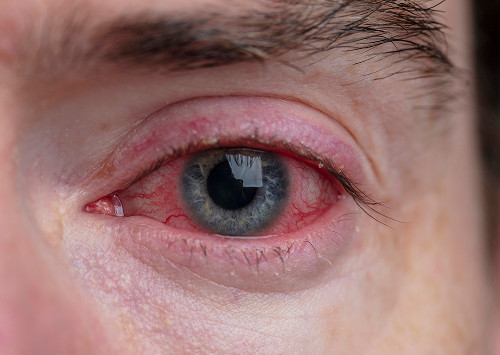
An acute attack is accompanied by severe pain, blurred vision, redness of the eye, and a sharp increase in pressure. This condition requires immediate care.
In such situations, laser iridectomy can be used as a method to prevent recurrent attacks after the condition has stabilized.
We always assess the risks individually and explain to the patient the high risk of deterioration without treatment.
How the procedure is performed in our clinic
Laser iridectomy is performed on an outpatient basis at our Moscow clinic. Following the procedure, patients typically return home the same day.
Preparation for Laser Iridectomy
Before treatment, we conduct a complete diagnostic evaluation. It's important for us to understand the anterior chamber angle, the stability of intraocular pressure, and any associated medical conditions.
Before the procedure, the doctor may prescribe eye drops to prepare the eye for laser treatment. Sometimes medications to constrict the pupil are used.
We also explain in detail to the patient how the treatment will proceed and what sensations they may experience.
Main Steps of the Procedure
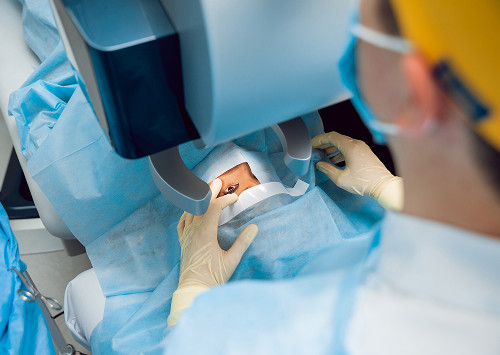
First, the doctor applies local anesthetic. Then, a special lens is placed on the eye. This helps precisely focus the laser.
After this, the ophthalmologist delivers a series of laser pulses into the peripheral part of the iris. The doctor monitors the depth and location of the hole.
In most cases, the procedure takes only a short time. Afterward, the patient remains under observation for a period of time.
We then re-measure the intraocular pressure and provide recommendations.
What does the patient feel during treatment?
Most often, patients do not experience severe pain. Brief flashes of light, a feeling of pressure, or mild discomfort may occur.
Sometimes after the procedure, temporary sensitivity to light or a foreign body sensation may occur in the eye. These symptoms usually resolve on their own.
If the patient is very anxious, the doctor will explain each step of the treatment in detail. This approach helps reduce anxiety.
General information
Recovery after laser iridectomy
Recovery after the procedure is usually quick. Despite the minimally invasive nature of the procedure, the eye requires time to adjust.
What's normal in the first hours and days
In the first few hours, mild blurred vision, sensitivity to light, and moderate discomfort are possible.
Some patients notice redness or a feeling of heaviness in the eye. These symptoms usually resolve within a few days.
During the recovery period after the procedure, it is important to avoid stopping medications on your own and follow your doctor's instructions.
What recommendations do we give after the procedure?
After treatment, eye drops are prescribed to prevent inflammation and control pressure.
We recommend:
- Avoid rubbing your eye.
- Temporarily limit heavy physical activity.
- Follow your medication regimen.
- Attend a follow-up examination.
- Report any unusual symptoms to your doctor.
Proper recovery after the procedure helps reduce the risk of complications and more quickly stabilize the eye's condition.
When should you urgently contact a doctor?
We ask patients to contact the clinic immediately if they experience severe pain, a sudden decrease in vision, severe redness of the eye, or Nausea.
These symptoms are rare, but require a doctor's examination.


Frequently Asked Questions
Is laser iridectomy painful?
How long does the procedure last?
Is there a recovery period?
Does the procedure help prevent an acute attack?
Sign up for a consultation

When to come for an examination and what we'll check
We recommend scheduling a consultation if you're experiencing blurred vision, pressure in the eye, eye pain, or if you've previously been told you're at risk for angle closure.
If laser iridectomy is indicated in Moscow, we'll provide detailed information on preparation, recovery time, and further recommendations.
References
Our doctors





















This award is given to clinics with the highest ratings according to user ratings, a large number of requests from this site, and in the absence of critical violations.

This award is given to clinics with the highest ratings according to user ratings. It means that the place is known, loved, and definitely worth visiting.

The ProDoctors portal collected 500 thousand reviews, compiled a rating of doctors based on them and awarded the best. We are proud that our doctors are among those awarded.
Make an appointment at a convenient time on the nearest date
Price
Other services

Appointment to the doctor
Reviews







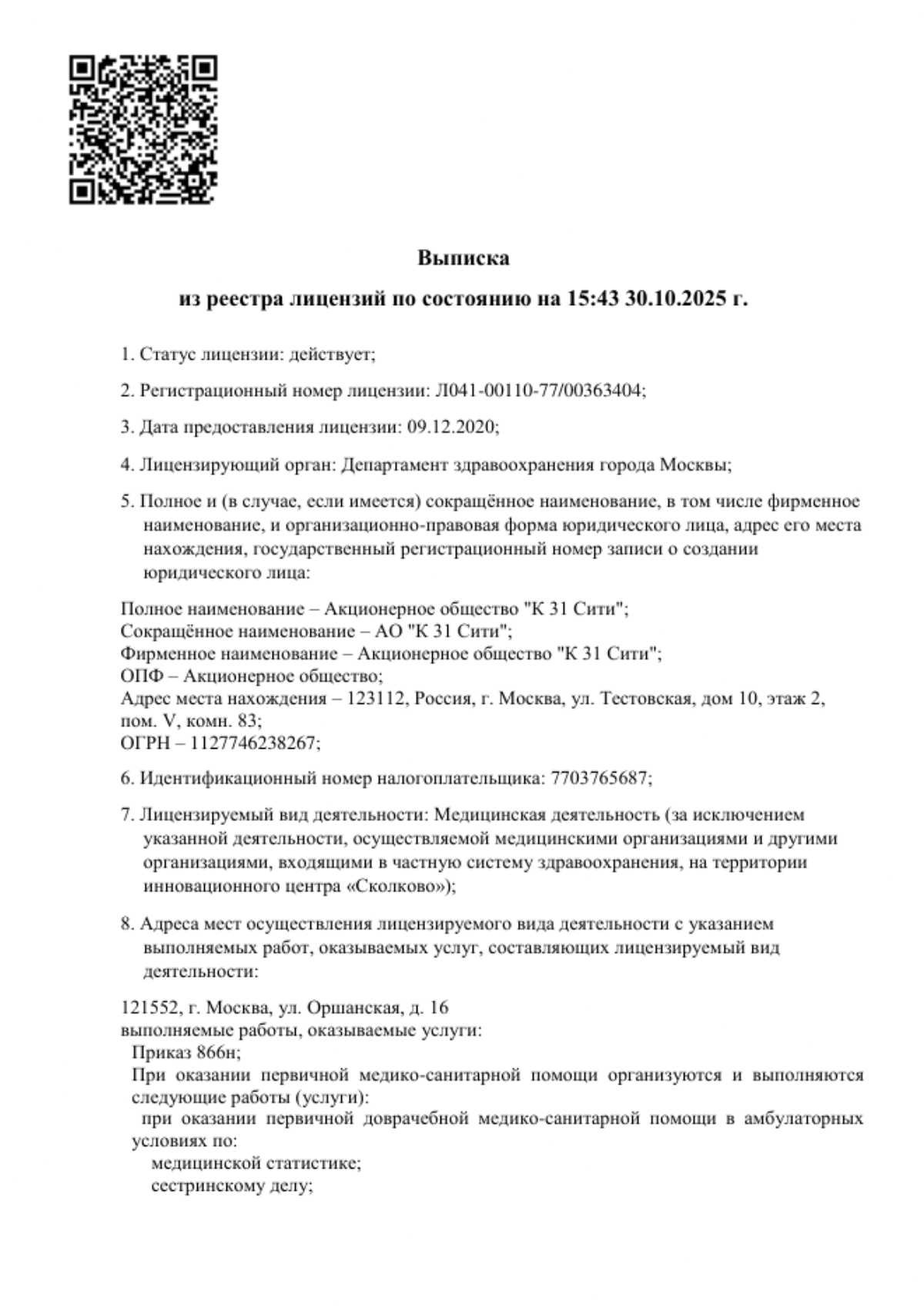
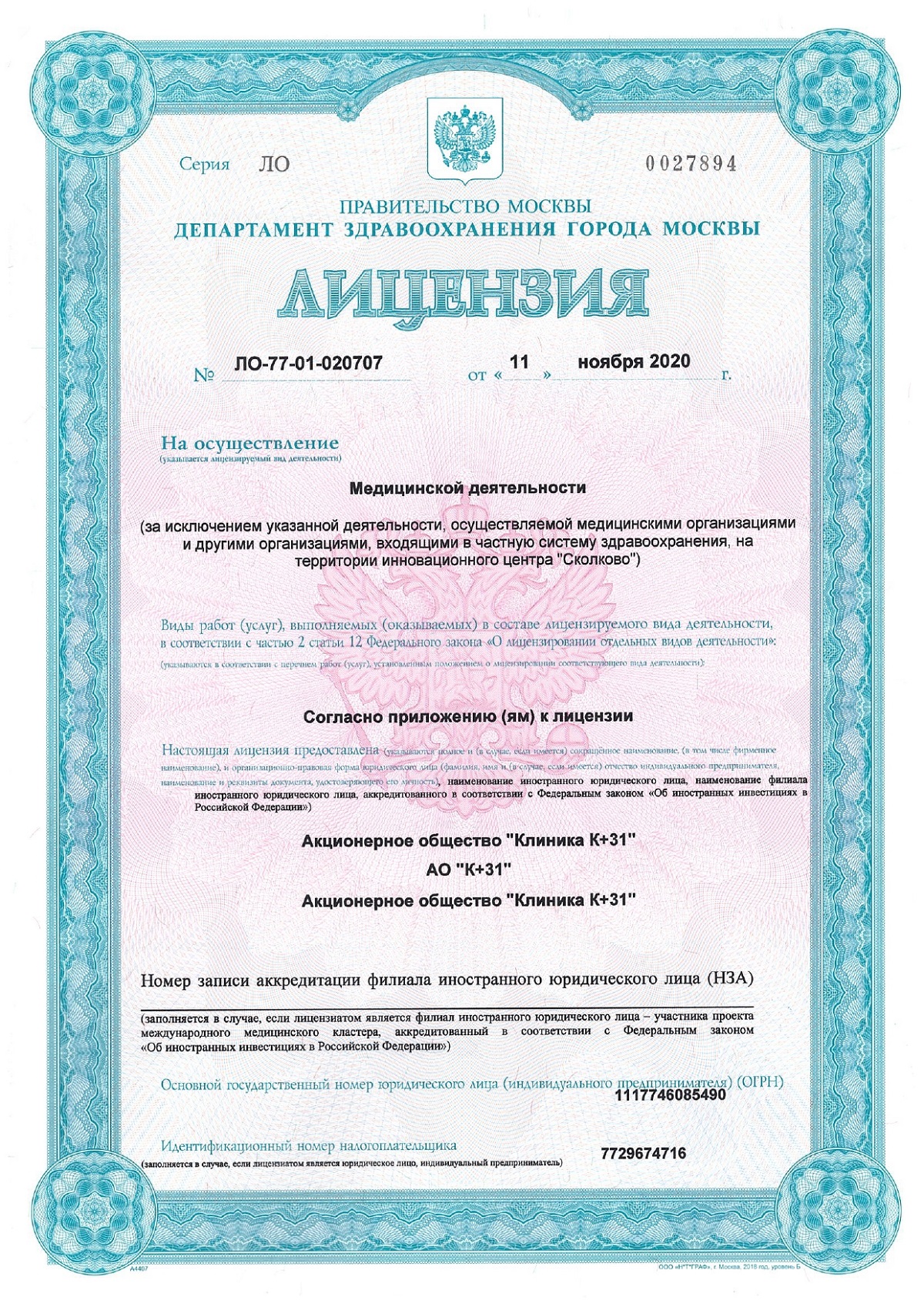


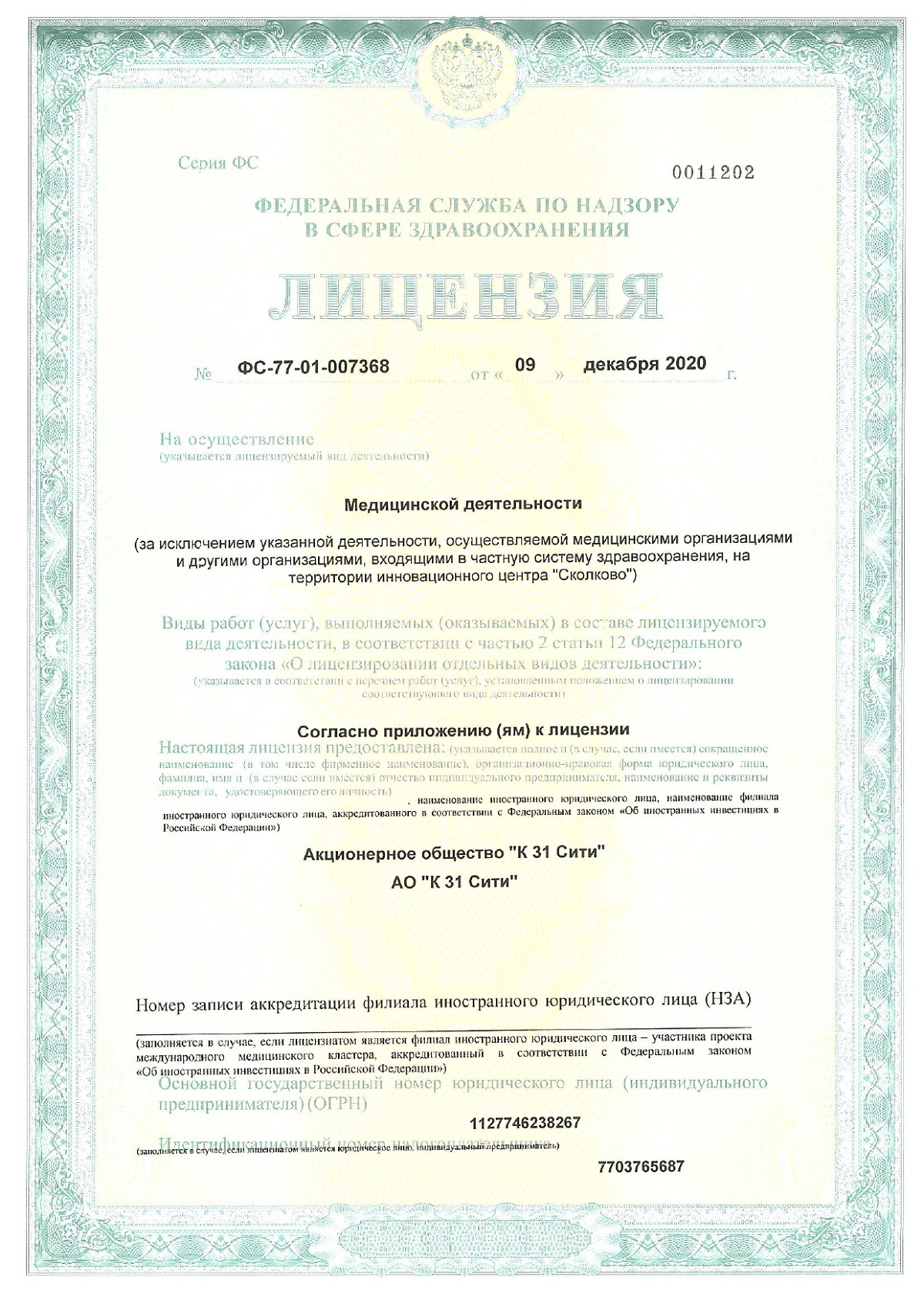
Our clinics


Application “Personal Account K+31”












What is laser iridectomy and why is it needed?
This is a minimally invasive procedure in which the doctor creates a small opening in the peripheral part of the iris. This opening restores normal aqueous humor drainage and reduces the risk of increased intraocular pressure.
This procedure has long been used in ophthalmology. Today, laser treatment is considered one of the main methods for preventing complications in patients with an anatomical predisposition to anterior chamber angle closure.
How the procedure works
Normally, aqueous humor circulates freely between the chambers of the eye. If the iris is located too close to the drainage zone, fluid begins to accumulate. Intraocular pressure gradually increases, and the anterior chamber angle narrows.
During the procedure, the ophthalmologist creates a microscopic opening in the peripheral part of the iris. After this, the pressure between the chambers of the eye is equalized, allowing the fluid to circulate more freely.
Laser peripheral iridotomy helps prevent angle blockage and reduce the risk of optic nerve damage.
What it solves
We recommend the procedure for patients at risk of impaired eye drainage or who have already developed changes associated with increased pressure.
Main goals of the procedure:
In some cases, laser iridotomy allows one to avoid emergency surgery and maintain stable eye health for the long term.